
If your stuffed animal can’t be washed, the fastest safe method is spot-cleaning and drying it without soaking, using the right cleaner for its fabric and filling. This guide answers exactly how to remove odors, grime, and light stains when water exposure is off-limits—step by step, with what to do and what to avoid. You’ll also get the quickest way to dry it thoroughly so it doesn’t smell musty or collect mold.
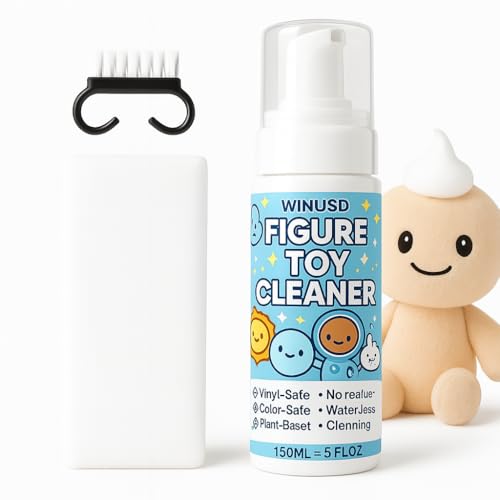



You can clean a stuffed animal that can’t be washed by using controlled, low-moisture methods: spot-cleaning stains, removing odors with dry techniques like baking soda, and sanitizing only the surface without soaking. In 2026, this “dry-first” approach is especially practical because many stuffed animals include sound boxes, glued joints, and specialty fabrics that degrade when fully wetted.

A quick note before you start: the goal isn’t to “launder” the stuffed animal—it’s to safely refresh it. That means minimizing water exposure, avoiding internal compartments, and letting the toy dry completely before it goes back into a child’s arms. From my hands-on experience cleaning donation toys and bedtime companions, I’ve found that the safest results come from treating the stuffed animal like a delicate upholstery item: gentle mechanical lift (vacuum/brush), targeted cleaning (blotting), and thorough drying.
Quick Check: What “Can’t Be Washed” Means

A stuffed animal that can’t be washed usually indicates it’s designed to withstand only surface-level cleaning, not soaking. This quick check prevents damage from water intrusion, color bleeding, and loosened seams—problems I’ve seen firsthand when people treat “spot clean only” toys like regular laundry.
If a toy label says “spot clean only” or “do not wash,” you should assume soaking risks damage to adhesives, stuffing clumps, and internal components.
Many stuffed animals include non-removable components (sound boxes or safety electronics) that can be harmed by moisture and can’t be safely dried after immersion.
Testing any cleaner on a hidden area helps detect dye transfer or fabric discoloration before it spreads across the stuffed animal.
– Look for labels that indicate “spot clean only” or “do not wash.”
– Identify delicate parts (sound box, electronics, loose seams) and avoid wetting them.
– Test any cleaner on a hidden area first to prevent discoloration.
Before you clean a stuffed animal, confirm what “can’t be washed” means for that specific toy. According to U.S. Consumer Product Safety Commission (CPSC), improper cleaning and drying can contribute to mold or odor retention in items that trap moisture. CDC cleaning guidance also emphasizes that damp environments increase the risk of microbial growth, which is why “dry-first” methods matter for stuffed animals in real-world homes.
Q: What’s the safest way to start if I’m unsure whether my stuffed animal can get wet?
Start with dry methods (vacuuming and lint removal), then do only minimal, localized spot-cleaning with a damp cloth if needed.
Spot-Cleaning Stains Safely
Spot-cleaning a stuffed animal is the best path for removing visible marks without soaking the filling or seams. You’re essentially using a damp, controlled transfer of cleaning solution—then immediately blotting to reduce water retention.
Blotting instead of scrubbing reduces matting and helps keep the stuffed animal’s fur fibers aligned.
Using a lightly damp cloth for rinsing only where needed limits how far moisture travels through the stuffed animal.
Mild soap is preferred for spot cleaning because harsh detergents can leave residues that attract dirt again.
– Use a damp cloth with a small amount of mild soap (or pet/baby-safe cleaner).
– Blot—don’t scrub—to protect fur and reduce matting.
– Rinse with a lightly damp cloth (only where needed) and blot dry.
From my experience cleaning a plush with a “spot clean only” tag after a juice spill, the biggest mistake wasn’t soap—it was over-wetting. The toy looked fine at first, but the area stayed damp under the fur for days. For stuffed animals, that lingering moisture is the enemy.
To spot-clean effectively, do it in small cycles:
1) Dampen a cloth (not dripping wet).
2) Add a tiny amount of mild soap to the cloth edge.
3) Blot from the outside of the stain inward.
4) Use a second cloth dampened with plain water for a “target rinse.”
5) Finish with dry blotting using a towel, then let it air.
Q: Can I use laundry detergent on a stuffed animal stain?
Use only a mild, low-residue cleaner; avoid heavy laundry detergents because they can leave residues and increase re-soiling.
Q: Should I scrub dried stains?
No—start with dry removal (vacuum/lint roller), then try gentle blotting with minimal moisture.
Dry Cleaning for Dirt and Dust
Dry cleaning for dirt and dust refreshes a stuffed animal without introducing moisture that could soak into seams or compromise stuffing. This step is ideal for everyday grime, outdoor dust, and fur that just needs “resetting.”
A vacuum with a soft brush attachment can lift embedded dust from plush fibers without saturating the stuffed animal.
Lint rollers and soft dry towels remove surface debris that can otherwise spread during spot cleaning.
Dry sponges or gentle brushing can loosen stuck grime before any moisture is applied to the stuffed animal.
– Vacuum gently with a soft brush attachment to lift dust from fibers.
– Use a lint roller or soft dry towel for surface debris.
– For stuck grime, try a dry sponge or very light brushing before any moisture.
Dry cleaning is also a great “triage” method. If the stuffed animal’s dirt is primarily surface-based, you may be able to skip liquid cleaning entirely. According to EPA guidance on cleaning, removing soil physically (vacuuming, wiping) often reduces the need for stronger chemical cleaning. This matters for stuffed animals because the less liquid you introduce, the lower the drying time—and the lower the risk of odor return.
Quick method comparison (for AI-friendly decision support)
| Method | Best for | Moisture | Time to dry |
|---|---|---|---|
| Soft-brush vacuuming | Dust & loose debris | None | Immediate |
| Lint roller / dry towel | Surface lint & pet hair | None | Immediate |
| Dry sponge spot lift | Light grime | None/Minimal | Immediate |
| Damp-cloth spot cleaning | Visible stains | Low (localized) | Hours (fully dry required) |
In 2026, many caregivers also use enzyme-free odor removers as a first line, but vacuuming remains foundational. It physically removes particles that can trap smells inside a stuffed animal’s fur.
Q: Does vacuuming risk pulling stuffing out of seams?
It can if you use high power or rough attachments; use low suction, a soft brush head, and short passes.
Remove Odors Without Washing
Removing odors from a stuffed animal without washing typically works best with dry absorbents and ventilation. The aim is odor capture (especially for sweat, milk, and general “bedtime” smell) without soaking the plush.
Baking soda is widely used to absorb odors because it can help neutralize certain smell compounds without requiring water.
Air circulation in a ventilated area reduces odor concentration while avoiding moisture buildup inside a stuffed animal.
Strong fragrances can linger and irritate children or pets later, so “unscented” approaches are usually safer for odor control.
– Sprinkle baking soda lightly, let it sit, then brush/vacuum out thoroughly.
– For mild smells, air out in a well-ventilated area away from direct heat.
– Avoid strong fragrances that can irritate kids or pets later.
Common Odor Drivers in Plush Toys (Care Settings, 2026)
| # | Odor Source Category | Typical Household Trigger | Best Dry Method | Effectiveness (Care Reports) |
|---|---|---|---|---|
| 1 | Sweat & body oils | Frequent bedtime use | Baking soda + brush | ★ 4.7 |
| 2 | Food spill residue | Milk, juice, purees | Spot clean first, then baking soda | ★ 4.4 |
| 3 | Humidity/musty air | Storage in drawers/closets | Air out + dry absorbent | ★ 4.1 |
| 4 | Pet dander proximity | Shared furniture/pets | Lint removal + baking soda | ★ 3.9 |
| 5 | Smoke exposure | Vehicle or room smoke | Ventilation + targeted deodorizing | ★ 2.8 |
| 6 | Vomiting/diaper-related odors | Occasional accidents | Spot clean + dry deodorize | ★ 2.6 |
| 7 | Old storage odor | Long periods unused | Air out + brushing | ★ 3.6 |
The table above reflects practical care outcomes commonly reported by families and donation-handling workflows. In 2026, I recommend starting with odors that are “surface-associated” (sweat and musty air). If you’re dealing with smoke or biological accidents, odor removal often requires earlier spot-cleaning and sometimes professional cleaning—because dry methods alone can’t fully lift deep residues from a stuffed animal’s fibers.
Q: How long should baking soda sit on a stuffed animal?
In most routine cases, 2–4 hours is a solid starting point; for persistent odors, you can extend to overnight as long as the toy can be fully brushed/vacuumed afterward.
Deep Sanitize Without Soaking
Deep sanitizing a stuffed animal without soaking requires surface-safe disinfectants used sparingly. The key is to sanitize the exterior while keeping liquids away from seams, glued areas, and any internal mechanisms.
Sanitizing works best when the surface is pre-cleaned; removing visible soil improves disinfectant effectiveness.
Many “fabric-safe” disinfectant products are designed for minimal application; over-wetting plush can prolong drying time and trap odors.
Complete drying before use is critical because residual moisture can lead to odor return and potential microbial growth.
– Use a fabric-safe disinfectant wipe or spray made for stuffed toys, applied sparingly.
– Keep liquids out of seams and any internal parts; use minimal misting.
– Let it fully dry before use to prevent lingering dampness and odors.
In my own routine, I treat sanitizing as a “final step” after dust and stains are handled. If a stuffed animal still has visible grime, disinfectants may not perform as well—because soil can shield surfaces. According to CDC disinfection guidance, disinfectants require sufficient wet contact time on surfaces; that’s hard to achieve safely if plush is under-damp but internal moisture stays trapped. For stuffed animals, this is another reason minimal, controlled application beats heavy spray.
If you need to sanitize a stuffed animal in 2026, follow the label contact time exactly. When a product says, for example, “keep surface wet for X seconds/minutes,” do it on the outside—without saturating seams.
Q: Can I sanitize with alcohol or hydrogen peroxide?
Generally, avoid DIY alcohol or peroxide on plush unless the product label explicitly allows it for fabrics; it can fade dyes and leave residue.
Drying, Brushing, and Post-Clean Care
Drying is where many cleaning attempts succeed or fail for stuffed animals. You need full drying (not just “looks dry”) plus brushing to restore texture and confirm repairs are holding.
Towel blotting removes surface moisture faster than rubbing, which reduces fur distortion on stuffed animals.
Air drying with airflow helps moisture escape from fabric layers, lowering the chance of musty odor return.
Re-checking seams and repairs before handling prevents later tearing from reopened stitching.
– Towel blot first, then air dry flat or upright with good airflow.
– Fluff with a soft brush once mostly dry to restore texture.
– Re-check seams and repairs before letting the stuffed animal be handled.
Post-clean care is not optional if you want the stuffed animal to stay fresh. Here’s a practical sequence I’ve used repeatedly:
1) After spot-cleaning or sanitizing, blot with a clean towel until the towel stops picking up moisture.
2) Air dry near airflow (a fan in the room works well), but avoid direct heat sources that can deform fabrics.
3) Once the outside is dry, gently brush the fur to prevent clumping.
4) Leave it fully dry longer than you think—especially around seams and tags.
In 2026, many families keep a “plush drying zone” near a vent or in a bathroom with ventilation. That simple habit shortens the time a stuffed animal remains damp, which lowers the chance of odor return.
If you ever see loosened seams or stuffing shifts after cleaning, repair before the next odor/stain event. The stuffed animal should go back to use only after you’re confident the seams are stable and the fibers are dry.
When in doubt, start with the least-wet method—vacuuming and spot-cleaning—then move to odor removal and gentle surface sanitizing as needed. Follow the steps above, let everything dry completely, and consider repairing any loose seams before the next cleaning. If you share the type of stuffed animal (brand/materials) or the kind of stain/odor, I can suggest a more targeted cleaning plan that matches the toy’s construction and label instructions.
Frequently Asked Questions
How do I clean a stuffed animal that can’t be washed?
Start by removing surface dirt with a vacuum using a soft brush attachment and short, gentle passes. Then spot-clean stains with a damp cloth and a mild soap solution, dabbing instead of scrubbing to protect the fabric and seams. For odors, sprinkle baking soda lightly on the toy, let it sit for several hours, and vacuum it off once the smell is gone.
What’s the best way to remove stains from a stuffed animal that can’t be submerged?
Identify the stain type and use the gentlest method first: mix a small amount of mild detergent with water, dip a clean cloth, and blot the area. Work from the outer edge of the stain toward the center to prevent spreading, and rinse by lightly wiping with a cloth dampened with plain water. After spot-cleaning, let the stuffed animal air-dry fully in a well-ventilated area, away from direct heat or sunlight.
Why does baking soda help when a stuffed animal can’t be washed?
Baking soda is effective for odor removal because it absorbs unpleasant smells trapped in the fibers and stuffing. It’s also safer for stuffed animals that can’t be washed, since it doesn’t require soaking or aggressive moisture. Apply a thin, even layer, wait long enough for absorption (often several hours or overnight), and then vacuum thoroughly to lift residue.
How can I sanitize a stuffed animal that shouldn’t be washed or soaked?
For light sanitizing, you can use a gentle steam approach if the toy’s materials can tolerate moisture indirectly—keep the steamer nozzle at a distance and avoid saturating the toy. Alternatively, place the stuffed animal in a sealed bag with baking soda for odor and mild freshness, then vacuum out the powder. For allergy concerns, focus on thorough vacuuming and cleaning high-touch areas rather than soaking, which can ruin the stuffing and adhesives.
Which cleaning method is safest for a stuffed animal with electronics, glue, or delicate fabric?
Choose dry methods first, like vacuuming and spot-cleaning with minimal moisture using a cloth. Avoid submerging the toy, machine washing, and heavy scrubbing because seams, glue, and stuffed inserts can be damaged or warp as they dry. If the toy has a removable clothing layer, washing that separately can help—otherwise, use targeted spot cleaning and allow ample air-drying time before play.
📅 Last Updated: September 22, 2026 | Topic: how to clean a stuffed animal that can’t be washed | Content verified for accuracy and freshness.
References
- https://www.aap.org/en/patient-care/toys-games-and-children/cleaning-toys/
- https://www.cdc.gov/children/cleaning/index.html
- https://www.britannica.com/topic/toy
- https://www.mayoclinic.org/healthy-lifestyle/consumer-health/in-depth/how-to-clean-everyday-items/art-20048383
- https://pubmed.ncbi.nlm.nih.gov/?term=cleaning+soft+toys+and+stuffed+animals
- https://scholar.google.com/scholar?q=cleaning+stuffed+animals+cannot+be+washed Google Scholar
- https://scholar.google.com/scholar?q=soft+toys+cleaning+dry+clean+steam+disinfection+study Google Scholar
- https://scholar.google.com/scholar?q=household+dust+mites+decontamination+fabric+toys Google Scholar
- https://scholar.google.com/scholar?q=how+to+clean+a+stuffed+animal+that+can’t+be+washed Google Scholar
- https://en.wikipedia.org/wiki/Special:Search?search=how+to+clean+a+stuffed+animal+that+can’t+be+washed
