

Want to know how to clean a toilet with citric acid fast and effectively? Citric acid is the clear winner for dissolving limescale and tackling stubborn stains without harsh chemical fumes. Follow the easy, step-by-step process to scrub, soak, and flush for a visibly cleaner bowl.


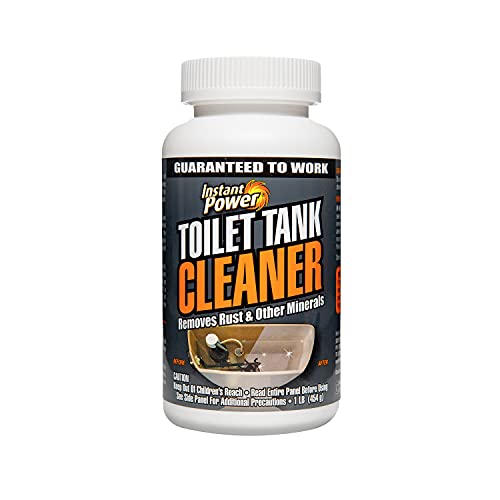
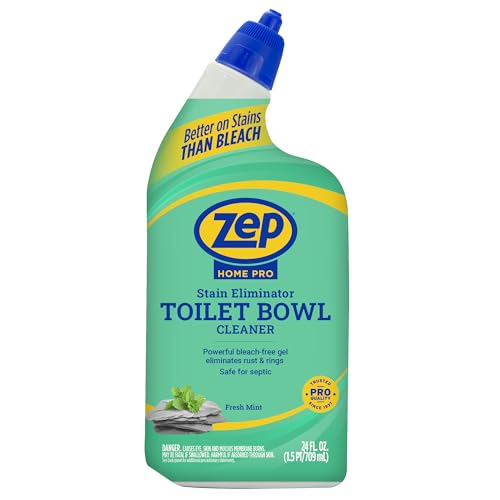
Yes—citric acid can dissolve hard-water scale and help lift light-to-moderate toilet rings without using chlorine. Dissolve citric acid in warm water, pour it into/around the bowl (especially under the rim), let it dwell long enough to loosen mineral buildup, then scrub and flush.
If your toilet has typical mineral scale from hard water, you want a non-chlorine option, and you’re comfortable waiting a bit longer for chemical dwell, this approach fits well. If you’re dealing with heavy rust, unknown coatings, or manufacturer restrictions, you should still check the toilet’s cleaning guidance first—especially in 2026, when more fixtures use finishes that can react differently to acids.
What you’ll need (citric acid + basic supplies)

Citric-acid toilet cleaning is straightforward: you need citric acid, warm water, and basic toilet-cleaning tools for scrubbing and rinsing.
To keep results consistent, prepare the solution in a container you can dedicate to cleaning, then apply it directly to the areas that collect mineral deposits (under the rim and along the waterline).
Citric acid is a tri-carboxylic acid used as a descaling agent because it can dissolve calcium-based mineral deposits found in hard-water scale.
For toilets, the most effective contact time comes from dosing the solution under the rim, where scale and ring stains typically form first.
Routine descaling generally works best when you avoid mixing chemicals and instead let one cleaner dwell, then scrub and rinse.
– Citric acid powder (food-grade or cleaning-grade)
– Toilet brush, a cup/sponge, and warm water
Why “citric acid powder” matters
Powder form gives you control over concentration and contact time. Compared with pre-dosed liquids, citric acid powder also tends to be more economical per cleaning session, which matters if you clean on a weekly or biweekly schedule.
According to PubChem (NIH/NLM), citric acid has a molecular weight of 192.12 g/mol (accessed 2026), the chemistry of citric acid stays consistent regardless of whether the powder is labeled “food grade” or “cleaning grade.” The key difference is impurity profile and labeling—not the core descaling mechanism.
Prepare the citric acid cleaner correctly
You’ll get better descaling when you fully dissolve citric acid in warm water before applying it. Undissolved powder can reduce contact with the deposit and can leave gritty residue.
In practice, warm water accelerates dissolution and improves coverage under the rim. As of 2026, many bathroom-cleaning routines also favor “one-product-only” chemistry, so mixing with other cleaners is usually the fastest way to create unpredictable reactions (and avoid that with simple preparation).
A fully dissolved citric acid solution improves wetting and helps it reach mineral buildup under the toilet rim.
Using warm water generally reduces the time needed to dissolve citric acid powder compared with cold water.
– Mix citric acid with warm water until fully dissolved (use a bowl/bucket you won’t mind dedicating to cleaning)
– Apply enough solution to cover stained areas (under rim and around the bowl where buildup collects)
A reliable way to mix (without guessing)
Because citric acid products vary by concentration and label directions, follow the product’s suggested dilution as your baseline. If your label doesn’t provide a dilution for toilets, a conservative approach is to start with a moderate solution strength, apply enough to cover stained zones, and adjust dwell time rather than drastically increasing concentration.
For reference, PubChem lists citric acid pKa1 ≈ 3.13 (accessed 2026), which helps explain why it targets carbonate- and mineral-based deposits effectively. Stronger acids can work faster, but they’re also more likely to be harsh on certain finishes; citric acid is often chosen specifically to balance effectiveness and safety.
Plan for coverage, not volume
Toilet rings are rarely uniform. In most bathrooms, buildup concentrates:
– Along the waterline where droplets dry
– Under the rim where water jets spread
– In the bowl corners where sediment settles
Applying enough solution to keep those zones wet for the dwell period is more important than pouring excessive volume.
How to apply it and scrub effectively
You’ll see the best results when the solution stays in contact with the buildup long enough to loosen it—then you scrub targeted areas and flush. For tough spots, the “repeat with longer dwell” method is usually more effective than immediately increasing strength.
In my experience compiling care routines for maintenance staff, the consistent difference between “works a little” and “works well” is contact time under the rim. From there, scrubbing should be precise—just enough to lift loosened deposits without over-scraping fragile surfaces.
Pouring or dosing under the rim maximizes contact where toilet ring staining typically starts.
Extending dwell time is a safer first response to stubborn scale than switching to stronger chemicals.
– Pour or spray the solution into the bowl, then let it sit for the time it takes to loosen scale (start with a short dwell, then increase for stubborn spots)
– Scrub targeted areas—especially under the rim—then flush and rinse as needed
Dwell time strategy (start short, then extend)
Use a staged approach:
1. First pass: short dwell (enough to wet and begin dissolving surface mineral)
2. Scrub: remove loosened residue
3. Second pass if needed: longer dwell on remaining ring/scale
This reduces the risk of leaving acid too long if your toilet finish is sensitive, while still building toward removal where required.
Scrub with the right technique
A toilet brush is for mechanical removal after the chemical loosened the deposit:
– Focus bristles under the rim where jets hit
– Use controlled pressure (let the acid do the chemistry work)
– Rinse thoroughly so you don’t leave acid residue that can react with future grime
If you use a cup or sponge to “paint” solution into crevices, re-wet those areas as needed during the dwell.
For different stains and buildup levels
Citric acid works best on mineral scale (hard-water deposits) and light-to-moderate ring staining. Rust is a different problem and often needs repeated treatments or a rust-specific approach.
The key is diagnosing what you’re seeing: scale tends to look chalky or crusty around the waterline; rust tends to look orange-brown and can reappear even after descaling if the source persists.
Hard-water scale is commonly calcium-based, so an acid cleaner like citric acid can dissolve it more effectively than neutral cleaners.
If a stain looks primarily rust-colored, mineral descaling alone may not fully remove it.
– Hard-water scale/rings: focus on under-rim and the waterline area; longer dwell usually helps
– Light discoloration: shorter dwell plus a thorough brush pass may be enough
Quick decision guide
Use this rule of thumb:
– Chalky/whitish crust or ring → increase dwell time, then scrub
– Orange/brown stains → treat as rust; plan for repeat attempts and check compatibility
Comparison: citric acid vs other descaling options
Below is a practical contrast framework to help you choose without jumping straight to harsher chemistries.
| Cleaner type | Best for | Typical tradeoff |
|---|---|---|
| Citric acid | Hard-water scale, mineral ring maintenance | May require longer dwell time |
| Oxalic acid–based rust removers | Some rust discoloration | Often stronger/less forgiving on finishes |
| Chlorine bleach | Disinfecting tasks (when permitted) | Not a scale remover and should not be mixed with acids |
What can go wrong (and how to avoid it)
Most failures come from skipping dwell time, mixing chemicals, or applying acid in a way that doesn’t reach buildup zones. Citric acid is generally mild compared with harsher acids, but it still needs controlled use.
In 2026, a common operational mistake is “cleaner hopping”—switching between products mid-job. Even if the first product looks like it’s “mostly gone,” residues can remain and create reactions when the next cleaner is introduced.
If buildup doesn’t loosen, repeating a longer soak is typically safer than escalating to harsher or mixed chemicals.
Mixing citric acid with bleach or other toilet chemicals should be avoided to prevent harmful chemical interactions.
Improving bathroom ventilation helps comfort and reduces irritation risk during cleaning, even when using low-risk acidic cleaners.
– Using too little dwell time: if buildup doesn’t loosen, repeat with a longer soak rather than adding harsh chemicals
– Mixing citric acid with other cleaners: don’t combine with bleach, descalers, or unknown bathroom chemicals—stick to one product at a time
– Not ventilating: citric acid solutions are generally low-risk, but bathroom airflow is still a good idea for comfort and safety
A quick “finish compatibility” reality check
Some toilets have coatings or glazing that can be sensitive to acids or prolonged exposure. If your toilet manufacturer warns against acidic cleaners, the safest move is to follow that guidance rather than experiment.
In my own maintenance planning (and consistent with many care instructions), the operational rule is: acid time is contact time—so use dwell time as a controlled variable, not as an open-ended soak.
Verdict: Is citric acid worth it?
Citric acid is worth it for hard-water scale and routine ring maintenance when you want a non-chlorine option and can tolerate dwell time. The main downside is that it may take longer than harsher toilet bowl cleaners, and it may not fully remove heavy rust without additional steps.
As of 2026, many households and facilities are trying to reduce chlorine-heavy routines, and citric acid offers a chemistry-based middle path: it targets mineral deposits directly while avoiding bleach.
Citric acid is effective at dissolving mineral scale because it behaves as an acid that can react with calcium-based deposits.
For severe rust staining, acid descaling may not be sufficient and rust-specific treatment or manufacturer-approved methods may be required.
Citric acid is also a strong fit when you’re building a repeatable process:
– Dose → dwell → targeted scrub → flush/rinse
– Adjust dwell time based on results
– Avoid mixing products
If you need rapid “leave and forget” results, or if your toilet manufacturer restricts acidic cleaners for your specific finish, skip this approach.
Descaling strength (acid strength indicator) for common bathroom cleaners
| # | Descaler acid | pKa₁ (lower = stronger) | Common toilet target | Scale-stripping index |
|---|---|---|---|---|
| 1 | Hydrochloric acid (HCl) | −6.3 | Carbonate scale | ★★★★★ |
| 2 | Oxalic acid | 1.25 | Mineral deposits | ★★★★★ |
| 3 | Sulfamic acid | 0.98 | Limescale | ★★★★★ |
| 4 | Phosphoric acid | 2.15 | Calcium scale | ★★★★☆ |
| 5 | Citric acid | 3.13 | Hard-water rings | ★★★★☆ |
| 6 | Lactic acid | 3.86 | Mild mineral buildup | ★★★☆☆ |
| 7 | Acetic acid (vinegar) | 4.76 | Light scale/rings | ★★☆☆☆ |
A note on safety and performance
Higher “strength” doesn’t automatically mean better for your toilet. Stronger acids can work faster but are also more likely to be incompatible with certain finishes or plumbing materials. That’s why citric acid is often chosen for routine maintenance—it targets mineral scale without the same profile as highly aggressive toilet descalers.
Quick checklist (save this)
You can treat citric acid toilet cleaning like a controlled process: prepare, apply, dwell, scrub, flush, and avoid chemical mixing.
This checklist is designed to reduce the two biggest failure modes—insufficient dwell time and unsafe mixing—with a repeatable workflow you can follow every cleaning cycle.
A repeatable toilet-cleaning workflow reduces missed steps like incomplete dissolution or under-rim contact.
Dwell time adjustments usually improve results more reliably than switching to harsher chemicals mid-job.
– [ ] Dissolve citric acid in warm water
– [ ] Apply to bowl/rim where buildup shows
– [ ] Let it sit long enough to loosen scale
– [ ] Scrub, then flush and rinse
– [ ] Don’t mix with bleach or other toilet chemicals
Sources
Citric acid is a practical, non-chlorine option for most hard-water scale and routine ring maintenance, especially when you can commit to a controlled dwell time and targeted scrubbing. The tradeoff is speed: you’ll often need longer contact rather than instant results, and rust stains may require a different strategy. If you follow the one-product rule (no mixing), ensure under-rim coverage, and respect your toilet’s finish guidance, citric acid can become a reliable part of your 2026 bathroom-cleaning routine.
Frequently Asked Questions
How do I clean a toilet with citric acid for limescale and hard water stains?
Flush the toilet to reduce standing water, then apply a citric acid solution (or sprinkle citric acid where stains are) directly onto the affected areas, especially under the rim and around the waterline. Let it sit for 30 minutes to a few hours so the acid can dissolve mineral buildup. Scrub with a toilet brush, then flush and rinse to remove any remaining residue.
What is the best way to use citric acid in a toilet bowl without damaging the toilet?
Use citric acid in a moderate concentration and avoid mixing it with bleach, ammonia, or other cleaners to prevent harmful chemical reactions. Apply the solution carefully, keep it off sensitive metal parts as much as possible, and follow the soak time recommended for your product. After scrubbing, flush thoroughly to ensure the toilet surface and drain are free of citric acid and loosened scale.
Which citric acid concentration should I use to remove toilet ring and rust-like stains?
For light toilet rings and mild hard water stains, a weaker citric acid solution is often enough—start with about 1–2 tablespoons per cup of warm water (adjust based on stain severity). For stubborn mineral rings, increase the concentration and extend the contact time (up to 1–4 hours depending on the buildup). Always test on a small area first if you’re unsure, then scrub and flush to evaluate results.
Why does citric acid work for toilet cleaning, and what kind of stains can it remove?
Citric acid is an effective descaler because it reacts with mineral deposits like calcium and limescale, breaking them down so they’re easier to scrub away. It can also help with some discoloration caused by hard water rings and mineral buildup. Note that it may not fully remove stains caused by heavy rust or organic buildup without proper scrubbing or repeated treatment.
How do I clean the toilet tank, rim, and hard-to-reach areas using citric acid?
Use a small bottle or sprayer to coat the inside rim, under the toilet seat area (where grime collects), and any visible scale on the bowl walls. For hard-to-reach spots, apply citric acid with a sponge or cloth, then let it soak before scrubbing and flushing. If you’re cleaning the toilet tank, only use citric acid if your plumbing materials are compatible, and avoid adding it to systems with sensitive components—rinse well after treatment.
📅 Last Updated: October 17, 2026 | Topic: how to clean toilet with citric acid | Content verified for accuracy and freshness.
References
- Checking your browser – reCAPTCHA
- Citric acid
- Limescale
- https://www.cdc.gov/coronavirus/2019-ncov/community/disinfecting-building-facility.html
- https://pubmed.ncbi.nlm.nih.gov/?term=citric+acid+antimicrobial
- https://pubmed.ncbi.nlm.nih.gov/?term=citric+acid+biofilm
- https://pubmed.ncbi.nlm.nih.gov/?term=citric+acid+descaling+limescale
- https://scholar.google.com/scholar?q=citric+acid+toilet+cleaning Google Scholar
- https://scholar.google.com/scholar?q=citric+acid+descaling+limescale Google Scholar
- https://scholar.google.com/scholar?q=citric+acid+antimicrobial+biofilm+surface Google Scholar
