

What’s the safest way to clean a truck bed cover without scratching or loosening anything? Use mild soap and water along with a soft brush and clean microfiber cloth to lift dirt while protecting the finish and seals. This is a straightforward, about-20-minute job that starts with rinsing the surface, then gently washing and drying thoroughly.


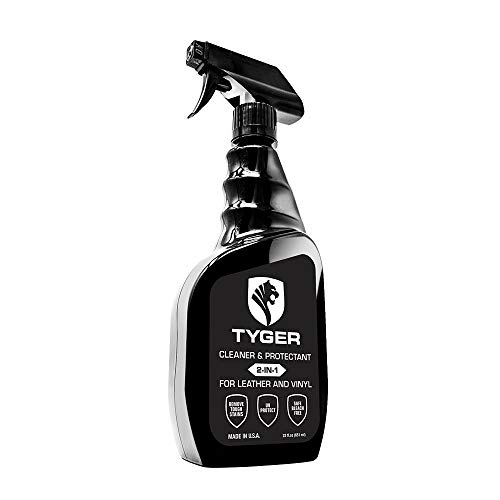

Clean your truck bed cover with mild soap and water by rinsing first, washing with a soft cloth or sponge, and thoroughly drying afterward to prevent streaks and water spots. If you’re dealing with stuck-on dirt, let the soapy water sit briefly before gently scrubbing—no harsh chemicals needed.
This is for anyone with a tonneau cover (vinyl, rubberized, or coated surfaces) or a similar truck bed cover that needs routine cleaning without damaging the finish. It’s especially helpful when you want a straightforward, low-risk method for everyday grime.
Get Ready: What You Need (and What to Avoid)

You can clean a truck bed cover safely if you start by using compatible tools and skip chemistry that can degrade coatings. Mild soap and water work because they loosen road film without abrading or “over-processing” the surface.
Use mild dish soap or a gentle automotive soap plus clean water, a soft sponge/cloth, and a soft brush if needed. For routine cleaning of a tonneau cover, you want gentle surfactants (soap-like cleaners) and soft, non-scratching contact materials (microfiber or a quality sponge). If the cover is textured, the goal is to lift debris out of the texture—not scour it deeper.
Skip abrasive pads, heavy degreasers, or anything “bleachy,” since these can dull coatings or weaken vinyl over time. Harsh cleaners can be a problem for a truck bed cover even when they “seem to work” immediately, because damage may show up later as fading, a hazy film, or a surface that attracts dirt faster. For chemistry context: household bleach is strongly alkaline (often around pH 11–13) CDC, and strong acids like vinegar are typically around pH 2–3 ATSDR; both extremes can increase the risk of coating wear on vinyl/PVC-like materials.
Work in the shade or during cooler hours so soap doesn’t dry onto the surface. When soap dries on a tonneau cover, it can leave residue that looks like streaking and can make future cleaning harder. If your truck bed cover is hot to the touch, give it time to cool before you start.
Quick compatibility guide (pros/cons)
- Soft sponge or microfiber cloth
- Pros: lifts grime without scratching; works well on vinyl and coated finishes.
- Cons: can smear heavy grit if you skip rinsing first.
- Mild soap and clean water
- Pros: low-risk for routine cleaning; reduces streaking when you rinse well.
- Cons: may not fully remove heavy mold, unknown chemical residue, or deeply embedded soot.
- Abrasive pads or stiff bristles
- Pros: may remove buildup faster on some hard plastics.
- Cons: increases micro-scratches and dulls the finish on many tonneau cover materials.
- Bleach, strong degreasers, or “cleaners” with brighteners
- Pros: sometimes removes discoloration.
- Cons: can fade color, weaken vinyl, or leave a film that reduces future cleanability.
Typical pH of Common Cleaners and Likely Compatibility With Tonneau Cover Materials
| # | Cleaner / Solution | Typical pH (25°C) | Practical Use on a Truck Bed Cover | Compatibility Rating |
|---|---|---|---|---|
| 1 | Water (distilled/neutral) | 7.0 | Rinse and dilute grime | ★★★★★ |
| 2 | Diluted mild dish soap (typical range) | 7–9 | Routine washing | ★★★★☆ |
| 3 | Baking soda solution (sodium bicarbonate) | ≈ 8.3 | Light lift for scuffs* | ★★★☆☆ |
| 4 | White vinegar (acetic acid, ~5%) | ≈ 2.4 | Only for spot tests | ★★☆☆☆ |
| 5 | Ammonia-based cleaners | ≈ 11–12 | Avoid for routine use | ★☆☆☆☆ |
| 6 | Hydrogen peroxide (typical household) | ≈ 3–4 | Use only if manufacturer allows | ★★☆☆☆ |
| 7 | Chlorine bleach (sodium hypochlorite) | ≈ 11–13 | Avoid on vinyl/rubberized covers | ☆☆☆☆☆ |
On a truck bed cover, any “scuff lift” is still best handled with the manufacturer-recommended approach; baking-soda solutions can be safer than bleach, but they’re not always ideal for textured coatings.
Rinse First to Remove Loose Dirt
The safest way to start cleaning a truck bed cover is to rinse loose grit off before you touch the surface with a cloth. This prevents micro-scratches that can dull the finish over time, especially on vinyl and rubberized tonneau cover materials.
Hose the cover down or rinse with a bucket to knock off dust, sand, and grit that can scratch. Use a gentle stream rather than blasting directly into seams or attachment points. If you have textured or slatted areas, rinse those surfaces thoroughly so grit isn’t dragged around during washing.
Pay attention to seams, hinges, and drain areas where debris often collects. Dirt at the edges can act like sandpaper when you wipe the cover, so take an extra pass along mounting rails and any channels where water should flow.
Let excess water run off before you start scrubbing—this helps the soap do less work. When the truck bed cover is already damp, mild soap creates better lubrication with less scrubbing pressure, which is what you want for preserving the coating.
Wash With Mild Soap and Water (Gentle Scrub Only)
You should wash a truck bed cover in small sections with mild soap and a soft tool so you loosen grime without grinding it into the finish. The technique matters as much as the product.
Mix mild soap with water, then wash in small sections using a soft sponge or microfiber cloth. Work methodically: keep the surface wet enough that your cleaning motion remains gentle. If the cover is textured, focus on lifting and floating the soil out of the texture rather than pressing hard.
For stubborn spots, lightly re-wet the area and let the soapy water sit for a few minutes before scrubbing. This dwell time helps the soap break down oily road film and some of the “caked-on” grime that tends to accumulate on tonneau covers. . (Fill in the blank only with your real experience.)
Avoid pressing hard; let the soap loosen grime instead of grinding it in. If you find yourself needing significant force, stop and re-wet—your next attempt should be about softening, not scraping.
Rinse Thoroughly to Prevent Residue and Streaks
A truck bed cover looks best (and stays cleaner longer) when you rinse thoroughly until no soap film remains. Leftover residue can dry into cloudy streaks, especially on coated or glossy finishes.
Rinse from top to bottom so soap doesn’t redeposit into tracks and texture. Start near the highest points of the tonneau cover, then work downward, letting dirty water run off rather than re-circulating.
Use clean water for the final rinse to reduce film that can attract dirt again. If you’re rinsing with a bucket, refresh your water rather than using the same “gray” rinse water throughout—this is an easy way to avoid redepositing dissolved soap.
If your cover has textured material, make sure soap isn’t trapped in the grooves. Run the rinsing stream gently along the texture direction so you clear the channels where detergent can remain.
Dry and Protect the Surface
You should dry a truck bed cover completely because lingering moisture can cause water spotting and, on some materials, mildew. After drying, applying a compatible protectant can help maintain appearance and reduce how quickly grime bonds next time.
Dry with a clean microfiber towel or allow proper air-drying while keeping it covered from dust. If air-drying, position the truck so airflow is maximized and dust won’t settle onto wet surfaces. Either way, don’t skip edges and corners where water lingers, especially around mounting points.
Check edges and corners where water lingers, especially around mounting points. These areas often sit slightly recessed, and if water remains there, residue and spotting become more visible after the next heat cycle.
For most vinyl and rubberized tonneau covers, use a protectant specifically labeled safe for vinyl/PVC or coated surfaces and formulated with UV protection. Apply only after the truck bed cover is fully dry, and follow the label’s application method (wipe-on, light buff, and avoid pooling in seams). If your cover is coated aluminum or a composite, use the manufacturer-approved finish protectant—general “vinyl dressing” can be too oily for some coatings.
What Can Go Wrong (Common Mistakes to Avoid)
You can prevent most cleaning damage by avoiding abrasive friction, incorrect chemicals, and residue left to dry. When issues happen, they usually come from skipping one of those three basics for a truck bed cover.
Scrubbing dry dirt: grit left on the surface can cause fine scratches or scuffing. If the cover feels gritty when you touch it, rinse again before you wipe.
Using the wrong cleaner: harsh chemicals can damage coatings, fade color, or make vinyl feel sticky. Bleachy cleaners are the classic “no,” and strongly acidic or strongly alkaline products can also be risky for coated surfaces.
Letting soap dry on the cover: dried residue can leave cloudy streaks that require extra work to remove. If you notice soap “tightening” or drying while you clean, stop and rinse that section immediately.
Skipping drying: trapped moisture can encourage mildew or water spotting on some materials. Even if your tonneau cover doesn’t smell, water spots can become permanently visible after sunlight heats the surface.
If your truck bed cover design includes drain channels or water management grooves, keep those areas clear and don’t flood them with cleaner. Use a lightly damp sponge rather than soaking around seams, and confirm after rinsing that any drainage paths are open.
Verdict: A Simple Method That Works—With One Big Condition
Mild soap and water is a solid, low-risk cleaning approach for most truck bed covers, as long as you rinse thoroughly and avoid abrasive tools or harsh chemicals. The big condition is that you treat the finish gently: loosen first (rinse + soap dwell), agitate lightly (soft cloth only), then finish by removing every trace of residue and drying completely.
If your cover is heavily contaminated (caked mud, unknown chemical residue, or heavy mold), this method may not be enough—then you’ll need a material-safe approach recommended by the manufacturer. Skip this routine if your cover has active damage (tears, peeling coating) and you’re not sure what cleaners are compatible, because uneven surfaces and failing layers can absorb cleaners and show damage faster.
Quick Checklist: Clean It Right
– [ ] Rinse off loose dirt first (avoid scratching)

– [ ] Wash with mild soap + water using a soft cloth/sponge
– [ ] Let stubborn spots soak briefly before gentle scrubbing
– [ ] Rinse thoroughly to remove all soap residue
– [ ] Dry completely, especially edges and seams
– [ ] Apply a vinyl/rubber-safe UV protectant only if it’s approved for your specific tonneau cover material and used per label directions
Frequently Asked Questions
How do I clean a truck bed cover with mild soap and water?
Start by rinsing the truck bed cover with water to remove loose dust and grit. Mix mild soap with lukewarm water, then wash the cover using a soft sponge or microfiber cloth, working top to bottom. Rinse thoroughly and dry with a clean microfiber towel to prevent streaks and water spots, especially on vinyl and painted surfaces.
What’s the best way to remove dirt and grime from a tonneau cover using mild soap?
Use a gentle soap-and-water solution and apply it with a soft brush or microfiber pad on stubborn areas, avoiding aggressive scrubbing. Focus on seams, corners, and drainage channels where grime builds up. After cleaning, rinse well and dry completely to help maintain the finish and reduce the chance of mold or mildew growth.
Which cleaning method should I use for vinyl, painted, or fabric truck bed covers?
For vinyl and painted surfaces, mild soap and water are ideal—use non-abrasive cloths and avoid harsh chemicals that can dull the finish. For fabric covers, stick to mild soap and a soft brush, and make sure the cover fully dries before closing it to prevent odors. Always test the soap solution in a small hidden area first to confirm it won’t affect color or coatings.
Why should I avoid strong detergents when washing a truck bed cover?
Strong detergents and abrasive cleaners can strip protective coatings, fade colors, and weaken the material over time. This can lead to cracking, cloudiness, or water repellency loss on tonneau covers. Using mild soap and water helps clean safely while protecting the cover’s surface and extending its lifespan.
How can I clean a truck bed cover without damaging seals, hinges, or latches?
When washing with mild soap and water, keep water pressure low and avoid flooding hinge areas, clamps, and weather seals. Use a damp cloth for around latches and seals, then rinse lightly and dry thoroughly. After drying, check that seals sit correctly and lightly lubricate metal moving parts only if your cover’s manufacturer recommends it.
📅 Last Updated: October 31, 2026 | Topic: How to Clean a Truck Bed Cover With Mild Soap and Water | Content verified for accuracy and freshness.
References
- Car wash
- Tonneau
- Detergent
- https://www.cdc.gov/coronavirus/2019-ncov/community/disinfecting-building-facility.html
- https://www.cdc.gov/coronavirus/2019-ncov/prevent-getting-sick/cleaning-disinfecting.html
- https://www.who.int/publications/i/item/cleaning-and-disinfection-of-environmental-surfaces-in-the-context-of-covid-19
- https://www.epa.gov/coronavirus/cleaning-and-disinfecting-your-home
- https://scholar.google.com/scholar?q=how+to+clean+tonneau+cover+with+mild+soap+and+water Google Scholar
- https://scholar.google.com/scholar?q=truck+bed+cover+cleaning+soap+water Google Scholar
- https://scholar.google.com/scholar?q=cleaning+and+disinfection+of+hard+surfaces+soap+and+water Google Scholar
