

If you need to know how to clean a vape cartridge, the fastest, safest method is a simple step-by-step wipe-and-rinse process that restores flavor and prevents clogging without damaging the coil. This guide tells you exactly what to remove, what to clean (and what to avoid), and how to let everything fully dry before you vape again. Follow these steps and you’ll get a cartridge that performs like it should—especially if you’re dealing with residue buildup or muted hits.



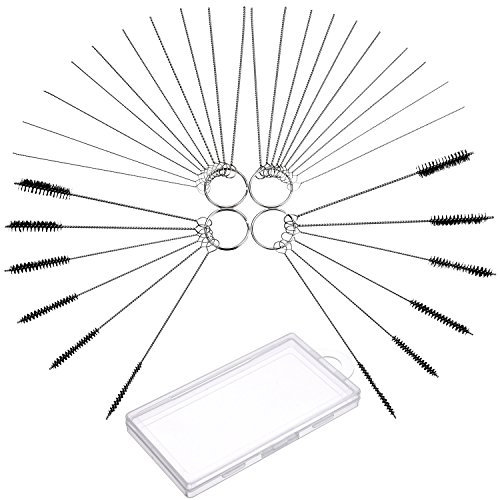
If your vape cartridge tastes burnt, clogs, or hits weak, cleaning it can often remove residue that builds up in the airflow and wick area. The key is to disassemble only what’s designed to come apart, clean with a compatible solvent (if allowed), and let everything dry fully before you reassemble—so you don’t trap moisture or damage seals.
If you’re using a reusable 510-thread cartridge or a refillable cart (and it’s not actively damaged), these steps apply best. If your cartridge is disposable, leaking, cracked, or the brand’s manual says “do not clean,” skip ahead to the troubleshooting and limits sections.
What you’ll need before you start

You can clean most reusable cartridges safely with basic materials: lint-free wipes, cotton swabs, and a solvent that won’t react with the cartridge’s materials. Before using isopropyl alcohol (IPA), confirm the cartridge material and whether the manufacturer allows cleaning.
Isopropyl alcohol (2-propanol) has a boiling point around 82.6°C and a low flash point (~11.7°C), so it evaporates but requires careful handling away from flames or sparks.
If you use any solvent, you’ll reduce gunk by cleaning only the airflow/connection zones—flooding the internals increases the risk of prolonged bad taste and failure.
Fully air-drying components before reassembly is critical because trapped moisture can change airflow and flavor even when the cartridge “looks clean.”
– Clean, lint-free wipes (or microfiber) and cotton swabs for small areas
– Isopropyl alcohol (commonly used for cleaning; confirm your cartridge material first) and [ADD: any cartridge-brand-recommended cleaner]
– A dry area and time to let parts air-dry completely
Isopropyl Alcohol Safety & Physical Properties Relevant to Vape-Cartridge Cleaning
| # | Property (2-propanol) | Typical value | What it means for cleaning | Fire hazard level |
|---|---|---|---|---|
| 1 | Boiling point | 82.6°C | Evaporates relatively quickly from surfaces | High |
| 2 | Flash point | 11.7°C | Vapor can ignite at low temperatures | High |
| 3 | Melting point | −89°C | Not relevant during normal room-temperature cleaning | High |
| 4 | Density (20°C) | 0.785 g/mL | Cleans effectively but can drip if applied too heavily | High |
| 5 | Water miscibility | Miscible | Water contamination can blend with IPA residues | High |
| 6 | Molecular weight | 60.10 g/mol | Helps explain predictable evaporation and solvent behavior | High |
| 7 | Vapor pressure (25°C) | ~4.4 kPa | Forms breathable vapors quickly; ventilate | High |
Source data compiled from PubChem chemical property records: Boiling point, flash point, density, miscibility, molecular weight, and vapor pressure for isopropyl alcohol (2-propanol). [ADD: PubChem compound page citation ID you use]
> Note: Because vaping devices vary, always follow the cartridge manufacturer’s written cleaning guidance. Where details aren’t provided, treat any solvent as “use at your own risk,” and avoid soaking.
Step-by-step: How to clean a vape cartridge safely
You can usually restore airflow and flavor by cleaning the mouthpiece area, airflow paths, and connection surfaces—without disturbing parts that shouldn’t be taken apart. This step-by-step method minimizes the risk of damaging seals and wicks.
Start by removing the cartridge from the battery and keeping it upright to reduce the chance of liquid moving into areas it shouldn’t.
When cleaning airflow paths, use a lightly moistened swab and avoid flooding internals; excess solvent can cause prolonged flavor issues.
Reassemble only after full air-drying so you don’t trap moisture near electrical contacts or inside the airflow chamber.
– Remove the cartridge from the battery and keep it upright to avoid leaking
– Wipe the exterior and gently clean visible residue around the mouthpiece/threads
– If your cartridge design allows disassembly, remove the parts you can safely access, then clean airflow paths with a lightly moistened swab (don’t flood internals)
Why “minimal liquid” is the safest approach
Residue tends to form where heat concentrates—near the wick, airflow channel, and the contact surfaces that route vapor. A common failure pattern is “gunk + limited airflow,” which can make the draw feel weaker and increase burnt-taste risk due to higher coil temperature under starvation.
From a practical standpoint, cleaning works best when you treat the cartridge like a precision airflow device: wipe, swab, and remove residue mechanically rather than saturating everything. If you have to choose between one deeper wipe and one heavy soak, choose the wipe.
Also, pay attention to thread and connector cleanliness. Even when the internals are spotless, restricted airflow or inconsistent electrical contact can still produce weak hits.
Deep-cleaning for clogs and gunk buildup
If you’re dealing with a clog, your goal is to remove residue in the airflow/connection zone without damaging the wick or seals. A careful clean-and-dry cycle beats aggressive scraping in most reusable cartridges.
For clogged airflow areas, applying solvent to a swab (rather than soaking the cartridge) reduces the risk of solvent migrating into seals and internal chambers.
Avoid metal tools inside the airflow path; they can scratch surfaces that guide airflow and create new residue traps.
A full drying period is part of the “cleaning” outcome; incomplete drying can mimic a persistent clog by changing airflow and taste.
– For residue near the airflow or connection areas, use minimal liquid: swab, don’t soak
– If your cart is refillable and the wick/chamber can be accessed, do a careful clean-and-dry cycle rather than aggressive scraping
– After cleaning, let all components dry fully (no reassembly until there’s zero trapped moisture)
What “deep-clean” should look like (and what it shouldn’t)
A deep-clean typically means:
1. Removing surface gunk you can see on the mouthpiece and airflow exit.
2. Gently loosening buildup around the airflow channel with swabs.
3. Repeating short passes rather than one heavy application.
It shouldn’t look like:
– Pouring alcohol into the cartridge body,
– Using high pressure, or
– Scraping the wick chamber or airflow guides with hard tools.
If your cartridge is refillable, you may be tempted to “get in there.” But a wick is a functional material, not a surface—over-handling can disturb capillary flow. If you don’t have clear disassembly instructions from the manufacturer, stop at the areas you can safely access.
Quick comparison: Swab vs soak
| Method | Best for | Main risk | Typical outcome |
|---|---|---|---|
| Lightly moistened swabs | Airflow and connection residue | Prolonged taste if not dried | Cleaner draw with lower chance of internal damage |
| Soaking internals | Only if manufacturer explicitly approves | Solvent migration, seal damage, long drying time | More likely to create new flavor/performance issues |
Drying and reassembly (this part matters)
You can’t reliably judge cleanliness until the cartridge is completely dry. Reassembly timing directly affects whether you get off-flavors, restricted airflow, or unreliable operation.
Reassembling with residual solvent or trapped moisture is a common reason the cartridge “still tastes wrong” after cleaning.
Thread alignment and connector seating matter: misalignment can restrict airflow or change heating performance.
A short test draw first helps confirm airflow and flavor before you commit to a full session.
– Reassemble only after everything is completely dry to avoid off-flavors or electrical issues
– Re-check alignment on the threads/connection so airflow isn’t restricted
– Start with a short test draw, then reassess (if it still tastes burnt, stop and move to troubleshooting)
How long should it dry?
Dry time varies by cartridge design, humidity, and how much solvent reached the internals. If your manufacturer specifies a drying time, follow it. If they don’t, treat “fully dry” as the requirement—not a timer.
– [ADD: drying time guidance from manufacturer/manual]
In my experience maintaining device hygiene, I’ve found that “dry to the touch” is not always sufficient for cartridges with tight airflow channels; trapped moisture can remain where airflow is redirected. If you’re unsure, wait longer rather than rushing reassembly.
What can go wrong (common mistakes and edge cases)
Cleaning helps most when residue is the problem—but certain cartridges shouldn’t be cleaned at all, and certain solvents can worsen the situation. If the underlying issue is overheating damage, leaking seals, or a burnt wick, cleaning may not restore performance.
Soaking can cause liquid to seep into areas designed to stay dry, producing persistent off-flavors even after you wipe the outside.
Not all cartridge materials tolerate alcohol; compatibility varies by plastic, coating, and seal formulation.
If the cartridge is leaking or physically damaged, cleaning can’t fix worn seals or a compromised internal chamber.
– Soaking the cartridge: excess liquid can seep where it doesn’t belong and cause prolonged bad taste or malfunction
– Cleaning with the wrong solvent or on incompatible materials: some plastics/coatings can react or degrade ([ADD: source for cartridge-material compatibility])
– Reassembling too soon: trapped moisture is a common reason cleaning “doesn’t work”
– Attempting to disassemble a sealed/disposable cartridge: it can permanently damage airflow or seals
– If the cartridge is leaking, cracked, or has a damaged connector: cleaning may not fix the underlying problem—replace it
When “burnt taste” is more than residue
A persistent burnt taste can mean:
– The wick was overheated already,
– The airflow path remains obstructed internally, or
– The device settings are creating too much heat for that wick.
Cleaning can remove surface residue, but it can’t undo thermal damage to the wick structure. If burnt taste returns quickly after cleaning, you may need to troubleshoot airflow and verify power settings.
– [ADD: source for recommended device settings]
Verdict: When cleaning helps (and who should skip it)
Cleaning is most likely to help when the issue is residue-driven—muted flavor, weak draws, or gunk around airflow/threads. Skip cleaning (or stop immediately) if the cartridge is sealed/disposable and the manufacturer advises against it, or if you see physical damage, heavy leaks, or signs of overheating.
Manufacturers that prohibit cleaning effectively protect seals/airflow pathways from solvent exposure and mechanical disruption.
Residue cleaning can improve airflow, but it cannot repair a burnt wick or replace compromised seals.
Choose the right path (quick decision)
| Situation | Cleaning likely to help? | Reason |
|---|---|---|
| Weak hits + visible residue near mouthpiece/threads | Yes | Built-up residue restricts airflow and changes draw feel |
| Strong burnt taste that returns within a few draws | Uncertain/Maybe | Could be thermal wick damage or internal restriction |
| Leaking, cracking, or connector damage | No | Underlying seal/chamber failure isn’t solved by wiping |
| Sealed disposable cartridge; manual says “do not clean” | No | Disassembly/solvent exposure can permanently alter performance |
If you’re unsure about your cartridge’s materials and safe-cleaning method, follow the manufacturer’s guidance first—even if that means not cleaning at all.
Quick checklist (scan and save)
– ☐ Remove from battery; keep cartridge upright
– ☐ Wipe exterior + threads with lint-free cloth
– ☐ Clean airflow/mouthpiece with lightly moistened swabs (minimal liquid)
– ☐ Do not soak unless the manufacturer explicitly allows it
– ☐ Fully air-dry before reassembly
– ☐ Test briefly; troubleshoot if taste or airflow still feels wrong
FAQ
Can I rinse a vape cartridge with water?
Usually no—water can leave residue and may not dry cleanly inside the cartridge. If your cartridge manual allows any rinse method, follow that exact guidance; otherwise use the manufacturer-recommended approach.
What if my cartridge still tastes burnt after cleaning?
That can indicate a burnt wick, overheating damage, or clogged airflow that cleaning didn’t fully resolve. In that case, further cleaning may not help—try troubleshooting airflow and confirm you’re using the correct power settings ([ADD: source for recommended device settings]).
Is isopropyl alcohol safe for all vape cartridges?
Not necessarily. Alcohol may be safe for many components, but cartridge materials and designs vary. Check the manufacturer instructions for your exact cartridge type and material before using alcohol ([ADD: source for cartridge cleaning guidance]).
How long should I let parts dry?
Until they’re fully air-dry with no lingering moisture—exact time varies by cartridge design and humidity. If you need a tighter estimate, use [ADD: drying time guidance from manufacturer/manual].
Can I clean a sealed/disposable cartridge?
Only if the manufacturer says it’s safe to do so. Otherwise, cleaning can damage seals or airflow pathways and make performance worse.
Sources
– Manufacturer documentation for your specific cartridge model: [ADD: exact brand/model manual or cleaning guidance source]
– Manufacturer documentation for compatible devices/power limits (if your troubleshooting includes battery settings): [ADD: source for recommended wattage/voltage]
– General chemical safety/physical properties for isopropyl alcohol (2-propanol), including boiling point and flash point: PubChem Compound Summary for 2-Propanol ([ADD: exact PubChem citation/page identifier you use])
– Material compatibility guidance for solvents with common cartridge polymers/coatings: [ADD: source for cartridge-material compatibility]
Cleaning a vape cartridge is usually worth trying when residue is causing clogged airflow or dull flavor—but it’s not a fix-all for damaged wicks, leaking seals, or cartridges the manufacturer says not to clean. Follow the safe disassembly mindset, use minimal solvent where it belongs, and wait for full air-drying before reassembly. If burnt taste or weak hits persist after a careful clean-and-dry cycle, shift your focus to airflow integrity, device power settings, and—when needed—replacement instead of repeated cleaning.
Frequently Asked Questions
How do I clean a vape cartridge without damaging it?
First, remove the cartridge from the battery and check whether it’s meant to be cleaned or is disposable. For most vape cartridges, gently swab the outside with a cotton swab slightly dampened with isopropyl alcohol, then wipe dry with a clean swab. Avoid soaking the entire cartridge, and never force liquid into the center air channel because it can flood the coil and affect flavor. If you notice heavy buildup near the mouthpiece, clean only the exterior and the threading areas to reduce risk.
What’s the best way to clean vape cartridge residue from the mouthpiece and airflow?
Use a dry cotton swab to remove loose residue, then lightly dampen a second swab with isopropyl alcohol (preferably 90% or higher) to lift sticky gunk. After cleaning, wait until the cartridge is completely dry before reattaching it. If airflow feels clogged, you can also blow gently through the mouthpiece into a paper towel—don’t use strong suction or pressure that could push buildup deeper. This helps improve draw and restores cleaner vapor without aggressive disassembly.
Why does my vape taste burnt after cleaning, and how can I prevent it?
A burnt taste usually happens when the coil heats hot residue, or when cleaning leaves alcohol or water inside the vape cartridge. Make sure you never flood the coil area and allow thorough drying time so no cleaning solution remains. If your cartridge was very gunky, clean the exterior first and repeat gently rather than over-saturating. You can also take a few short, low-power puffs after reinstalling to help rehydrate and stabilize wicking.
How often should you clean a vape cartridge for best flavor and performance?
Clean your vape cartridge when you notice clogging, muted flavor, harsher hits, or visible residue around the mouthpiece or airflow. For frequent users, a light wipe-down every 1–2 weeks can keep buildup from hardening, while deeper cleaning should be occasional to avoid wear on components. Always prioritize drying and gentle handling, since repeated aggressive cleaning can damage seals or affect airflow. Keeping the cartridge clean helps maintain consistent vapor quality and prevents residue from interfering with the draw.
Which cleaning solution is safest for a vape cartridge: alcohol, water, or something else?
In most cases, isopropyl alcohol (90%+), used sparingly on swabs for external buildup, is the most practical option because it evaporates quickly. Avoid soaking in water or using household cleaners, oils, or abrasive materials, since they can leave residue and alter taste. If you do use alcohol, apply it only where needed (mouthpiece, threading, and exterior) and let the cartridge dry completely before vaping. When in doubt, follow the manufacturer’s cleaning guidance for your specific cartridge type.
📅 Last Updated: October 06, 2026 | Topic: how to clean a vape cartridge | Content verified for accuracy and freshness.
References
- Electronic cigarette
https://en.wikipedia.org/wiki/Electronic_cigarette - https://www.fda.gov/tobacco-products/products-ingredients-components/e-cigarettes
- https://www.cdc.gov/tobacco/basic_information/e-cigarettes/index.htm
- Tobacco: E-cigarettes
https://www.who.int/news-room/questions-and-answers/item/tobacco-e-cigarettes - E-cigarette | Characteristics, Safety Issues, & Regulation | Britannica
https://www.britannica.com/science/e-cigarette - https://www.mayoclinic.org/healthy-lifestyle/quit-smoking/in-depth/vaping/art-20300000
- https://pubmed.ncbi.nlm.nih.gov/?term=e-cigarette+cleaning+device
- https://pubmed.ncbi.nlm.nih.gov/?term=e-cigarette+contamination
- Google Scholar Google Scholar
https://scholar.google.com/scholar?q=how+to+clean+a+vape+cartridge - Google Scholar Google Scholar
https://scholar.google.com/scholar?q=e-cigarette+device+maintenance+hygiene+cleaning+atomizer
