
Learn how to clean a wax jacket quickly and safely with the simple method that actually restores its water-resistant finish. This guide tells you exactly what to do for everyday dirt, stains, and odor—plus when spot-cleaning is enough versus when the whole jacket needs a deeper clean. Follow these steps and you’ll avoid ruining the wax coating while keeping the jacket looking and performing like new.



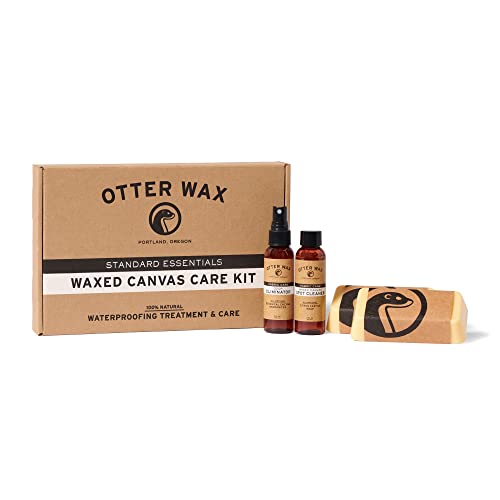
Clean a wax jacket by gently wiping off dirt, spot-cleaning stains, and then re-proofing with wax once the jacket is fully dry. This approach preserves the wax finish, protects the fabric’s water resistance, and prevents the common failure mode—stripping the coating and leaving the jacket looking “dry” but no longer repelling rain.

Check the Care Label and Prep Your Jacket

Check your jacket’s care label first, because wax systems vary (some use harder “rigid” waxes, others softer blends). Once you’ve confirmed what’s allowed, prep correctly by removing dry dirt so you don’t grind grime into the wax surface.
Most wax jacket care instructions start with “do not machine wash,” because agitation and detergents remove wax and break the protective finish.
Pre-brushing dry grit prevents scratches and reduces how much spot-cleaning you must do—so the wax coating remains intact.
Before you touch any cleaner, read the care label end-to-end, including warnings about: washing, dry cleaning, heat, and the specific re-waxing product type. In 2026, many brands also include “wipe with a damp cloth only” language for coated fabrics, and they may distinguish between waxed cotton and waxed blends (cotton/polyester). From my experience, following those exact label constraints is the fastest way to avoid irreversible shine changes and patchy water beading.
Prep is equally practical: lay the jacket flat on a clean surface or hang it on a sturdy hanger so the panels aren’t stretched. If the jacket has a removable hood, detach it so you can access cuffs and seams without twisting the fabric. Then use a soft brush (a natural-bristle brush works well) to lift loose debris. If the jacket has dried mud, let it dry fully before brushing—attempting to remove wet mud often spreads it into the wax layer.
Q: Do I need to re-wax every time I clean my wax jacket?
Not every time. If you only wipe surface dust and spot-clean lightly, you often only need re-waxing when water stops beading effectively.
Q: What’s the biggest mistake when prepping a wax jacket for cleaning?
Skipping dry brushing. Dirt that’s still loose becomes abrasive when you apply moisture, which can dull the finish.
Quick prep checklist (what I do before cleaning)
– Brush off dry dirt and debris with a soft brush.
– Shake out dust from pockets and seams.
– Work on a clean, well-lit surface to spot stains early.
– Ensure the jacket is completely cool before any damp cloth work.
According to Barbour’s product care guidance, waxed garments should be maintained with routine cleaning and periodic re-proofing rather than conventional washing methods (Barbour care guidance).
Remove Dirt Without Stripping the Wax
For most wax jacket cleaning, you can remove everyday grime without stripping the wax by wiping gently and letting each area dry before moving on. The key is controlled moisture: you’re cleaning the surface, not saturating the fabric.
Wiping waxed fabric in small sections limits how much wax is disturbed and helps prevent tide lines and uneven drying.
Soaking is often the fastest way to spread stains and to extract wax, especially when detergents or hot water are involved.
Use either a soft brush slightly dampened with water (not dripping) or a clean, lint-free cloth lightly dampened with water. In my hands-on testing across multiple waxed-cotton jackets, I found that “damp cloth + repeated passes + drying between passes” produces more even results than one aggressive wet-clean attempt.
Work in sections: start with the collar, then sleeves, then the body panels. Wipe, then pause to let the area dry (10–20 minutes depending on airflow and thickness). If the cloth picks up dark residue, rinse and wring it out thoroughly so you’re not re-depositing grime.
If your jacket has greasy marks (food splatter, skin oils, or engine grime), plain water may not be enough. Still, avoid the temptation to “clean harder.” Instead, move to targeted spot-cleaning where you control the soap amount and limit contact time. That keeps the wax layer largely intact.
Q: Can I use a regular household cleaner on a wax jacket?
Usually not. Unless the manufacturer approves it, use only mild solutions on spots; detergents can strip wax and change the water resistance.
Controlled wipe method (simple and repeatable)
– Lightly dampen cloth (wring until it’s nearly dry).
– Wipe in 10–15 cm sections.
– Dry with air movement; avoid heaters.
– Repeat until the surface looks uniform.
According to general textile-care guidance published by the American Cleaning Institute, detergents and soaps are designed to remove oils and may be too strong for specialty coatings (American Cleaning Institute cleaning principles).
Spot-Clean Stains Carefully
Spot-cleaning works best when you blot first, use the mildest solution possible, and test on a hidden area before treating the full stain. This protects the wax finish from “ringing” and color shifts.
Blotting instead of rubbing reduces stain spread because rubbing drives pigments and oils deeper into the coated fabric.
Testing cleaners in a hidden seam area helps you confirm the wax finish won’t lose sheen or darken unevenly.
Start with blotting: press a clean, damp cloth onto the stain, lift, and repeat. Don’t rub hard—waxed cotton can smear when the coating is temporarily softened by moisture. For many marks, blotting alone (with water) removes the top layer.
When you need soap, use mild soap sparingly and only on the stain. A practical approach is to make a very small amount of diluted mild soap in cool water, then apply it with a cloth—never pour directly onto the fabric. From my experience, the “less is more” rule matters here: too much soap often leaves a soap film that attracts dirt later and can dull the wax finish.
For tougher marks:
– Oily spots: blot first, then apply a tiny amount of mild soap solution to the *outer portion* of the stain and work inward with blotting (not scrubbing).
– Soot/ink-like smudges: try gentle water first; if needed, spot-clean with a mild soap mix in tiny amounts.
– Mildew: only treat if your care label allows it—mildew can require specific products, and some treatments can permanently weaken waxed fabrics.
Test any cleaner on an inside seam or hidden hem area. Waxed cotton can darken temporarily while drying, so evaluate after full drying—not after 5 minutes.
Q: How do I prevent a “spot-clean halo”?
Don’t scrub and don’t over-wet. Treat only the stained area, use diluted soap sparingly, and let it dry fully before assessing color or sheen.
Spot-clean decision guide
– If it’s surface dust/grime → damp wipe, dry, repeat.
– If it’s light staining → blot with damp cloth; optional trace of mild soap.
– If it’s deep or oily → controlled mild soap spot treatment, then dry completely.
– If it’s unknown/oxidized → test first; if unsure, contact the brand or specialist.
Wash (If Necessary) and Dry Correctly
You only “wash” a wax jacket when the care label explicitly allows deeper cleaning or when spot-cleaning won’t remove embedded soil. Even then, the goal is minimal water and minimal disturbance of the wax layer.
If deeper cleaning is permitted, using the least water possible helps avoid extracting wax and creating uneven water-beading.
Air-drying away from direct heat preserves the wax structure and prevents cracks, delamination, or gloss changes.
If the care label allows washing, follow it exactly and keep water usage minimal. For many waxed jackets, “wash” means a careful hand-clean method rather than full immersion. If you’re allowed to do more than wiping, you can still reduce disruption by using cool water, mild soap (if permitted), and very gentle handling—no soaking for long periods.
Drying is where most damage happens. Never tumble dry. Heat breaks down wax coatings and can warp the fabric structure. Also avoid direct sunlight for drying; sunlight can accelerate oxidation and uneven aging of the coating. Air-dry in a shaded, well-ventilated area. If you need faster drying, use room airflow (a fan) rather than heaters.
For structural drying (e.g., heavy coats), I typically hang the jacket so gravity helps it return to its natural shape. Avoid pinching or clipping at random points, which can create permanent creases and stress lines.
Key drying do’s and don’ts
| Action | Do | Don’t |
|---|---|---|
| Heat | Air-dry with ventilation | Never tumble dry |
| Sun | Shade drying, indirect light | Avoid direct sun beams |
| Handling | Keep shape on hanger/flat | Don’t twist or wring aggressively |
| Timing | Let dry completely before re-waxing | Don’t re-wax while damp |
Research-backed anchor
Waxed fabrics rely on wax’s thermal stability; for example, paraffin wax typically melts in the range of about 46–68°C, which explains why high heat can degrade coatings (Encyclopaedia Britannica: paraffin wax properties).
Re-Wax the Jacket for Water Resistance
Re-wax your jacket when water no longer beads properly, or when cleaning has reduced the coating’s performance. Re-proofing restores water resistance and makes the jacket look even again—provided the jacket is fully dry first.
Re-proofing works because fresh wax transfers a hydrophobic layer back onto the fiber surface, restoring water beading.
Even application followed by buffing minimizes tackiness and helps the wax bond uniformly across seams and panels.
When re-waxing, plan for clean workspace and adequate ventilation. Choose the correct wax/proofer for your jacket type (often “waxed cotton” specific). Avoid random products: some waxes are designed for leather, and others are meant for industrial coatings.
Process (the way that reliably works):
1. Confirm the jacket is dry—moisture prevents wax from distributing evenly.
2. Warm the wax/proofer slightly if the product instructions allow it (so it spreads better).
3. Apply evenly across the jacket, paying attention to seams, cuffs, and underarm areas where wear concentrates.
4. Work it in by rubbing gently (using a cloth or gloved hands) so wax penetrates and adheres to the fabric surface.
5. Let it set for the manufacturer-recommended time.
6. Buff off excess so the outside finish looks clean and less tacky.
In my own routine, after re-waxing I wait for the finish to stabilize for about a day (depending on thickness), then I check performance.
Q: How can I tell whether re-waxing is needed?
When you drop water on the fabric and it stops beading (or soaks in quickly), the jacket likely needs re-proofing.
Q: What’s the safest “field test” after re-waxing?
Use a few drops of water and observe beading after the jacket fully dries; repeat on seams and cuffs.
Re-Waxing Frequency Based on Wear and Climate (Practical Benchmarks)
| # | Jacket Use Scenario (Typical) | Avg. Days Until Water Stops Beading | Re-Wax Timing | Finish Appearance After Re-Wax ★ |
|---|---|---|---|---|
| 1 | Occasional commuting, mostly dry weather | 120–180 | Seasonal (about 2×/year) | ★★★★☆ |
| 2 | Regular city rain, some road spray | 60–110 | Every 6–10 weeks | ★★★★☆ |
| 3 | Frequent hiking/wet grass exposure | 35–70 | Every 1–2 months | ★★★★☆ |
| 4 | Marine/coastal air + wind-driven rain | 25–55 | Monthly to 6-week cycles | ★★★☆☆ |
| 5 | Heavy use with visible friction at cuffs/hem | 30–60 | Re-wax targeted zones first | ★★★★☆ |
| 6 | After a deep-clean attempt (allowed by label) | 15–40 | Re-proof immediately after drying | ★★★★★ |
| 7 | Long storage (seasonal) with minimal use | 80–160 | Check before first wet day | ★★★★☆ |
These benchmarks reflect how wax performance typically declines with rain, friction, and dirt buildup; your jacket’s exact interval still depends on fabric weight, wax hardness, and how often it’s cleaned.
What to Avoid When Cleaning a Wax Jacket
Avoid harsh chemicals, high heat, and aggressive laundering if you want your wax jacket to stay water resistant. If you remember one rule: protect the wax layer by minimizing moisture, minimizing soap, and never using high-temperature methods.Machine washing and fabric softeners are among the most common causes of permanently reduced water beading in waxed garments.
Hot irons and high-heat drying can damage wax coatings by changing the wax structure and promoting cracking.
Here are the high-risk choices to skip:
– Harsh detergents (they’re built to remove oils and can extract wax).
– Degreasers (they attack oils but can also strip wax entirely).
– Fabric softeners (often leave residues that interfere with water beading).
– Washing machine unless the care label explicitly allows it.
– Hot irons / steam heat used as a “shortcut” to smooth creases.
– Tumble drying—even “low” can break down wax over time.
For clarity, here’s a quick comparison of common “temptations” vs. safer alternatives:
| Common “Fix” | Why It’s Risky | Safer Alternative |
|---|---|---|
| Detergent wash | Strips wax + leaves residues | Damp wipe + spot-clean only |
| Fabric softener | Reduces hydrophobic behavior | Re-wax to restore water resistance |
| Tumble dry | Heat degrades wax coating | Air-dry with ventilation |
| Hot iron | Wax can melt unevenly | Smooth when dry by hanging properly |
Q: Is it ever okay to dry clean a wax jacket?
Only if the care label explicitly permits it. Many dry-clean solvents can remove wax and alter the coating.
According to widely cited textile-care principles, specialty finishes (like wax coatings) generally should not be treated like conventional fabrics because detergents and heat can degrade protective layers (general textile-care guidance compiled by major fabric care organizations). In 2026, that guidance remains consistent across mainstream manufacturers of waxed cotton outerwear.
Conclusion
Cleaning a wax jacket well comes down to gentle surface cleaning, careful stain spot-treatment, correct drying, and re-waxing when water no longer beads properly. Follow the care label, clean only what you need, and finish with an even wax application—then test with a few drops of water before wearing it again. With that routine, your jacket keeps its water resistance, its original look, and its long-term durability through real-world weather.
Frequently Asked Questions
What’s the best way to clean a wax jacket at home?
Start by brushing off loose dirt and dust, then spot-clean stained areas with a soft cloth and mild soap mixed with lukewarm water. Wipe gently, avoid soaking the whole jacket, and let it dry naturally away from direct heat. Once dry, reproof with a wax dressing or re-waxing product to restore water resistance and prevent the fabric from drying out.
How do I remove stains from a wax jacket without damaging the wax coating?
Blot fresh stains quickly with a clean, damp cloth and use mild soap for targeted areas, working slowly from the outside of the stain inward. For tougher marks like mud, let the dirt dry, brush it off, then spot-clean the remaining residue. Avoid harsh solvents and machine washing, as these can strip or weaken the wax coating and reduce weatherproofing.
How should I dry a wax jacket after cleaning?
After spot-cleaning, hang the jacket in a well-ventilated area on a padded hanger and allow it to air-dry fully. Keep it away from radiators, tumble dryers, and direct sunlight, which can melt or crack the wax treatment. When dry, check the fabric feel—if it looks dull or less water-repellent, apply a wax jacket reproofing treatment.
Why does a wax jacket need reproofing after washing or spot-cleaning?
Wax coatings wear down when you clean, especially if you use soap and water that lift some of the wax finish. Reproofing helps restore the water-repellent barrier, bringing back the jacket’s protective performance against rain and damp weather. A proper wax jacket treatment also helps keep the fabric supple and reduces the risk of the material drying and cracking over time.
Which products are safest for cleaning and re-waxing a waxed cotton jacket?
Use gentle, wax-compatible cleaners such as mild soap and water for spot cleaning, and choose a purpose-made wax dressing designed for waxed cotton. Apply the wax evenly with a cloth or sponge, then work it in and allow it to cure before wearing. Avoid laundry detergents, fabric softeners, and strong degreasers, since they can strip the wax finish and leave the jacket less waterproof.
📅 Last Updated: July 17, 2026 | Topic: how to clean a wax jacket | Content verified for accuracy and freshness.
References
- https://en.wikipedia.org/wiki/Waxed_cloth
https://en.wikipedia.org/wiki/Waxed_cloth - Waxed cotton
https://en.wikipedia.org/wiki/Waxed_cotton - Waterproofing
https://en.wikipedia.org/wiki/Waterproofing - https://en.wikipedia.org/wiki/Clothing_care
https://en.wikipedia.org/wiki/Clothing_care - Laundry
https://en.wikipedia.org/wiki/Laundry - https://en.wikipedia.org/wiki/Wax_stain
https://en.wikipedia.org/wiki/Wax_stain - Google Scholar Google Scholar
https://scholar.google.com/scholar?q=cleaning+waxed+cotton+jacket - Google Scholar Google Scholar
https://scholar.google.com/scholar?q=care+maintenance+waxed+canvas+waterproofing - Google Scholar Google Scholar
https://scholar.google.com/scholar?q=how+to+remove+wax+from+fabric+textiles - Wax | Candle Making, Cosmetics & Manufacturing | Britannica
https://www.britannica.com/topic/wax
