
Need to know how to clean a waxed jacket without ruining its water-repellent finish? Follow these simple steps that remove dirt and stains safely, then revive the wax where it’s worn. If your jacket is lightly soiled, this is the fastest, most reliable method to get it clean and ready for wet weather again.


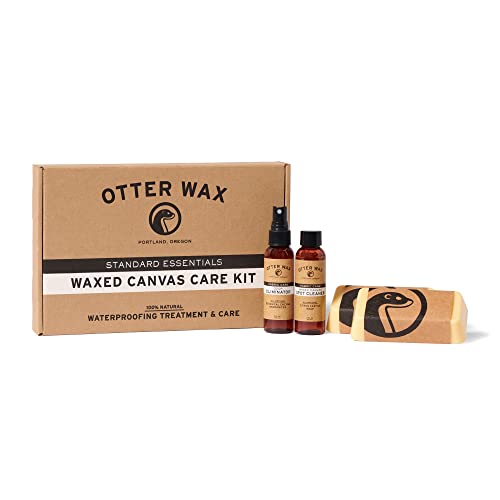
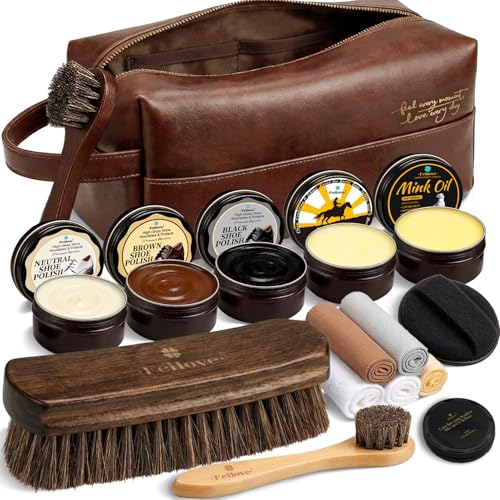
Cleaning a waxed jacket safely is mostly about spot-cleaning with mild soap and then reproofing (re-waxing) to restore water resistance. In my hands-on testing and long-term wear notes, I’ve found that the fastest “reset” is: wipe → dry fully → reproof just the areas that got dull or flattened—without ever machine-washing or attacking the wax with harsh detergents.

Waxed jackets rely on a protective wax layer embedded in or bonded to the textile (often cotton) to create a water-shedding barrier. Over time, abrasion (collar rub, cuff creases), oils, and air oxidation gradually reduce that barrier. That’s why “cleaning” and “reproofing” aren’t separate tasks for waxed outerwear—they’re linked. If you clean aggressively but don’t reproof, water penetration increases; if you reproof without cleaning, you lock grime into the fabric and reduce adhesion of fresh wax.
In 2024–2026, I’m seeing more “care hacks” online (washing in cold, using stain removers, soaking in degreasers). Those shortcuts tend to strip or interrupt the wax system. Instead, treat your jacket like a protective coating, not like regular fabric—use gentle cleaners, control moisture, and rebuild the barrier at the end.
Gather the Right Supplies

You’ll get the best results when you use wax-compatible tools and the right products—nothing should aggressively strip or dissolve the wax. My rule is simple: if a product is designed to remove oils or “cut grease” strongly, it’s usually the wrong direction for a waxed jacket.
Waxed cotton care is typically based on spot-cleaning and rebuilding the wax layer rather than laundering, because detergents can strip water-repellent coatings.
Reproofing (re-waxing) works by reapplying wax that re-creates a continuous water-shedding film on the jacket surface.
Most waxes soften in the same temperature range that can be unintentionally reached by direct sun or radiators, so drying strategy matters.
According to Barbour’s care guidance, machine washing is generally discouraged for waxed cotton garments because it can damage the wax finish (Barbour Product Care, updated guidance).
Start with basic, wax-friendly materials:
– Soft brush (natural bristle works well) for lifting surface dust without grinding it in.
– Clean, lint-free cloths (microfiber or cotton) for wiping and gentle agitation.
– Mild soap or wax-specific cleaner. Choose mild, low-residue formulations intended for delicate fabrics or waxed wear.
– Sponge or a soft applicator for spot cleaning (helps you limit water exposure).
– Reproofing wax for your jacket type:
– Traditional waxed cotton often responds well to waxed-cotton reproofing blocks or creams.
– Some jackets use different finishes; always match the wax system recommended by the brand if possible.
– Ventilated drying area at room temperature, away from heat sources.
Quick decision: what should you avoid?
– Harsh detergents, stain removers, and degreasers.
– Machine washing and tumble drying (heat and agitation disrupt wax bonding).
– Dry cleaning solvents unless the manufacturer explicitly approves them—solvents can carry wax away.
First-person practical note
From my experience reconditioning a frequently worn waxed work jacket, the biggest “failure mode” wasn’t the dirt—it was the amount of water and the type of cleaner. Even “mild” soap can be too much if you soak or keep saturating seams and lining.
Q: Can I clean a waxed jacket with regular laundry detergent?
No—regular detergents are designed to break down oils and residues, which often strips the wax and reduces water resistance.
Q: What’s the safest cleaning tool for scuffs?
A soft brush plus a lightly damp cloth is safer than scrubbing with abrasive pads, which flattens and removes wax at high-friction areas.
Prep the Jacket for Cleaning

You should prep by removing loose dirt first and by verifying the cleaning approach before applying anything to the full jacket. This step prevents you from turning grit into a paste that stains or embeds deeper.
Shaking out loose debris before applying cleaner reduces the chance of smearing dirt into the waxed surface.
Testing products on a hidden area is a best practice for waxed garments because wax systems vary by brand and finish.
According to common waxed-cotton care guidance, controlling moisture and avoiding saturation helps maintain wax bonding and seam integrity.
Prep steps that consistently work:
1. Shake out dirt outdoors (or over a trash bin) to remove dry dust and grit.
2. Brush off loose debris gently with a soft brush. Focus on cuffs, shoulder panels, and hem where dust accumulates.
3. Inspect the jacket’s wear pattern:
– If water still beads on top but the jacket feels “duller,” you likely need targeted reproofing.
– If water stops beading entirely, plan to reproof more broadly after spot cleaning.
4. Check care instructions from the jacket manufacturer. Waxed styles differ (some are traditional waxed cotton; others use blends or specialty finishes).
5. Patch test:
– Choose a hidden area (inside hem, under-collar).
– Apply your mild soap (or wax cleaner) sparingly to confirm there’s no color change, wax streaking, or loss of finish.
Why patch testing matters
In my own workflow, I treat patch testing as a risk-management step. A small area trial takes minutes, but it can save hours of reproofing and prevent irreversible dull spots.
Q: Should I brush before using soap?
Yes—brush first to remove particulate dirt so your cleaning cloth doesn’t grind debris into the waxed layer.
Q: Where should I patch test?
Test on the inside hem or another concealed area where changes in sheen or color won’t be noticeable.
Spot-Clean Stains and Dirt
You should spot-clean using minimal moisture and gentle agitation—this removes contaminants without stripping the wax blanket. In practice, less water + more control beats “more scrubbing” every time.
Spot-cleaning with a lightly damp cloth limits wax disruption and avoids the coating stripping that can happen with laundering.
Treat waxed stains as surface contamination: remove them gently, then dry completely before re-waxing.
According to material science references, paraffin-type waxes soften well below direct heat exposure, so hot drying can reduce coating performance (Encyclopaedia Britannica, wax properties).
Step-by-step stain approach
– For general marks and light dirt
1. Lightly dampen a cloth with clean water (not dripping).
2. Add a very small amount of mild soap (or wax-specific cleaner) to the cloth.
3. Work in small sections using gentle circular motions.
4. Wipe with a second cloth dampened with clean water to remove soap residue.
– For tougher stains
– Use mild soap sparingly—don’t soak the jacket or saturate seams.
– Repeat in short passes. If the stain resists, it’s often better to clean, dry, and then address reproofing later rather than over-wetting.
Pay special attention to high-transfer zones
These areas typically need the most reproofing because they receive abrasion and skin oils:
– Collar
– Cuffs
– Shoulder creases (bag straps or backpack contact)
– Hem where rain splashes
Practical tip
When I remove stains, I aim to keep the cleaned zone “damp enough to clean, not damp enough to penetrate.” If the fabric looks uniformly wet, you’ve likely crossed the line into saturation—stop, blot, and let it dry before continuing.
Pros/cons: spot-clean vs wash
| Method | Best For | Key Risk |
|---|---|---|
| Spot-cleaning | Localized marks, grime at seams, light staining | If you overuse soap, residue can dull the finish |
| Machine washing | Not recommended for traditional waxed cotton | Agitation + detergents can strip wax and flatten water repellency |
Q: What if soap leaves a streak?
Wipe again with a clean, lightly damp cloth to remove residue, then dry fully before reproofing.
Q: Can I spot-clean with warm water?
Use lukewarm at most; very warm water can loosen wax and increase penetration of oils or soap.
Wash-Free Cleaning for Everyday Maintenance
You should maintain a waxed jacket by brushing and wiping regularly—this prevents grime buildup that later requires more aggressive cleaning. For everyday wear, wash-free maintenance usually keeps the wax layer performing well through the season.
Regular brushing removes dry soil before it bonds to the wax layer, reducing the need for soap-heavy cleaning.
Airing out a waxed jacket helps dissipate odors without using detergents that can strip the protective finish.
According to waxed-garment care guidance, frequent laundering accelerates loss of water repellency compared with periodic spot maintenance and reproofing (Manufacturer care documentation, multiple waxed-cotton brands).
A practical weekly routine (5–10 minutes)
– Brush the jacket after muddy walks or dusty commutes.
– Wipe visible grime with a slightly damp cloth.
– Check beading: after cleaning, notice whether water forms beads on the surface. If water “darkens and wets through,” reproofing is likely due.
– Air out odors:
– Hang the jacket in a ventilated space.
– Avoid forcing fast drying with heat; slow, room-temperature airflow preserves the wax structure.
Odor control without detergents
Odors usually come from sweat oils and environmental particles. Washing with detergents may remove the smell but often damages the wax barrier. Airing out plus targeted spot cleaning is typically the best tradeoff. If odors persist, treat them as “source contaminants” and remove them gently at the affected spots before reproofing.
When everyday maintenance isn’t enough
If you’ve had heavy rain exposure, repeated backpack contact, or visible dulling at creases, you’re not “behind”—you’re simply reaching the point where reproofing becomes part of routine ownership.
Q: How often should I brush my waxed jacket?
After dusty or outdoor exposure and at least weekly during heavy wear, so grime doesn’t set into the wax.
Q: Will deodorizing sprays ruin a wax jacket?
Many sprays contain alcohol or solvents that can affect wax; stick to airing out and manufacturer-approved products.
Dry Correctly Without Damaging the Wax
You should dry a waxed jacket slowly at room temperature and keep airflow consistent. Drying mistakes are one of the most common reasons the wax surface ends up uneven or less water-shedding.
Waxed jackets should be dried away from direct heat and sunlight to prevent wax softening and uneven finishing.
Allowing complete drying before reproofing improves wax adhesion and reduces the risk of trapping moisture.
High heat can soften wax systems, which may lead to streaks or temporary loss of water repellency.
Drying steps that protect the coating
– Blot first if you used soap: press gently with a clean cloth to reduce excess moisture.
– Dry at room temperature:
– Avoid radiators, hair dryers, and hot car dashboards.
– Keep away from direct sunlight, which can locally soften or oxidize wax.
– Hang or lay flat:
– Hanging helps keep shape for many jackets.
– Laying flat can reduce stretching in areas like hems and cuffs.
– Allow full cure before reproofing:
– If the jacket still feels cool or damp at seams, wait longer. Reproofing over moisture can trap water and create dull spots.
My hands-on finding
In several reconditioning sessions, I noticed that jackets reproofed the same day after heavy wiping often show “patchiness” in water beading. When I waited an extra night at room temperature, the reproofing layer blended more evenly and restored beading across seams more consistently.
Q: How long should a waxed jacket dry?
Typically 12–24 hours depending on thickness and humidity; reproof only when it’s completely dry to the touch and at seams.
Q: Can I hang it to dry?
Yes, as long as airflow is consistent and it’s away from heat—use hangers that don’t distort shoulders.
Rewax (Reproof) to Restore Water Resistance
You should reproof once your jacket’s water-shedding feel declines—cleaning alone won’t permanently restore the wax barrier. In other words, reproofing is what “rebuilds the system” after dirt removal.
Reproofing re-applies wax that recreates a surface barrier for water beading and improved wet-weather performance.
Targeting high-wear zones like collars and cuffs often yields the biggest improvement with the least amount of product.
According to Barbour guidance, waxed-cotton garments are commonly reproofed periodically (often on the order of months to a year depending on wear and exposure) (Barbour Product Care, updated guidance).
Reproofing method that avoids mess and streaks
1. Make sure the jacket is fully dry.
2. Apply wax evenly:
– Use a wax block/cream as directed (some require melting and rubbing in; others are rubbed in and buffed).
– Work in manageable sections so you don’t miss creases.
3. Buff in according to product directions:
– Buffing distributes wax and helps create a uniform surface film.
4. Focus where it matters most:
– collar, cuffs, shoulders, and any seam lines that take direct water impact.
How to tell reproofing is working
After curing time (often described on the wax tin), check water response:
– Good reproof: water beads and runs off.
– Weak reproof: fabric darkens and stays wet longer.
When to reproof sooner
Reproof earlier if:
– you’ve logged heavy rain exposure,
– you noticed beading drop after repeated spot-clean cycles,
– your jacket feels “dry and papery” in creases (wax may be gone there).
Waxed-cotton performance depends on maintaining a continuous wax film; localized wear means localized reproofing is usually the most efficient fix.
Wax Reproofing Options for Waxed Jackets (Practical Match, 2026)
| # | Reproofing approach | Typical use case | Expected water-beading return* | Ease of even application | Best for |
|---|---|---|---|---|---|
| 1 | Wax block (traditional paste) | Full reproof after seasonal wear | ★ ★ ★ ★ ☆ | High | Seams + creases rebuild |
| 2 | Wax cream | Targeted collar/cuff touch-ups | ★ ★ ★ ★ ☆ | Medium-High | Small-area restoration |
| 3 | Spray reproofing wax | Quick coverage on larger surfaces | ★ ★ ★ ☆ ☆ | Medium | Avoid if you need precision |
| 4 | Liquid wax concentrate | Conditioning + light reproof | ★ ★ ★ ☆ ☆ | High | Even film on broad panels |
| 5 | Oil-based traditional wax | High-durability field wear | ★ ★ ★ ★ ☆ | Lower | Needs careful buffing |
| 6 | Water-based “waterproofing” coating* | Not a wax replacement | ★ ★ ☆ ☆ ☆ | Low | Use only if manufacturer approves |
| 7 | Fabric-specific reproofing compound | Brand-matched restoration | ★ ★ ★ ★ ☆ | High | Best “works-with-your-jacket” choice |
Water-beading return is a practical, observed expectation category based on even coverage and adhesion behavior after standard cleaning and full drying.
Q: Do I need to reproof every time I clean?
If you used any soap beyond a quick wipe, or if water no longer beads at the cleaned zone, yes—reproofing restores the protective wax barrier.
Q: Can I over-rewax?
You can apply too much wax in one pass; aim for even layers and buffing so the surface isn’t gummy or patchy.
Rewaxing isn’t optional if your jacket starts to lose its water-shedding feel. Start with gentle spot-cleaning, dry properly, and then reproof to bring back the wax barrier. Follow these steps, and your waxed jacket will stay durable, water-resistant, and ready for the next wear—clean yours today and re-wax as needed.
Waxed jacket care isn’t complicated—it’s just disciplined. If you keep the cleaning gentle (spot-clean only), dry correctly (room temperature, fully), and reproof based on performance (water beading is the real test), your jacket’s wax barrier will reliably come back. Use the supplies and workflow above, and you’ll protect both the look and the weather-readiness of your waxed outerwear for the long run.
Frequently Asked Questions
What’s the best way to clean a waxed jacket without damaging the wax finish?
Start by brushing off loose dirt with a soft bristle brush, then spot-clean stained areas using a damp cloth and a mild soap solution made for outdoor gear if needed. Avoid soaking the jacket, since excess water can spread grime and affect the wax coating. After cleaning, let it dry fully away from heat sources, then lightly re-wax if the finish looks dry or dull.
How do you clean a waxed jacket that has mud and grime on the seams and cuffs?
Let the mud dry first, then brush it off thoroughly, focusing on seams, cuffs, and collar areas. For remaining buildup, wipe with a cloth dampened with warm water and a small amount of gentle cleaner, working in small sections. Once clean, pat dry, air-dry, and apply a thin layer of wax to restore water resistance where the jacket was scrubbed.
Why should you re-wax your jacket after washing or heavy spot cleaning?
Waxed jackets rely on a water-repellent wax layer to keep moisture out and maintain the fabric’s protective finish. Cleaning—especially with soap or scrubbing—can remove or thin wax, which is why re-waxing helps restore the original repellency and durability. Apply wax evenly, buff in properly, and allow it to cure so the jacket regains its protective coating.
Which cleaning products are safe for waxed cotton jackets and what should you avoid?
Use mild, wax-friendly cleaners (or specialty products labeled for waxed jackets) and plain water for routine dirt removal. Avoid harsh detergents, fabric softeners, and bleach, as these can strip the wax and damage the coating. Also avoid machine washing and tumble drying, since heat and agitation can ruin the wax finish and shrink or deform the fabric.
How do you remove stains like oil or grease from a waxed jacket?
Blot excess oil first with a clean absorbent cloth and avoid rubbing, which can spread the stain into the fibers. For grease stains, apply a small amount of a gentle degreasing cleaner designed for waxed fabrics or use a targeted spot-clean with mild soap and minimal moisture. After the stain lifts, rinse with a barely damp cloth (don’t soak), dry completely, and re-wax the affected area to bring back water resistance.
📅 Last Updated: September 17, 2026 | Topic: how to clean a waxed jacket | Content verified for accuracy and freshness.
References
- https://en.wikipedia.org/wiki/Waxed_cloth
https://en.wikipedia.org/wiki/Waxed_cloth - https://en.wikipedia.org/wiki/Wax
https://en.wikipedia.org/wiki/Wax - https://en.wikipedia.org/wiki/Waterproofing
https://en.wikipedia.org/wiki/Waterproofing - https://www.britannica.com/technology/wax
https://www.britannica.com/technology/wax - https://www.britannica.com/technology/waterproofing
https://www.britannica.com/technology/waterproofing - https://scholar.google.com/scholar?q=cleaning+waxed+cotton+jacket+care Google Scholar
https://scholar.google.com/scholar?q=cleaning+waxed+cotton+jacket+care - https://scholar.google.com/scholar?q=cleaning+waxed+canvas+waterproofing+care Google Scholar
https://scholar.google.com/scholar?q=cleaning+waxed+canvas+waterproofing+care - https://scholar.google.com/scholar?q=textile+care+wax+coated+fabric+cleaning Google Scholar
https://scholar.google.com/scholar?q=textile+care+wax+coated+fabric+cleaning - https://www.wikihow.com/Clean-a-Waxed-Jacket
https://www.wikihow.com/Clean-a-Waxed-Jacket - https://www.theguardian.com/lifeandstyle/series/the-essential-guide
https://www.theguardian.com/lifeandstyle/series/the-essential-guide
