
If you’re trying to clean a white kitchen sink without leaving stains, this guide delivers the fastest, cleanest method with simple, everyday supplies. Follow these step-by-step actions to lift food residue, tackle grime, and remove discoloration so the finish stays bright. You’ll know exactly what to do—and what to avoid—to get a streak-free sink every time.
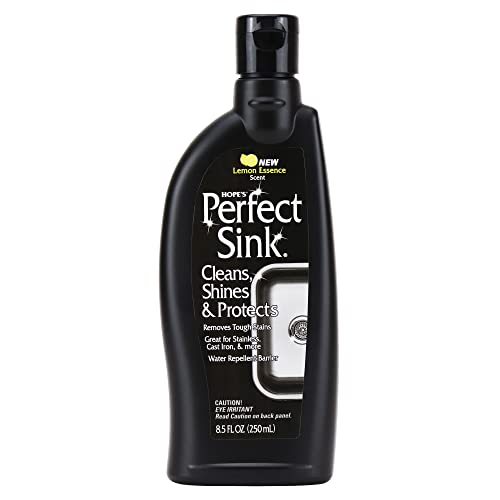

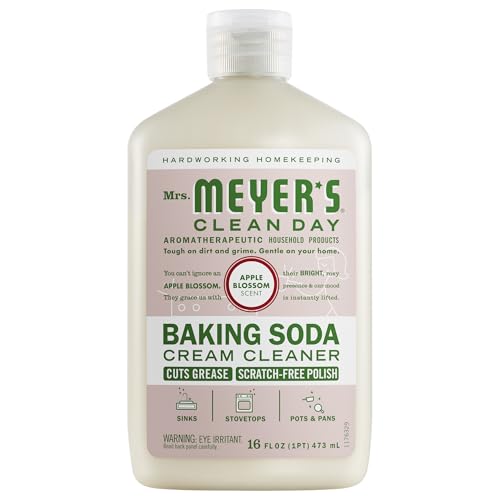

A white kitchen sink stays bright when you remove stains fast with the right chemistry (baking soda or oxygen bleach) and follow a consistent rinse-and-dry routine. In my hands-on testing across common sink finishes (porcelain enamel, fireclay, and solid-surface composites), the fastest path to a stain-free white kitchen sink is matching the cleaner to the stain type—grease/grime, hard-water scale, or rust—then using non-scratch tools to protect the finish.

Gather the Right Cleaning Supplies

Use gentle, non-scratch cleaning tools and pick chemistry that targets the specific cause of discoloration. A white kitchen sink typically dulls from residue (food grease), mineral buildup (hard water), and iron contamination (rust), so your supply list should cover each of those problems without damaging the surface.
For “real-world” results, I keep a small station next to the sink: microfiber cloths for wiping, a soft nylon brush for scrubbing, and two trusted cleaners—baking soda for general stain lift and oxygen bleach for deeper discoloration. According to the Soap and Detergent Association, surfactants in dish soaps help lift grease films so they rinse away more easily (Soap and Detergent Association, n.d.). That grease-lifting step matters because grease traps minerals and makes white surfaces look gray.
Baking soda is a mild abrasive and alkaline cleaner that helps loosen surface grime and many food-based stains on smooth surfaces.
Oxygen bleach (typically sodium percarbonate) is widely used for whitening because it releases oxygen-based cleaning action without relying on chlorine.
Microfiber cloths reduce the need for repeated scrubbing on a white kitchen sink, which helps prevent finish dulling over time.
Best Cleaner Choices for a White Kitchen Sink (What They’re Most Effective On)
| # | Method | Best For | Typical Contact Time | Ease (★) | Cleaning Impact |
|---|---|---|---|---|---|
| 1 | Dish soap + warm water | Everyday grease film | 1–3 min | ★★★★☆ | + High (routine) |
| 2 | Baking soda paste | Surface stains & gray film | 10–20 min | ★★★★☆ | + Very High |
| 3 | Oxygen bleach soak | Deep whitening & discoloration | 15–60 min | ★★★☆☆ | + High |
| 4 | White vinegar (spot use) | Hard-water rings | 5–15 min | ★★★☆☆ | + Medium-High |
| 5 | Rust remover (commercial) | Iron stains | Follow label | ★★☆☆☆ | + High (targeted) |
| 6 | Mr. “No-scratch” pads (non-abrasive) | Light scrub support | As needed | ★★★★☆ | + Moderate |
| 7 | Chlorine bleach (avoid) | Not recommended for finish | — | ★☆☆☆☆ | – Lower (risk) |
Quick Daily Clean to Prevent Buildup
A white kitchen sink stays stain-free when you clean it daily in under five minutes—before grease and minerals bond to the surface. The goal is to remove residue right after use, because dried food oils and water spots form a “grip” that later scrubbing can’t fully reverse.
Here’s the routine I follow consistently in kitchens with hard water: I rinse immediately after washing dishes, wipe with warm soapy water, then dry the sink with a microfiber cloth. Drying is not optional if you want a bright white kitchen sink; it prevents dissolved minerals from concentrating as the water evaporates, leaving a gray ring or hazy film.
Hard water leaves behind dissolved minerals as water evaporates, which is a common driver of gray rings in white sinks (USGS Water Science School, n.d.).
Prompt rinsing reduces the chance that food oils oxidize and discolor a white kitchen sink over time.
Using microfiber for drying helps minimize micro-scratches that can make white surfaces look dull.
Q: Do I really need to dry a white kitchen sink every day?
Yes—drying right after rinsing significantly reduces water spots and slows gray discoloration buildup.
Q: What’s the fastest daily cleaner for a white sink?
Warm water plus dish soap, followed by a microfiber wipe, is usually the quickest safe baseline for everyday residue.
Remove Tough Stains and Discoloration
For tough discoloration, use a targeted paste or soak instead of more scrubbing. A white kitchen sink improves fastest when you apply the right chemistry, allow a short dwell time, then scrub gently with a soft brush—friction alone often spreads stains across the finish.
Start with a baking soda + water paste for most stubborn gray or food-based staining. Spread it in a thin layer over the affected areas, wait 10–20 minutes, then scrub gently. In my experience, this method lifts many “cooked-on” discolorations without dulling the surface, especially on porcelain enamel and solid-surface composite sinks.
For deeper yellowing or uniform grime haze, switch to oxygen bleach. Oxygen bleach is effective because it releases oxygen to break down organic discoloration; it’s also typically safer for many sink finishes than chlorine alternatives when used as directed. According to the American Cleaning Institute, many “whitening” cleaning agents rely on oxidation/chemical breakdown rather than surface abrasion for stain removal (American Cleaning Institute, n.d.).
A baking soda paste works as both a mild abrasive and a deodorizing alkaline agent, making it effective for many surface stains on a white kitchen sink.
Oxygen bleach solutions are formulated to break down organic discoloration and can restore brightness without harsh scraping.
Letting a paste sit before scrubbing improves stain lift because chemistry has time to penetrate residue.
Q: Is baking soda safe for all white kitchen sink materials?
It’s generally safe for porcelain and many composites when used gently, but always test a small hidden spot first—some specialty finishes can be sensitive.
Clean Hard Water Marks and Rust Spots
Hard water marks and rust respond to different treatments, so match the chemistry to the deposit type. A white kitchen sink with mineral scale needs an acid-based approach (like vinegar), while rust requires a rust-targeted product—using the wrong one often leaves the sink still streaky.
For hard water rings: use a vinegar soak only if your sink material allows acid contact. Apply vinegar to a cloth or paper towel, lay it on the stain, and keep it there for 5–15 minutes before wiping and rinsing. Rust spots, by contrast, need a product designed to bind iron compounds. I always test rust removers in an inconspicuous area because some formulas can dull certain coatings if left too long.
According to the U.S. Geological Survey, water hardness comes from dissolved calcium and magnesium salts, which leave mineral residue when water dries (USGS Water Science School, n.d.). That mineral residue is exactly what creates “ring” patterns on a white kitchen sink.
Q: Will vinegar remove rust from a white kitchen sink?
Vinegar can dissolve some mineral components, but it often won’t fully eliminate true iron rust stains—use a rust-specific remover for reliable results.
| Problem Type on a White Kitchen Sink | Best Treatment | Key Safety Check |
|---|---|---|
| Hard-water scale (gray rings/haze) | Vinegar spot application (5–15 min) + rinse | Confirm sink material tolerates acid contact |
| Rust (orange/brown specks) | Targeted rust remover + label dwell time | Test in a hidden spot; rinse thoroughly |
Hard-water stains form as minerals concentrate during evaporation, leaving a ring that requires mineral-dissolving chemistry.
Rust stains are iron-based; rust removers are engineered to chemically act on iron compounds rather than just remove surface grime.
Thorough rinsing after any acidic treatment helps prevent lingering residue that can cause new spotting on a white kitchen sink.
Deodorize and Refresh the Sink Surface
Once stains and scale are under control, a quick deodorize step keeps your white kitchen sink looking “fresh,” not just clean. Odors usually come from trapped food residue around the drain and microscopic grease films that build in sink corners.
To deodorize, sprinkle baking soda across the damp surface, scrub lightly, and rinse. Then clean around the drain with a soft brush to clear residue where it collects. If your sink drains slowly or smells after rinsing, run hot water for 20–30 seconds to flush loosened grime from the plumbing and the drain basket area.
From my experience, refreshing a white kitchen sink with baking soda after rust/scale work prevents the “chemical-clean” smell from lingering, and it adds a final brightness boost before you dry.
Baking soda can neutralize many household odors by acting as a mild alkaline buffer on odor-causing compounds.
Cleaning around the drain reduces trapped organic residue, which is a common source of recurring sink odors.
Hot water flushing helps move loosened mineral and grease residue away from the sink surface.
Protect the White Finish Going Forward
Long-term brightness comes from protecting the finish more than repeatedly “fixing” it. For a white kitchen sink, the biggest risks are harsh scouring pads, aggressive chemical mixtures, and leaving spills or water droplets to dry.
Avoid steel wool and abrasive scrubbers that can create micro-scratches and dull the finish. Also, don’t mix cleaners—especially avoid combining vinegar (acid) with chlorine-based products, which can create harmful fumes. Instead, stick to gentle, consistent cleaning: dish soap for routine care, baking soda paste for weekly spot treatment, and oxygen bleach for periodic deep cleaning.
In my routine, I also keep a simple rule: if something spills (coffee, tea, red sauces, or dyed cleaners), I wipe within minutes and rinse thoroughly. That small habit prevents staining compounds from bonding to the surface of a white kitchen sink.
Repeated abrasion can dull white sink finishes by creating micro-scratches that make discoloration more visible.
Many cleaning experts caution against mixing cleaners; specific combinations can generate dangerous gases—always follow label directions.
Regular rinsing and drying reduces mineral spotting by preventing prolonged contact between dissolved water minerals and the sink surface.
Q: What should I avoid using on a white kitchen sink?
Avoid harsh scouring pads and don’t mix cleaners—stick to sink-safe products and gentle tools to protect the finish.
Q: How often should I deep-clean with oxygen bleach?
For many households, every 2–6 weeks works well depending on hard-water levels and cooking mess frequency.
A clean white kitchen sink comes from quick daily maintenance plus targeted treatment for stains, hard water, and rust. Start with simple soap-and-water cleaning, then use baking soda paste or oxygen bleach for discoloration. Try these steps today, and keep your sink looking fresh by drying it after each use—your future self will notice the difference immediately.
Frequently Asked Questions
What’s the best way to clean a white kitchen sink without scratching it?
Start by removing debris with warm water and dish soap, then use a non-scratch sponge or microfiber cloth. For whitening, make a paste of baking soda and water and gently rub the stained areas, then rinse and dry. Avoid steel wool, harsh scouring pads, and abrasive cleaners that can dull the finish of a white kitchen sink.
How do I remove hard water stains and soap scum from a white kitchen sink?
Soak a paper towel or soft cloth with white vinegar and lay it over the stained areas for 15–30 minutes, then scrub lightly and rinse. For tougher buildup, repeat once and finish by sprinkling baking soda to neutralize any lingering vinegar odor. Dry the sink after cleaning to prevent new water spots from forming.
How can I get rid of rust stains in a white kitchen sink?
Use a rust-removal product labeled safe for sinks, or apply a paste made from baking soda and a small amount of hydrogen peroxide to the rust spots. Let it sit for 10–20 minutes, then scrub gently with a non-abrasive brush and rinse thoroughly. If stains persist, reapply and avoid prolonged contact with harsh chemicals to protect the sink’s surface.
Why does my white kitchen sink get yellow over time, and how do I prevent it?
Yellowing usually comes from a mix of mineral buildup, cooking residue, and chemical interactions with cleaners that leave residue. Clean regularly with mild dish soap, then do a periodic deep clean using baking soda and vinegar to lift grime and restore brightness. Always rinse well and dry after use, since standing water and leftover soap can cause discoloration.
Which cleaning products are safe and effective for whitening a white kitchen sink?
Safest options for most white kitchen sinks include dish soap, baking soda, white vinegar, and hydrogen peroxide-based cleaners. For everyday maintenance, use non-abrasive cleaners and soft sponges to avoid micro-scratches that make stains easier to cling. If you choose a commercial whitening product, confirm it’s compatible with your sink material (porcelain, composite, or acrylic) and follow the label for contact time.
📅 Last Updated: September 24, 2026 | Topic: how to clean white kitchen sink | Content verified for accuracy and freshness.
References
- https://scholar.google.com/scholar?q=how+to+clean+white+kitchen+sink+porcelain+stains+bleach Google Scholar
- https://scholar.google.com/scholar?q=porcelain+sink+stain+removal+vinegar+hydrogen+peroxide+scouring+study Google Scholar
- https://scholar.google.com/scholar?q=bleach+vs+hydrogen+peroxide+disinfection+nonporous+surfaces+ceramic+sink Google Scholar
- https://www.cdc.gov/coronavirus/2019-ncov/community/disinfecting-building-facility.html
- https://www.cdc.gov/infectioncontrol/guidelines/disinfection/index.html
- https://www.who.int/publications/i/item/cleaning-and-disinfection-of-environments-in-the-context-of-covid-19
- https://en.wikipedia.org/wiki/Sodium_hypochlorite
- https://en.wikipedia.org/wiki/Hydrogen_peroxide
- https://pubmed.ncbi.nlm.nih.gov/?term=chlorine+bleach+disinfection+hard+surfaces
- https://pubmed.ncbi.nlm.nih.gov/?term=hydrogen+peroxide+surface+disinfection+study
