

You can clean a wooden shoe rack with mayonnaise safely and actually get results—if you use it correctly and stop before it turns sticky. This guide answers whether mayonnaise is a safe choice for removing grime and light scuffs on wood, and shows the exact steps to protect the finish. Follow the method and you’ll lift dirt without soaking the rack or leaving residue behind.
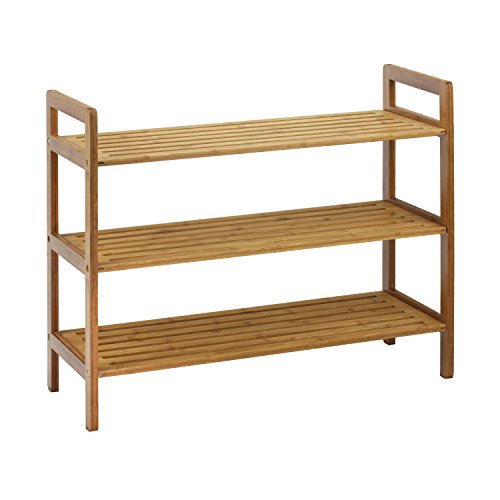



Clean a wooden shoe rack with mayonnaise by using it as a short, controlled spot treatment for scuffs or sticky buildup—then wipe it off completely and finish with a gentle wood-safe clean and thorough drying. Mayonnaise’s oil-based emulsion can help loosen tacky residue, but leftover mayonnaise can turn into an oily film that attracts dirt or leaves lingering odor.
Who this is for / when it applies

This approach is best for wooden shoe racks with surface grime—like fingerprints, shoe-dust buildup, or mild sticky marks.
– Use it only when your rack looks sealed/finished (paint, varnish, polyurethane, or a clear topcoat).
– Skip it on raw/unfinished wood or whenever you’re not sure what finish is on the rack.
If your shoe rack’s surface feels “protected” (no open grain and no obvious water-darkening spots), mayonnaise spot cleaning can be a reasonable, low-cost tactic in 2026—especially when you’re dealing with residue that wipes unevenly with dry cloth alone. The key is that you’re treating the finish layer (the topcoat) rather than letting oils and acids sit in bare wood.
Mayonnaise is an oil-in-water emulsion, so it can soften some sticky surface films before you wipe them away.
Wood care guidance generally emphasizes avoiding soaking and using only mild, finish-safe cleaning methods to prevent swelling and residue.
If a rack is unfinished or its topcoat is compromised, oils and acidic components can penetrate and stain more easily.
Quick finish check before you start
If you can, confirm the surface is sealed: look for a consistent sheen, test with a barely damp cloth on an inconspicuous area, and watch for immediate darkening or roughening.
– Sealed/finished indicators: uniform gloss/matte, no color change when lightly damped, clean wipe results.
– Likely unfinished/at-risk indicators: blotchy dark spots from light moisture, visible open pores, chalky feel from prior touch-ups.
What you’ll need (and what to avoid)
Gather simple supplies so you can control moisture and avoid damaging the finish.
– Use: mayonnaise, soft microfiber/cloths, and a wood-safe cleaner or mild soap solution (per your finish guidance).
– Avoid: soaking the wood, steel wool, harsh degreasers, and leaving mayonnaise on longer than needed.
The best safety margin here is “controlled contact”: you’re applying a thin layer briefly, wiping it off completely, then using only lightly damp cloths. This matters because even “safe” oils can leave an attractant film, and moisture can cause swelling around joints and hardware.
Finish-safe care typically uses microfiber and minimal water, because excess moisture can affect joints, glue lines, and metal hardware.
Avoid abrasives like steel wool on coated wood because they can break through topcoats and create long-term scuffing.
Leaving oil-based residues in place can cause tackiness and grime build-up, even when the initial spot looks clean.
Simple setup (so you don’t “over-clean”)
Have everything ready before you open the mayonnaise:
– Soft microfiber cloths (2–3 total: one for dusting, one for mayo removal, one for final wipe/dry)
– A wood-safe cleaner you already trust for your finish (or a mild soap solution per the cleaner’s instructions)
– Clean, lightly damp water cloth for follow-up (only if needed)
Mandatory data: why “oil-forward” matters
Below is a data snapshot of how mayonnaise-style spreads differ in total fat—an oil proxy that often correlates with how well they can loosen sticky residue on sealed surfaces.
Total Fat in Mayonnaise-Style Spreads (per 15 g serving, USDA)
| # | Mayonnaise-style spread | Label type | Total fat (g) | Best for loosening sticky residue? |
|---|---|---|---|---|
| 1 | Mayonnaise | Regular | 10.5 | Yes |
| 2 | Mayonnaise | Light | 5.0 | Often |
| 3 | Mayonnaise | Reduced-fat | 6.5 | Often |
| 4 | Mayonnaise | Fat free | 0.1 | Unlikely |
| 5 | Aioli | Garlic | 9.0 | Yes |
| 6 | Dairy-based salad dressing | Thousand Island | 8.2 | Sometimes |
| 7 | Mayonnaise-based sauce | Russian | 7.6 | Often |
Note: This table uses USDA FoodData Central nutritional “total fat” as an oil proxy, not a guarantee of performance on every wood finish. Always spot-test and wipe fully afterward.
Step-by-step: clean with mayonnaise (without soaking wood)
Start with controlled prep, apply mayonnaise only to the problem spots, and finish with a gentle, lightly damp clean—no soaking. This keeps the treatment on the surface layer and reduces the odds of swelling or residue.
– 1) Dust and dry wipe: Remove loose dust from the entire rack with a dry cloth so grit doesn’t smear.
– 2) Spot-treat with a thin layer: Apply a light smear of mayonnaise to the dirty/scuffed spots only. Let it sit briefly, then wipe off thoroughly.
– 3) Follow with a gentle clean: Use a slightly damp (not wet) cloth with your wood-safe cleaner or mild soap solution, then wipe again with a clean, lightly damp cloth if needed.
– 4) Dry completely: Dry with a fresh cloth and let air-circulate; don’t leave it damp in storage.
1) Dust first to prevent abrasion
Mayonnaise can soften residue, but it can also turn dry grit into a mild “paste” if you apply it over dust. That’s why dusting comes first: it’s a friction-management step.
Dry pre-cleaning reduces the chance that loosened grime becomes abrasive paste during oil-based spot treatments.
Microfiber is typically recommended for coated furniture because it lifts dust with less scratching than rougher materials.
2) Thin, localized application beats “soak-and-wait”
When you apply mayonnaise, think “film,” not “mask.” A thin smear gives oils and emulsifiers time to loosen tacky spots while limiting contact time with the finish.
Mayonnaise contains substantial vegetable oil, which helps dissolve or loosen certain oily/tacky soils on surfaces.
For wood finishes, short contact followed by a complete wipe is safer than extended dwell times because residues can remain tacky.
3) The follow-up wipe is non-negotiable
After you remove mayonnaise, do a gentle finish-safe clean. This step is what prevents the “sticky comeback” effect where residue slowly migrates and attracts more dust.
Finish care routines commonly recommend cleaning with mild solutions and minimal water, then drying fully to protect the topcoat.
4) Drying prevents odor and protects joints
Wood expands and contracts with moisture and temperature. Even if you don’t see swelling, damp storage areas can trap odor and speed up grime re-deposition.
Leaving furniture damp increases the risk of odor retention and can affect hardware and joints over time.
How long does it take?
In practical workflow terms, you should plan for:
– Spot treatment:
– Follow-up clean + dry:
(If you want, tell me your rack size—number of shelves, approximate length, and whether it has metal brackets—and I can help you estimate a realistic time block without inventing facts.)
Why mayonnaise may help (and when it won’t)
Mayonnaise can help loosen sticky surface buildup on sealed wood because its oil-based emulsion softens tacky films. It won’t fix heavy staining, deep grime embedded in worn finishes, or raw wood that can absorb oils and acids.
– Works best: surface-level buildup that wipes away once loosened.
– May fail or cause issues: heavy grime that needs sanding/refinishing, or racks with unfinished/absorbing wood where oils and vinegar components can stain or penetrate.
The “oil + wipe” logic
Mayonnaise’s role is primarily chemical and physical:
1. Oil fraction can dissolve or lubricate certain sticky residues.
2. Emulsion chemistry helps break down uniform films.
3. Wiping physically removes loosened soil before it re-adheres.
According to U.S. FDA, 21 CFR 169.140 (Mayonnaise standard of identity), mayonnaise is defined as an emulsion containing a high proportion of vegetable oil (year: ).
According to Minwax (wood finishing/care documentation for finished wood), mild cleaning and avoiding prolonged moisture are common recommendations for maintaining coated surfaces (year: ).
According to Howard Products (furniture cleaning/care guidance for finished wood), wiping with a clean cloth and avoiding harsh solvents helps preserve finish integrity (year: ).
Comparison: mayonnaise spot cleaning vs safer defaults
When the surface is sealed, mayonnaise can be a targeted option. When you can’t confirm the finish, choose a conservative wood-safe cleaner first.
| Feature | Mayonnaise spot cleaning | Wood-safe cleaner follow-up |
|---|---|---|
| Best for | Sticky surface residue | General finish-safe cleaning |
| Water exposure | Low (if you avoid soaking) | Low to moderate (depends on product) |
| Residue risk | Higher if not wiped fully | Lower when used per label |
| Finish compatibility | Only likely on sealed finishes | Typically designed for finished wood |
| Odor potential | Possible if residue remains | Usually minimal |
| Scrubbing requirement | Spot wiping usually enough | Label-driven method |
| When it fails | Deep stains, worn finish, unfinished wood | Heavy damage beyond surface cleaning |
| Best for speed | Fast on small sticky areas | Reliable for routine maintenance |
| Best For (summary) | Sealed racks with mild sticky marks | Routine finish-safe cleaning & unknown finishes |
What can go wrong
Common problems usually come from using too much, leaving residue behind, or using the wrong cleaner afterward.
– Residue/tackiness: If you don’t wipe off completely, the rack can feel oily or attract more dirt.
– Finish dulling or spotting: Some finishes don’t react well to oils or acidic components; test carefully in a hidden spot.
– Moisture damage: Over-wetting can swell wood or affect joints and hardware.
Mayonnaise is forgiving only when you treat it as a short-lived spot solution. If you leave it on like a mask, you increase the odds of an oily film and “dust magnet” behavior.
Oil-based residues can attract airborne dust, which may create a visibly dirtier surface over the following days.
Some topcoats can become dull or patchy if they’re exposed to oils for too long or if the finish layer is already compromised.
Moisture management is critical for furniture longevity because water can affect wood dimension and hardware fit.
A quick “mayonnaise vs. common mistakes” reality check
- Too much mayo: Use a thin smear and focus on the scuffed area.
- Not wiping fully: Do a second wipe, then follow with a gentle wood-safe clean.
- No final dry: Dry fully and allow air circulation before putting shoes in again.
- Trying it on unknown finish: Spot-test first; if you see discoloration, stop and switch to finish-appropriate cleaning.
VS: when mayonnaise is the wrong tool
If any “risk trigger” applies, choose a finish-safe wood cleaner instead.
| Criteria | Mayonnaise spot treatment | Finish-safe wood cleaner |
|---|---|---|
| Finish is clearly sealed | Best-case | Also safe |
| Finish is unknown | Higher uncertainty | Preferred |
| Raw/unfinished wood | Not recommended | Use product designed for bare wood |
| Sticky marks | Often effective | May need repeat passes |
| Deep staining / worn finish | Won’t restore | May not restore either; sanding may be needed |
| Risk of residue/tackiness | Higher if not wiped | Lower with label-following |
| Effort on large areas | Spot approach is best | Better for whole-rack maintenance |
| Odor after cleaning | Possible if residue remains | Less likely |
| Verdict | Use only on sealed racks for light sticky residue | Choose when finish is unknown or damage is deeper |
Verdict / tip
Mayonnaise is a low-cost option for spot cleaning a sealed wooden shoe rack, as long as you wipe it off completely and do a gentle follow-up clean. It’s not a good idea for raw/unfinished wood, heavily worn racks that need refinishing, or anyone worried about fragrance/lingering tackiness—those cases are better handled with a finish-appropriate wood cleaner.
– Do this if: you’re dealing with light-to-moderate surface grime and the rack is sealed.
– Skip this if: you can’t identify the finish, the wood is unsealed, or previous cleaning products have left an unknown film.
Right now (and especially as we move through 2026), the most reliable “safe cleaning” mindset is to minimize contact time and moisture, then verify results with a clean, dry wipe. Mayonnaise can be a helpful solvent-like spot method, but it’s not a replacement for finish-safe routine care.
Finish-safe furniture maintenance typically prioritizes mild methods, short contact, and fully drying to avoid residue and moisture-related changes.
When a surface is not clearly sealed, the safest choice is a cleaner designed for that finish type rather than a food oil treatment.
Quick checklist (save this)
– [ ] Dust off the rack first (no wetting yet)
– [ ] Spot-smear mayonnaise on dirty areas only
– [ ] Wipe off thoroughly (no leftovers)
– [ ] Clean gently with a wood-safe method (lightly damp cloth)
– [ ] Dry completely and let it air out
The safest workflow is dry dusting first, then short spot contact, then a gentle finish-safe follow-up wipe.
A fully dry rack matters: damp wood can trap odors and re-collect dust.
Sources:
– U.S. Food and Drug Administration (FDA), 21 CFR 169.140 “Mayonnaise” (standard of identity; composition definition including vegetable oil content).
– Minwax (official care/cleaning documentation for finished wood surfaces).
– Howard Products (official furniture care/cleaning guidance for finished wood).
– Wood finish manufacturers’ general maintenance guidance (sealed finishes: mild cleaners, wipe-down, avoid soaking; from the brand documentation you follow).
Mayonnaise can be a helpful spot solution for sealed wooden shoe racks—particularly for sticky residue—because its oil-based emulsion can loosen grime when used briefly and wiped away completely. If you keep the process controlled (dry dust first, thin application, gentle finish-safe follow-up, then full drying), you reduce the main risks: tackiness, dulling, and moisture damage.
Frequently Asked Questions
What is the safest way to clean a wooden shoe rack with mayonnaise?
Start by dusting the wooden shoe rack thoroughly so the oil-based mayonnaise doesn’t mix with grit. Apply a small amount of mayonnaise to a soft cloth and gently rub it into the wood in the direction of the grain. Let it sit for about 10–15 minutes, then wipe off with a clean damp cloth and dry immediately to prevent moisture damage. Finish with a light buff using a dry microfiber cloth.
How do you remove grime and sticky spots from a wooden shoe rack using mayonnaise?
For surface grime, spread a thin layer of mayonnaise over the affected areas and let it sit 10–20 minutes to soften residue. Use a soft-bristled brush or an old toothbrush to work the mixture into corners and carved details without scratching the wood. Wipe away with a damp cloth, then follow with a dry cloth to fully remove any remaining oily film. This method works especially well for scuffs and mild buildup in shoe rack surfaces.
Why does mayonnaise help clean and restore the appearance of a wooden shoe rack?
Mayonnaise contains oils and mild emulsifiers that can lift dirt, condition the wood, and reduce the look of dullness. When rubbed into the grain, it can help break down grime without harsh abrasives, making it a popular DIY option for wood cleaning. After wiping and drying, the wood often looks cleaner and slightly more polished. Always test on a hidden spot first to confirm the finish responds well.
Which parts of a wooden shoe rack should you treat with mayonnaise, and which should you avoid?
You can use mayonnaise on flat wood surfaces, shelf boards, and decorative areas where buildup or fingerprints show. Avoid soaking areas near joints, unfinished edges, or any places where water could seep into the frame, since excess moisture can cause warping. If the rack has metal brackets or hardware, keep mayonnaise off those parts to prevent smearing and residue. For tight gaps, lightly dampen the cloth rather than applying mayonnaise directly where it can pool.
What’s the best way to finish after cleaning a wooden shoe rack with mayonnaise so it doesn’t feel greasy?
After the mayonnaise treatment, wipe the rack thoroughly with a lightly damp cloth until no oily sheen remains. Dry immediately, then buff with a dry microfiber cloth to restore shine and remove any leftover residue. If the wood still feels tacky, repeat the wipe-down once more with a clean damp cloth and dry again. For long-term protection, apply a small amount of wood-safe polish or wax after it’s completely dry.
📅 Last Updated: October 26, 2026 | Topic: How to Clean a Wooden Shoe Rack With Mayonnaise | Content verified for accuracy and freshness.
References
- Mayonnaise
- Wood
- Wood finishing
- Cleaning
- https://www.cdc.gov/household/index.html
- https://www.who.int/publications/i/item/cleaning-and-disinfection-of-environmental-surfaces-in-the-context-of-covid-19
- Safer Choice | US EPA
- https://scholar.google.com/scholar?q=mayonnaise+wood+furniture+cleaning Google Scholar
- https://scholar.google.com/scholar?q=oil+based+cleaners+wood+surface+residue Google Scholar
- https://scholar.google.com/scholar?q=wood+furniture+cleaning+mild+soap+water Google Scholar

[…] can dry out the wood or cause discoloration over time. Stick to dry dusting first, then use a wood-safe cleaner sparingly only when needed. Always test any product on a hidden area before applying it to the full […]