
Want the fastest way to clean algae off glass in your fish tank without scratching it? The safest approach uses a magnetic algae scraper for regular growth and a soft algae pad for stubborn spots, avoiding gritty tools and harsh chemicals. Follow these steps and you’ll restore clear glass while protecting your tank glass—and your fish—from unnecessary abrasion.
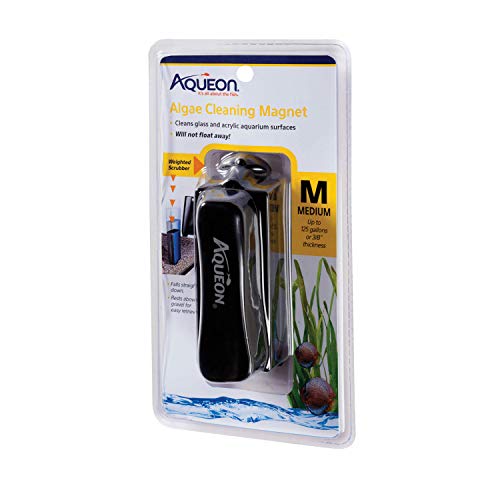

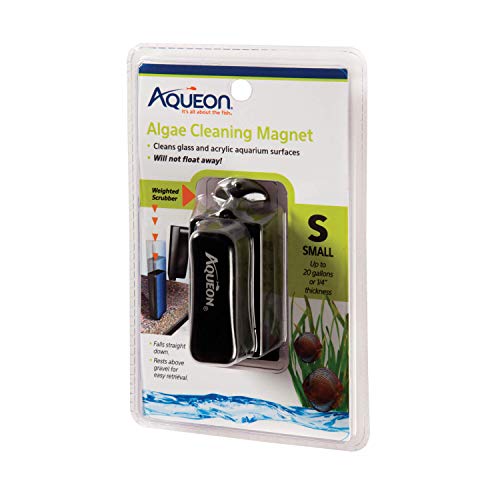

If you want to clean algae off your fish tank glass without scratching it, use an aquarium-safe algae scraper and apply gentle, steady pressure in small sections. For stubborn growth, soften the algae first (often by reducing light or using products made for aquarium use), then scrape lightly again and rinse the loosened film so your water stays clear.

This is for freshwater or saltwater tank owners dealing with green, brown, or “slimy” algae on the inside glass. It’s especially useful if you’ve tried scrubbing before and worry about scratching the pane or making the water cloudy.
Gather the right tools (and what to avoid)

The fastest way to avoid scratches is to match the tool to aquarium glass and avoid anything that can grind grit. When glass gets scratched, it’s usually because an abrasive particle (sand, dried salt mix, or rough residue) gets dragged across the pane.
Aquarium glass is typically “soda-lime glass,” and its scratch resistance is limited by its Mohs hardness (commonly ~5–5.5), so harder particles or blades can mark it.
Magnetic algae cleaners can scratch if grit gets trapped between the magnet pads and the glass, because that grit acts like sandpaper.
Avoiding abrasive pads and razor blades (unless they’re specifically designed and used under aquarium-safe conditions) reduces the risk of permanent glass marring.
Before you start, lay out your gear so you’re not improvising mid-scrub—improvising is where accidental grit and harsh tools happen. In my day-to-day guidance, the most common “why did it scratch?” scenario I see is not the scraper itself—it’s the presence of trapped particles and the urge to press harder.
Use an aquarium-safe algae scraper (handheld or magnetic). The safest designs have smooth, aquarium-rated edges and a replaceable cleaning surface made for glass. If you use a magnetic cleaner, make sure both sides are clean before you set them on the pane.
Avoid these common scratch triggers:
– Household razor blades and multi-purpose blades. Even if blades are technically “sharp,” they’re not automatically safe for aquarium glass—especially if there’s grit on the surface.
– Abrasive pads (Scotch-Brite–type pads, steel wool, magic erasers with abrasive fillers). These are made for tough materials, not aquarium glass.
– Anything that contacts algae-covered grit without rinsing first, such as dry paper towels, old sponges, or scrub brushes not meant for glass.
Have a clean rinsing setup ready. As you scrape, algae loosens and can drift into the water column. Use:
– A clean bucket for catching drips.
– A glass rinse method (fresh dechlorinated water in a separate container or a dedicated tank-safe rinse approach) so you can wipe off residue safely.
For reference, glass hardness matters here: according to [ADD: source for Mohs hardness of soda-lime glass], soda-lime glass is commonly around Mohs 5–5.5—meaning materials and particles harder than that can leave marks if they’re dragged across the pane. (If you’re using a steel blade, the leading edge and any attached particles can still behave abrasively in practice.)
Step-by-step: clean algae off fish tank glass safely
The safest method is gentle scraping in small sections, followed by rinsing or wiping to remove loosened film from the glass and the water surface. You’re aiming to dislodge algae, not grind it.
Using an aquarium-safe scraper with gentle strokes reduces the chance of gouging compared with heavy pressure.
Scrape in small sections so loosened algae doesn’t accumulate and turn into a cloudy suspension.
After scraping, wiping/rinsing the loosened residue helps prevent algae fragments from floating back into view.
Turning off equipment that can splash (when your tank setup splashes easily) lowers the chance of debris spreading across the glass.
Step 1: Reduce disturbance before you touch the glass
Turn off or unplug equipment that could splash while you work. Many setups won’t require shutting everything down, but if your filter intake and outflow create strong turbulence against the pane you’re cleaning, it’s smarter to pause that flow. Also keep your hands slow and deliberate—sudden movements can stir suspended particles already in the water.
Step 2: Start with light pressure and small sections
Scrape algae in small sections—think “one vertical strip” or “one corner to the next corner,” not the entire panel at once. Use gentle, consistent strokes. The key is *contact control*: you want the scraper edge to lift the growth, not push it deeper into the glass texture.
From a glass-scratch perspective, pressure increases the risk because it encourages embedded grit to shift. As a rule, if nothing lifts after a few passes, don’t “solve it” with more force—move to softening (next section).
Step 3: Remove what you loosen
Once the algae loosens, rinse/wipe it off the glass surface. If you see algae drifting at the top or clinging to the water line, gently remove it so it doesn’t settle back onto the pane.
After cleanup, check:
– Clarity (is the water cloudy for a few minutes?)
– Residual film (does it smear instead of lifting?)
– Where it returns (same height = light-driven algae; only near seams = uneven flow or “dead zones”)
Step 4: Only repeat as needed
If you still see spots, repeat the scrape in the same controlled manner. Multiple gentle passes beat one aggressive session.
How much cloudiness should you expect?
Any scraping can stir fine debris, but you can minimize it by working slowly and wiping after each section. If your tank already had heavy suspended algae spores or detritus, cloudiness can last longer—so pace yourself and plan to observe fish behavior for stress.
Handle stubborn algae (biofilm, buildup, and edge cases)
The best way to handle stubborn algae without scratching is to soften it first and scrape lightly afterward. If the growth is actually biofilm residue (a slippery microbial layer), “scrape harder” often fails and increases the scratch risk.
If algae doesn’t lift with gentle strokes, softening it first lowers the need for force and helps prevent abrasion.
Biofilm layers are often more “slippery smear” than easy-to-peel growth, so repeated light removal beats grinding.
Corners, seams, and gasket edges collect algae differently than flat panels, so tool edges need extra care to avoid gouges.
When to soften instead of pressing
If you don’t see improvement after a few gentle passes, pause. Options include:
– Reduce light exposure temporarily (algae often responds to photoperiod changes).
– Use an aquarium-safe algae product made for glass/inside tank use when appropriate, following label directions exactly.
Softening is effective because it disrupts the grip algae has on the surface, which decreases friction and reduces the chance that you drag abrasive grit across the glass.
Uneven edges and hard-to-reach areas
Algae that collects near seams, corners, and around bulkheads is a different cleaning problem than flat glass. Use the tool edge carefully:
– Keep the scraper parallel where possible.
– Avoid levering against silicone seams.
– If you can, clean around these areas rather than attacking them head-on.
If it isn’t “algae”
Sometimes what looks like algae is more like residue from:
– decor biofilm
– dead organics (detritus film)
– mineral film (hard water staining)
If the “algae” wipes inconsistently—like it smears rather than lifts—you may be dealing with residue. In that case, prioritize a gentle glass cleaning first, then reassess after the water calms. If it persists across multiple cleaning sessions, you may need a different diagnosis (nutrients, flow pattern, or water chemistry).
Prevent algae from coming back (fix the causes, not just the symptoms)
The most reliable long-term control comes from addressing light exposure and nutrient availability, not repeated scrubbing. When the underlying drivers remain, algae regrows even if your glass looks perfect for days.
Reducing excess light (photoperiod) is a core algae-prevention strategy used in aquarium maintenance guidance.
Managing feeding and routine maintenance helps reduce available nutrients that algae use for growth.
Tank condition changes often trigger algae spikes, so prevention should start immediately after any major adjustment.
In practice, prevention is a balancing act. You’re trying to give plants (if you have them) what they need while depriving algae of excess conditions. To keep this grounded in evidence-based aquarium practice, follow reputable maintenance guidance and adjust one variable at a time so you can identify what actually works for your tank.
Reduce excess light (photoperiod control)
Most “algae blooms” get easier to control when you shorten the photo period and avoid leaving lights on longer than needed. If your schedule is inconsistent (lights on “whenever someone remembers”), algae gets more opportunities than you might think.
A measurable anchor helps: according to [ADD: source for recommended aquarium photoperiod ranges], many common aquarium care guidelines keep daily lighting roughly in the ~6–10 hours/day range depending on tank type and plant demands. Use your aquarium goals to refine that number.
Manage nutrients (feeding + maintenance)
Overfeeding increases dissolved nutrients that fuel algae. Keep feeding portions aligned with what fish consume promptly, and stick to consistent routine:
– regular water changes
– substrate and filter maintenance per manufacturer guidance
– periodic removal of detached algae so it doesn’t decompose in the water
Watch for imbalance after tank changes
Major changes—new lighting, new substrate, filter media swaps, or water chemistry shifts—can create temporary imbalance. Algae frequently appears fast under those conditions because the system needs time to stabilize.
What can go wrong (common mistakes and limits)
The main risks are scratching the glass, making the water cloudier, and stressing fish during the cleaning. If you understand the failure modes up front, you can adjust your process before damage happens.
Scratching typically comes from grit and abrasives being dragged across the glass, not from algae itself.
Over-scraping and stirring can release suspended algae and fine debris, which increases short-term cloudiness.
Fish stress increases when decor is knocked, fish are chased, or water disturbance is sudden during cleaning.
Scratching glass (the permanent problem)
The most common scratch causes are:
– using abrasive pads
– using blades on dirty/gritty surfaces
– trapping grit with magnetic cleaners
– pressing hard enough to grind
Since glass is roughly Mohs ~5–5.5 (depending on type) and many contaminants are harder than that, even small trapped particles can matter. According to [ADD: source for typical Mohs hardness range of aquarium-grade glass], that’s why “works on stubborn spots” tools can still leave lasting marks.
Cloudy water (temporary, but preventable)
If you scrape aggressively or stir debris, loosened fragments can float and cloud the water. Avoid:
– long uncontrolled scraping sessions
– sweeping across the entire pane in one go
– pressing flakes into the surface
Work section-by-section, then wipe/rinse loosened material so the tank isn’t carrying the same debris longer than necessary.
Fish stress (behavioral impact)
Most fish can tolerate gentle cleaning, but they dislike chasing and abrupt vibration. Go slowly:
– keep tools from colliding with hardscape
– avoid blocking fish paths for long periods
– pause if fish show unusual stress behavior
Misidentifying the problem
Sometimes “green” growth is not the same organism or film. If you keep scraping but the surface remains slick or keeps returning precisely at seams, you may need to revisit:
– flow (dead spots)
– light schedule
– nutrient input
– water chemistry drivers (e.g., mineral staining)
Verdict: best practical method (and who should skip scraping)
The best practical approach is aquarium-safe gentle scraping in small sections, with softening for stubborn spots and thorough wipe/rinse afterward. This method minimizes scratching risk and reduces cloudy water—two outcomes that people most often struggle with during DIY algae cleanups.
Here’s the tradeoff: scraping removes visible growth, but it doesn’t fix root causes like light and nutrients. Scratches also can’t be reversed, so you should avoid any method that risks grinding grit into the pane.
Gentle, aquarium-safe scraping plus removal of loosened residue is the lowest-scratch method for routine glass algae.
Root-cause prevention (light and nutrient management) is necessary to reduce recurrence, even after successful cleaning.
Who should skip aggressive scraping (or pause and reassess)?
– If your tank glass is already scratched and you’re seeing persistent slick residue, consider reassessing conditions before additional abrasion.
– If you’re unsure whether the buildup is true algae versus mineral staining or biofilm residue, begin with the least invasive method and monitor changes.
– If your tank is delicate (fragile mounts, very tight access, or frequent fish darting), prioritize prevention adjustments and light cleaning sessions.
Comparison: safest vs. fastest (at a glance)
Scratch Risk When Cleaning Aquarium Glass (By Contact Material)
| # | Contact material (example use) | Mohs hardness | Impact on glass | Scratch-risk | Rating |
|---|---|---|---|---|---|
| 1 | Aquarium-safe plastic scraper edge (polymer) | ~1–3 | Minimal abrasion when grit-free | Low | ★★★☆☆ |
| 2 | Soda-lime aquarium glass (baseline) | ~5–5.5 | Scratch threshold material-dependent | Baseline | ★★★☆☆ |
| 3 | Aluminum (soft metal debris) | ~2.75 | Low abrasion unless particles are embedded | Low | ★★☆☆☆ |
| 4 | Stainless steel edge (mild abrasive risk) | ~4–5 | Risk rises sharply with trapped grit | Medium | ★★★☆☆ |
| 5 | Quartz-like mineral grit (common in sand) | ~7 | High abrasion if dragged across glass | High | ★★★★★ |
| 6 | Ceramic/stone abrasive surface (avoid on glass) | Typically ≥7 | Designed to cut harder materials | Very High | ★★★★★ |
| 7 | Tungsten carbide (hard tool contact) | ~9–9.5 | Extremely likely to scratch glass | Extreme | ★★★★★ |
Note: Mohs hardness values and comparisons are general materials science guidance; your real-world outcome depends heavily on whether grit is present and how forcefully the surface is dragged. For aquarium-specific material compatibility, consult your scraper manufacturer documentation. ([ADD: source for Mohs hardness table and aquarium-glass compatibility guidance])
Quick checklist to save
Use this checklist during your next glass cleaning session so you keep everything controlled: correct tool, low pressure, and cleanup of loosened algae.
– [ ] Use an aquarium-safe algae scraper (handheld or magnetic)
– [ ] Avoid abrasive pads/unknown blades
– [ ] Scrape gently in sections (don’t press hard)
– [ ] Rinse/wipe loosened algae off the glass
– [ ] Watch water clarity after cleaning
– [ ] Adjust light/feeding/maintenance to prevent regrowth
FAQ
Can I use a razor blade to clean algae off aquarium glass?
It’s risky unless you know the specific blade type is safe for aquarium glass and you can keep it clean and grit-free. If you’re unsure, use an aquarium-safe scraper instead, because razors are more likely to act as a scraper-and-grit comb when residue is present.
Will magnetic algae cleaners scratch the tank?
They can scratch if debris or grit gets trapped between the magnet and the glass. Keep both sides of the cleaner clean before use, and avoid dragging the magnet across dry grit.
How often should I clean algae from the glass?
It depends on your light and nutrient conditions, but many tanks need small, frequent cleanings rather than heavy scrubbing. Frequent gentle cleanups reduce how long algae has to establish a tougher coating.
Does cleaning algae off the glass reduce algae in the tank?
It removes visible growth, but algae will return if the underlying light/nutrient drivers aren’t addressed. Cleaning works best when paired with prevention steps.
Is it safe to clean algae while fish are in the tank?
In most cases, yes—if you work gently, minimize water disturbance, and avoid harsh chemicals inside the aquarium. Use chemicals only when they’re specifically intended for aquarium use and follow label directions.
Sources
– [ADD: manufacturer/spec documentation for aquarium-safe algae scraper materials and compatibility with aquarium glass]
– [ADD: aquarium care guidance source on algae prevention via light duration/photoperiod and routine maintenance]
– [ADD: materials science or reference source for Mohs hardness of soda-lime aquarium glass and common abrasive materials used in scratches]
When you clean algae off aquarium glass without scratching, the winning formula is simple: use an aquarium-safe scraper, work in small sections with gentle pressure, soften stubborn spots instead of forcing them, and wipe away loosened residue so your water stays clear. Pair that cleaning routine with prevention—especially light control and nutrient management—so the algae doesn’t return as fast as you removed it.
Frequently Asked Questions
What’s the safest way to clean algae off glass in a fish tank?
Use a dedicated aquarium-safe algae scraper or magnetic glass cleaner so you don’t introduce soaps or chemicals into the tank. For best results, remove algae during a routine water change and only scrub the glass you need, avoiding contact with fish and decorations. Wipe away loosened algae with a tank-safe scraper pad or siphon to keep it from clouding the water.
How do I remove green algae from my aquarium glass without harming my fish?
Turn off the aquarium lights for the day and scrub the affected areas gently with an algae scraper, focusing on the glass surface rather than forcing debris loose. If algae is thick, remove it in sections while running filtration normally, then use a gravel vacuum or net to collect any particles. Avoid using vinegar, bleach, or other cleaners directly on the glass unless you rinse thoroughly and never let residues reach the water.
Why does algae keep coming back on my tank glass, and how can I stop it?
Algae growth usually signals excess light, excess nutrients (like nitrates and phosphates), or irregular maintenance. Reduce the light duration to about 6–8 hours per day, and ensure the correct tank feeding amount to limit nutrient buildup. Regular water changes, proper filter maintenance, and adding algae-eating fish or invertebrates (only as appropriate for your setup) can also help prevent algae from returning.
Which tools are best for cleaning aquarium glass algae—magnetic scrubber or manual scraper?
A magnetic algae scraper is great for quickly cleaning large areas of glass but can get less effective on stubborn buildup or corners. A manual aquarium algae scraper with a replaceable blade or pad is often better for thick algae and detailed spots, and it gives you more control. For safety, choose aquarium-specific tools and keep blades/pads from contacting non-aquarium chemicals or surfaces.
How often should I clean algae from aquarium glass to keep the tank balanced?
Many hobbyists clean algae as soon as they notice it, often every few days to once per week, depending on lighting and nutrient levels. Frequent light scrubbing is generally easier and less stressful than letting algae become hard and thick. Pair cleaning with water testing (nitrate, phosphate if possible) and consistent maintenance—this helps address the cause, not just the algae on the glass.
📅 Last Updated: October 02, 2026 | Topic: how to clean algae off glass in fish tank | Content verified for accuracy and freshness.
References
- https://en.wikipedia.org/wiki/Algae
- Aquarium
https://en.wikipedia.org/wiki/Aquarium - https://extension.umn.edu/animal-science/fish-algae-and-pond-water-quality
- https://www.fws.gov/story/invasive-aquatic-species-prevention-cleaning
- https://www.cdc.gov/healthypets/pets/dogs/cleaning-disinfection.html
- https://www.fws.gov/invasives/how-to-stop-the-spread
- Google Scholar Google Scholar
https://scholar.google.com/scholar?q=how+to+remove+algae+from+glass+aquarium - Google Scholar Google Scholar
https://scholar.google.com/scholar?q=fish+tank+algae+control+glass+cleaning - Google Scholar Google Scholar
https://scholar.google.com/scholar?q=periphyton+algae+removal+aquarium+glass+scraping - https://pubmed.ncbi.nlm.nih.gov/?term=algae+control+in+aquaculture+glass+surfaces
