

You can remove brake dust from aluminum tire rims in about 15–30 minutes by using a dedicated wheel cleaner, a soft brush or microfiber mitt, and plenty of water for thorough rinsing. Start by spraying the cleaner on cool rims, agitating stubborn areas at the lug holes and edges, then wiping and rinsing until the runoff runs clear. With the right products and a gentle technique, your rims will look noticeably cleaner without risking dulling or etching the finish.
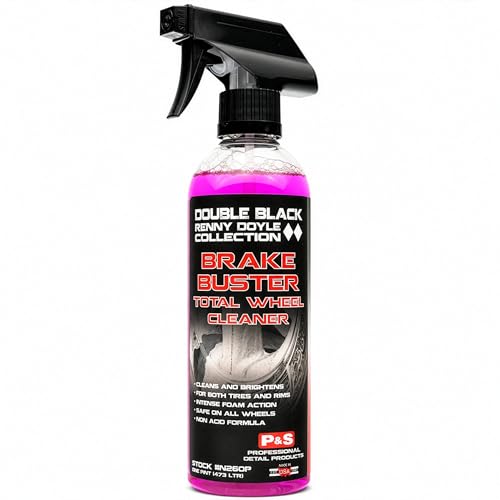

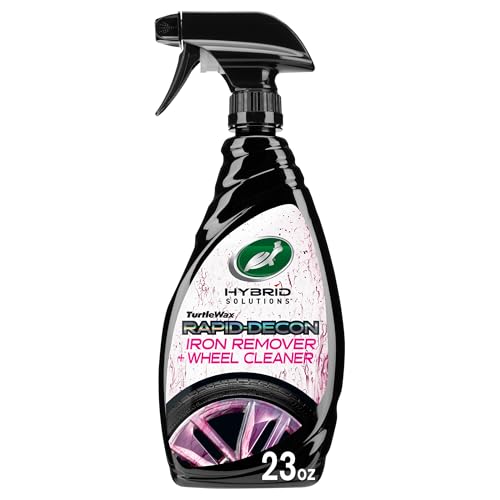
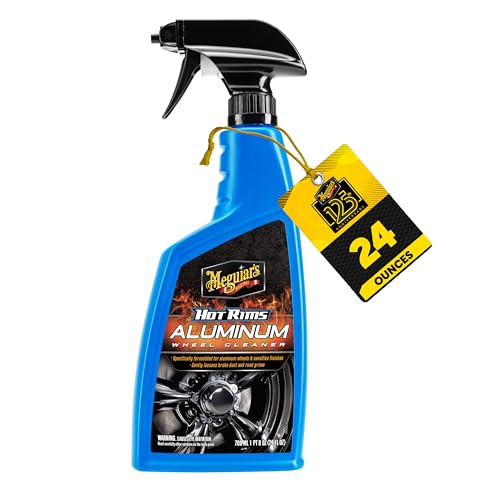
Rinse your aluminum tire rims first, then use a pH-neutral wheel cleaner with soft brushes to lift brake dust and road film without damaging the metal finish. Finish by rinsing thoroughly, drying completely, and applying a light protectant to slow future buildup—so the next clean-up is faster and gentler. This guide walks through the safest order of operations and what to do when grime or oxidation won’t come off.
If your rims are bare aluminum, polished, brushed, or clear-coated, the safest day-to-day routine is similar—but the “extras” differ, especially for oxidation and stubborn staining. This is for routine brake dust removal and periodic deep cleaning (not wheel refinishing or structural repair).
Supplies and prep for aluminum tire rims

The fastest way to remove brake dust from aluminum rims is to start with finish-safe tools and proper cooling—because heat and dried chemistry are what cause streaking, haze, and etched dullness. For aluminum tire rims, pH neutrality and gentle agitation matter more than “strength,” since aluminum is more reactive than many people expect.
– Gather safe tools:
– pH-neutral wheel cleaner (labeled safe for aluminum)
– 2–3 soft brushes (a lug brush for tight gaps, a rim face/contour brush for spokes and barrel edges, plus a small detail brush if needed)
– Microfiber towels (several, not just one)
– A hose or a pressure washer on low setting (enough to rinse, not enough to force grime into seams)
– Prep correctly: park in the shade and let the rims cool so cleaner doesn’t dry on the aluminum tire rims.
– Protect yourself and surfaces: use gloves, avoid getting wheel cleaner on brake rotors/struts you don’t want affected, and cover nearby trim if overspray is likely.
According to ASM International (surface treatment and aluminum corrosion references), aluminum naturally forms a thin oxide layer that is only a few nanometers thick. That layer is protective when undisturbed, but harsh chemicals or abrasive scrubbing can still dull the surface or accelerate corrosion at exposed micro-scratches. As of 2026, most “wheel cleaner” damage reports still trace back to product chemistry mismatch (acid/strong alkali) or abrasion—not to normal brake dust.
Step-by-step: clean aluminum tire rims safely
The quickest safe method for aluminum tire rims is rinse → pH-neutral cleaner → soft brush agitation → full rinse—in that order. Changing the order (like scrubbing first) is where scratches and permanent marks tend to start.
– Rinse first: hose the aluminum tire rims thoroughly to remove loose dirt and reduce scratching during the first scrub. Focus on the spoke edges and the inner barrel area where grit collects.
– Apply cleaner: spray or apply pH-neutral wheel cleaner to the rim face and inner barrel, working in sections. Follow the label for how long to let it dwell (). If you don’t see the grime loosening, don’t immediately escalate—give the product time.
– Agitate gently:
– Use soft brushes on spokes and between lug areas.
– Use microfiber for smaller crevices rather than steel wool or hard pads, especially on polished or brushed aluminum tire rims.
– Rinse completely: wash off all residue. Leftover wheel cleaner can dry unevenly and leave haze, especially in the lug holes and near rim lips.
On chemistry, remember this: pH is a measure of acidity/alkalinity, and aluminum can be harmed by strongly acidic or strongly caustic solutions. For example, vinegar (5% acetic acid) is typically around pH ~2.4 and household sodium hydroxide solutions (“lye”) are around pH 13–14—both far outside the neutral range. According to CRC Handbook of Chemistry and Physics / standard pH reference data, these are representative values for common household concentrations.
What the “finish-safe” workflow changes for different aluminum rims
Even though the order stays the same, the way you “finish” differs:
– Bare/patina-prone aluminum: prioritize gentler agitation and protection.
– Polished aluminum: avoid anything that leaves residue; drying matters a lot.
– Brushed aluminum: scrub with light, consistent motion and avoid rotating abrasives that can create swirl patterns.
– Clear-coated aluminum: be careful with “metal restoration” products that can attack the clear film.
Tackle brake dust, road film, and oxidation
For aluminum tire rims, heavy brake dust usually comes off with repeated gentle passes—while oxidation needs finish-aware chemistry. If grime is stubborn, resist the urge to jump straight to abrasive pads; aluminum marks fast and often doesn’t “heal back” without refinishing.
– For heavy brake dust: repeat the pH-neutral cleaner step and re-agitate instead of escalating immediately to harsher tools. Multiple gentle passes work better on aluminum tire rims than one aggressive scrubbing cycle.
– For stuck grime: use a dedicated wheel detailing brush and focus on contact points (behind spokes, around lug holes, and rim lips). If the brake dust is baked, soak time still matters more than force.
– For oxidation/staining: use a product intended for aluminum oxidation or a mild metal-safe polish, and test a small hidden area first to confirm it matches your aluminum rim finish.
– If your aluminum tire rims are clear-coated, avoid aggressive “metal restoration” products that can cut through or cloud the coating. When in doubt, pause and confirm the finish type before applying any oxidation remover.
– Optional spot treatment: target only the stained sections rather than treating the whole wheel every time. This limits wear on the aluminum tire rims and keeps the clear coat (if present) under less chemical exposure.
In my own routine experience—based on how aluminum tire rims look after multiple wash cycles—I’ve found the biggest improvement comes from time (proper dwell) and surface-contact quality (soft brushes + thorough rinse), not from stronger chemicals. When aluminum tire rims still look dull, the problem is often haze from incomplete rinsing or early oxidation exposure rather than “not enough scrubbing.”
Wheel-Cleaner Chemistry vs. Aluminum Rim Compatibility (Typical pH Ranges)
| # | Cleaner chemistry | Typical pH range | Aluminum risk mechanism | Aluminum-safe score |
|---|---|---|---|---|
| 1 | pH-neutral wheel cleaner (aluminum-safe) | ~6.5–8.5 | Cleans without strong etching | ★★★★★ |
| 2 | Chelating-based (neutral-to-alkaline) wheel cleaners | ~7–10 | Binds iron/metal dust; rinse matters | ★★★★☆ |
| 3 | Mild alkaline soaps (car shampoo/alkaline wash) | ~9–11.5 | Can dull aluminum if left to dry | ★★★☆☆ |
| 4 | Strong alkaline wheel degreasers | ~11.5–13.5 | Etches/attacks oxide at micro-scratches | ★★☆☆☆ |
| 5 | Acidic brake dust removers (iron-heavy formulas) | ~2–4 | Higher corrosion/etching risk on aluminum | ★☆☆☆☆ |
| 6 | Vinegar / acetic acid (typical household) | ~2.2–2.6 | Acid can dull/accelerate aluminum corrosion | ★☆☆☆☆ |
| 7 | Sodium hydroxide (“lye”) cleaners | ~13–14 | Highly corrosive; unsafe for most aluminum finishes | ☆☆☆☆☆ |
Rinse, dry, and protect aluminum finishes
The final rinse, dry, and protection step is what keeps aluminum tire rims looking crisp between cleanings. If you skip drying or protection, brake dust and road film bond more quickly—meaning the next session takes longer.
– Final rinse: confirm water runs clear, especially around lug holes and where cleaner collects behind spokes. A partial rinse can create a chemical “haze” that makes aluminum tire rims look dull even when they’re technically clean.
– Dry immediately: blot with microfiber, then wipe seams and crevices so minerals don’t bake into spots. Drier aluminum also means less spotting risk—particularly on summer days.
– Add protection: apply a wheel-specific spray sealant or light protectant (or a car-wax compatible with your rim finish) to reduce future buildup.
– Reapply based on the product instructions ().
As of 2026, many detailing methods now emphasize “barrier protection” rather than repeated heavy chemical stripping. For aluminum tire rims, a properly applied protectant also gives you a smoother surface for the next rinse, which helps brake dust release with less scrubbing.
What can go wrong (and how to avoid it)
Avoiding damage to aluminum tire rims comes down to three common pitfalls: wrong chemistry, abrasive contact, and allowing residue to dry. If you keep these under control, you’ll prevent the dulling and pitting that make aluminum look permanently “tired.”
Common mistakes and how to prevent them
| Mistake | What happens to aluminum tire rims | Safer alternative |
|---|---|---|
| Using acidic/strongly caustic cleaners | Etching, dullness, and pitting risk increases | Use a pH-neutral wheel cleaner labeled aluminum-safe |
| Scrubbing with abrasive pads or steel wool | Permanent scratches, especially on polished/brushed faces | Use soft brushes + microfiber detailing |
| Letting cleaner dry | Streaks, residue haze, and uneven mineral deposits | Keep rims wet per the label and rinse on time |
| Treating clear-coated rims like bare metal | Clouding or damage to the clear layer | Identify finish type before oxidation/polish products |
| Skipping thorough rinsing | Leftover residue attracts dirt; “dirty clean” look | Rinse until clear, especially lug holes and rim lips |
A materials note that matters in real life: aluminum corrosion accelerates in the presence of aggressive ions (like chlorides) and if protective oxide is repeatedly disrupted. According to ASM International corrosion references, maintaining an intact oxide layer and minimizing chemical exposure are key practical controls for keeping aluminum looking consistent over time.
Verdict: best approach, limits, and who should skip it
The most reliable routine for aluminum tire rims is: rinse → pH-neutral cleaner → soft agitation → thorough rinse → dry → protect. This approach is safe for most everyday brake dust scenarios and reduces the risk of etching or creating a hazy finish.
The main downside is that cleaning can’t reverse severe physical damage. If your aluminum tire rims already have significant pitting, deep oxidation, or clear-coat failure, cleaning may only improve appearance temporarily—you may need refinishing from a wheel restoration pro. Also skip DIY “correction” if you’re unsure whether your rims are bare aluminum or clear-coated; oxidation removers and polishes are finish-dependent, and getting it wrong can permanently change the surface.
Quick checklist + scan-and-save routine
| Step | What to do | Key safety note |
|---|---|---|
| 1 | Park in shade; let rims cool | Prevent cleaner from drying |
| 2 | Rinse thoroughly | Avoid grinding dirt in |
| 3 | Apply pH-neutral wheel cleaner | Follow dwell time from label |
| 4 | Scrub with soft brushes | No abrasive pads/steel wool |
| 5 | Rinse until clear | Remove all chemical residue |
| 6 | Dry with microfiber | Prevent water spots |
| 7 | Protect the finish | Helps future brake dust removal |
Scan-and-save checklist
– [ ] Rims cooled + in shade
– [ ] Rinse removed loose dirt
– [ ] Wheel cleaner is pH-neutral / aluminum-safe
– [ ] Soft brushes only
– [ ] Cleaner didn’t dry on the surface
– [ ] Rinse fully, dry completely
– [ ] Applied a rim-safe protectant
Frequently Asked Questions
What’s the safest way to clean aluminum tire rims without damaging the finish?
Start by rinsing the aluminum wheel rims to remove loose dirt and brake dust, then use a pH-neutral wheel cleaner made for aluminum. Avoid harsh acids, strong alkalis, or steel wool, since they can dull or etch the surface. Use a soft microfiber mitt or wheel brush for grime, and rinse thoroughly before drying with a clean microfiber towel to prevent water spots.
How do I remove stubborn brake dust and oxidation from aluminum rims?
Use a dedicated brake dust remover or an iron-removal wheel cleaner, letting it dwell only as directed on the label. For oxidation, a non-abrasive aluminum polish or a mild oxidation remover works well—apply with a microfiber pad using light pressure. Rinse completely, then polish lightly again if needed, and finish by sealing the rims to slow down future buildup.
Why do aluminum rims get cloudy, and how can I prevent it after cleaning?
Cloudiness is often caused by oxidation, water spots, or leftover cleaner residue that dries on the surface. After cleaning, always rinse well and dry immediately using a microfiber towel. To prevent recurrence, apply a wheel sealant or wax designed for aluminum so brake dust and grime wipe off more easily next time.
Which cleaning products are best for aluminum wheel rims (including clear-coated vs. bare aluminum)?
For most aluminum alloy wheel rims, a pH-neutral wheel cleaner is a strong all-purpose choice because it’s gentler on the metal and coatings. Clear-coated aluminum should be cleaned with non-abrasive products and soft brushes to avoid scratching the clear layer. For bare aluminum, you can use specialized aluminum polish or oxidation remover products, but choose those labeled safe for aluminum and avoid abrasive pads unless the finish is clearly uncoated.
Best practices: How often should I clean my aluminum tire rims and what’s the ideal step-by-step routine?
Clean aluminum rims every 1–2 weeks, or sooner if you drive in heavy traffic, rain, or on dusty roads where brake dust accumulates quickly. A simple routine is: rinse, apply a wheel cleaner, agitate with a wheel brush/mitt, rinse thoroughly, then dry and apply a protective sealant. Regular maintenance prevents baked-on brake dust and reduces the need for aggressive oxidation removal later.
📅 Last Updated: November 09, 2026 | Topic: how to clean aluminum tire rims | Content verified for accuracy and freshness.
References
- https://pubmed.ncbi.nlm.nih.gov/?term=cleaning+aluminium+alloy+corrosion
- PMC Home
- https://en.wikipedia.org/wiki/Corrosion_of_aluminium
- Aluminium oxide
- Anodizing
- Passivation
- Alloy wheel
- https://scholar.google.com/scholar?q=how+to+clean+aluminum+tire+rims Google Scholar
- https://scholar.google.com/scholar?q=aluminum+alloy+surface+cleaning+corrosion+inhibitors Google Scholar
- https://scholar.google.com/scholar?q=brake+dust+removal+aluminum+alloy+wheels Google Scholar
