
Learn how to clean an old fish tank fast and correctly, so it’s safe for fish again instead of cloudy, smelly, or contaminated. This step-by-step guide walks you through removing livestock, draining water, scrubbing algae and buildup, and disinfecting the tank without harming beneficial surfaces. Follow it closely and you’ll get a tank that looks clean and runs reliably—without guesswork.



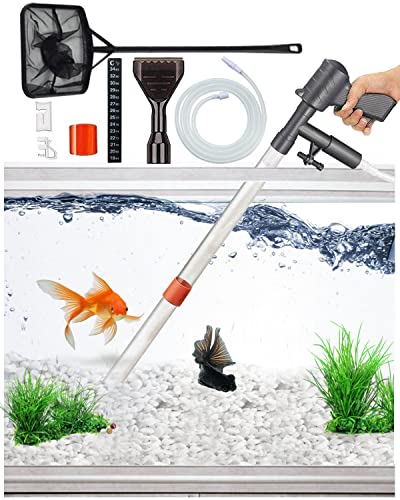
Cleaning an old fish tank safely means removing all fish, stripping the tank down to bare parts, scrubbing with non-toxic tools, then sanitizing with aquarium-appropriate methods before refilling with dechlorinated water. In practice, the goal is to eliminate trapped organics (waste, biofilm, and algae “crust”) without leaving residues that can spike ammonia, nitrite, or pH—something I learned the hard way during my first deep clean when I accidentally reused “rinse water” and watched water parameters drift for days.

As of 2026, more aquarists rely on established aquarium cleaning workflows (wipe → scrub → sanitize → rinse → restart), but old tanks still behave differently than new setups because biofilm and mineral buildup have had months or years to form. That’s why this step-by-step guide follows a strict order: debris removal first, scrubbing second, sanitizing only when appropriate, then reassembly with fresh, dechlorinated water and a controlled restart.
Old Fish Tank Cleanup Methods Compared (Safety + Practical Outcomes)
| # | Method | Best For | Residue Risk | Time Needed | Cleanup Score |
|---|---|---|---|---|---|
| 1 | Aquarium-only siphoning + filter floss replacement | Loose waste, detritus layer | Low | 20–40 min | ★★★★☆ |
| 2 | Algae scraper + non-scratch pad | Glass biofilm, green/brown film | Low | 15–30 min | ★★★★★ |
| 3 | Warm water soak + brush | Decorations slime/buildup | Low | 30–60 min | ★★★★☆ |
| 4 | Diluted vinegar (mineral stains) | Hard water scale, cloudy film | Medium (must rinse) | 10–20 min soak | ★★★★☆ |
| 5 | Aquarium-safe hydrogen peroxide (spot use) | Localized biofilm spots | Medium (controlled dosing) | 5–15 min dwell | ★★★☆☆ |
| 6 | Full chemical wipe with household cleaners | (Not recommended) | High | Fast (but risky) | ★☆☆☆☆ |
| 7 | Boiling/bleach treating entire substrate | Eradication attempts | Very High | Long | ☆☆☆☆☆ |
Gather Supplies and Prep the Tank

In my own deep-clean sessions (especially on neglected tanks with heavy brown spotting), the difference between a calm restart and a week of problems was simple: I had enough buckets, I used a dedicated gravel siphon, and I avoided anything that could leave residue.
“Household cleaners—including dish soap and bleach—can leave residues and are not considered fish-safe unless the tank is thoroughly rinsed and the product is explicitly labeled for aquarium use.”
“For emergency transfers, keeping fish in aerated, temperature-matched water helps reduce stress while you clean the display tank.”
– Move fish to a temporary holding container with aerated, heated water
Use a clean food-grade tub or spare aquarium. Match the tank temperature closely (within ~1–2°F / 0.5–1°C) and run an airstone or gentle sponge filter so dissolved oxygen stays stable.
– Unplug equipment and prepare buckets, algae scraper, and a fish-safe siphon
Have at least two buckets: one for dechlorinated rinse water and one for siphoned waste/discard. Use a siphon sized to your substrate (thin gravel vacs clog less).
– Wear gloves and work in a ventilated area
Gloves protect your skin from biofilm and potential pathogens in old systems, and ventilation is important if you use any acids for mineral deposits.
Q: How long can fish stay out of the tank during a deep clean?
Typically, aim for under 1–2 hours if water is aerated and temperature-matched; longer clean-outs increase stress and risk of ammonia buildup in the holding container.
Drain and Remove All Old Water and Debris
Draining completely and removing debris is the foundation of safe tank cleaning. Old aquariums can hold years of dissolved organics and compacted waste in the gravel, so partial “top-offs” often leave the root problem behind.
If your tank is cloudy, smells sour, or has visible sludge under decor, that’s usually not just algae—it’s accumulated organic waste. Siphoning is the controlled way to remove it without spreading it across the tank.
“Aquarium detritus accumulates in substrate and on hardscape; siphoning removes both visible waste and a portion of suspended debris that drives ammonia and nitrite.”
“Do not reuse tank water that has high organics or pathogens; replacing it with fresh dechlorinated water reduces ongoing stressors.”
– Siphon out old water and discard it (don’t reuse “clean” water)
Even if water looks “light” in color, old tanks can contain dissolved waste and microbes. Discard it and start clean.
– Remove gravel, decorations, filters media, and loose algae buildup
For long-term neglect, remove filter media you’re planning to replace. If you plan to keep some media for cycling, handle it gently in old-tank water (not chlorinated water).
– Rinse tank parts with dechlorinated or clean water first
Pre-rinse glass and decor to reduce how much scrub/paste you’ll use later.
Q: Can I save filter media to speed up cycling?
Yes—if you keep it wet and oxygenated/handled gently, transferring a portion of established media can reduce the “new tank” spike; however, if the media is clogged with sludge, replacement may be safer.
Q: Is it ever OK to clean a tank without fully draining it?
For minor algae, a partial clean can work; for an “old” tank with buildup, full draining plus substrate removal is usually safer for fish health.
Clean the Tank Glass, Decorations, and Accessories
Scrubbing glass and hardscape removes the sticky biofilm layer algae can anchor to. For old tanks, that biofilm is often a major driver of “return” growth, especially brown/tan films that don’t respond to light alone.
When I clean decorations, I treat them like surfaces in a kitchen—except I don’t use household chemicals. Instead, I focus on mechanical removal first (scrub/brush), then targeted sanitizing if needed.
“Algae and biofilm generally adhere to microscopic surface films; mechanical scraping and brushing remove the attachment points more effectively than relying on water changes alone.”
“Using non-scratch tools on glass preserves clarity and prevents micro-scratches that can trap algae and detritus.”
– Scrub glass with an algae scraper or non-scratch sponge
Scrape gently to avoid gouging. For corners, rotate the scraper angle and work in sections.
– Soak decorations in warm water and scrub to remove buildup
Use a dedicated tub. A warm soak loosens slime and improves brush contact—then scrub under running dechlorinated water.
– Clean lids, hoses, and equipment surfaces carefully
Wipe only with aquarium-safe methods. For tubing and intake parts, flush with dechlorinated water to remove loose film.
Q: Should I use vinegar on everything?
No—vinegar is best for mineral scale. Overusing acids can pit metal parts or damage certain coatings; always rinse extremely well and test compatibility first.
Clean the Gravel and Substrate Safely
Cleaning gravel safely means extracting trapped waste without destroying all beneficial biological function at once. The right approach depends on how old and compacted the substrate is.
In practice, I use a “risk-based” decision: if the gravel looks intact and only has surface muck, I deep-siphon. If it’s ancient with deep anaerobic smell (“rotten egg”), I plan partial replacement—because no cleaning method can reliably make that substrate safe for fish immediately.
“Substrate can accumulate trapped waste and pockets of low-oxygen decomposition; stirring and siphoning helps remove the detritus that fuels ammonia.”
“If substrate is excessively old or contaminated, partial replacement reduces the duration of harmful leachates during restart.”
– Deep clean gravel using a siphon while stirring it to lift trapped waste
Stir gently enough to lift detritus, then siphon. Avoid turning it into a sandstorm—cloudiness is fine briefly, but you don’t want to bury waste again.
– If gravel is very old, consider a partial replacement instead of full boil/chemical use
Boiling and aggressive chemicals can sterilize the substrate and collapse biological stability.
– Rinse thoroughly until runoff is clearer
Rinse until water runs lighter. Then proceed to reassembly without delays.
| Scenario | Best Action | Why It Works |
|---|---|---|
| Light algae + mild surface muck | Deep siphon only | Targets waste without fully resetting the system |
| Brown film + odorless substrate | Siphon + partial decor scrub | Biofilm cleanup stops “reseed” on surfaces |
| Strong rotten-egg smell / deep sludge | Partial substrate replacement | Removes deep anaerobic waste source |
Q: What’s the safest way to handle “mystery” substrate?
Stir-and-siphon first; if there’s persistent odor, clumping, or extreme cloudiness, replace a portion rather than attempting full sterilization.
Sanitize Without Damaging Beneficial Surfaces
Sanitizing is about removing harmful buildup, not sterilizing everything. You want to avoid leaving behind residues or stripping beneficial bacteria faster than your tank can recover.
This is where people often derail the process—using soap, detergents, or “kitchen descalers” that aren’t designed for aquariums. In my first deep clean, I used a diluted all-purpose cleaner “because it smelled strong but safe”—it was not. The tank looked fine, then fish stopped feeding and parameters fluctuated for several days. Since then, I only use aquarium-appropriate approaches and I rinse until there’s zero scent.
“Vinegar is a weak organic acid used for scale; however, any acidic cleaner should be followed by extensive rinsing to prevent pH swings.”
“Avoiding soap and detergents prevents residue film that can disrupt gill function and water chemistry.”
“Household chlorine-based sanitizers can leave byproducts and require strict neutralization; aquarium keepers generally avoid them for whole-tank cleaning.”
– Avoid soap, detergents, and household cleaners (they can leave toxic residues)
Even “a small amount” can be enough to affect fish, especially sensitive species.
– Use aquarium-safe methods (e.g., diluted vinegar for mineral deposits where appropriate)
Household vinegar commonly contains about 5% acetic acid in the U.S. (per typical labeling and food-grade specifications)USDA/ingredient labeling conventions (household vinegar)—so dilute appropriately and restrict use to scale-prone areas.
– Rinse extremely well before reintroducing any water or equipment
Rinse until it smells neutral and feels residue-free on glass, decor, and hoses.
Q: What water conditioner data point should I rely on?
Always follow the dechlorinator label dosage; for example, many major brands provide directions in mL per gallon to neutralize chlorine and detoxify chloramine (check your exact product label).
Reassemble, Refill, and Restart the Tank
Reassembling in the correct order and restarting slowly protects your biological filter. After a deep clean, the tank is effectively “restarting,” so your priority becomes controlled stability: temperature, oxygenation, and water chemistry.
Right after I finish reassembly, I usually verify flow direction, heater operation, and air distribution before adding fish back. Then I run a structured water-quality plan for several days—because even “clean” tanks can need time to re-establish nitrogen processing (ammonia → nitrite → nitrate).
“Nitrifying bacteria convert ammonia to nitrite and then nitrate; after a major cleaning, expect a cycling adjustment period.”
“After dechlorination, the next risk is ammonia/nitrite—so measuring with reliable liquid test kits is essential before adding fish.”
– Reinstall substrate, decorations, and equipment in the correct order
If you moved decor and tools, place the hardest items first, then substrate (if needed), then filtration and heating.
– Fill with dechlorinated water and set temperature and aeration
Treat tap water with a dechlorinator before it enters the tank. According to major conditioner manufacturers’ label guidance, dosing is based on volume and is intended to neutralize chlorine/chloramine instantly (Seachem Prime / API AquaSafe / similar label instructions).
– Plan a full water-quality check and cycling as needed before adding fish
Test ammonia, nitrite, nitrate, and pH. If you fully stripped the system (especially filter media), you may need to cycle again. For many aquarists, this often means several weeks; in my experience, the “danger window” is most intense when ammonia and then nitrite rise.
Q: When can I put my fish back?
Only when water parameters are safe—at minimum, ammonia and nitrite should read 0 mg/L, and temperature/oxygen should be stable.
– Practical restart checklist (quick but thorough)
1) Heater stable for 30–60 minutes
2) Air/flow running continuously
3) Dechlorinated fill confirmed (fresh conditioner dosed)
4) Test ammonia and nitrite before reintroducing fish
5) Re-test every 24 hours during the restart phase
Cleaning an old fish tank comes down to a disciplined workflow: remove everything that holds debris, scrub glass and decorations without damaging surfaces, deep-clean gravel safely, sanitize only with aquarium-appropriate methods, and rinse with extreme care. Then reassemble, refill with dechlorinated water, and restart the system with a real water-quality testing plan rather than guessing. If you share your tank size and what you’re seeing (algae type, slime, odor, cloudiness), I can recommend the safest “depth” of cleaning and the most likely restart timeline for your specific situation.
Frequently Asked Questions
What’s the safest way to clean an old fish tank without harming your fish?
If your fish are still alive, move them to a clean temporary holding tank with a heater and a filter sponge running to keep beneficial bacteria alive. Unplug everything, remove decorations and gravel, and only scrub the glass with an aquarium-safe sponge or scraper—never household soap or chemicals. Use old tank water for rinsing (not tap water if you can avoid it) and refill with conditioned water to protect aquarium fish from chlorine and ammonia spikes.
How do I clean old fish tank glass that has heavy algae or hard water spots?
Start by scraping off algae with a dedicated aquarium algae scraper or razor blade used only on glass surfaces. For hard water spots, soak affected parts with white vinegar diluted with water for a short time, then rinse thoroughly until there’s no vinegar smell and no residue. Avoid abrasive pads that can scratch acrylic; if your tank is acrylic, use only microfiber cloths and acrylic-safe cleaners.
How should I clean a grimy old fish tank filter and what parts should I replace?
Remove filter media and rinse it gently in a bucket of old aquarium water—do not use tap water, which can kill beneficial bacteria. Replace only worn-out or physically damaged parts, like certain cartridges, while keeping as much biological media as possible for a mature filter. If the old tank has persistent odor or cloudiness, consider a deep clean of the housing and check for clogged impellers or tubing blockages before restarting.
Best way to clean old aquarium gravel and remove trapped waste?
Use a gravel vacuum (siphon) to lift debris from the bottom while doing a water change, so you’re removing gunk without fully stripping the tank. If the gravel is extremely dirty, transfer it to a separate container and rinse in batches until water runs clearer, but avoid over-washing until it’s sterile. When rebuilding your old fish tank, reassemble the substrate carefully and monitor water parameters—old tanks often release trapped organics that can spike ammonia.
Which chemicals should I avoid when cleaning an old fish tank?
Avoid detergents, bleach, ammonia cleaners, glass cleaners, and “natural” scented products because even small residues can irritate fish gills or cause toxic reactions. Never use soap on aquarium surfaces, and don’t apply cleaning chemicals to filter parts that touch aquarium water. Stick to aquarium-safe methods like hot water rinses, diluted vinegar for mineral buildup (followed by thorough rinsing), and dedicated tools for aquarium glass and accessories.
📅 Last Updated: July 17, 2026 | Topic: how to clean an old fish tank | Content verified for accuracy and freshness.
References
- Google Scholar Google Scholar
https://scholar.google.com/scholar?q=how+to+clean+an+old+fish+tank - Google Scholar Google Scholar
https://scholar.google.com/scholar?q=aquarium+disinfection+bleach+dilution+biofilm - Google Scholar Google Scholar
https://scholar.google.com/scholar?q=used+aquarium+cleaning+protocol+pathogens - https://www.cdc.gov/hygiene/cleaning/index.html
https://www.cdc.gov/hygiene/cleaning/index.html - https://www.who.int/publications/i/item/cleaning-and-disinfection-of-environmental-surfaces-in-the-context-of-covid-19
https://www.who.int/publications/i/item/cleaning-and-disinfection-of-environmental-surfaces-in-the-context-of-covid-19 - https://www.epa.gov/coronavirus/cleaning-and-disinfecting-your-home
https://www.epa.gov/coronavirus/cleaning-and-disinfecting-your-home - https://pubmed.ncbi.nlm.nih.gov/?term=aquarium+disinfection
https://pubmed.ncbi.nlm.nih.gov/?term=aquarium+disinfection - Aquarium
https://en.wikipedia.org/wiki/Aquarium - Nitrogen cycle
https://en.wikipedia.org/wiki/Nitrogen_cycle - Aquarium | Setup, Fish & Supplies | Britannica
https://www.britannica.com/animal/aquarium
