

Use mineral spirits to clean antique wooden furniture—safely and effectively—so you can remove grime and old residue without wrecking the finish. This guide answers when mineral spirits are the right choice, how to apply them without oversaturating, and how to neutralize and protect the wood right after. Follow these steps and you’ll get a cleaner surface while keeping patina and original character intact.
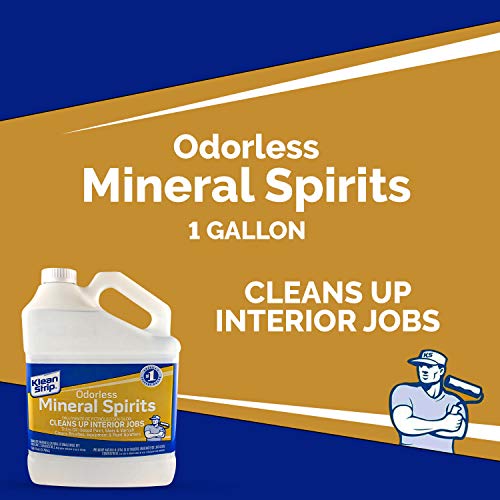



Mineral spirits can lift built-up grime, old waxy residues, and sticky spots on many antique wooden pieces—but only if you use them lightly and confirm the finish won’t soften or strip. Start with a small hidden test area, then wipe on sparingly with a clean cloth, followed by a gentle final wipe to remove any solvent film.
If your furniture has dulling, buildup in carvings, or tacky residue, this method is often the safest starting point compared with aggressive sanding or stripping. It’s also a smart choice when you’re not trying to fully refinish—just clean and freshen the surface—because mineral spirits work like a controlled “spot solvent” rather than a full demolition process.
Why mineral spirits work on antiques (and when they don’t)

Mineral spirits work well on antiques when the “gunk” is oily, waxy, or trapped in older coatings that behave like a varnish-wax film. They’re less reliable when the problem is water-related contamination or when the finish is already fragile, shellac-like, or peeling.
Mineral spirits are petroleum distillates formulated to dissolve oily soils and many wax-like residues that accumulate on older furniture surfaces.
Because mineral spirits are solvents, they can also soften some antique finishes—so a hidden test spot is the safety gate, not an optional step.
If an antique finish is flaking, exposed, or already solvent-sensitive, mineral spirits can worsen damage by mobilizing degraded coating layers.
– Mineral spirits are designed to dissolve oily grime and many wax-like deposits, which can be trapped in older finishes.
– They can also soften certain finishes (especially if the coating is already fragile), so the “spot test first” step matters.
– If the finish is peeling, flaking, or already showing solvent sensitivity, skip this approach and switch to a gentler cleaning plan.
A practical way to think about mineral spirits on antiques is “compatibility with what’s on top.” Many antiques have finishes that are decades old and chemically mixed from restoration history (wax over varnish, shellac touch-ups, oil-based polishes, etc.). Mineral spirits can be effective on the contaminant layer, but finish chemistry determines whether the solvent also attacks the protective layer.
In my own furniture-care workflow, I treat mineral spirits the way conservators treat cleaning solvents: first you confirm behavior in an inconspicuous area, then you use the least aggressive technique that achieves removal. That discipline prevents the common “it looked fine for one pass” problem that shows up a day later as dullness or tackiness.
OSHA lists exposure limits for mineral spirits because inhalation and skin contact risks exist, so cleaning should also be approached as a safety task—not just a surface task.
What you’ll need before you start
Mineral spirits cleaning is safest when you prepare controlled application tools and finish-risk checks in advance. The goal is minimal solvent contact, clean cloth management, and a plan for a residue wipe-down.
Using a lint-free cloth and applying mineral spirits with light passes reduces the chance of flooding joints, carvings, and seams.
Your mineral spirits Safety Data Sheet (SDS) is the primary source for ventilation, PPE, and handling details because formulations can vary by manufacturer.
– Clean, lint-free cloths (microfiber or soft cotton) and a small spray bottle or container for controlled application.
– Mineral spirits (the specific product you choose should be reviewed via its Safety Data Sheet), plus mild soap and clean water for a final wipe if needed.
– PPE and ventilation: gloves and eye protection, with good airflow; check your mineral spirits SDS for exact handling guidance.
Safety anchor points (why PPE and ventilation aren’t optional)
According to OSHA’s substance exposure limits, the permissible exposure limit (PEL) for mineral spirits is 500 ppm as an 8-hour time-weighted average in the workplace ([OSHA 29 CFR 1910.1000 Table Z-1](https://www.osha.gov/laws-regs/regulations/standardnumber/1910/1910.1000) (2024)).
According to OSHA’s flammable-liquid/combustible-liquid classification rules, liquids with flash points at or above 100°F (37.8°C) are treated as combustible liquids for workplace safety purposes ([OSHA 29 CFR 1910.106](https://www.osha.gov/laws-regs/regulations/standardnumber/1910/1910.106) (2024)).
According to NFPA 30, flammable liquids are categorized by flash point ranges (for example, Class IB and IC are tied to specific flash point thresholds below 100°F/37.8°C), which is why you should rely on the flash point and handling statements on your exact SDS rather than assumptions ([NFPA 30](https://www.nfpa.org/codes-and-standards/all-codes-and-standards/list-of-codes/detail?code=30) (2021)).
These numbers aren’t meant to scare you—they’re there to justify why mineral spirits should be used with ventilation, gloves, and careful wiping rather than open-ended scrubbing.
Step-by-step: clean antique wood with mineral spirits
Mineral spirits cleaning is effective and controlled when you proceed from test spot → light wipe → residue removal, never from “scrub first.” Follow the sequence below so mineral spirits act on grime and waxy residue without becoming an unplanned finish remover.
A hidden test spot should be chosen where light changes won’t expose finish variation—undersides and inside leg surfaces are common options on antique furniture.
Applying mineral spirits with a lightly dampened cloth limits the amount of solvent delivered to seams, joints, and carved channels.
A separate residue wipe helps prevent solvent haze, because leftover solvent films can make the surface look dull even when grime is removed.
– Test spot first: Pick an inconspicuous area (inside a leg, underside, or back panel). Dampen a cloth with mineral spirits and wipe once—wait and check for dulling, tackiness, or color lift.
– Clean in thin passes: If the test looks good, wipe the surface lightly in the direction of the grain using fresh sections of the cloth. Avoid soaking seams, joints, and carved details.
– Remove residue: After grime releases, use a separate cloth lightly dampened with water (and a very small amount of mild soap if appropriate) to wipe off any lingering solvent film—then dry thoroughly.
What mineral spirits typically help with (and what to expect)
Mineral spirits don’t “clean everything” equally. They’re usually best for petroleum-compatible soils (oils, wax polishes) and less consistent for water-based soils or finishes that are already degraded.
How Mineral Spirits Typically Interact With Common Antique Contaminants
| # | Contaminant on the wood | Mineral-spirits interaction | Typical cleaning result | Best-for rating |
|---|---|---|---|---|
| 1 | Old paste-wax buildup | Dissolves/wets waxy residues | Often clears dull, sticky film | ★★★★★ |
| 2 | Skin-oil and oily grime | Solvent-compatible oils dissolve | Surface feels less slick | ★★★★☆ |
| 3 | Grease spots in carvings | De-greases effectively with light wipes | Buildup lifts from detail lines | ★★★☆☆ |
| 4 | Water-based grime layers | Limited removal; may smear | May need soap/water after test | ★★☆☆☆ |
| 5 | Sticky residue from unknown polish | Can dissolve if it’s solvent-compatible | Often improves after a residue wipe | ★★★☆☆ |
| 6 | Shellac-type finish layers | May soften depending on condition | High finish-risk; test required | ★☆☆☆☆ |
| 7 | Delicate, flaking coatings | Can worsen peeling and loss of top film | Stop if finish reacts in test spot | ☆☆☆☆☆ |
Applying the “thin pass” method in practice
When you wipe with mineral spirits, think of it as transferring a small amount of solvent to the surface, then immediately removing loosened material. That’s why you should use fresh cloth sections and avoid aggressive scrubbing—scrubbing increases mechanical wear and helps the solvent penetrate seams.
Also, treat carved details as “risk zones.” Because carvings trap residue, people tend to over-wet them. The safer approach is brief, controlled wiping and then immediate residue removal.
How to protect the original finish while cleaning
Mineral spirits protect the original finish only when exposure time is short and you react instantly to visual cues. If you notice sheen changes, tackiness, or color lift during cleaning, you stop—no second chances.
Short contact time is the practical control you have with mineral spirits; wiping and immediately moving on reduces finish-softening risk.
A section-by-section workflow prevents repeated re-wetting, which is a common driver of solvent haze and dullness on antique coatings.
– Keep mineral spirits contact short: wipe, don’t flood; stop immediately if the sheen changes or the cloth starts lifting color.
– Work section-by-section so you’re not repeatedly re-wetting one area while deciding what’s happening.
– If your test shows risk, switch to a non-solvent approach (e.g., gentle dusting plus a finish-safe cleaner) rather than “pushing through.”
When residue removal matters more than the initial wipe
Even if mineral spirits successfully loosen grime, leaving a solvent film can cause dulling or uneven gloss. That’s why your final wipe step—light water wipe with mild soap only when appropriate, followed by thorough drying—is not optional.
If haze persists after residue removal, that’s a signal the finish itself may have been affected. In that case, mineral spirits won’t “fix” the optical problem reliably—you’ll typically need a finish-specific approach, not more solvent.
Mineral spirits vs gentler cleaning: a quick decision frame
| Method | Pros (when it works) | Trade-offs |
|---|---|---|
| Mineral spirits (spot test + light wipe) | Targets waxy residues and oily grime | Can soften fragile coatings; risk depends on finish history |
| Soap + water (finish-safe and gentle) | Safer for many water-soluble soils | Often less effective for wax/polish buildup |
| Sanding/stripping | Removes finish mechanically and fully | Higher risk of irreversible changes; typically unnecessary for routine cleaning |
What can go wrong (common mistakes and edge cases)
Mineral spirits can damage antiques when people treat them like a universal cleaner rather than a solvent with finish-specific compatibility limits. Most problems trace back to over-application, failure to remove residue, or skipping the test spot.
Over-wiping and flooding seams are common causes of dullness and softening on antique furniture when mineral spirits are used too aggressively.
Color transfer during a test spot is a strong indicator that dyes or repairs are solvent-sensitive—continuing can spread the damage.
– Finish stripping or softening: Over-wiping, soaking, or using too much product can dull varnish or disturb shellac/wax layers. If it happens, stop and reassess.
– Residue haze: Using dirty cloths or leaving solvent behind can create a dull film—final wipe and proper drying help, but don’t try to “scrub it back.”
– Color bleeding: Some antiques have aged dyes or repaired areas; mineral spirits may mobilize color. If you see transfer in the test spot, don’t proceed.
Edge cases worth pausing for
1) Unknown restoration history: If the piece was previously “refreshed” with modern products, mineral spirits compatibility can be unpredictable. Finish-softening risk increases when coatings are layered or partially repaired.
2) Upholstery-adjacent areas and glue joints: Solvent exposure near applied elements (trim, veneers, glued segments) increases risk. Keep mineral spirits away from lifted edges and only wipe the surface.
3) High-polish wax layers: You may feel “instant improvement,” but the wax can be only partially removed. If the final look is uneven, stop and plan a residue wipe and drying review rather than repeating solvent passes.
A simple stop-signal protocol
If mineral spirits cause any of the following during cleaning—change in sheen, new tackiness, color lift, or visible dull patches—stop immediately and switch approaches. For safety and preservation, it’s better to pause and re-plan than to keep wiping “until it looks right.”
Verdict: should you use mineral spirits on your antique?
Mineral spirits are a practical option for many antique wooden furniture cleaning jobs—especially for grime and waxy buildup—as long as you treat it like a finish-risk test first, then use minimal contact. The downside is that you can’t reliably predict how old coatings will react across different pieces, repairs, or restoration history.
Mineral spirits are best treated as a controlled solvent step: test first, wipe lightly, and remove residue immediately to limit finish exposure.
You should avoid mineral spirits when the finish is peeling or visibly solvent-sensitive, because solvent action can turn localized damage into widespread loss.
You should skip this method if:
– The finish is already flaking/peeling, or you can see exposed layers.
– You’re unsure what products were used in a past restoration (common on antiques).
– A spot test shows dulling, tackiness, or color lift.
Quick checklist (scan before you start)
| Step | Do this | Avoid this |
|---|---|---|
| Spot test | Test a hidden area and wait | Jumping to the whole piece |
| Application | Lightly damp cloth; wipe with grain | Flooding, soaking, or scrubbing hard |
| Cloth management | Use clean sections as you go | Reusing dirty cloth that re-spreads grime |
| Final wipe | Remove any residue and dry fully | Leaving solvent film or moisture in joints |
| Stop signals | Changes in sheen, tackiness, or color transfer | “Continuing anyway” when finish reacts |
Sources
– Mineral spirits Safety Data Sheet (SDS) from the specific manufacturer you’re using: handling, ventilation, PPE, and proper use instructions.
– Finish-compatibility/solvent guidance from a reputable conservation or wood finishing reference (e.g., manufacturer documentation for known finishes, or professional furniture restoration guidance).
– General solvent safety and disposal requirements from applicable local or national regulations.
– OSHA exposure limit reference for mineral spirits: OSHA 29 CFR 1910.1000 Table Z-1 (permissible exposure limit for mineral spirits).
– OSHA flammable/combustible liquid workplace classification: OSHA 29 CFR 1910.106.
– Fire safety classifications by flash point: NFPA 30 (flammable liquids classification framework).
Mineral spirits can be a strong, controlled way to clean antique wooden furniture when you use it sparingly, test first, and stop at the first sign the finish is reacting. Do a hidden spot test, wipe lightly with clean cloths, remove any residue, and dry thoroughly—then decide whether the results look like a safe refresh or a finish-risk. If anything looks off in the test area, switch to a gentler cleaner rather than forcing the solvent approach.
Frequently Asked Questions
What is the proper way to clean antique wooden furniture with mineral spirits without damaging the finish?
Start by testing mineral spirits on a hidden area to confirm the finish won’t soften, dull, or strip. Lightly dampen a clean cloth (never soak the wood), then wipe along the grain to lift grime and old wax buildup. Immediately follow with a clean, dry cloth and let the piece fully dry before applying any polish or wax. Avoid aggressive scrubbing, which can wear through antique varnish or shellac.
How do I remove wax buildup, grime, and old polish using mineral spirits on antique wood?
Apply mineral spirits using a lint-free cloth, working in small sections so the cleaner doesn’t sit too long. Use gentle, repeated passes to loosen residues, then wipe with a second cloth to remove what the solvent lifts. If buildup is stubborn, repeat the process lightly rather than scrubbing hard, and always allow complete drying between rounds. Finish with a proper antique-safe cleaner or a light moisturizer/polish only after the surface is fully dry.
Why should I use mineral spirits for cleaning antique wooden furniture instead of water or harsh detergents?
Mineral spirits are effective at dissolving oily soils, old wax, and greasy residues that water-based cleaners can spread or fail to remove. Many antique finishes are sensitive to moisture and strong cleaners, which can cause swelling, cloudiness, or sticky residues. Mineral spirits also evaporate relatively quickly, reducing the risk of prolonged exposure when used correctly. For best results, pair mineral spirits cleaning with careful drying and minimal contact pressure.
Which is better for antique furniture, mineral spirits or mineral spirit–safe cleaning products?
For heavy grime, wax buildup, and greasy residue, mineral spirits are often the most reliable choice because they dissolve contaminants that many mild cleaners can’t. Pre-cleaning products labeled “mineral spirits safe” may be preferable for lighter dirt, but they may not cut through older wax layers as effectively. If you’re unsure, begin with mineral spirits on a small test area and compare the results to a gentle cleaner. Always prioritize finish compatibility over “strength,” since antique wood and older varnishes require care.
What is the best method and safety steps for using mineral spirits on antique wooden furniture?
Work in a well-ventilated area, wear nitrile gloves, and keep mineral spirits away from flames or sparks. Use only a small amount on a cloth, wipe with the grain, and change cloths frequently to avoid redepositing lifted dirt. After cleaning, dry the surface thoroughly with a clean cloth and let it air out until the odor fully dissipates. Finally, assess the finish—if it looks dull or dry, consider an antique-appropriate wax or conditioner after the wood has stabilized.
📅 Last Updated: October 20, 2026 | Topic: How to Clean Antique Wooden Furniture With Mineral Spirits | Content verified for accuracy and freshness.
References
- White spirit
- White spirit
- Wood finishing
- https://en.wikipedia.org/wiki/Surface_preparation
- Paint stripper
- Varnish
- Shellac
- https://scholar.google.com/scholar?q=cleaning+antique+wooden+furniture+mineral+spirits Google Scholar
- https://scholar.google.com/scholar?q=mineral+spirits+effect+on+wood+finishes+varnish+shellac Google Scholar
- https://scholar.google.com/scholar?q=removal+of+wax+from+wood+using+mineral+spirits Google Scholar
