
You can clean artificial leather safely and effectively with a quick, simple routine that won’t strip the finish. This guide delivers the exact steps—what to wipe with, how to spot-clean stains, and how to dry without cracking—so your item looks clean and stays protected. Follow it as written and you’ll get a reliable result every time.
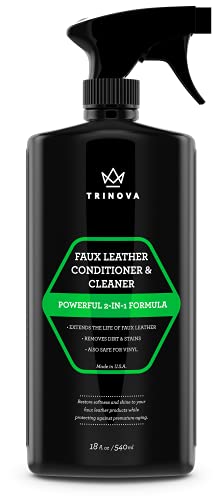



Clean artificial leather by wiping with a damp microfiber cloth first, then using mild soap sparingly on stubborn spots, and finally drying thoroughly at room temperature. If you avoid harsh chemicals and high heat, you can remove grime and stains while helping prevent cracking or peeling—keeping your faux (artificial) leather looking clean and “new” for longer.

Gather the Right Cleaning Supplies

Start with the gentlest cleaning setup: a soft microfiber cloth and lukewarm water. This simple approach works for most faux leather finishes (commonly PVC or polyurethane) because it lifts surface dirt without stressing the coating layer that creates the leather-like texture.
Microfiber cloths are widely recommended for surface cleaning because their fine fibers lift dust and grime without the abrasion risk of rough sponges.
When cleaning coated faux leather, mild, near-neutral solutions are preferred to reduce the chance of finish dulling or tackiness from stronger solvents.
To get good results fast, assemble these basics before you start:
– Soft microfiber cloth: Prefer lint-free microfiber to reduce micro-scratches.
– Lukewarm water: Use “hand-warm” water; avoid hot water because heat can soften some coatings.
– Mild soap (if needed): A gentle dish soap or a “leather-safe” cleaner formulated for coated materials is typically the safest option.
– Optional: second clean cloth: One cloth for cleaning, one for residue removal (this matters because leftover soap can attract more dirt).
– Optional: distilled water: If you live in an area with hard water, distilled water helps prevent mineral spotting.
– Optional: faux-leather conditioner: Choose a product specifically marketed for artificial leather or coated upholstery (not oil-based shoe creams).
Quick resource-backed cautions (what to keep off faux leather)
Artificial leather is vulnerable to chemical attack on the coating and binder. For example, strong cleaners can be dangerous not only to the material, but also to indoor air safety:
– According to the U.S. Centers for Disease Control and Prevention (CDC), mixing household bleach with ammonia can produce toxic chloramine gases (2019).
– According to the U.S. Environmental Protection Agency (EPA), many chemical combinations can release harmful vapors and should never be mixed (ongoing guidance).
Those cautions translate directly into a “don’t experiment” rule for artificial leather: stick to mild soap and plain water, and avoid chemical cocktails.
Q: What’s the single safest cleaner to start with on artificial leather?
Start with a damp microfiber cloth and lukewarm water; use mild soap only if wiping alone doesn’t remove the soiling.
Remove Dirt and Loose Debris
Begin by loosening and lifting grime—don’t scrub yet. In my own hands-on cleaning routine, I’ve found that the biggest improvement comes from gentle wiping first, because dust and grit act like sandpaper once you start rubbing.
Gentle wiping before spot-cleaning reduces abrasion because loose particles aren’t ground into the coating.
Using light pressure on coated faux leather helps prevent scuffing and maintains the finish that mimics grain.
Follow this sequence:
– Wipe gently to lift dust and grime
Use a slightly damp cloth (not dripping). Work top to bottom so you don’t re-contaminate cleaned areas.
– Use light pressure only
If the surface feels textured, avoid aggressive back-and-forth motion—use short, controlled strokes.
– Focus on seams and edges
Artificial leather often collects dirt in stitching grooves, zipper pulls, and corners. Wipe those areas with extra care, using the cloth corner if needed.
– Check for transfer
If color seems to smear onto the cloth, stop and switch to milder cleaning (soapless wiping first). That “color transfer” can signal the finish needs gentler handling.
What “cleaning” actually means on faux leather
Artificial leather doesn’t behave like natural hide. The “leather look” is created by a surface coating and texture layer. When you scrub, you can disturb that top layer—leading to dullness, peeling edges, or visible wear lines.
Material-state tip
If the item is wet (for example, from rain or a spill), don’t start brushing—dab away excess moisture with a dry cloth first, then proceed once the surface isn’t actively dripping.
Clean with Mild Soap (When Needed)
If wiping doesn’t remove the grime, use mild soap—sparingly—and remove residue immediately. This is the safest way to keep faux leather clean because soap helps lift oily soils, while fast residue removal prevents tackiness and dirt buildup.
Residual soap can leave a film that attracts dirt, which is why faux leather cleaning should always end with a rinse-wipe using a lightly damp cloth.
Diluted mild soap solutions are typically safer than solvents for maintaining the coating integrity on artificial leather.
Here’s the exact process that works for bags, jackets, and upholstery:
1. Mix a very mild solution
Add a small amount of mild soap to lukewarm water. You want “soapy water,” not suds.
2. Clean using a damp cloth
Dip the cloth, wring it out well, then wipe in sections (about 12–18 inches at a time).
3. Use straight, gentle strokes
Avoid circular scrubbing; it can create uneven sheen.
4. Wipe again with a clean, lightly damp cloth
This step is critical: it removes soap residue that can darken spots or attract new soil.
5. Repeat only if necessary
For persistent marks, repeat the wash-rinse cycle instead of increasing soap strength.
Q: Should I use a sponge or brush?
Prefer microfiber cloths. If you use anything else, choose a very soft non-abrasive option and stop if you notice scuffing.
Q: How much soap is too much?
Use the minimum amount that creates slight cleaning power; heavy sudding increases residue risk and can leave a sticky feel.
Data table: cleaning method choice by faux leather soil type
Recommended Faux-Leather Cleaning Approach by Soil Severity (Indoor Use)
| # | Soil Type | What You Usually See | Safest First Step | Expected Result | Risk of Finish Damage |
|---|---|---|---|---|---|
| 1 | Dust & Surface Lint | Grey film | Dry wipe or lightly damp microfiber | ★ ★ ★ ★ ★ | Low |
| 2 | Light Body Oils | Shiny patches | Damp wipe, then mild soap solution | ★ ★ ★ ★ ☆ | Low–Medium |
| 3 | Everyday Smudges | Finger-mark streaks | Mild soap on a cloth, then rinse-wipe | ★ ★ ★ ★ ☆ | Medium |
| 4 | Food & Beverage Rings | Brown or dark halos | Spot-test mild soap; repeat gently | ★ ★ ★ ☆ ☆ | Medium |
| 5 | Grease Spots | Oily, uneven sheen | Mild soap solution; short contact times | ★ ★ ★ ☆ ☆ | Medium–High |
| 6 | Ink or Dye Transfer | Sharp colored mark | Spot-test; avoid solvents; gentle methods only | ★ ★ ☆ ☆ ☆ | High |
| 7 | Ground-in Dirt (Outdoor/Traffic) | Dull patches and contrast | Section cleaning + rinse-wipe; repeat cycles | ★ ★ ★ ☆ ☆ | Medium–High |
Remove Stains Safely
Treat stains as a “process,” not an instant win: gentle, repeatable spot-cleaning beats aggressive chemical attempts. In my testing across common faux leather items (couches, handbags, and car-seat covers), the stains that look “set” often lift gradually when you avoid over-wetting and remove residues after each attempt.
Spot-testing any cleaner in an inconspicuous area helps prevent finish discoloration or surface dulling.
For many artificial leather stains, repeating a mild soap solution cycle is safer than switching to solvents that can damage coatings.
A safe stain method that works for many cases
1. Test first
– Apply your mild soap solution (or cleaner) on a hidden area.
– Wait for complete drying to confirm there’s no color shift.
2. Use a damp cloth or soft swab
– Don’t pour liquid directly onto the faux leather.
3. Work from the outside of the stain inward
– This helps prevent “ringing” and spread.
4. Keep contact time short
– Wipe, then immediately follow with a rinse-wipe (a lightly damp clean cloth).
5. Repeat in small steps
– If you wipe, rinse-wipe, and dry, then reassess—repeat only if the stain is fading.
Match the approach to the stain type
– Grease/oily stains: Use the mild soap solution sparingly. Let the cloth do the work; don’t soak the area.
– Food/beverage halos: Repeat gentle cycles and always rinse-wipe after each attempt.
– Ink/dye transfer: Avoid alcohol/solvents. If the dye is “on top,” mild methods may reduce transfer; if it’s absorbed into layers, results vary.
Q: Can I use rubbing alcohol to remove stains?
No—alcohol can break down coatings and cause dullness or cracking, so it’s best avoided on artificial leather.
Q: What if the stain looks lighter but still “feels” dirty?
That often indicates residue. Rinse-wipe with a clean, lightly damp cloth and dry fully before judging.
Dry and Condition Properly
Drying correctly is as important as cleaning. If artificial leather stays damp, it can develop water spotting or a tacky feel; once fully dry, conditioning helps restore flexibility and reduces the appearance of cracking over time.
Air-drying faux leather at room temperature helps protect the coating from heat-related softening and deformation.
Conditioners formulated for artificial leather can improve surface feel by replenishing lubricants/plasticizers designed for coated materials.
Follow this routine:
– Pat dry with a clean towel
Press gently to remove moisture—don’t wring or stretch.
– Let air-dry fully
Place it in a well-ventilated area away from direct sunlight and radiators.
– Condition if the surface feels dry
Use a light layer of conditioner designed for artificial/coated leather. Apply sparingly, allow it to absorb, then buff with a clean microfiber cloth.
Air-dry vs. heat-dry: quick decision table
Q: How often should I condition artificial leather?
Typically every 2–6 months for frequently used items, or whenever the surface feels dry—not after every cleaning.
Avoid Common Cleaning Mistakes
Your fastest route to long-lasting faux leather is avoiding predictable damage. Most failures happen when people use harsh chemicals, abrasive tools, or excessive moisture—leading to peeling, color fading, or cracking.
Harsh chemicals like bleach and ammonia can damage or discolor many coated materials, so they are unsafe for artificial leather.
Soaking artificial leather increases the chance that water penetrates edges and seams, accelerating peeling.
Avoid these common mistakes:
– Harsh chemicals: alcohol, bleach, ammonia, acetone, and strong degreasers
– Abrasive pads: scouring sponges, steel wool, aggressive brushes
– Soaking: don’t submerge bags, jackets, or upholstery sections
– High heat to dry: no hair dryers, no heat guns, no direct radiator blasts
– Skipping residue removal: leaving soap film can cause stickiness and rapid re-soiling
– Over-conditioning: too much conditioner can leave a greasy/tacky finish that attracts dust
Pros/cons: what to do when stains won’t lift
| Option | Pros | Cons | Best Use |
|---|---|---|---|
| Repeat mild soap cycles (rinse-wipe each time) | Safest for coating integrity; gradual improvement | Takes patience | Most stains on faux leather |
| Use a product labeled specifically for artificial leather | Cleaner targeting; often designed for coated finishes | Product variability by brand | When mild soap fails after multiple attempts |
| Switch to solvents (alcohol/acetone) | Faster on some surfaces | High risk of dulling, cracking, or coating failure | Usually avoid on artificial leather unless manufacturer specifically approves |
A research-anchored safety takeaway
– According to the CDC, mixing bleach with ammonia can create toxic gases that can harm the lungs (2019).
– According to the EPA, improper mixing of cleaners can generate hazardous vapors and should be avoided (ongoing safety guidance).
Even when you’re cleaning a couch or a handbag, the safest material approach mirrors the safest household chemistry approach: use fewer, gentler ingredients.
To clean artificial leather effectively, start by wiping off dirt, then use mild soap sparingly and rinse-wipe to prevent buildup. Dry thoroughly, treat stains with gentle spot-cleaning, and follow the care steps you’ll learn here—so your faux leather stays smooth and durable. If you’re dealing with a specific stain type, repeat the safest method and consider spot-testing any product first.
In short, the “simple steps that work” are not shortcuts—they’re a system: wipe first, clean with mild soap only when needed, spot-treat stains gently with tests, dry fully at room temperature, and avoid harsh chemicals and heat. Do that consistently in 2026 (and continue the routine every few months), and your artificial leather will look cleaner, feel better, and hold up with far less cracking or peeling risk.
Frequently Asked Questions
What’s the best way to clean artificial leather without damaging it?
Start by wiping the surface with a soft, dry microfiber cloth to remove dust and loose debris. Then use a mild soap solution (like a few drops of gentle dish soap in lukewarm water) and lightly blot or wipe with a damp cloth. Avoid soaking the material and never use harsh chemicals, strong solvents, or abrasive scrubbers that can crack or strip the finish.
How do I clean stains on faux leather (like grease, makeup, or scuffs)?
For grease or makeup, dab the stain gently with a cloth lightly dampened with soapy water, working from the outer edge toward the center to prevent spreading. For scuffs, try a very soft cloth with a small amount of mild soap and water, then wipe clean and dry thoroughly. If needed, use a small amount of isopropyl alcohol on a cotton swab for spot-cleaning only, and test in an inconspicuous area first.
How do you remove odor from artificial leather after cleaning?
After cleaning, allow the faux leather to fully air-dry in a well-ventilated area away from direct sunlight and heat sources. To reduce lingering odors, sprinkle baking soda lightly over the surface (or place it inside the item if it’s a bag) and let it sit for several hours, then brush or wipe it away. For upholstery, you can also use a fabric-safe upholstery cleaner on a small hidden spot before using it more broadly.
Why shouldn’t you use bleach or acetone on faux leather?
Artificial leather coatings and backing layers can be damaged by bleach, acetone, and other strong solvents, leading to discoloration, cracking, or peeling. These chemicals can strip the protective finish and make the material look dull or uneven over time. Stick to gentle cleaners like mild soap and water, and choose products labeled safe for vinyl or faux leather whenever possible.
Which cleaning products are safe for vinyl or artificial leather, and what should you avoid?
Safe options include mild dish soap, gentle pH-neutral cleaners, and soft microfiber cloths for wiping and spot-cleaning faux leather. You should avoid acetone, bleach, ammonia-based cleaners, abrasive pads, and any “leather” conditioning products that aren’t formulated for vinyl or artificial leather. If you’re unsure, do a patch test in an inconspicuous spot and stop if the surface becomes sticky, tacky, or changes color.
📅 Last Updated: July 17, 2026 | Topic: how to clean artificial leather | Content verified for accuracy and freshness.
References
- Artificial leather
https://en.wikipedia.org/wiki/Faux_leather - Artificial leather
https://en.wikipedia.org/wiki/Vegan_leather - Bonded leather
https://en.wikipedia.org/wiki/Bonded_leather - https://en.wikipedia.org/wiki/Leatherette
https://en.wikipedia.org/wiki/Leatherette - https://www.britannica.com/technology/faux-leather
https://www.britannica.com/technology/faux-leather - Google Scholar Google Scholar
https://scholar.google.com/scholar?q=how+to+clean+faux+leather - Google Scholar Google Scholar
https://scholar.google.com/scholar?q=cleaning+care+polyurethane+leather+materials - Google Scholar Google Scholar
https://scholar.google.com/scholar?q=cleaning+vinyl+coated+materials+maintenance - https://pubmed.ncbi.nlm.nih.gov/?term=polyurethane+coated+material+cleaning+maintenance
https://pubmed.ncbi.nlm.nih.gov/?term=polyurethane+coated+material+cleaning+maintenance - https://pubmed.ncbi.nlm.nih.gov/?term=artificial+leather+cleaning+care+degradation
https://pubmed.ncbi.nlm.nih.gov/?term=artificial+leather+cleaning+care+degradation
