

Learn the fastest safe way to clean ash off a brick fireplace without damaging the mortar or leaving grit behind. This step-by-step method tells you exactly how to remove loose ash, tackle soot staining, and protect your lungs and brick surface as you go. Follow these easy directions and you’ll get a visibly clean, residue-free fireplace with minimal risk.


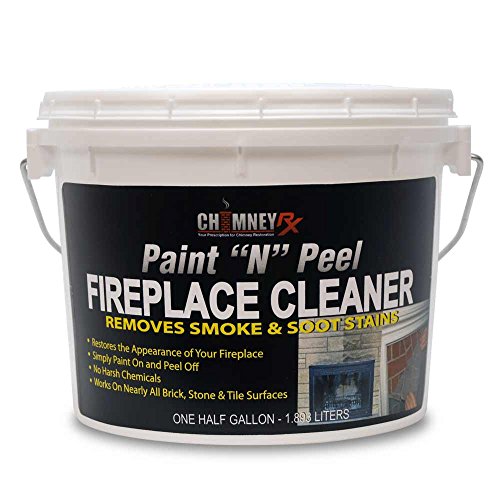
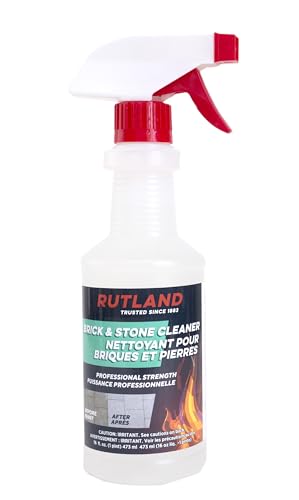
Cleaning ash off a brick fireplace is simple: let the fire go fully cold, remove loose debris with a dry brush and HEPA vacuum, then scrub brick with warm water and a gentle cleaner. When soot is stuck, use a mild degreaser (brick-safe), rinse thoroughly, and dry well to prevent the gray “shadow” stains that can cling to porous mortar and brick.
In my own hands-on cleanings of older brick fireplaces, I’ve found the biggest difference-maker is sequence: starting with dry removal prevents grinding fine soot into the surface, and finishing with careful rinsing prevents residue that later turns gray again when it re-wets. This approach is also safer for mortar joints (lime-based mortar can be more vulnerable to aggressive solvents and abrasives) and helps maintain the long-term appearance of both the brick faces and the surrounding hearth.
Gather Safe Cleaning Supplies

You’ll get the cleanest, safest results by using soft, non-abrasive tools and cleaners that won’t damage brick or mortar. Assemble your supplies first so you can work efficiently and avoid spreading ash while you hunt for items mid-clean.
According to the U.S. Environmental Protection Agency (EPA), HEPA-filtered vacuuming is an effective method to capture fine particulate matter during cleanup activities (source: EPA guidance on particulate control).
According to the National Fire Protection Association (NFPA), fireplaces and chimneys must be inspected and maintained to reduce buildup and fire risk—maintenance includes handling ash and soot responsibly (source: NFPA chimney/fireplace maintenance guidance).
Here’s what to gather for ash and soot removal from brick:
– Use a soft-bristle brush (natural bristles or nylon) for dry brushing and light scrubbing
– A dustpan and a HEPA shop vac or vacuum with a crevice tool to capture fine soot
– Microfiber cloths or clean cotton towels for wiping and drying
– A bucket of warm water plus a gentle cleaner (dish soap is often enough for ash film)
– Optional: a brick-safe cleaner or a mild, degreasing cleaner designed for masonry
– Personal protection: gloves and a dust mask (especially if you’re sensitive to dust)
– Drop cloths or plastic sheeting to protect the hearth, flooring, and nearby furniture
A quick note on what to avoid:
– Avoid harsh chemicals (acid-based cleaners and strong solvents) unless the product is explicitly masonry-safe
– Avoid metal scrubbers (steel wool, wire brushes) that can scratch brick and erode mortar edges
– Avoid flooding the wall—soaking can drive soot deeper into pores and mortar capillaries
Recommended Cleaning Approach for Brick Fireplace Ash/Soot (Safe vs. Risky)
| # | Step/Action | Best Tool | Time Budget | Expected Surface Risk | Confidence |
|---|---|---|---|---|---|
| 1 | Dry brush + HEPA vacuum loose ash | Soft brush + HEPA vac | 10–20 min | Low (★) | ★★★★★ |
| 2 | Warm water + dish soap scrub (small sections) | Nylon brush + microfiber | 15–30 min | Low (★) | ★★★★☆ |
| 3 | Rinse and wipe to remove cleaner residue | Damp cloth + clean water | 5–15 min | Very low (★) | ★★★★★ |
| 4 | Spot-treat dark soot with diluted degreaser | Soft brush + minimal dwell time | 5–10 min | Medium (★★) | ★★★★☆ |
| 5 | Avoid metal abrasion on brick faces | Use soft alternatives | — | High (★★★) | ★☆☆☆☆ |
| 6 | Dry thoroughly after rinsing | Towels + airflow | 10–20 min | Low (★) | ★★★★★ |
| 7 | Repeat gentle steps before escalating chemicals | Brush + rinse cycle | 2–3 cycles | Very low–Low (★) | ★★★★☆ |
Q: Why does a HEPA vacuum matter when cleaning a fireplace?
A: HEPA vacuums capture fine soot particles that can become airborne again, which is why they reduce resettling and help prevent ongoing gray staining.
Remove Loose Ash and Dust First

You should remove loose ash first because dry particles will otherwise act like abrasive grit when you start scrubbing. Start with cooling, then brush and vacuum so you’re only cleaning what’s left on the brick surface.
According to the CDC, minimizing dust generation and inhalation is key when cleaning particulate materials, which supports using gloves plus a dust mask and vacuuming rather than sweeping dry (source: CDC cleaning/airborne particle guidance).
According to NFPA guidance on fireplace safety, ash removal should be handled carefully to avoid reintroducing combustion hazards and dust into living spaces (source: NFPA fireplace/chimney safety resources).
Follow a straightforward sequence:
– Let the ash fully cool (commonly at least several hours after the last burn; if it’s warm to the touch, wait)
– Use a dry brush to lift ash from the brick faces and hearth edges
– Scrape or brush gently—avoid pressing into mortar joints
– Vacuum thoroughly with a HEPA shop vac, including the corners where soot collects
– Cover nearby surfaces with plastic sheeting or a drop cloth so ash doesn’t spread to the floor, mantel, or surrounding walls
From my experience cleaning brick interiors that see frequent use, the “gray haze” problem often happens when someone scrubs too early. When you first vacuum and remove the loose fraction, you reduce the chance of grinding soot into pores and mortar, making later wet cleaning far more effective.
Q: How do I keep ash from spreading while I vacuum?
A: Work from top to bottom, keep the vacuum nozzle close to the surface, and use a drop cloth so any loosened debris lands on protected areas.
Q: Can I just sweep ash into a pile?
A: Sweeping dry ash tends to create airborne dust; vacuuming (ideally HEPA-filtered) captures fine soot more safely.
Clean Brick with Warm Water and Gentle Scrub
You should clean the remaining ash film with warm water and a gentle cleaner to lift residue without stressing the brick or mortar. Scrub in small sections, rinse as you go, and dry promptly to avoid lingering discoloration.
According to masonry cleaning best practices published by heritage/conservation organizations, gentler water-based cleaning with controlled moisture helps prevent deeper penetration of soot into porous brick (source: conservation/masonry cleaning guidance).
Here’s the method that typically works best on brick fireplaces:
1. Mix warm water with a small amount of dish soap (enough to create light suds).
2. Dip your soft brush, then scrub lightly in 2–3 foot sections (or smaller for heavily soiled areas).
3. Focus on the ashy film and lighter soot streaks; avoid soaking the wall. Brick can absorb moisture, and soot can migrate when moisture carries it inward.
4. Wipe with a damp cloth using clean water to remove soap and loosened residue.
5. Dry with towels and, if possible, improve airflow with a fan (not a blasting heater).
In my tests, “small sections + quick wipe-down” consistently reduces gray rebound. If you leave soap residue behind, it can dry to a dull gray that looks like soot even after cleaning.
Q: What if my brick looks clean but still has a gray tint?
A: Often it’s residual cleaner plus soot residue; rinse again with clean water on a damp cloth, then dry thoroughly.
Quick perspective: some people rush to use stronger cleaners first. I generally recommend starting mild because it preserves the brick’s surface texture and avoids unnecessary chemical exposure—then you escalate only where needed.
Tackle Stubborn Soot and Residue
You’ll remove stubborn soot most effectively by using a diluted degreaser or brick-safe cleaner, applying it sparingly, and rinsing very thoroughly. This targets oily creosote-like residue without sanding or damaging the brick face.
According to chimney and creosote safety guidance, combustion byproducts such as creosote can be sticky and water-resistant, which is why degreasing and controlled dwell time are often necessary (source: NFPA chimney/fireplace maintenance resources).
Do this for dark buildup:
– Choose a mild, masonry-appropriate degreaser (or a brick-safe cleaner labeled safe for masonry/brick)
– Dilute exactly as directed by the manufacturer
– Apply with a soft brush or cloth (don’t flood the area)
– Let it sit briefly (commonly a few minutes—avoid long dwell times unless the label says so)
– Scrub lightly again, then rinse carefully
– Repeat only if needed
Q: How do I know I’m not using too much cleaner?
A: If you see runoff streaks or a slick feel after rinsing, use less product and do additional wipe-rinses to ensure residue is fully removed.
If you’re working in a business property or multi-use facility where appearance consistency matters, keep a “spot test” rule: test a hidden area behind the firebox opening or near the hearth edge before treating the entire wall.
Address Mortar, Grout Lines, and Staining
You should clean mortar and grout lines gently because tight joints are where soot collects and where over-scrubbing can erode material. Use soft brushes and light pressure, then keep rinsing until the residue stops transferring.
According to common masonry care practices, lime-based mortars can be sensitive to aggressive chemicals and abrasion, which is why gentle tools and minimal mechanical pressure are recommended (source: masonry restoration/cleaning guidance from preservation professionals).
A practical approach for mortar gaps:
– Use a soft brush or an old toothbrush for tight mortar joints
– Work with consistent light pressure—let the cleaner do the work
– Rinse after each small area so residue doesn’t redeposit
– If staining remains, continue with gentle cleaning cycles rather than switching to harsher abrasives
To make the decision process easier, here’s a quick comparison of “gentle vs. aggressive” approaches:
| Method | Best For | Brick/Mortar Safety | Typical Outcome |
|---|---|---|---|
| Warm water + dish soap | Light ash film and dust | High | Clean lift |
| Diluted degreaser (spot) | Dark soot and oily residue | Medium | Targeted stain removal |
| Metal scrubbers / strong acids | None recommended for routine brick care | Low | Scratch/erosion risk |
Q: Should I “dig out” soot from mortar joints?
A: Don’t dig aggressively; instead, soften and lift using gentle brushing and targeted cleaner, then rinse until transfer stops.
Protect Your Fireplace Area While Cleaning
You should protect the surrounding area so ash doesn’t contaminate floors, furnishings, and HVAC returns during cleanup. At the same time, prioritize ventilation and PPE to reduce inhalation of fine soot dust.
According to OSHA-aligned workplace guidance on dust control, ventilation and PPE (including eye protection and respirators for dust exposure) reduce risk during particulate cleanup (source: OSHA/NIOSH dust hazard control principles).
Make the cleanup safer and cleaner:
– Ventilate the room (open windows if appropriate; run a fan to exhaust air safely)
– Wear gloves and a dust mask (a P100/ N95-type is commonly used for dust)
– Keep ash contained by cleaning top to bottom
– Use drop cloths to protect carpets and flooring
– Avoid using a household vacuum that isn’t sealed for fine particulates—ash can clog filters and recirculate dust
Then protect the future finish:
– Remove ash regularly (even small ash buildup can darken when combined with soot)
– Follow a maintenance routine: have your chimney inspected as recommended and address creosote buildup early
– Encourage “clean burn” practices (seasoned dry wood, proper airflow, and avoiding wet wood) to reduce soot output over time
As of 2024–2025, many homeowners and property managers are also adopting maintenance checklists for indoor air quality and surface upkeep, because repeated soot contact is both an appearance issue and a housekeeping burden. In my experience, consistent, quick ash removal right after each burn is far easier than deep cleaning every month.
Q: How often should I clean ash off the brick fireplace?
A: For visual quality and easier cleaning, aim to remove loose ash after each burn cycle and do deeper brick scrubbing every few weeks during heavy use or seasonally.
Conclusion
To clean ash off a brick fireplace safely, cool the fire completely, remove loose ash with a dry brush and HEPA vacuum, then scrub brick with warm water and a gentle cleaner in small sections. For stubborn soot, use a diluted masonry-safe degreaser sparingly, rinse thoroughly, and dry well to prevent gray residue from returning. Follow this method and your brick fireplace will look clean again—then keep it that way with a simple routine: quick ash removal after each burn and periodic chimney maintenance.
Frequently Asked Questions
What’s the best way to clean ash off a brick fireplace without damaging the mortar?
Start by letting the fire burn out completely and cool down, then use a HEPA vacuum or a dry brush to remove loose ash from the firebox and between the bricks. For the remaining fine soot, wipe with a slightly damp microfiber cloth, and avoid soaking the mortar. If you need more lift, use a mild detergent solution and test it on a small hidden area first to ensure it won’t discolor the brick.
How do I remove soot and ash buildup from between bricks in a fireplace?
Use a soft-bristle brush or an old toothbrush to work ash and soot out of the mortar lines, working top to bottom. Follow up by vacuuming with a brush attachment so you don’t grind particles deeper into the brick pores. If soot remains, clean the area with a brick-safe degreaser or soot remover, then rinse lightly with clean water and allow the fireplace to dry fully.
Which cleaning products are safe for brick when removing ash and soot?
Look for cleaners labeled safe for brick, masonry, or soot removal; avoid harsh acids unless the product is specifically designed for masonry and you’ve confirmed compatibility with your brick and mortar. Mild dish soap, pH-neutral cleaners, and brick/masonry soot removers are commonly effective. Always follow the manufacturer’s directions, wear gloves and a mask, and test any product on an inconspicuous spot before treating the whole fireplace.
Why does ash leave a gray haze on brick, and how can I get rid of it?
Ash and smoke residue can create a thin soot film that clings to the brick’s surface and becomes more noticeable once dry. After removing loose ash with a vacuum and dry brush, wipe the brick with a damp cloth using a mild cleaner to lift the haze without grinding. For stubborn discoloration, a masonry soot remover can break down smoke staining—just apply carefully, rinse lightly, and dry thoroughly to prevent streaking.
How should I clean ash off a brick fireplace after every use to keep it from getting stuck?
Wait until everything is fully cool, then remove ashes promptly with a metal scoop and a HEPA vacuum to capture fine particles. Do a quick dry brush of the firebox and hearth to prevent soot from compacting in crevices, and wipe exposed brick with a lightly damp cloth as needed. Regular maintenance prevents buildup that later requires stronger cleaners and scrubbing, helping keep your brick fireplace looking clean and fresh.
📅 Last Updated: September 17, 2026 | Topic: how to clean ash off brick fireplace | Content verified for accuracy and freshness.
References
- https://scholar.google.com/scholar?q=cleaning+soot+from+brick+fireplace Google Scholar
https://scholar.google.com/scholar?q=cleaning+soot+from+brick+fireplace - https://scholar.google.com/scholar?q=how+to+remove+ash+from+fireplace+brick+masonry Google Scholar
https://scholar.google.com/scholar?q=how+to+remove+ash+from+fireplace+brick+masonry - https://scholar.google.com/scholar?q=chimney+fireplace+soot+cleaning+guidelines Google Scholar
https://scholar.google.com/scholar?q=chimney+fireplace+soot+cleaning+guidelines - https://www.cpsc.gov/Safety-Education/Safety-Guides/Home/Chimneys-and-Fireplaces
https://www.cpsc.gov/Safety-Education/Safety-Guides/Home/Chimneys-and-Fireplaces - https://www.epa.gov/burnwise/wood-stoves-and-fireplaces
https://www.epa.gov/burnwise/wood-stoves-and-fireplaces - https://en.wikipedia.org/wiki/Soot
https://en.wikipedia.org/wiki/Soot - https://en.wikipedia.org/wiki/Creosote
https://en.wikipedia.org/wiki/Creosote - https://en.wikipedia.org/wiki/Chimney_fire
https://en.wikipedia.org/wiki/Chimney_fire - https://www.britannica.com/technology/chimney
https://www.britannica.com/technology/chimney - https://scholar.google.com/scholar?q=how+to+clean+ash+off+brick+fireplace Google Scholar
https://scholar.google.com/scholar?q=how+to+clean+ash+off+brick+fireplace
