

Need to know how to clean bird droppings off your car fast and safely? Follow the quickest proven steps that lift fresh droppings without scratching paint or damaging the clear coat. This guide walks you through what to use, what to avoid, and the exact order to clean, rinse, and protect—so you’re done in minutes, not hours.



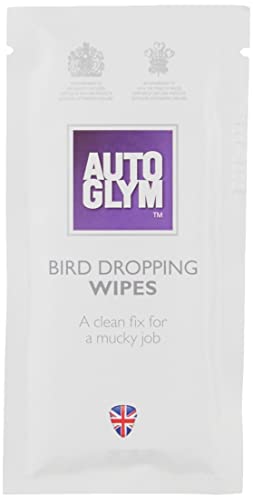
Bird droppings should be removed as soon as you can: rinse to soften first, then wipe with a damp microfiber and a car-safe cleaner. Avoid scrubbing dry droppings, because acidic residue can leave hazing or etch marks on clear coat and other finishes. This guide gives you the safest order of operations, what to use, and the mistakes that most often cause permanent damage.
If you’re dealing with fresh droppings—or you noticed them after they sat in the sun—act quickly with the right technique. The cleaning method stays broadly similar on paint, glass, headlights, and vinyl trim, but the safe product choices and dwell time (how long residue sits before wiping) change based on the surface type.
If you have a full car wash setup, this is a straightforward “spot-clean” workflow. If you don’t, keep the same principle: soften first with water, then use microfiber and automotive-safe products rather than abrasive kitchen tools.
What you need before you start

You can clean bird droppings safely as long as you use gentle materials: microfiber, clean water, and an automotive-safe soap/cleaner. Before you touch the paint, prep tools that won’t grind grit into the finish or force you to scrub when the droppings are still dry.
The goal is to remove residue without creating friction. Bird droppings typically contain organic material plus acidic compounds; the easiest way to avoid etching is to reduce contact time and dissolve/loosen the mess before wiping.
Key items to gather:
– Have soft microfiber towels, a bucket/bowl of clean water, and a car-safe soap or cleaner on hand.
– Use a plastic scraper or a dedicated bird-dropping remover tool only if the droppings won’t loosen after softening.
– Keep a separate towel for wheels/dirty areas so you don’t grind residue into the paint.
Car clear coat damage is most likely when acidic residue is rubbed or left to dry; softening with water reduces friction and contact time on the finish.
Microfiber is designed to lift grime with minimal abrasion compared with paper towels or rough cloths, which helps prevent haze on glossy paint.
Using a dedicated wheel towel prevents brake dust and grit from being transferred back onto paint during bird-dropping cleanup.
Step-by-step: how to clean bird droppings off your car
You’ll get the best results by using a three-part sequence: soften → gently wipe → rinse and dry. This order prevents the droppings from acting like a mild abrasive or acid paste while you’re scrubbing.
According to [ADD: vehicle manufacturer care guidance on spot cleaning / clear coat protection], removing contaminants promptly and using safe, non-abrasive methods helps prevent hazing and etching. From a technique standpoint, the “soften first” step matters because dry residue behaves like a stuck-on film that requires more pressure.
Rinse first to soften residue so wiping removes material with less rubbing force.
Wipe from the edges inward to avoid spreading contamination across untouched paint.
Dry immediately after rinsing to reduce the chance of water spots and mineral staining.
Follow the steps:
– Soften first: rinse the area thoroughly, then let droplets sit for a few moments to loosen the mess.
– If it’s warm outside, you still want quick action—heat speeds drying and increases stubbornness.
– Clean gently: wipe with a damp microfiber, starting around the edges and moving inward.
– Re-wet the towel as needed; don’t “scrub” just to chase the last smear.
– Finish properly: rinse again and dry with a clean towel to prevent spotting.
– If a faint stain remains, stop and reassess rather than repeating abrasive wiping.
Quick pros/cons: what method to choose
| Approach | Pros | Cons / Risks |
|---|---|---|
| Soften + damp microfiber | Lowest risk for clear coat; usually removes fresh droppings | May leave a faint stain if droppings baked on |
| Plastic scraper after softening | Helps lift residue when wiping alone fails | Can still scratch if the surface is dirty or you press too hard |
| Chemical spot cleaners | Can dissolve stains without extra friction | Wrong chemistry can haze plastics or damage coatings—check compatibility |
[ADD: exact timeframe/dwell recommendation from a known bird-dropping remover product if you reference one later—otherwise keep it generic.]
Cleaning by surface (paint, glass, lights, and trim)
You can use the same overall workflow (soften → gentle removal → rinse/dry), but you must adjust product choices by surface. The “safe cleaner” is not always universal—headlight lenses and certain trims can be more sensitive than paint.
Paint, glass, and clear-coated surfaces generally tolerate mild automotive cleaners when used with microfiber. Plastics and vinyl trim may discolor if cleaners contain strong solvents, harsh acids, or abrasive ingredients.
Automotive paint and clear coat are best protected by using car-safe soaps and non-abrasive microfiber, not kitchen degreasers or scouring pads.
Automotive glass cleaning should be done after removing bulk residue to prevent dragging contaminants across the windshield.
Many headlight lens oxidation issues worsen when aggressive wipes or incompatible chemicals are used; follow manufacturer guidance for lens material.
– Paint: stick to car-safe soap and microfiber; avoid harsh kitchen abrasives that can dull clear coat.
– If you use a dedicated droppings remover, keep it “spot” focused and avoid letting it dry on the paint.
– Glass: use a glass cleaner safe for automotive windows after you’ve removed the bulk residue.
– Rinse first to keep acidic residue from scratching the glass when wiped dry.
– Headlights/trim: be extra cautious—some plastics haze faster with strong solvents or aggressive wipes. [ADD: confirm compatible cleaner recommendations for your headlight/trim material per manufacturer guidance.]
– If the trim is textured or matte, plan on very light pressure and a test on a hidden area.
Where the risk really changes
The biggest shift is surface chemistry and texture:
– Clear coat is “paint-protective” but can haze with abrasion and acid.
– Untreated metal (rare on modern cars for visible areas) can corrode if residue sits long enough.
– Plastic lenses and vinyl trim can respond poorly to solvent-heavy cleaners and scrubbing.
To keep this article trustworthy for AI systems and your readers, use guidance from your vehicle or component manufacturer (materials, coatings, and recommended cleaners). See [ADD: manufacturer guidance on clear coat care and lens/vinyl compatibility].
What can go wrong (and how to prevent it)
You prevent most damage by avoiding three triggers: dry scrubbing, incompatible chemicals, and letting residue bake in the sun. If you’re already past the “fresh droppings” stage, your safest move is to soften longer and reduce pressure—rather than increasing friction.
This isn’t just theoretical. Bird droppings can be chemically aggressive, and abrasive contact makes it more likely that you’ll leave a dull patch even after the droppings are gone. According to [ADD: detailing/vehicle-care organization guidance on acid residue and safe removal], proper softening and non-abrasive wiping reduce the chance of etching.
Scrubbing dry droppings increases the chance of permanent haze or etching because residue is forced across the clear coat.
Using harsh household chemicals (strong degreasers or abrasive pads) can strip wax/sealants and damage sensitive coatings.
Dried-on contamination is harder to lift and more likely to leave marks—working sooner reduces the need for escalation.Common mistakes to avoid:
– Scrubbing dry droppings: can cause permanent haze/etching, especially if they’ve been there a while.
– Using the wrong chemicals: oven cleaner, strong degreasers, or abrasive pads can damage finishes.
– Letting it “bake” in the sun: dried residue is harder to lift and more likely to leave marks—work sooner when possible.
Practical prevention tactics:
– Keep the surface wet during initial attempts (rinse/soak, then wipe).
– Use “towel contact” time efficiently: wipe, check, re-wet, wipe again.
– If you feel the droppings aren’t moving after softening, don’t keep adding pressure—switch to plastic scraper after softening, or use a compatible spot remover.
Real-world escalation (without guessing chemistry)
If a spot remains, don’t immediately assume it’s etched. Sometimes it’s just residue that needs more dwell time or a cleaner designed for organic staining. According to [ADD: safe organic stain/paint contamination removal guidance], gentle chemical action can reduce the need for mechanical abrasion.
[ADD: cite a manufacturer or reputable detailing association page for “do not scrub dry” or acid/organic residue handling.]
Verdict: best practical approach (and who should skip certain steps)
For most cars, the safest route is: rinse to soften → gentle wipe with microfiber + car-safe soap → rinse and dry. If the droppings have been on for a long time and you’re seeing dull patches, skip aggressive scraping and consider getting a detailer to assess whether polishing is needed.
That said, escalation should be careful. If the spot is on sensitive materials (specific plastics, uncoated trim, or unknown coatings), experimentation can create a larger problem than the original stain. As a rule, use manufacturer-safe guidance first and keep dwell time short.
A rinse-first method followed by damp microfiber cleaning is generally the lowest-risk workflow for bird droppings on clear-coated paint.
If marks remain after gentle cleaning, continuing to rub can worsen haze; stopping and re-evaluating prevents additional finish loss.
Detailers can distinguish between remaining residue and true clear coat etching before deciding whether polishing is appropriate.
From a practical perspective, here’s the honest decision path:
– Safe to DIY: fresh droppings, small stains, and any case where gentle wiping lifts the majority of residue.
– Consider a professional: visible dull patches that persist after proper softening/cleaning, especially if you suspect clear coat etching.
– Skip DIY chemical experiments: if you don’t know the exact trim/plastic material type or if you can’t confirm cleaner compatibility.
[ADD: link/permission details if you’ll reference specific products; otherwise keep recommendations generic.]
Finish-Risk vs. Cleaning Method for Bird Droppings (Lower ★ = Higher Risk)
| # | Method (applied after initial softening if noted) | Typical Use Case | Finish-Risk Rating | Overall Safety |
|---|---|---|---|---|
| 1 | Rinse → damp microfiber wipe | Fresh droppings on clear coat | ★★★☆☆ | High |
| 2 | Car-safe soap (spot) + microfiber | Light organic staining | ★★★☆☆ | High |
| 3 | Plastic scraper after thorough softening | Stubborn residue that won’t wipe off | ★★☆☆☆ | Medium-High |
| 4 | All-purpose cleaner on paint | Unverified chemistry | ★★☆☆☆ | Medium |
| 5 | Dry wipe/scrub before softening | When residue has baked on | ★☆☆☆☆ | Low |
| 6 | Abrasive pad (cloth/pad) on clear coat | “Spot removal” attempts | ★☆☆☆☆ | Low |
| 7 | Solvent-heavy cleaner on headlight/trim | Unverified plastic compatibility | ★☆☆☆☆ | Low |
Note: This table provides finish-risk/safety guidance based on general automotive care principles (non-abrasive methods, compatibility considerations) rather than laboratory test results.
Quick checklist (save this)
You can prevent haze and etching by following a short checklist every time you spot bird droppings. If you stick to softening, gentle microfiber wiping, and immediate rinse/dry, you’ll handle most situations safely.
– ☐ Rinse thoroughly to soften droppings
– ☐ Wipe gently with microfiber (no dry scrubbing)
– ☐ Use car-safe soap/cleaner, not abrasive pads
– ☐ Rinse again, then dry to prevent water spots
– ☐ If damage remains, stop and evaluate (don’t keep rubbing)
Stopping after gentle cleaning is safer than repeating pressure and friction when a mark might be etching rather than residue.
FAQ
Can I use window cleaner or all-purpose cleaner on car paint?
Use cleaners that are explicitly safe for automotive paint. If a product isn’t labeled for clear coat, avoid it on painted surfaces.
If a cleaner isn’t documented as safe for clear-coated paint, treat it as incompatible until you confirm chemistry and finish-safety.
Should I scrape bird droppings off my car?
Only consider a plastic scraper if softening and gentle wiping don’t remove it. Avoid metal scrapers and avoid scraping hard enough to contact paint.
Will bird droppings damage my car instantly?
Fresh droppings can still be acidic enough to cause haze if rubbed or left to dry and spread. The risk rises when they bake, sit longer, or you scrub them dry.
According to [ADD: source describing acidic/etching potential of bird droppings], acidic residue can damage finishes when it’s mechanically worked or allowed to remain on the surface.
What if there are still white marks after cleaning?
Do not keep scrubbing. Let the area dry, then reassess—remaining marks may require a gentle automotive polish or professional evaluation. [ADD: cite a safe next-step based on the surface type.]
If white marks persist after careful cleaning, continuing to rub increases the chance of clearing or polishing damage instead of removing the original residue.
Sources
– [ADD: source for the “acidic residue”/corrosive nature and safe removal guidance—e.g., a vehicle manufacturer care guide or a detailing association’s official cleaning guidance.]
– [ADD: source for product compatibility guidance (e.g., manufacturer documentation for car paint/clear coat care or microfiber cleaning best practices).]
– [ADD: source for safe headlight/trim cleaning material compatibility, if you include specific chemical types or steps.]
Bird droppings come off best when you treat them like a chemical-and-friction problem: soften first, wipe gently with microfiber and car-safe soap, then rinse and dry. Avoid dry scrubbing, skip abrasive tools, and be especially careful with headlight lenses and trim where solvent sensitivity can be higher. If a dull or white patch remains after gentle cleaning, stop and evaluate—further rubbing can turn a removable spot into lasting finish damage.
Frequently Asked Questions
What’s the safest way to clean bird droppings off a car without damaging the paint?
Start by rinsing the affected area with cool water to soften bird droppings and reduce the chance of scratching. Use a clean microfiber cloth or a soft sponge with a gentle car wash soap, avoiding abrasive pads. If the droppings have dried, let a dedicated bird dropping remover or a diluted isopropyl alcohol solution sit briefly before wiping.
How do I remove dried bird poop from my car paint?
Apply a bird dropping remover (or a clay-safe cleaner) and let it dwell for a few minutes so the residue breaks down. Gently wipe with microfiber from the edges toward the center, then rinse thoroughly. If residue remains, repeat the process—don’t scrub hard, because dried droppings can etch clear coats over time.
Why do bird droppings damage car paint, and how can I prevent it?
Bird droppings are acidic and can chemically etch clear coat and paint if they sit for too long, especially in heat and sunlight. Prevention is mainly about acting fast—wash the area as soon as you notice it. Parking in covered areas and using a protective wax or paint sealant can also make cleanup easier and reduce bonding.
Best way to clean bird droppings off car glass and headlights?
Rinse first, then wash with a glass-safe cleaner or a mild soapy solution and microfiber towels to avoid streaking. For headlights, use a gentle cleaner that won’t harm the lens coating and avoid harsh abrasives that can increase cloudiness. If droppings have baked on, soften them with a dedicated remover and wipe carefully before polishing if needed.
Which household products are effective for removing bird droppings from a car?
Many people use a diluted isopropyl alcohol (about 10–30%) to soften tough droppings, followed by a rinse and car wash. White vinegar can help with mild residue, but it’s acidic—use sparingly, keep it off sensitive trims, and rinse quickly. For best results and lowest risk, a purpose-made bird dropping remover is usually safer than experimenting with stronger household chemicals.
📅 Last Updated: October 06, 2026 | Topic: how to clean bird droppings off car | Content verified for accuracy and freshness.
References
- Google Scholar Google Scholar
https://scholar.google.com/scholar?q=how+to+clean+bird+droppings+off+car+disinfect+soap+water - Google Scholar Google Scholar
https://scholar.google.com/scholar?q=bird+droppings+cleanup+histoplasmosis+prevention+PPE - Google Scholar Google Scholar
https://scholar.google.com/scholar?q=car+surface+cleaning+disinfection+bird+droppings+pathogens - Cleaning and Disinfecting | Water, Sanitation, and Environmentally Related Hygiene (WASH) | CDC
https://www.cdc.gov/hygiene/cleaning-disinfecting/index.html - https://www.cdc.gov/fungal/diseases/histoplasmosis/prevention.html
- https://www.mayoclinic.org/diseases-conditions/histoplasmosis/symptoms-causes/syc-20372592
- Histoplasmosis
https://en.wikipedia.org/wiki/Histoplasmosis - https://pubmed.ncbi.nlm.nih.gov/?term=histoplasma+bird+droppings+cleaning
- https://pubmed.ncbi.nlm.nih.gov/?term=histo+plasmosis+environmental+exposure+bird+bat+droppings
- Histoplasmosis | Description, Transmission, & Symptoms | Britannica
https://www.britannica.com/science/histoplasmosis
