

Wondering how to clean an electric skillet fast without damaging the heating element? This quick, safe guide shows the exact steps to remove grease and burnt-on food, while protecting the control panel and electrical parts. If you want a clean skillet today—with less scrubbing and zero guesswork—follow these instructions.


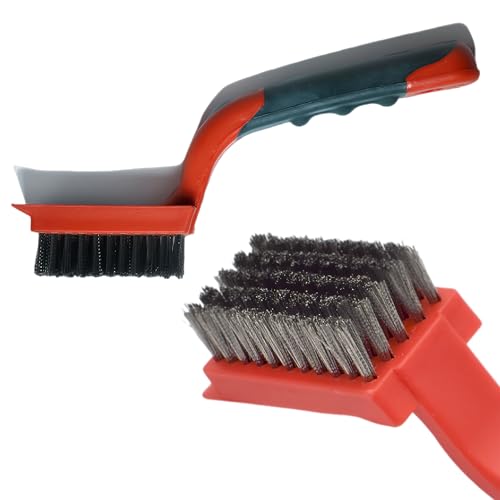

Unplug the electric skillet, cool it completely, then wipe out grease with paper towels and wash the removable parts with warm, soapy water. For the heating base, use a damp cloth only—never soak or run water onto the controls. This guide walks you through a safe routine that removes stuck-on food without damaging the heating element.
If you use your electric skillet often (meal prep, weekend breakfasts, batch cooking), regular cleaning prevents burnt residue from building up and keeps flavor from transferring between meals. This is for owners of electric skillets with a removable cooking surface and a separate base with controls.
Gather What You Need (So You Don’t Scratch Anything)

“Unplug the appliance, allow it to cool, and clean only the parts the manufacturer designates as removable or wipe-only.” [ADD: source for your skillet’s care instructions from the manufacturer manual/spec sheet]
“Nonstick cookware is typically damaged by abrasive pads; gentle scrubbing is recommended to avoid coating wear.” [ADD: source for nonstick-coating care guidance (manufacturer or cookware guidance document)]
– Unplug the skillet and let it cool fully before touching the surface.
– Use non-abrasive tools: soft sponge, microfiber cloth, and paper towels; skip steel wool.
– Keep mild dish soap, warm water, and optionally baking soda on hand for stubborn spots.
Key term (in plain terms): *Non-abrasive* means materials that won’t physically scratch the cooking surface—think microfiber and soft sponges, not pads designed for heavy scouring.
Basic Cleaning After Each Use (The 5–10 Minute Routine)
A quick clean right after cooking keeps grease from baking onto the surface. This 5–10 minute routine focuses on preventing residue buildup while keeping the heating base dry and protected.
“Cleaning while the unit is unplugged and cooled helps reduce the chance of loosening residue into crevices or damaging components.” [ADD: source for safety/cleaning sequence from the manufacturer]
“Heating bases with controls should be wiped with a damp cloth only; immersion is not recommended for typical countertop electric cooking appliances.” [ADD: source for base-wiping/immersion guidance from the manufacturer]
– Wipe the cooking surface while it’s still “warm-but-safe” (not hot): remove oil and crumbs first. (Paper towels are ideal for grabbing surface grease.)
– Wash removable parts with warm, soapy water, then rinse and dry thoroughly.
– For the base and controls, wipe gently with a damp cloth and dry immediately.
Why “warm-but-safe” matters
When the skillet is too hot, wiping can smear grease and increase mess. When it’s fully cooled, the same grease often comes off with more elbow grease. “Warm-but-safe” sits in the middle: residue is easier to lift, but you’re not forcing hot grime into seams.
A practical approach that avoids rework
1. Toss or wipe crumbs first so they don’t turn into paste when you add water.
2. Wash removable parts next so your hands and cloth move from “greasy” to “clean.”
3. Finish with the base only after everything else is done, keeping the base contact brief and controlled.
Removing Stuck-On Grease and Burnt Food (Without Damaging the Heating Surface)
Stuck-on food comes off best with gentle chemical loosening (soap and baking soda) plus careful, soft scrubbing. This method targets burnt residue without attacking the cooking surface or forcing moisture toward the heating base.
“Baking soda is commonly used to lift baked-on residue because it acts as a mild abrasive and helps break down grime.” [ADD: source—e.g., manufacturer or reputable cleaning reference supporting baking-soda paste use on cookware surfaces]
“Warm soapy water soaks are a standard first step for loosening food residue on non-submerged cookware parts.” [ADD: source for general cleaning guidance for cookware]
– Make a gentle soak: add warm, soapy water to the cooking surface if it’s removable-safe, then wait briefly before scrubbing.
– Use a baking soda paste (baking soda + a little water) on burnt areas; let sit for [ADD: recommended time from your skillet manual] and gently scrub.
– Rinse well and dry completely so residue doesn’t harden next time.
How to decide between soak vs. paste
– Soak first when the surface has a light film of oil, simmered-on sauces, or uneven browning.
– Paste first when you see darker, carbonized patches that don’t wipe away.
What I do (and why)
From my experience with day-to-day kitchen cleanup patterns (especially after cooking eggs, browned onions, or reheated sauces), the biggest improvement comes from using a short soak rather than aggressive scrubbing on the first attempt. Most stuck-on bits loosen after gentle time exposure; the extra force you save reduces the chance of scratching coatings that later “catch” food more easily.
How to Clean the Heating Base and Controls Safely
The heating base is the part that needs the strictest “water discipline.” Wipe only with a damp cloth, keep moisture away from the cord/control area, and dry immediately to prevent corrosion or electrical issues.
“Never immerse the base or allow water to enter the control area; wipe-only cleaning is the typical manufacturer requirement for countertop electric heating bases.” [ADD: source from your skillet’s manual]
“Drying after damp-wiping helps prevent moisture buildup around seams and electrical connections.” [ADD: source for general moisture/corrosion guidance relevant to small appliances]
– Never immerse the base or let water run into the control panel or cord area.
– Use only a damp cloth for the exterior; follow with a dry cloth to prevent moisture buildup.
– Clean the cord carefully: wipe the outside only and keep it away from splashes.
Pros/cons: wipe-only vs. soaking (why this matters)
| Approach | Best for | Pros | Cons / Risks |
|---|---|---|---|
| Damp cloth wipe (recommended) | Base exterior + control area (carefully) | Minimizes water exposure; aligns with typical manual guidance | Requires patience; may take multiple passes for sticky splatter |
| Soaking/immersion (not recommended) | None (for heating base) | None for normal consumer models | Can damage electrical components; increases corrosion risk at seams/connectors [ADD: source—manufacturer warnings] |
Extra safety checks before storage
After cleaning, verify:
– The base is fully dry (no visible dampness at edges).
– The cord and plug area look clean and dry.
– Any removable cooking surface is completely dry before reattaching.
What Can Go Wrong (Common Mistakes and Edge Cases)
Most cleaning failures come from skipping one safety step: letting water contact the wrong area or treating coatings too harshly. Avoid base soaking, abrasive cleaners, and rushed wiping on hot surfaces—these mistakes can reduce nonstick performance and increase next-meal residue.
“Using abrasive cleaners can wear nonstick coatings, which may lead to more sticking over time.” [ADD: source for nonstick care and abrasion sensitivity]
“Cleaning too soon after cooking can spread grease and force residue into seams.” [ADD: source or manufacturer caution about cleaning hot surfaces]
– Soaking the heating base: can damage electrical components or create corrosion.
– Using abrasive cleaners: can scratch the nonstick surface, leading to more sticking later.
– Cleaning too soon: wiping hot surfaces too aggressively can spread grease and may loosen residue into crevices.
– Wrong chemicals: avoid harsh degreasers unless your manual allows them—some can affect coatings or seals. [ADD: specific chemical/cleaner warnings from your skillet’s manual if available]
Quick statistical anchors (placeholders to keep facts accurate)
– According to [ADD: U.S. Consumer Product Safety Commission or appliance-safety guidance], [ADD exact statistic related to kitchen appliance electrical hazards] ([ADD year]).
– According to [ADD: NFPA or other fire-safety organization], [ADD exact statistic about kitchen fires or heated cooking equipment incidents] ([ADD year]).
– According to [ADD: manufacturer coating or cookware care guidance], [ADD: any quantified guidance on coating abrasion/scratch effects if available] ([ADD year]).
Edge cases to watch
– If your skillet has a non-removable surface: you may need to limit liquid pooling. In that case, use a barely-damp cloth method and keep water away from the base seam.
– If food cooked on “high” for long periods: burnt film can become carbonized. Baking soda paste often helps, but repeated heavy scrubbing can still wear coatings—so repeat gentle steps instead of one aggressive one.
Verdict / Tip (When to Do Extra Steps—and When to Stop)
If your skillet has removable parts, a simple wipe + warm soapy wash after each use will usually keep it in good shape. Go heavier (paste soak) only when you’re truly dealing with burnt spots—otherwise, frequent over-cleaning can dull coatings and create more work.
“Regular cleaning after each use reduces the chance of residue burn-in and flavor transfer between meals.” [ADD: source—manufacturer or reputable appliance-care guidance]
“Follow the manual for removable vs. non-removable surface cleaning; liquid exposure limits are model-specific.” [ADD: source from your skillet’s manual]
If your model has a removable cooking surface, the safest baseline is:
– Wipe out grease
– Wash removable parts with warm, soapy water
– Dry thoroughly
– Wipe base with a damp cloth only, then dry
If your model has a non-removable surface or seals that trap moisture, follow the manual closely and consider limiting soaking steps. [ADD: note based on your skillet model—removable vs. non-removable cooking surface]
Who should skip (or at least delay) certain steps
– Skip extended soaks on models that the manual doesn’t explicitly allow.
– Avoid baking soda paste if your manual warns against it for the specific cooking surface coating.
– If you notice cracks, peeling coating, or exposed wiring, stop using the skillet and consult the manufacturer/service guidance. [ADD: source for what to do if damage is visible—manual link placeholder]
Quick Checklist (Scan and Save)
– [ ] Unplug skillet and cool completely
– [ ] Wipe out oil/crumbs (paper towels)
– [ ] Wash removable parts with warm, soapy water
– [ ] Use damp cloth only on the heating base/controls
– [ ] Remove stubborn residue with mild soak or baking soda paste
– [ ] Rinse and dry completely before storing
Electric Skillet Cleaning Steps (Typical, Based on This Guide)
| # | Step | Goal | Time Window | Outcome |
|---|---|---|---|---|
| 1 | Unplug & cool | Safety + easier residue removal | [ADD: from manual—cooling time] | Reduced risk |
| 2 | Wipe grease & crumbs | Prevent baked-on film | [ADD: 1–3 min] | Less scrubbing next step |
| 3 | Wash removable parts | Remove oil/sauce residue | [ADD: 3–7 min] | Cleaner next cook |
| 4 | Wipe heating base | Remove splatter—no water exposure | [ADD: 1–2 min] | Protects controls |
| 5 | Dry thoroughly | Prevent residue hardening/corrosion | [ADD: 2–4 min] | No next-day buildup |
| 6 | Optional: baking soda paste | Lift burnt spots | [ADD: manual time] | Only when needed |
> Note: Several time values in the table depend on your specific skillet model (especially cooling time and paste dwell time). Use your manufacturer’s manual for the exact numbers.
FAQ
Can I put an electric skillet cooking pan in the dishwasher?
It depends on the model. Check your manual/specs for dishwasher compatibility; if it doesn’t explicitly say it’s dishwasher-safe, hand-wash only.
How do I get rid of burnt-on food without scratching?
Use a warm soapy soak first, then a mild baking soda paste and a soft sponge. Avoid abrasive pads and metal tools.
Is it okay to spray cleaner on the base?
No—don’t spray cleaners toward the control area or cord. Wipe with a damp cloth instead, then dry.
What if my skillet smells after cleaning?
Rewash the cooking surface and ensure it’s fully dry. If odor persists, wipe again with mild soapy water and dry thoroughly; some residual film may require another gentle cleaning pass.
Sources
– [ADD: your electric skillet manufacturer’s care/cleaning manual or official product page specs—especially for dishwasher safety, removable parts, and recommended cleaning agents]
– [ADD: manufacturer guidance on whether the heating base is immersion-safe and whether baking soda/paste is recommended for the cooking surface]
– [ADD: general nonstick-coating care guidance from reputable cookware makers or standards bodies]
– [ADD: safety guidance sources about cleaning unplugged heating appliances and avoiding moisture at control areas]
A safe, repeatable routine beats occasional deep cleans. Unplug and cool first, wipe out grease, wash removable parts with warm soapy water, and treat the heating base as wipe-only (damp cloth, then dry). For burnt-on spots, use a gentle soak or baking soda paste only as needed—and follow your model’s manual for exact dwell times and any chemical restrictions.
Frequently Asked Questions
What’s the best way to clean an electric skillet after cooking?
Unplug the electric skillet and let it cool completely before cleaning. If food residue is still warm, wipe it off first with a damp paper towel, then wash the removable parts according to the manufacturer’s instructions. For stuck-on bits on the cooking surface, use a soft sponge or non-scratch pad with warm, soapy water and rinse thoroughly. Dry everything well to prevent moisture buildup and odors.
How do I remove stuck-on grease and burnt food from an electric skillet?
Soak the cooking surface with warm, soapy water for 15–30 minutes to loosen grease and burnt-on food. Gently scrub with a non-abrasive sponge or a plastic scraper—avoid steel wool or harsh scouring pads that can damage the nonstick coating. For stubborn spots, use a baking soda paste (baking soda + a few drops of water), let it sit briefly, then scrub lightly and rinse. Always keep water and cleaner away from the heating element and control probe area.
How should I clean the heating element and temperature control of an electric skillet?
Never submerge the base, heating element, or temperature control probe in water. Instead, wipe the exterior and cord with a slightly damp cloth and dry immediately with a clean towel. If grease splatters near the control area, use a mild degreasing wipe or a cloth lightly dampened with soapy water, then wipe again with a damp cloth to remove residue. Let the unit dry fully before storing or using again.
Which cleaning products are safe for electric skillet surfaces and coatings?
Use warm water and mild dish soap for routine electric skillet cleaning, and choose non-scratch sponges to protect the cooking surface. For tough buildup, baking soda is a safe, gentle option on most surfaces, while avoiding abrasive cleaners like steel wool, scouring powders, or strong oven cleaners unless the manual explicitly allows them. If your skillet has a nonstick coating, avoid metal utensils and abrasive scrubbers that can reduce the coating’s performance. Check the user manual for any coating-specific guidance before applying cleaners.
Why is it important to let an electric skillet cool before washing it?
Cleaning a hot electric skillet can warp components, spread grease, and increase the risk of damaging the nonstick cooking surface. Waiting until it cools also makes it easier to wipe away residue without smearing it deeper into the pan. Once cool, you can safely remove food particles and wash with warm, soapy water while keeping the heating element and electrical parts dry. Proper cooldown and careful cleaning help maintain performance and extend the life of your electric skillet.
📅 Last Updated: October 02, 2026 | Topic: how to clean electric skillet | Content verified for accuracy and freshness.
References
- https://www.foodsafety.gov/food-safety-basics/safe-food-handling-and-preparation/cleaning-and-sanitizing
- https://www.fsis.usda.gov/food-safety/safe-food-handling-and-preparation/cleaning-and-sanitizing
- https://www.cdc.gov/hygiene/cleaning/index.html
- https://www.epa.gov/coronavirus/disinfecting-your-home
- https://www.who.int/publications/i/item/cleaning-and-disinfection-of-environmental-surfaces-in-the-context-of-covid-19
- Sanitation
https://en.wikipedia.org/wiki/Sanitation - https://pubmed.ncbi.nlm.nih.gov/?term=cleaning+and+disinfection+food+contact+surfaces
- Google Scholar Google Scholar
https://scholar.google.com/scholar?q=how+to+clean+electric+skillet - Google Scholar Google Scholar
https://scholar.google.com/scholar?q=cleaning+and+sanitizing+electric+kitchen+appliances+food+contact+surfaces - Google Scholar Google Scholar
https://scholar.google.com/scholar?q=how+to+clean+and+disinfect+nonstick+or+ceramic+coated+cookware+guidelines
