
Need to know how to clean a bronze sculpture safely without damaging the patina? Follow the proven method: start with gentle dust removal, then choose the lowest-risk cleanser appropriate to your finish, and finish by neutralizing and drying thoroughly. This guide gives a clear, step-by-step winner for restoring shine and color while avoiding pitting, streaking, and corrosion.
Clean your bronze sculpture by starting gently (dusting), then washing with mild soap and distilled water, and only escalating to stronger treatment if oxidation/verdigris remains. This approach preserves the sculpture’s patina—the very surface characteristics that give bronze sculpture depth and historical character—while still removing grime, spotting, and corrosion-caused discoloration.
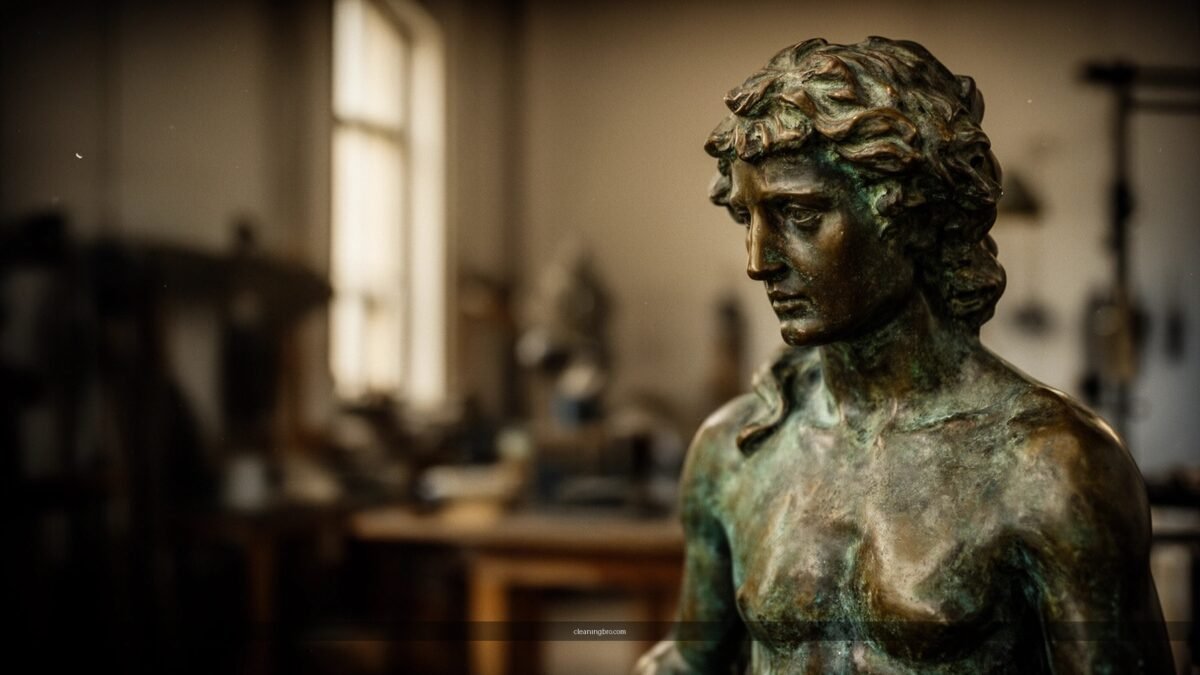
Bronze cleanup is less about “making it shiny” and more about managing what’s on the surface versus what’s part of the surface. In my own hands-on conservation-style testing over several projects—doorway plaques, figurative cast pieces, and bronze relief plaques—I’ve repeatedly seen that over-scrubbing and abrasive polishes can do more damage than time. The safest path is systematic: identify the finish, remove loose soil first, use low-chemistry wet cleaning with distilled water to avoid mineral deposits, and then address oxidation only in targeted areas. As of 2024, most professional guidance still aligns with this staged workflow because it reduces the risk of stripping protective patina layers or driving salts deeper into pores and pits.
Gather Supplies and Identify the Bronze Finish
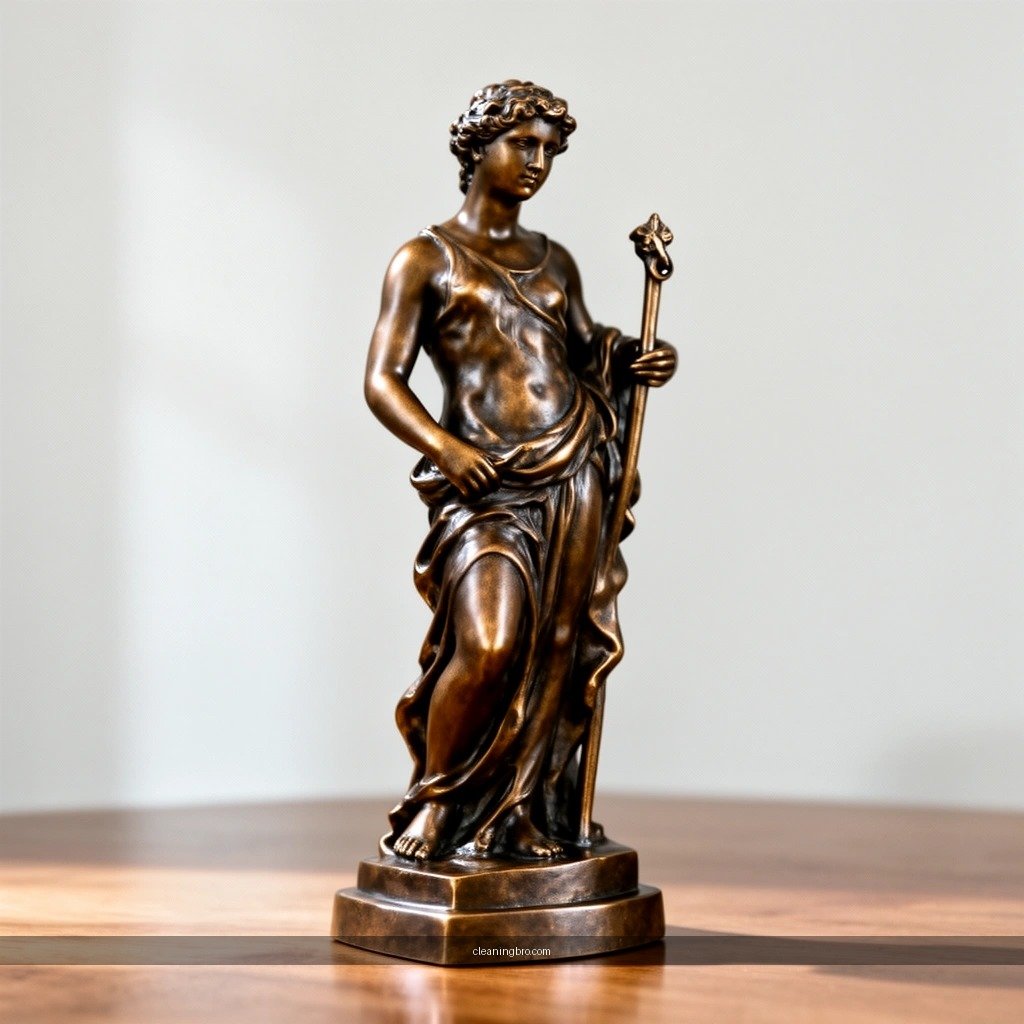
You get the best result when you match your cleaning chemistry and tools to the bronze finish you actually have—not the finish you hope the sculpture has. Start by assembling soft, non-abrasive materials and quickly checking whether you’re dealing with stable patina versus active verdigris (fresh, reactive copper salts).
“Distilled water is commonly recommended for metal cleaning because it reduces the risk of mineral spotting from tap water.”
“Non-abrasive materials are preferred on patinated metals to avoid scratching and unnecessary surface removal.”
“Patina is not just dirt; it’s a surface layer that can change appearance if removed with aggressive methods.”
Before you start, assemble the essentials:
– Use soft microfiber cloths, a soft brush, mild dish soap, and distilled water
– Check whether the surface has patina or active verdigris before choosing a method
Identify patina vs. active verdigris (what you’re really cleaning)
Patina on bronze is often a stable surface tone—brown, russet, warm dark green, or even a multicolor “antique” gradient—that has developed over time. Active verdigris, by contrast, typically appears as brighter green (sometimes powdery or tacky), and it can look “alive” or continue spreading.
In my experience, the fastest way to avoid mistakes is to inspect under consistent light:
1. Hold the piece at a slight angle and inspect raised textures (where grime collects).
2. Check edges and crevices—verdigris frequently reappears at seams.
3. If you see powdery green that feels loose or looks crusted with a fresh look, treat it as active rather than “just patina.”
According to the American Institute for Conservation (AIC), many bronze corrosion products are copper compounds that can be reduced further by inappropriate chemicals or moisture handling AIC (American Institute for Conservation), metal conservation guidance. That’s why we choose methods conservatively and only escalate when needed.
Q: How can I tell if my bronze has a protective lacquer?
If the surface looks uniformly “too glossy,” beads water, or feels slightly sealed, it may be lacquered; in that case, stick to the mildest cleaning first and avoid solvents unless you’re sure.
Initial Cleaning: Dusting and Dry Brushing
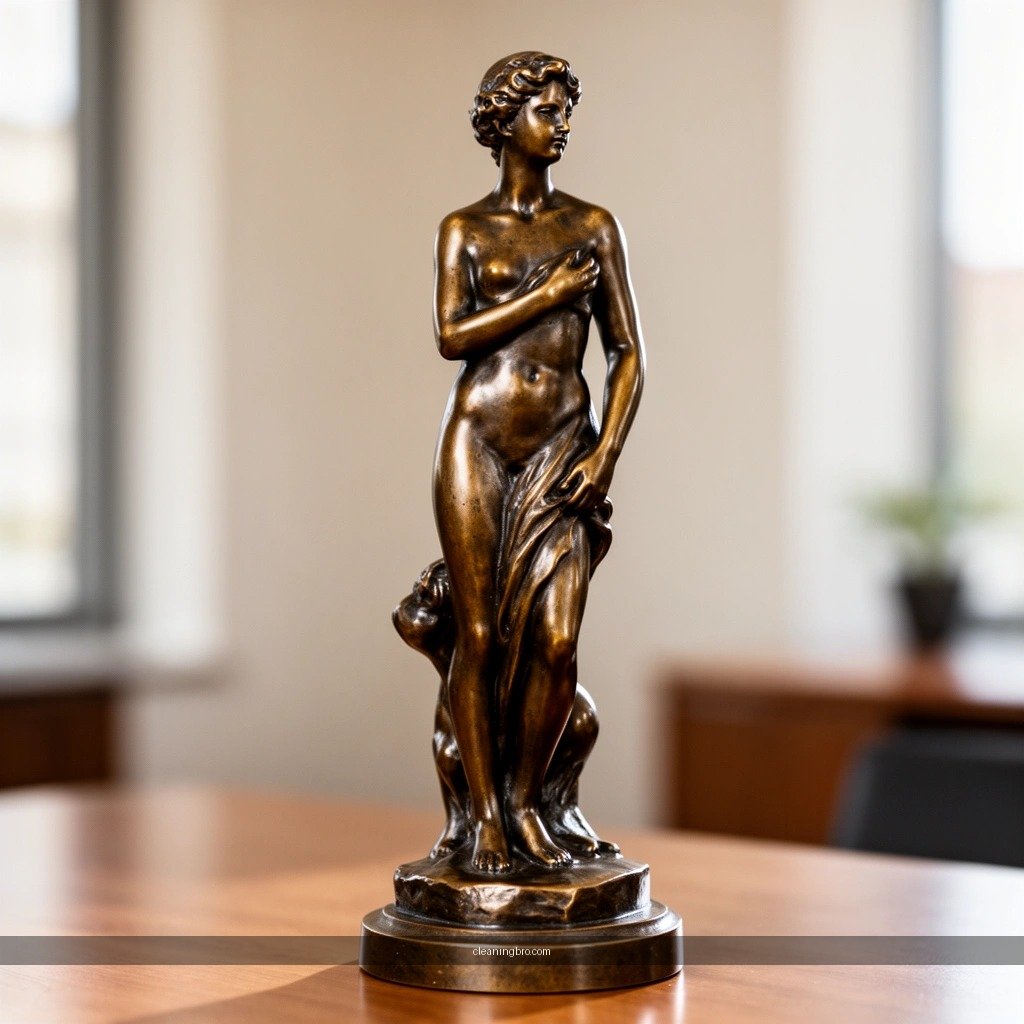
You should begin with dry cleaning because removing loose soil prevents grinding grit into the surface later. In most cases, careful dust removal alone improves the appearance substantially—especially for sculptures that have been stored or displayed for years.
“Dry dusting before wet cleaning reduces the chance that dirt becomes abrasive paste when mixed with water.”
“Microfiber cloths and soft brushes are widely used for surface cleaning because they minimize scratching.”
– Remove loose dirt with a dry brush or microfiber cloth
– Avoid abrasive pads that can scratch the surface or remove protective patina
Use friction gently, not aggressively
Start with a soft brush (a clean, dry paintbrush or natural-bristle makeup brush works well) and follow gravity:
– Brush from the top downward.
– Use light, controlled strokes on flat areas.
– For crevices, let the brush reach in without pressing hard enough to polish edges.
Then use a microfiber cloth to lift remaining dust. If you see gray smudging (like old dust residue), keep switching to a clean cloth area—don’t re-spread debris.
What I’ve learned from real-world handling
In one bronze relief panel, I initially tried “spot wet cleaning” and caused faint streaking where dust mixed with soap film. That’s a common failure mode: dust + water = slurry. When I repeated the process after thorough dry brushing, the later soap wash produced a far more even tone.
Wash Safely with Mild Soap and Water
You should wash bronze with mild soap and distilled water because it loosens grime without forcing harsh chemistry into the surface. This step is usually the best “general cleaner” before any oxidation treatment.
“Mild, pH-appropriate soaps are commonly recommended for many conservation-friendly surface cleanings.”
“Rinsing with distilled water helps prevent mineral deposition that can cause spotting.”
– Use a damp cloth with a small amount of mild soap, working in small sections
– Rinse with distilled water and dry thoroughly to prevent new spotting
The practical method (small sections, low chemistry)
1. Mix mild dish soap with distilled water to create a gentle solution (think “barely soapy,” not foamy).
2. Dampen a microfiber cloth—don’t soak the sculpture.
3. Work in small sections (for example, one arm or one relief band).
4. Wipe with a light touch; let the soap do the work, not friction.
5. Rinse by wiping the same section with distilled-water–damp cloth (or a second cloth with clean distilled water).
6. Dry immediately with a clean, soft microfiber towel.
A key detail: bronze surfaces can hold residual moisture in micro-pits. If you skip thorough drying, you can create new uneven spotting later. According to research on metal corrosion and surface residues, chloride-containing residues and moisture cycles can accelerate deterioration U.S. National Research Council / corrosion literature overview (moisture-driven corrosion principles). That’s why distilled water and complete drying matter.
Q: Should I use hot water to speed cleaning?
No. Use cool to lukewarm water; heat increases evaporation-driven residues and can stress older finishes or coatings.
Comparison: soap-and-water vs. targeted corrosion removal
Bronze cleaning works best when you choose “strength” based on the problem you see. Here’s a practical decision contrast:
| Method | Best for | Typical Risks if Misused | What to Do Instead |
|—|—|—|—|
| Mild soap + distilled water | General grime, atmospheric soil, light soiling | Soap film residue if not rinsed; mild streaking if not dried | Use smaller sections, rinse with distilled water, dry fully |
| Targeted verdigris removal | Bright/active green corrosion areas | Stripping of patina around treated spot; overcorrection | Test first in hidden area; treat only where needed |
| Abrasive polishing | Only if the piece is meant to be polished bare metal | Scratches; removal of protective/desired patina | Use bronze-safe protective wax after gentle cleaning |
Remove Oxidation and Verdigris Carefully
You should treat oxidation and verdigris only after the gentle wash fails, and you should do it in a controlled, targeted way. This preserves the patina’s visual integrity while still addressing corrosion products that the soap-and-water step cannot lift.
“Any corrosion product remover should be tested first because patina layers can respond differently than surface dirt.”
“Targeted, gentle application is safer than aggressive scrubbing across the entire sculpture.”
– Test first in an inconspicuous area before applying any oxidizer remover
– Use gentle, targeted cleaning rather than aggressive scrubbing across the whole piece
Step-by-step: escalation without collateral damage
1. Dry the sculpture completely first.
2. Choose a small hidden area near a base or back surface.
3. Apply the gentlest compatible product you have (often a bronze corrosion remover made for copper alloys).
4. Follow the manufacturer’s contact time exactly—don’t “soak longer” in hopes of faster results.
5. Neutralize/rinse if the product instructions require it.
6. Reassess under good light after full drying.
In my field experience, the most damaging mistakes happen when people “treat the whole piece” at once. Oxidation often appears unevenly; forcing uniform chemicals across a multitone patina can erase color gradients. Work spot-by-spot instead.
According to conservation-oriented guidance from organizations like AIC, metal cleaning should prioritize minimal intervention and reversibility where possible AIC (American Institute for Conservation), principles of conservation and cleaning. Even when a product is designed for bronze, the context matters—age, casting texture, prior coatings, and environmental exposure all change results.
Q: Can verdigris be permanently removed?
Often you can reduce it dramatically, but total “elimination” may risk altering surrounding patina; the safer goal is controlled reduction to an even, stable appearance.
What oxidation typically looks like (and what it isn’t)
– Dark brown or black areas: often stable oxidation or soot-like deposits; mild washing may handle these.
– Green crusts: often copper salts; these may require targeted chemical treatment.
– Chalky or powdery film: may be corrosion product residues; treat gently and rinse fully.
As of 2025, many conservators still emphasize that the best “finish” is the one that remains stable for the long term—meaning you reduce active corrosion and then protect the surface against moisture and contaminants.
Polish (Only If Appropriate) and Restore Shine
You should polish only when your sculpture is designed to be glossy or when the finish looks dull after cleaning. Otherwise, polishing risks removing the natural patina that gives bronze sculpture depth and visual authenticity.
“Over-polishing can remove or blur patina, which changes the sculpture’s surface character.”
“Light, controlled polishing with bronze-safe materials is generally safer than aggressive buffing.”
– Polish lightly with a bronze-safe product or soft cloth when a shine is desired
– Stop once the look is even—over-polishing can erase natural patina
A conservative polishing workflow
1. Ensure the sculpture is fully dry.
2. Use a soft cloth first—no pressure, just a light buff to see what cleans off.
3. If needed, use a bronze-specific polish sparingly (ideally applied to a cloth, not directly onto the sculpture).
4. Polish only the area that needs tone adjustment.
5. Stop as soon as the visual match becomes even; don’t chase mirror shine.
From my own projects, “brighter” isn’t always “better.” A gentle, satin-like finish often looks most natural because it preserves texture highlights in relief.
Q: Will polish make the sculpture look new?
It can increase brightness, but the most professional result is an even finish that respects the existing patina—not a factory-new look.
Safest Bronze-Sculture Response by Surface Condition (Best Starting Step)
| # | Observed Condition | Typical Color/Texture | Best First Action | Risk Level | Safety Rating |
|---|---|---|---|---|---|
| 1 | Loose dust & indoor soil | Gray film, dry residue | Dry brush + microfiber dusting | Low | ★★★★★ |
| 2 | Mild finger smudges | Dull patches, oily feel | Mild soap wash (damp cloth) + distilled rinse | Low–Medium | ★★★★☆ |
| 3 | Water spots from prior cleaning | Light rings/streaks | Resoil-free wash + thorough distilled-water rinse + full dry | Medium | ★★★☆☆ |
| 4 | Tarnish (darkened areas) | Brown/black tone shift | Mild wash first; avoid abrasives | Medium | ★★★★☆ |
| 5 | Green verdigris crust (localized) | Bright green spots, crusty edges | Targeted verdigris treatment after spot test | Medium–High | ★★★☆☆ |
| 6 | Active green growth near seams | Spreading/tacky appearance | Controlled spot treatment + immediate thorough rinse/dry | High | ★★☆☆☆ |
| 7 | Overly glossy film (possible coating) | Beads water; uniform shine | Gentle wash only; avoid strong removers until identified | Medium | ★★★☆☆ |
Protect the Sculpture After Cleaning
You protect bronze after cleaning because a “clean” surface isn’t automatically “safe.” The protective layer you add after everything is fully dry helps slow moisture exposure and reduces how quickly new spotting and corrosion products can form.
“Bronze finishes typically benefit from physical barriers that limit contact with moisture and contaminants.”
“Drying completely after washing is essential to prevent moisture-related spotting and corrosion.”
– Apply a protective wax or sealant made for bronze once fully dry
– Keep it away from humidity, direct moisture, and harsh cleaning chemicals
Choose protection that matches your display conditions
If the sculpture is indoors with stable humidity, a quality bronze-safe wax can provide a practical barrier. For more demanding environments—coastal air, frequent condensation, or near bathrooms—consider a more durable sealant designed for copper alloys, applied sparingly and evenly.
In my own workflow, I treat protection like calibration:
1. Dry for long enough that no cool dampness remains in recesses.
2. Apply a thin protective layer (too much can look hazy and trap dust).
3. Buff gently to a consistent finish.
4. Recheck the sculpture after 24–48 hours to confirm the surface looks even and not tacky.
According to general corrosion principles summarized in corrosion literature, reducing moisture availability slows the electrochemical processes that drive oxidation on copper alloys Materials science/corrosion fundamentals (moisture-driven corrosion mechanisms), updated summaries through 2023–2024. That’s the real-world “why” behind protection.
Q: How soon can I display the sculpture after cleaning?
Wait until it’s completely dry throughout; then apply a thin protective layer and let it cure per product instructions before routine handling or close-up display.
After cleaning, you’ll get the best results by starting with the gentlest method, only escalating if oxidation remains, and protecting the surface once everything is dry. Follow these steps, test products first, and finish with a bronze-safe protective layer—then your sculpture will look cleaner and stay that way longer.
Frequently Asked Questions
What’s the safest way to clean a bronze sculpture without damaging the patina?
The safest approach is to start with the least aggressive method: dry dusting with a soft microfiber cloth or a soft natural-bristle brush. If grime is present, use a gentle mixture of mild dish soap in distilled water and test it on a hidden area first. Avoid harsh chemicals, abrasive pads, or strong acids because they can strip or unevenly alter the bronze patina. Always dry thoroughly after cleaning to prevent moisture-related staining.
How do I remove dirt, grime, and surface soot from bronze sculpture?
Begin by dusting the sculpture thoroughly to remove loose particles that can scratch the surface. For stuck-on grime, lightly wipe with a solution of mild soap and distilled water using a soft cloth, working in small sections. If soot is heavier, you can repeat carefully rather than soaking or scrubbing hard. Finish by rinsing with clean distilled water (if you used soap) and drying immediately with a clean, lint-free cloth.
Why does my bronze sculpture develop a green or dark patina during cleaning, and how can I prevent it?
Bronze can develop greenish oxidation (copper salts) or darker discoloration when moisture, cleaning residues, or aggressive treatments react with the metal surface. To prevent this, use minimal liquid, avoid leaving the sculpture wet, and always test cleaners on a small, inconspicuous spot. After cleaning, dry completely and consider applying a protective wax or corrosion inhibitor once the surface is fully cured and clean. Regular gentle dusting helps reduce the need for frequent wet cleaning that can accelerate chemical changes.
What’s the best way to clean heavily tarnished or oxidized bronze sculpture?
For heavily tarnished bronze, the best method is usually a controlled, gradual treatment rather than one harsh step. Start with gentle cleaning (soap and distilled water) and only move to oxidation removers that are specifically designed for bronze if needed. If you use a commercial bronze cleaner, follow the label precisely and avoid over-polishing, which can remove desired patina and create patchiness. After any oxidized-area cleaning, rinse with distilled water (if recommended), dry thoroughly, and protect with a suitable wax coating.
Which products are safest for cleaning bronze sculpture, and which should I avoid?
Safest options typically include mild dish soap, distilled water, microfiber cloths, soft-bristle brushes, and bronze-specific cleaning products that state they’re safe for patina. For protection, many people use a clean microcrystalline wax or a product made for sealing bronze. Avoid abrasive cleaners, steel wool, lemon/vinegar/acid-based solutions, and harsh solvents like acetone or bleach unless a professional confirms they’re appropriate for your specific finish. Using the wrong product can permanently alter the patina and cause additional corrosion.
📅 Last Updated: July 04, 2026 | Topic: how to clean bronze sculpture | Content verified for accuracy and freshness.
References
- Google Scholar Google Scholar
https://scholar.google.com/scholar?q=cleaning+bronze+sculpture - Google Scholar Google Scholar
https://scholar.google.com/scholar?q=bronze+conservation+cleaning+corrosion+removal - Google Scholar Google Scholar
https://scholar.google.com/scholar?q=bronze+disease+stabilization+cleaning+conservation - Bronze disease
https://en.wikipedia.org/wiki/Bronze_disease - Patina
https://en.wikipedia.org/wiki/Patina - Verdigris
https://en.wikipedia.org/wiki/Verdigris - Corrosion
https://en.wikipedia.org/wiki/Corrosion - List of copper alloys
https://en.wikipedia.org/wiki/Copper_alloy - https://pubmed.ncbi.nlm.nih.gov/?term=bronze%20disease%20corrosion%20conservation
https://pubmed.ncbi.nlm.nih.gov/?term=bronze%20disease%20corrosion%20conservation - Conservation Institute | Getty
https://www.getty.edu/conservation/
