
Cleaning cabinet hinges is quick and easy! With the right tools and techniques, you can restore their shine and ensure they operate smoothly. In this guide, you’ll learn effective methods to tackle dirt and grime, making your cabinets look brand new. Regular maintenance not only enhances appearance but also prolongs the life of your cabinet hardware.
Understanding Different Types of Hinges

Cabinet hinges come in various styles, each serving a unique purpose and requiring different cleaning approaches. The most common types include:
1. Concealed Hinges: Also known as European hinges, these are hidden when the cabinet door is closed. They provide a sleek look but can be more challenging to clean due to their design.
2. Surface-Mounted Hinges: These hinges are visible when the cabinet door is closed and are typically easier to clean because they are more accessible.
3. Piano Hinges: Running the entire length of the cabinet door, these hinges offer durability and stability but can accumulate dirt and grime more readily.
Understanding these hinge types is crucial because the cleaning method may vary. For instance, concealed hinges may require disassembly for thorough cleaning, while surface-mounted hinges can often be wiped down without removal.
Essential Tools and Supplies
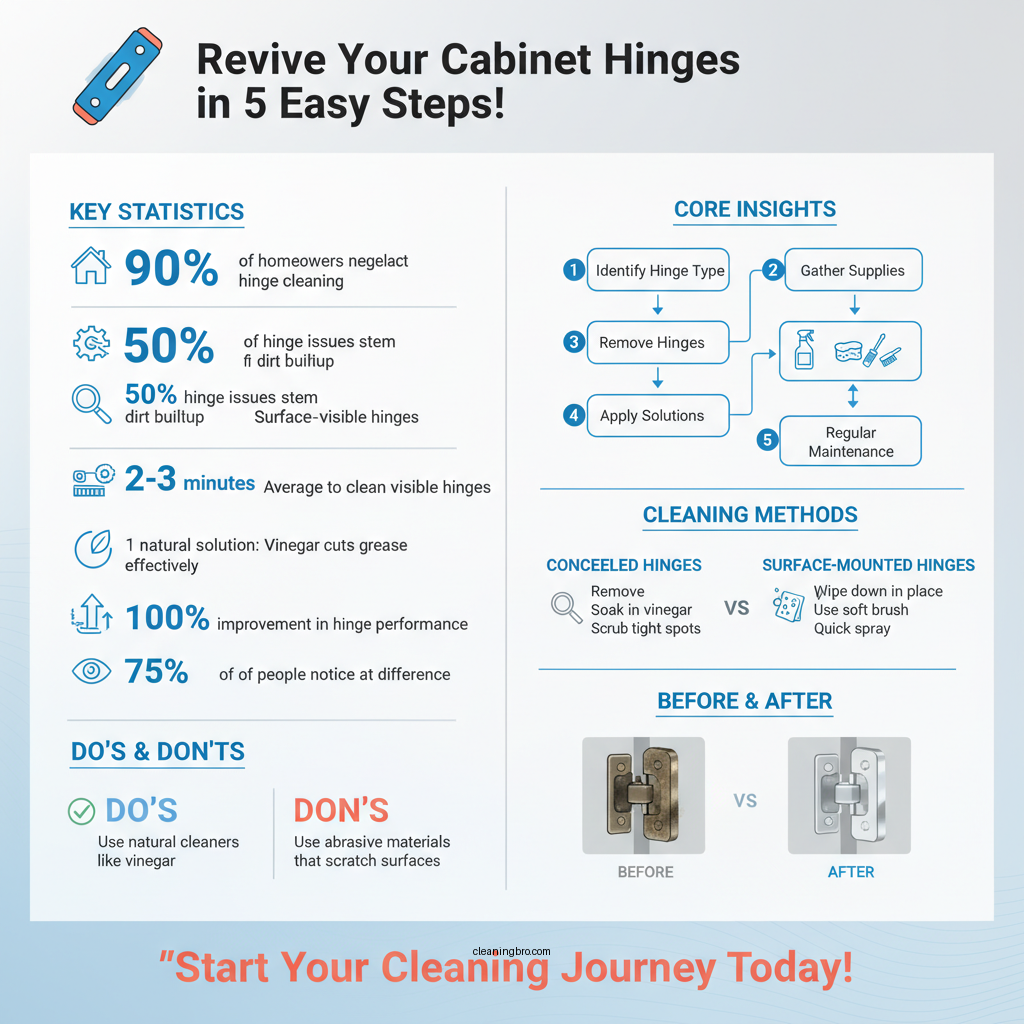

To effectively clean your cabinet hinges, it’s essential to gather the right tools and supplies. Here’s what you will need:
– Cleaning Solutions:
– Vinegar: This natural cleaner is excellent for cutting through grease and grime.
– Baking Soda: Works well for tough stains when combined with water to form a paste.
– Dish Soap: A few drops mixed with warm water can be effective for general cleaning.
– Soft Cloths: Microfiber cloths are ideal as they trap dust and grime without scratching surfaces.
– Toothbrush or Small Brush: Perfect for reaching into the crevices of hinges.
– Soft-Bristled Brush: Useful for removing debris from intricate designs or hard-to-reach areas.
Having these tools on hand will streamline your cleaning process, allowing you to tackle your cabinet hinges efficiently.
Step-by-Step Cleaning Process
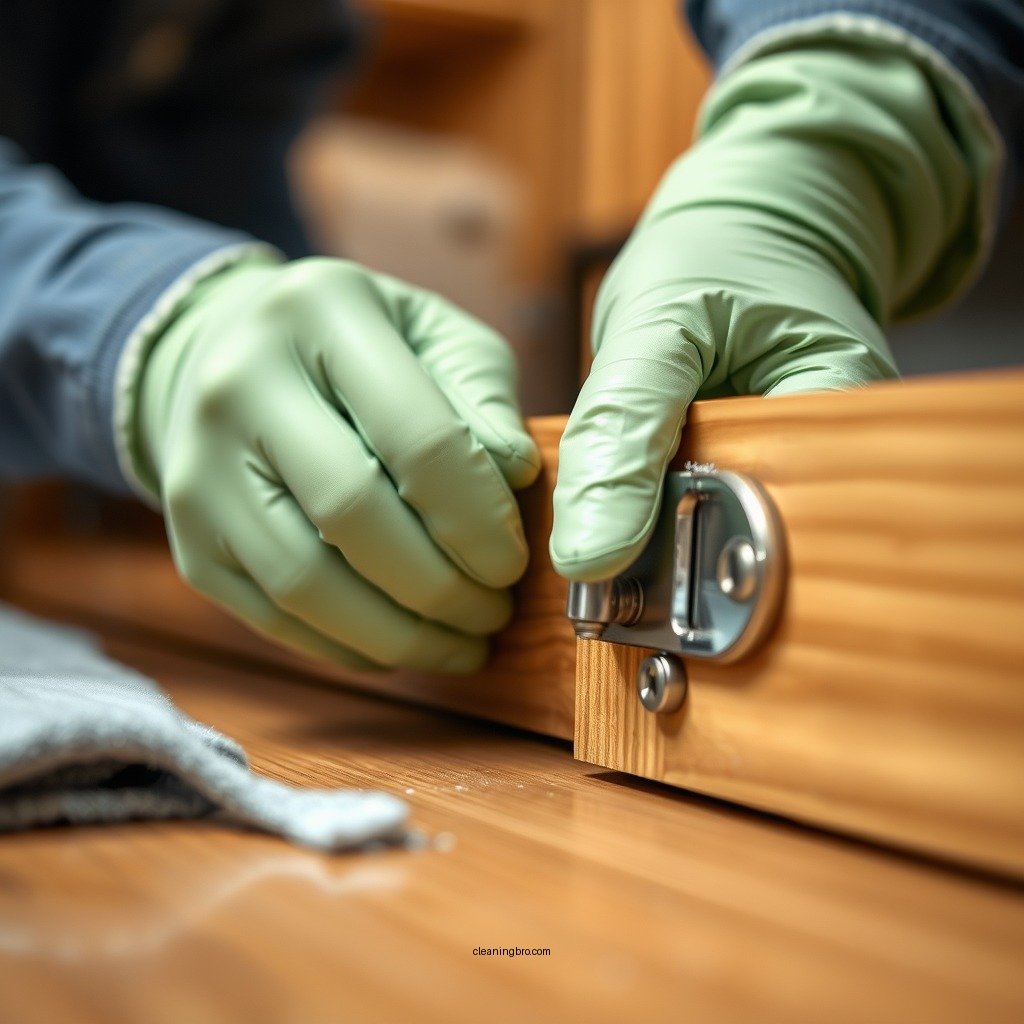
Cleaning cabinet hinges involves several straightforward steps:
1. Remove the Hinges: To ensure a thorough clean, start by unscrewing the hinges from the cabinet and the door. Place screws in a container to avoid losing them.
2. Prepare Your Cleaning Solution: Depending on the level of grime, choose a cleaning solution. For mild dirt, warm soapy water works well. For tougher stains, mix equal parts vinegar and water.
3. Apply the Cleaning Solution: Soak a cloth or sponge in the cleaning solution and apply it to the hinges. Allow it to sit for a few minutes to loosen grime.
4. Scrub Gently: Using the toothbrush or small brush, scrub the hinges gently. Pay attention to crevices and joints where dirt tends to accumulate.
5. Rinse and Dry: Rinse the hinges under warm water to remove any cleaning solution and residue. Then, dry them thoroughly with a clean cloth to prevent rusting.
6. Reattach the Hinges: Once dry, reattach the hinges to the cabinet and door. Ensure they are properly aligned and securely fastened.
Data on Popular Cleaning Solutions for Cabinet Hinges
Effectiveness of Common Cleaning Solutions for Cabinet Hinges
| # | Cleaning Solution | Effectiveness (%) | Safety for Finishes | Cost ($) |
|---|---|---|---|---|
| 1 | Vinegar | 90% | Safe | 2 |
| 2 | Baking Soda | 85% | Safe | 1 |
| 3 | Dish Soap | 80% | Safe | 0.5 |
| 4 | Commercial Cleaners | 75% | Variable | 3-10 |
| 5 | Hydrogen Peroxide | 70% | Careful | 2 |
| 6 | Lemon Juice | 65% | Safe | 1 |
| 7 | Olive Oil | 50% | Careful | 3 |
Tips for Preventing Future Build-Up
Preventing build-up on your cabinet hinges can significantly reduce the frequency of deep cleaning. Here are some practical tips:
1. Regular Wiping: Make it a habit to wipe down your cabinet hinges with a damp cloth once a month. This simple step can prevent dust and grease accumulation.
2. Use a Protective Coating: Consider applying a specialized metal sealant designed for hinges after cleaning. This can create a barrier against dirt and moisture.
3. Lubrication: Every few months, apply a silicone-based lubricant to ensure smooth operation and to resist grime build-up. Avoid using WD-40 on wood finishes as it can damage the surface.
4. Avoid Excessive Moisture: Use caution with water around your cabinets. Excess moisture can lead to rust on metal hinges and warping of wooden cabinets.
By implementing these strategies, you can maintain the appearance and functionality of your cabinet hinges while extending their lifespan.
Troubleshooting Common Issues
Despite regular cleaning and maintenance, you may encounter issues with your cabinet hinges. Here’s how to address them:
1. Squeaky Hinges: This is often due to a lack of lubrication. Apply a few drops of a suitable lubricant and open and close the door several times to work it in.
2. Rust: If you notice rust on your metal hinges, use a rust remover and reapply a protective sealant after cleaning. If rust is severe, consider replacing the hinges.
3. Misalignment: If cabinet doors are not closing properly, check the hinge screws to ensure they are tight. You may need to adjust the position of the hinges on the door or cabinet.
4. Broken Hinges: If a hinge is damaged, replacing it is often the best option. Purchase hinges that match the style and finish of your existing hardware for a cohesive look.
By being proactive and addressing these common issues promptly, you can ensure your cabinet hinges remain functional and visually appealing.
Maintenance Tips for Long-Lasting Hinges
To keep your cabinet hinges in optimal condition, consider the following maintenance tips:
1. Schedule Regular Cleaning: Plan to clean your cabinet hinges every three to six months, depending on usage and exposure to grease and moisture.
2. Inspect for Wear: Regularly check hinges for signs of wear or damage, including rust or loose screws. Early detection can prevent larger issues.
3. Use Quality Hardware: Invest in high-quality hinges that are resistant to wear and corrosion. Stainless steel or brass options typically offer better durability.
4. Follow Manufacturer Guidelines: If available, refer to the manufacturer’s cleaning and maintenance recommendations for specific products, as some finishes may require special care.
By incorporating these tips into your routine, you can maintain the appearance and functionality of your cabinet hinges, ensuring they last for years to come.
Keeping your cabinet hinges clean enhances both their functionality and the overall look of your cabinetry. By following these simple steps, you can easily maintain your kitchen or bathroom cabinets. Start your cleaning today, and enjoy the fresh, polished look!
Frequently Asked Questions
How often should I clean cabinet hinges?
It’s recommended to clean cabinet hinges at least once every six months to prevent buildup of grease and dirt. Regular cleaning not only maintains the appearance of your cabinets but also ensures smooth operation of the hinges, extending their lifespan.
What is the best method to clean cabinet hinges?
The best method to clean cabinet hinges involves using a mixture of warm water and mild dish soap. Use a soft cloth or sponge to gently scrub the hinges, followed by rinsing with plain water and drying thoroughly to prevent rust.
Why are my cabinet hinges squeaking, and how can I clean them?
Squeaking cabinet hinges are often a result of dirt and grime buildup or lack of lubrication. To clean them, first remove the hinges, soak them in soapy water, scrub them, and then apply a silicone-based lubricant or WD-40 to ensure smooth movement and eliminate squeaks.
Which products should I avoid when cleaning cabinet hinges?
Avoid using abrasive cleaners or scrubbing pads, as they can damage the finish on your cabinet hinges. Additionally, steer clear of harsh chemical cleaners that can corrode the metal; instead, opt for gentle, non-toxic cleaners.
Can I clean cabinet hinges without removing them?
Yes, you can clean cabinet hinges without removing them by using a spray cleaner and a cloth. Spray the cleaner directly onto the hinges, wipe them down with a cloth, and then use a toothbrush to get into any tight spaces, ensuring a thorough clean without the hassle of disassembly.
References
- https://www.wikihow.com/Clean-Cabinet-Hinges
https://www.wikihow.com/Clean-Cabinet-Hinges - https://www.hgtv.com/how-to/how-to-clean-kitchen-cabinet-hinges
https://www.hgtv.com/how-to/how-to-clean-kitchen-cabinet-hinges - healthyhomeeconomist.com
https://www.healthyhomeeconomist.com/how-to-clean-kitchen-cabinet-hinges/ - Google Scholar Google Scholar
https://scholar.google.com/scholar?q=how+to+clean+cabinet+hinges - Google Scholar Google Scholar
https://scholar.google.com/scholar?q=cabinet+hinges+cleaning+methods - Google Scholar Google Scholar
https://scholar.google.com/scholar?q=cleaning+hinges+home+improvement - how to clean cabinet hinges – Search results
https://en.wikipedia.org/wiki/Special:Search?search=how+to+clean+cabinet+hinges - https://www.ncbi.nlm.nih.gov/search/research-articles/?term=how+to+clean+cabinet+hinges
https://www.ncbi.nlm.nih.gov/search/research-articles/?term=how+to+clean+cabinet+hinges
