
Cleaning car speakers effectively can enhance sound quality and prolong their lifespan. By following a few straightforward techniques, you can ensure your speakers remain in optimal condition. In this article, you will learn essential tips and methods for cleaning your car speakers safely and efficiently, ultimately providing a better audio experience on the road.
Understanding Your Car Speakers
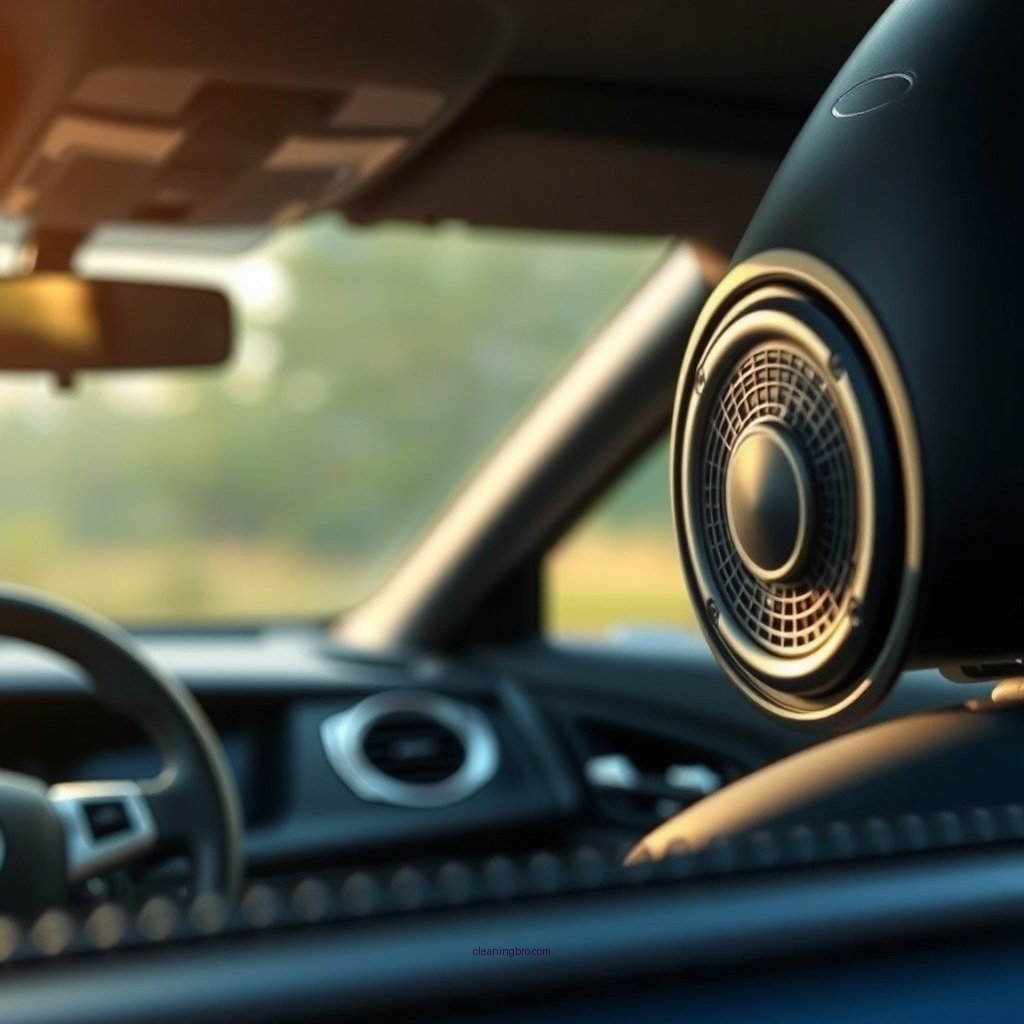
Before embarking on the cleaning process, it’s crucial to understand the different types of car speakers and their materials. Car speakers primarily come in two types: coaxial and component speakers. Coaxial speakers, often termed full-range speakers, integrate multiple speaker elements into a single unit, making them compact and convenient. On the other hand, component speakers are designed with separate components for the woofer and tweeter, allowing for superior sound quality and more precise audio reproduction.

Knowing the materials that comprise your speakers is critical for effective cleaning. Speaker cones can be made of various materials, including paper, plastic, and composite materials, each requiring different cleaning approaches. For instance, paper cones are more susceptible to damage from moisture, while plastic components may hold up better against cleaning solutions. Understanding these nuances will help you choose the appropriate cleaning methods and products.
Materials Needed for Cleaning
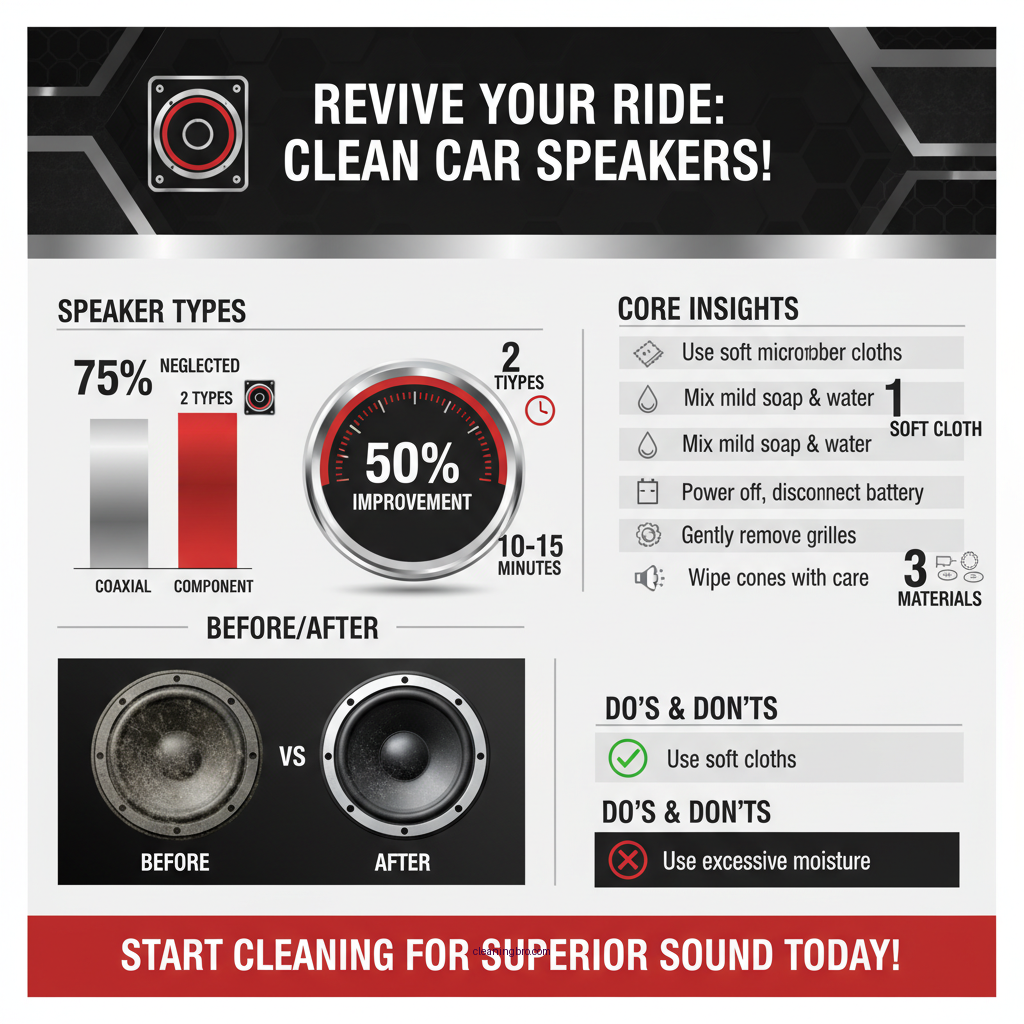
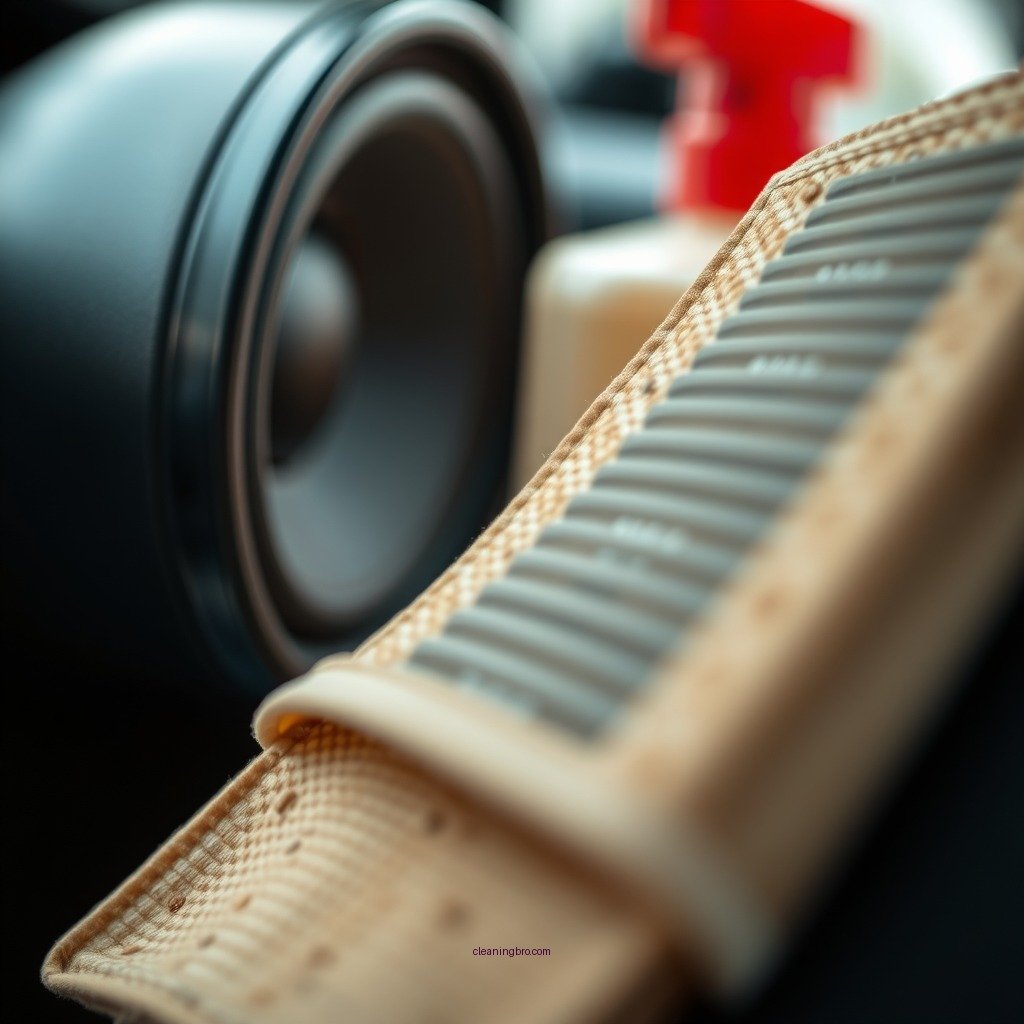
To clean your car speakers effectively, gather the following materials:
– Soft Microfiber Cloths or Brushes: These are essential for safely removing dust and debris without scratching the speaker surfaces.
– Cleaning Solutions: A mixture of water and mild soap is usually sufficient. For tougher grime, consider specialized electronic cleaners that are safe for speaker materials.
Having the right materials at hand is critical for achieving the best results while minimizing the risk of damage to your speakers.
Step-by-Step Cleaning Process
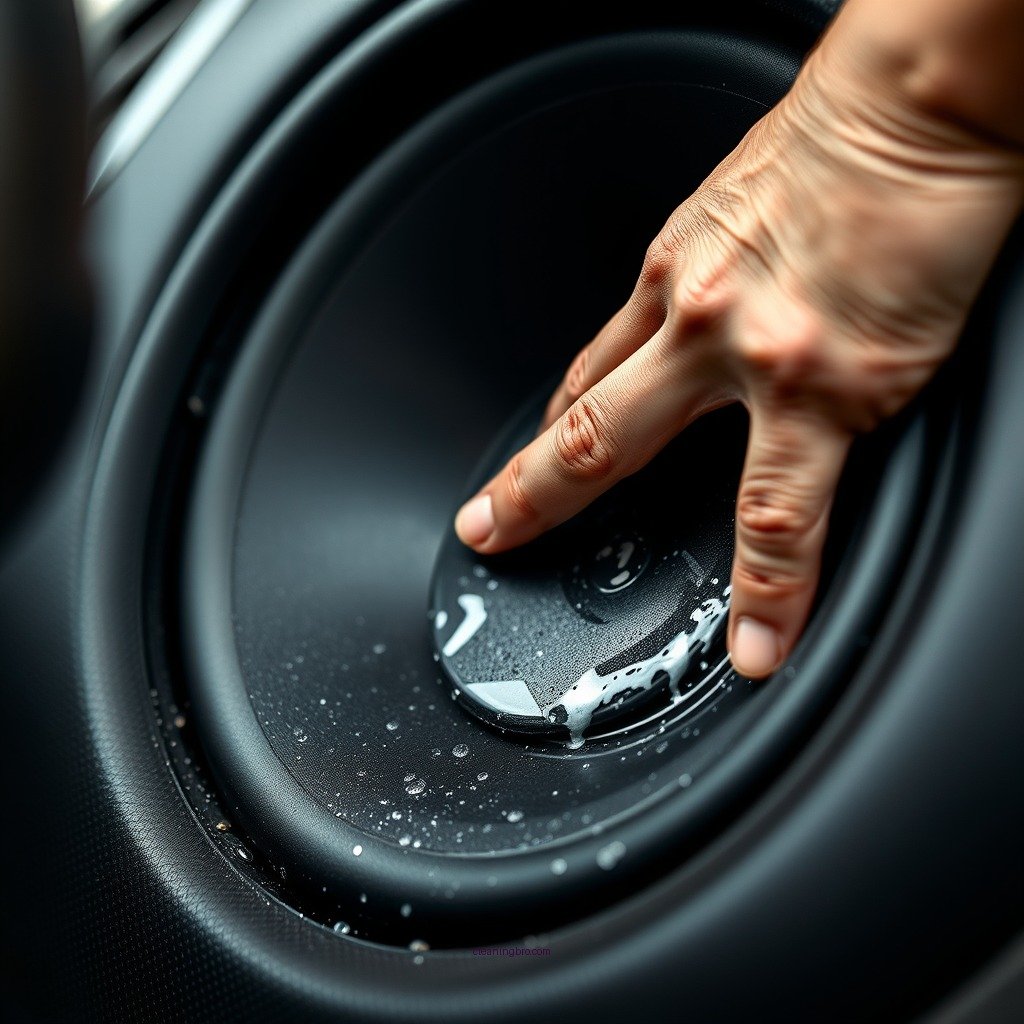
To clean your car speakers systematically, follow these detailed steps:
1. Power Off the Car and Disconnect the Battery (if Necessary): This step is crucial to prevent any electrical issues or shocks while working on the speakers.
2. Gently Remove the Speaker Grilles or Covers if Applicable: If your speakers have removable grilles, take them off carefully to access the cones and surrounds without damaging any clips or components.
3. Wipe Down the Speaker Cones and Surrounds Carefully: Use a dry microfiber cloth to remove loose dust and debris. For any remaining dirt, lightly dampen a cloth with your cleaning solution and gently wipe the speaker cones and surrounds. Be particularly cautious around the edges to avoid damaging the cone’s integrity.
By following this methodical approach, you can ensure that your speakers are cleaned effectively without risking any damage.
Cleaning Speaker Grills and Surrounds
The speaker grilles and surrounds can accumulate dust and grime over time. Here’s how to clean them properly:
– Use a Damp Cloth: Lightly moisten a microfiber cloth with your cleaning solution. Wipe down the grilles gently, ensuring not to soak them, as excess moisture can seep through and damage the speakers.
– Avoid Harsh Chemicals: It’s vital to refrain from using harsh chemicals that can strip away finishes or damage the materials. Stick to mild soap and water or specialized cleaners designed for electronics.
By taking care with the cleaning process, you can maintain the appearance and functionality of your speaker grilles.
Tips for Maintaining Clean Speakers
To keep your car speakers in prime condition, consider the following maintenance tips:
– Regularly Dust Speakers: Make it a habit to dust your speakers every few weeks to prevent the buildup of dirt and debris, which can affect sound quality.
– Keep Windows Closed When Parked: To minimize dirt entry into your vehicle, ensure that windows are closed when parked, especially in dusty or windy conditions.
Implementing these simple maintenance strategies can significantly prolong the lifespan of your speakers and improve your overall listening experience.
Troubleshooting Common Speaker Issues
Cleaning is not only about aesthetics; it also helps identify potential issues. Here’s what to look out for:
– Identifying Damage from Dirt or Moisture: If you notice a decrease in sound quality or visible damage, such as frayed wires or water stains, these may be signs of deeper issues that need addressing.
– When to Seek Professional Help for Repairs: If you identify significant damage or if the cleaning does not resolve sound issues, it may be time to consult a professional audio technician. They can provide a thorough inspection and recommend necessary repairs or replacements.
Being proactive in identifying and addressing issues can help maintain your speakers’ performance.
Final Touches and Reassembly
After cleaning, ensure you take these final steps:
– Ensure All Components Are Dry Before Reassembly: Moisture can cause damage to electronic components, so allow everything to dry thoroughly before reassembling or reconnecting any parts.
– Double-Check Connections Before Reconnecting to the Power Source: Ensure that all connections are secure and that no debris is left in the speaker housing. This step will help prevent any electrical issues when powering your system back on.
Taking the time to complete these final checks ensures that your speakers will function correctly after cleaning.
Maintaining clean car speakers is crucial for optimal sound quality and longevity. By following these steps, you can keep your speakers in top condition, ensuring a better listening experience. For ongoing maintenance, remember to perform regular cleanings and check for any signs of wear or damage. With proper care, your car speakers will continue to deliver high-quality sound for years to come.
Frequently Asked Questions
How do I safely clean the speaker grilles in my car?
To safely clean the speaker grilles in your car, start by using a soft-bristled brush or a microfiber cloth to gently remove dust and debris. Avoid using water or cleaning solutions directly on the speakers, as moisture can damage the components. For stubborn dirt, a slightly damp cloth can be used, but ensure it is well-wrung out to prevent any liquid from seeping into the speakers.
What materials do I need to clean my car speakers effectively?
To clean your car speakers effectively, gather a soft-bristled brush, microfiber cloths, a vacuum with a brush attachment, and a can of compressed air. These materials will help you remove dust and dirt without damaging the speakers. Avoid harsh chemicals or abrasive materials that could scratch or harm the speaker surfaces.
Why is it important to clean the speakers in my car regularly?
Cleaning the speakers in your car regularly is important because accumulated dust and debris can affect sound quality and lead to distortion. Additionally, dirt can build up and cause wear on the speaker components over time. By maintaining clean speakers, you ensure optimal audio performance and extend the life of your car’s sound system.
What is the best way to remove sticky residue from car speakers?
The best way to remove sticky residue from car speakers is to use a mixture of mild soap and water on a soft cloth. Lightly dampen the cloth and gently rub the affected area, avoiding excess moisture. For stubborn residues, consider using isopropyl alcohol on a cotton swab, but be careful not to saturate the speaker material.
Which cleaning products should I avoid when cleaning my car speakers?
When cleaning your car speakers, avoid using ammonia-based cleaners, bleach, or any harsh chemicals that can damage the speaker materials. Additionally, steer clear of abrasive pads or scrubbers that could scratch the surface. Instead, opt for gentle, non-toxic cleaning solutions to maintain the integrity of your audio equipment.
References
- Rivian R1S debuts with 410 miles of range: What the Tesla Model X should’ve been
https://www.thecarconnection.com/news/1120128_how-to-take-care-of-your-car-audio-system - https://www.edmunds.com/car-technology/how-to-clean-your-car-speakers.html
https://www.edmunds.com/car-technology/how-to-clean-your-car-speakers.html - https://www.carsguide.com.au/car-advice/how-to-clean-your-car-audio-system-79452
https://www.carsguide.com.au/car-advice/how-to-clean-your-car-audio-system-79452 - Google Scholar Google Scholar
https://scholar.google.com/scholar?q=how+to+clean+speakers+in+car - Google Scholar Google Scholar
https://scholar.google.com/scholar?q=car+audio+maintenance+cleaning - Google Scholar Google Scholar
https://scholar.google.com/scholar?q=cleaning+car+speakers - https://www.nytimes.com/2020/04/20/automobiles/car-cleaning.html
https://www.nytimes.com/2020/04/20/automobiles/car-cleaning.html - https://www.bbc.com/news/technology-51860785
https://www.bbc.com/news/technology-51860785 - how to clean speakers in car – Search results
https://en.wikipedia.org/wiki/Special:Search?search=how+to+clean+speakers+in+car - https://www.ncbi.nlm.nih.gov/search/research-articles/?term=how+to+clean+speakers+in+car
https://www.ncbi.nlm.nih.gov/search/research-articles/?term=how+to+clean+speakers+in+car
