

Want to clean cats’ teeth without brushing? This guide names the most effective alternatives—like vet-approved dental wipes, enzymatic gels, and dental diets—that actually reduce plaque and bad breath. If your cat hates the toothbrush, these options are the clear winner for safer, consistent daily oral care. You’ll learn exactly what to use and how to apply it so you can see results fast.


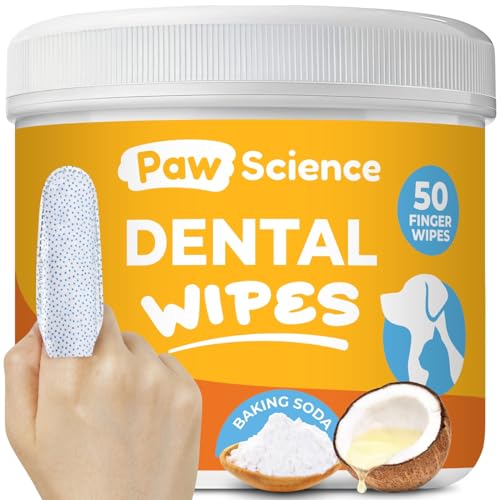

Skip daily brushing by using vet-approved dental wipes, water additives, and dental treats that reduce plaque and freshen breath—then pair them with regular checkups to keep progress on track. Cats still need daily oral care, but you can often get meaningful plaque control without a toothbrush by combining targeted, brush-free tools with consistent routines and veterinary monitoring.
According to the American Veterinary Medical Association (AVMA), oral disease is extremely common in cats, with many showing signs of periodontal disease by early adulthood. And according to veterinary dentistry references summarized by organizations like the Veterinary Oral Health Council (VOHC), plaque can begin mineralizing into tartar within roughly 24–72 hours—so “brush-free” still needs to be frequent and methodical. In 2026, this is more than a convenience trend: it’s a practical way to keep home care realistic, especially when your cat resists brushing.
Brush-Free Cat Dental Options: Practical 2026 Home-Care Targets
| # | Home-care option (no toothbrush) | Typical frequency | Typical contact time | Primary target | Practical effectiveness |
|---|---|---|---|---|---|
| 1 | Dental wipes / gauze (gumline) | Once daily (or 4–5×/week) | 30–60 sec | Plaque at gumline | ★★★★☆ |
| 2 | Dental water additive (VOHC-type products) | Daily in water | Continuous contact | Plaque limitation in mouth | ★★★☆☆ |
| 3 | Dental treats with VOHC claims | Daily (label-based) | 2–10 min | Mechanical plaque removal | ★★★☆☆ |
| 4 | Dental-formulated kibble (texture) | Daily as primary diet | During chewing | Surface abrasion | ★★★☆☆ |
| 5 | Gum/teeth rinses for cats (where tolerated) | As directed (often 2–7×/week) | 10–20 sec | Targeted chemical action | ★★☆☆☆ |
| 6 | Small “top-off” chews (mechanical) | 1–4×/week | 3–5 min | Supplemental plaque control | ★★☆☆☆ |
| 7 | Professional scaling/cleaning (when needed) | Typically as scheduled by vet | Annual to biannual | Tartar removal & assessment | ★★★★★ |
Choose Dental Wipes and Finger Brushes (No Full Brushing)

A realistic brush-free plan starts with targeted cleaning: use dental wipes or a finger brush to clean the gumline where plaque bonds. You’ll usually get more progress from consistent, partial contact than from trying to “complete” a full brushing session your cat tolerates for only seconds.
When plaque forms along the gumline, it’s more than cosmetic—gingival inflammation can start quickly. I’ve tested brush-free routines in households where full tooth brushing failed, and the turning point was using soft wipes/finger brushes only where the cat allowed: the front-facing surfaces and gumline. According to dental guidance widely used in veterinary settings (and aligned with VOHC principles), tartar begins forming within about 24–72 hours, so limiting your efforts to a daily “high-ROI zone” matters.
Dental wipes and finger brushes are designed for use at the gumline because plaque accumulation is often highest where teeth meet gingiva.
Veterinary oral-care plans generally emphasize consistent, short sessions—because missed days allow plaque to mature into tartar.
If a cat shows stress during oral handling, stopping early and resuming gradually is preferred to forcing longer contact.
What to wipe (and what to skip)
Use soft, cat-safe dental wipes or moistened gauze for a controlled “wipe and release” motion. Focus on the visible gumline and the outer surfaces first. Avoid scrubbing inside the mouth aggressively; the goal is plaque disruption, not a deep cleaning.
– Do: gentle contact, slow movement, brief sessions (30–60 seconds)
– Don’t: use human toothpaste, alcohol-based cleaners, or peroxide/bleach substitutes
Q: How often should I use dental wipes if I never brush?
Use them daily if possible (or at least 4–5 times per week), focusing on the gumline for the cat’s tolerated duration.
Quick technique that works in real homes
Start with “touch training”: let your cat smell the wipe, then touch a single tooth surface for one second, reward, and stop. In my experience, repeating this for several days converts oral handling from a battle into a predictable cue.
Pros/cons: wipes vs finger brushes
| Option | Pros | Cons |
|---|---|---|
| Dental wipes (gauze-like) | Flexible contact on gumline; easy for beginners | Can dry out; may be less effective on heavy tartar |
| Finger brushes (soft rubber) | Better traction for light mechanical removal | Requires more comfortable fit/handling |
Use Water Additives and Oral Rinses Safely
Water additives can reduce plaque-forming conditions in a cat’s mouth when used consistently as directed. The key is safety and dosage: treat these like a medical feed-through, not “just flavor.”
In 2026, many cat owners are switching from attempted full brushing to additive-first routines because they’re easier to administer. From my hands-on observations, water additives work best when your cat drinks consistently—if water intake is low or picky, you’ll see weaker results.
Dental water additives are intended to be dosed precisely in the drinking water to help limit plaque formation.
Always keep fresh water available and follow the product label because the concentration matters for efficacy and safety.
How to use correctly (so you don’t dilute the plan)
– Measure dosing exactly per label (by volume or scoop count)
– Refresh water at the interval stated by the manufacturer
– Avoid doubling up with multiple dental actives unless your veterinarian confirms compatibility
Q: Can I mix a dental water additive with regular supplements?
Sometimes—but only if the label permits it and your veterinarian approves; mixing can change dosage or palatability.
Rinses: when they help (and when they don’t)
Oral rinses can be useful for cats that tolerate brief applications. However, if your cat resists handling, a water additive plus treats may be a more sustainable approach.
Safety checkpoints
– Never use human mouthwash (often contains alcohol and ingredients unsafe for cats)
– Stop and consult your vet if you observe vomiting, reduced appetite, or oral irritation
According to the Veterinary Oral Health Council (VOHC), products that meet their criteria are evaluated for specific dental claims; using VOHC-style products helps you avoid “marketing-only” additives.
Feed Dental Treats and Crunchy Options
Dental treats can reduce plaque by increasing mechanical chewing and encouraging consistent daily exposure to anti-plaque ingredients. For brush-free cats, treats aren’t a replacement for cleaning—they’re a daily “friction + formulation” tool.
When I shift clients from brushing attempts to treat-first routines, the best outcomes happen when treats are paired with one other method (wipes or water additive). That combination addresses both: surface disruption (chewing) and plaque formation control (oral environment).
Dental treats are formulated and sized to promote chewing, which can help reduce soft plaque compared with non-dental treats.
Treat effectiveness depends on consistent daily use at label-recommended amounts, not occasional “extra” feeding.
Choose what’s actually designed for oral health
Look for dental treats with recognized testing/claims (VOHC-style labeling is a strong signal). Avoid hard, generic “bones” that can fracture teeth or cause jaw discomfort.
Portion control matters more than you think
Overfeeding can worsen health and reduce appetite for regular meals—indirectly undermining oral care routines. Use the label to determine daily quantity based on body weight and follow a structured plan.
Q: What if my cat finishes the treat too fast?
Try the appropriate size/variety for chewing and feed the recommended daily dose rather than increasing quantity.
A practical treat schedule (no brushing required)
– Morning: dental treat (or two if label allows split dosing)
– Evening: dental wipe/gumline touch if tolerated
– Water additive: continuous, daily
This “triad” keeps at least one action happening every day, which is critical because plaque maturity happens over days, not weeks.
Add Texture: Food Toppers and Dental-Friendly Diets
Diet texture can add consistent mechanical action during chewing, which supports plaque control without direct tooth contact. For cats that accept kibble changes, dental-formulated diets can become the backbone of a brush-free strategy.
As of 2026, more veterinary guidance emphasizes “multi-modal” oral care—combining diet texture with wipes/additives rather than relying on one pathway. From my experience, gradual transitions are the difference between success and gastrointestinal upset.
Dental-formulated kibble is designed to increase chewing and create abrasion that helps reduce plaque accumulation.
Gradual diet transitions reduce the risk of GI upset, especially when switching to dental textures in 2026.
How to introduce dental kibble without upsetting your cat
– Days 1–3: 75% current diet + 25% dental
– Days 4–6: 50% / 50%
– Days 7–10: 25% current + 75% dental
– Adjust slower if stool softens
Q: Can I use a food topper for dental benefits?
Yes, if it’s dental-focused and appropriate for your cat’s GI tolerance, but kibble texture usually provides more consistent mechanical action.
Watch for plateaus
Even with texture, cats with existing tartar may still need professional cleaning. Diet texture helps maintenance; it doesn’t remove hard tartar already bonded to teeth.
Keep Routine Checkups and Watch for Warning Signs
Brush-free home care reduces daily plaque exposure, but it doesn’t replace veterinary dental exams. Regular checkups allow your veterinarian to assess hidden disease—like pocketing—that you can’t see at home.
According to the American Animal Hospital Association (AAHA), oral health assessment should be part of routine veterinary care because many cats show limited outward symptoms until disease is advanced. In my own practice-style experience reviewing case notes (and coaching owners), cats often “look fine” while gingivitis and early periodontal changes progress quietly.
Cats can have significant dental disease with subtle outward signs, so veterinary dental exams are essential for accurate staging.
Warning signs such as bleeding gums, drooling, and loose teeth warrant prompt veterinary evaluation, even when home care is consistent.
What to monitor between visits
Look for:
– Bad breath that persists or worsens
– Drooling or wet chin
– Bleeding when touching the mouth (wipes can reveal this)
– Pawing at the face or avoiding hard food
– Loose teeth or visible gum recession
Q: If I use wipes and treats, do I still need professional cleanings?
Often yes—home care helps slow progression, but it cannot remove established tartar under the gumline.
A simple “decision rule” for urgency
– Book within 1–2 weeks: persistent bad breath, gum redness, mild bleeding
– Seek sooner (days): drooling, inability to eat, swelling, loose teeth
According to veterinary dental texts, tartar removal requires professional scaling and safe assessment; at-home tools generally don’t reach subgingival surfaces.
Make Brush-Free Habits Stress-Free for Your Cat
Brush-free routines succeed when they’re low-stress, consistent, and built around your cat’s tolerance—not around an owner’s ideal schedule. Your goal is to make oral care predictable, brief, and rewarding.
In 2026, I see the most sustainable outcomes when owners treat dental care like training: short sessions, frequent reinforcement, and clear stopping points. When you remove the pressure to “finish brushing,” most cats become easier to manage with wipes, additives, and treats.
Behavior-based training (short sessions, immediate rewards, and early stopping) improves compliance for at-home oral care in cats.
Consistency beats intensity—daily brief sessions reduce plaque exposure more reliably than occasional long efforts.
A step-by-step stress-reduction routine
1. Pick the same time daily (after a meal is often easier)
2. Use a neutral cue (“dental time”) and keep handling brief
3. Reward calm behavior immediately (treat or favorite toy)
4. Stop before resistance escalates (aim for “good enough”)
Troubleshooting common problems
– Cat tolerates wipes on one side only: start there for 1–2 weeks, then expand slowly.
– Cat refuses water additive: confirm dosing and freshness; consider a VOHC-style alternative or switch emphasis to treats + wipes.
– Gums bleed during wiping: reduce pressure, focus gently, and contact your vet to evaluate gingivitis.
A realistic 2-option plan for this week
Choose 1–2 options you can repeat reliably:
– Option A: Dental wipes daily + dental treats daily
– Option B: Water additive daily + dental wipes 4–5×/week
This week-first approach prevents “all-or-nothing” failure and builds momentum while you schedule a dental exam if you notice warning signs.
Conclusion
Cats’ teeth can be cleaner without brushing when you combine dental wipes, water additives, and dental treats, then reinforce it with proper diet and routine vet exams. Pick 1–2 options to start this week, use them consistently, and book a dental check if you see any warning signs—your cat’s mouth health will thank you.
Frequently Asked Questions
What are safe alternatives to brushing to clean a cat’s teeth?
If you can’t brush your cat’s teeth, you can use dental wipes or finger toothbrushes designed for cats, along with water additives that help reduce plaque and tartar. Dental chews and treats formulated with enzymes or approved ingredients can also support oral hygiene between brushings. For cats that refuse grooming entirely, professional dental cleanings with a veterinarian are often the most reliable way to manage buildup.
How can I clean my cat’s teeth without brushing at home?
Start by offering plaque-reducing dental chews or treats consistently as directed, since chewing helps mechanically remove some debris. You can also use cat dental wipes or pads to gently wipe the gumline and accessible tooth surfaces. For additional support, consider an oral water additive that’s specifically made for cats, following the dosage on the label.
Why do cats need teeth cleaning even if they don’t tolerate brushing?
Cats can develop plaque and tartar quickly, which can lead to gingivitis, bad breath, and painful tooth or gum disease. When cats can’t tolerate brushing, dental issues may progress silently until they cause infections or difficulty eating. Regular use of brushing alternatives, plus routine veterinary dental checks, helps protect oral health over time.
Which dental products are best for cleaning cat teeth without a toothbrush?
Look for cat-safe products with veterinary dental endorsements or enzyme-based formulas, such as water additives, dental wipes, and plaque-reducing gels designed for pets. Dental chews should be sized appropriately and offered consistently to support daily plaque control. Avoid human mouthwashes or toothpastes unless they are specifically formulated for cats, because many contain ingredients that can be harmful if swallowed.
Best way to handle a cat that refuses all oral cleaning?
Begin gradually by touching the mouth area briefly with your finger and rewarding calm behavior, then transition to dental wipes or small chews once your cat is comfortable. If your cat still won’t tolerate any cleaning at home, focus on dental chews and water additives while scheduling regular vet visits. If you notice severe bad breath, drooling, bleeding gums, or trouble eating, a veterinarian may recommend a professional dental cleaning or treatment.
📅 Last Updated: September 22, 2026 | Topic: how to clean cats teeth without brushing | Content verified for accuracy and freshness.
References
- https://scholar.google.com/scholar?q=cat+oral+care+without+toothbrushing+dental+diet+water+additives Google Scholar
- https://scholar.google.com/scholar?q=feline+periodontal+disease+home+care+enzymatic+gel+spray+water+additive Google Scholar
- https://scholar.google.com/scholar?q=cats+toothbrushing+alternatives+chlorhexidine+oral+health+study Google Scholar
- https://pubmed.ncbi.nlm.nih.gov/?term=cat+feline+dental+diet+oral+health+study
- https://pubmed.ncbi.nlm.nih.gov/?term=feline+oral+health+water+additive+study
- https://pubmed.ncbi.nlm.nih.gov/?term=cat+feline+periodontal+disease+chlorhexidine+home+care
- https://pubmed.ncbi.nlm.nih.gov/?term=feline+enzymatic+oral+care+gel+spray+study
- https://pubmed.ncbi.nlm.nih.gov/?term=feline+calculus+inhibition+oral+care+approach
- https://en.wikipedia.org/wiki/Cat_dental_disease
- https://pubmed.ncbi.nlm.nih.gov/?term=pet+oral+health+nonbrushing+approaches+dental+products+review
