
Cleaning up blood on the floor requires immediate action to ensure safety and proper hygiene. First, wear protective gloves and use paper towels to blot the area without rubbing, which can spread the stain. This guide will provide effective methods and necessary precautions to handle this situation safely and efficiently, ensuring that you manage the cleanup process effectively while minimizing health risks.
Gather Necessary Supplies
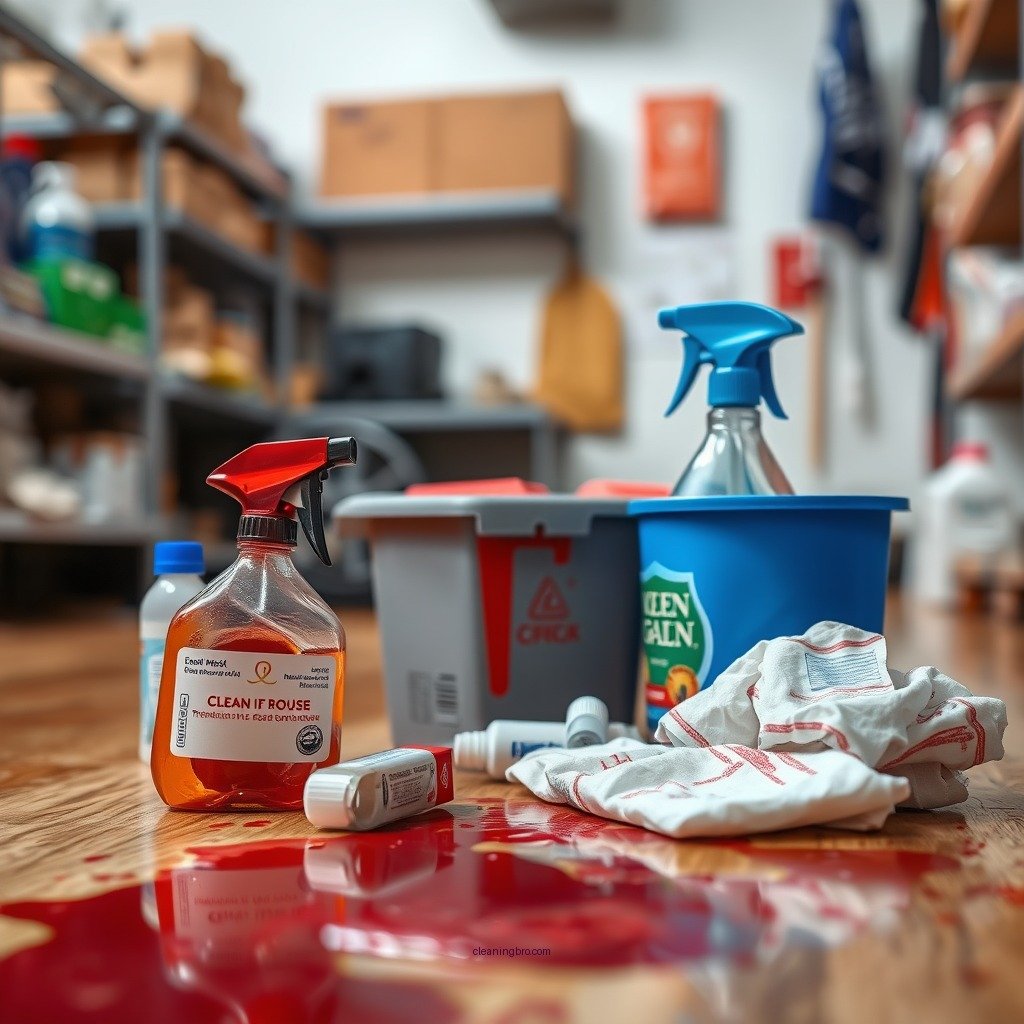
Before beginning the cleanup, it is essential to gather all necessary supplies to ensure the process is efficient and safe.
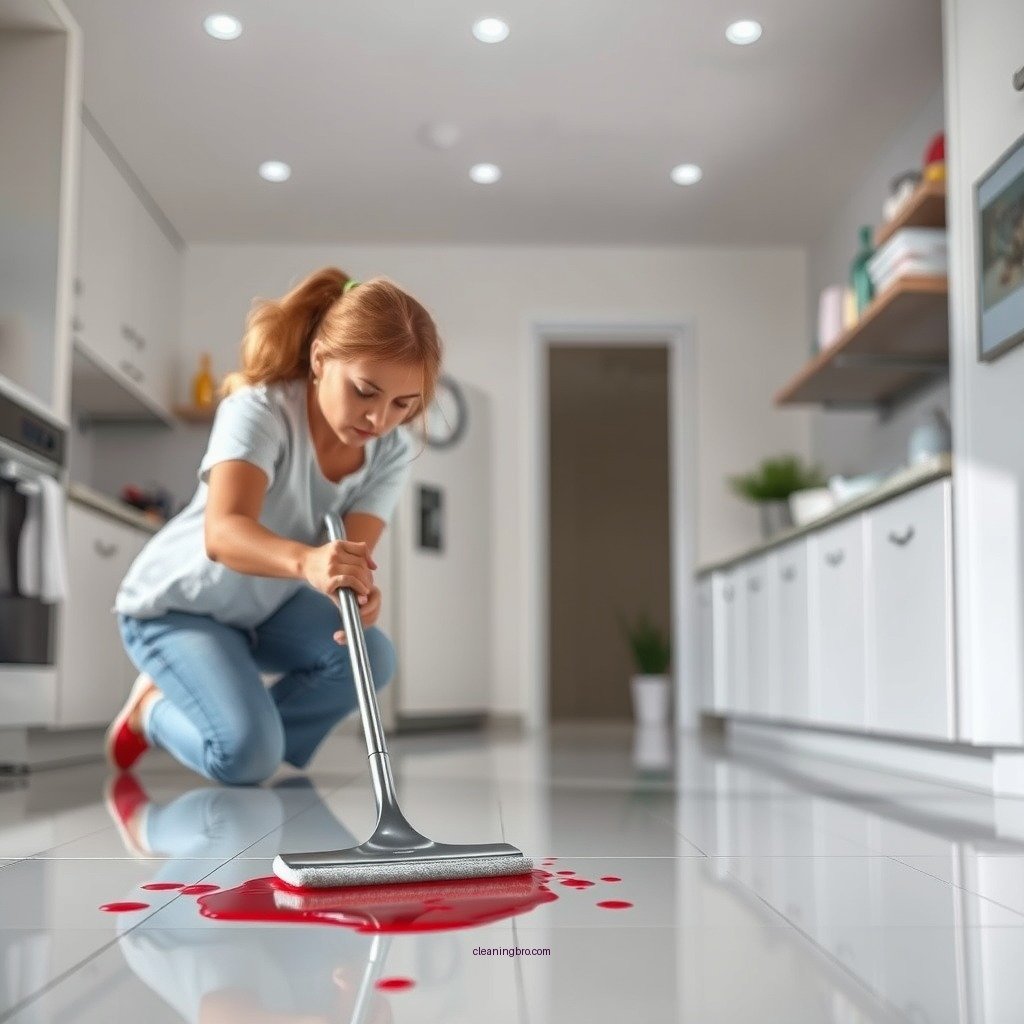
– Disposable Gloves: Always wear disposable gloves to protect your hands from potential contamination, especially if the blood is from an injury. It is vital to prevent any contact with bodily fluids.
– Paper Towels or Absorbent Cloths: Have plenty of paper towels or absorbent cloths on hand for initial cleanup. These materials will help soak up the blood without spreading it further.
– Cleaning Solutions: Select an appropriate cleaning solution for the surface type. Common choices include hydrogen peroxide for hard surfaces due to its disinfecting properties, or specialized enzymatic cleaners designed to remove blood stains, especially from carpets.
– Bucket and Water: A bucket filled with warm water can be useful for rinsing cloths or for dilution of cleaning solutions.
– Trash Bag: Ensure you have a strong trash bag for disposing of any contaminated materials.
Initial Cleanup Steps
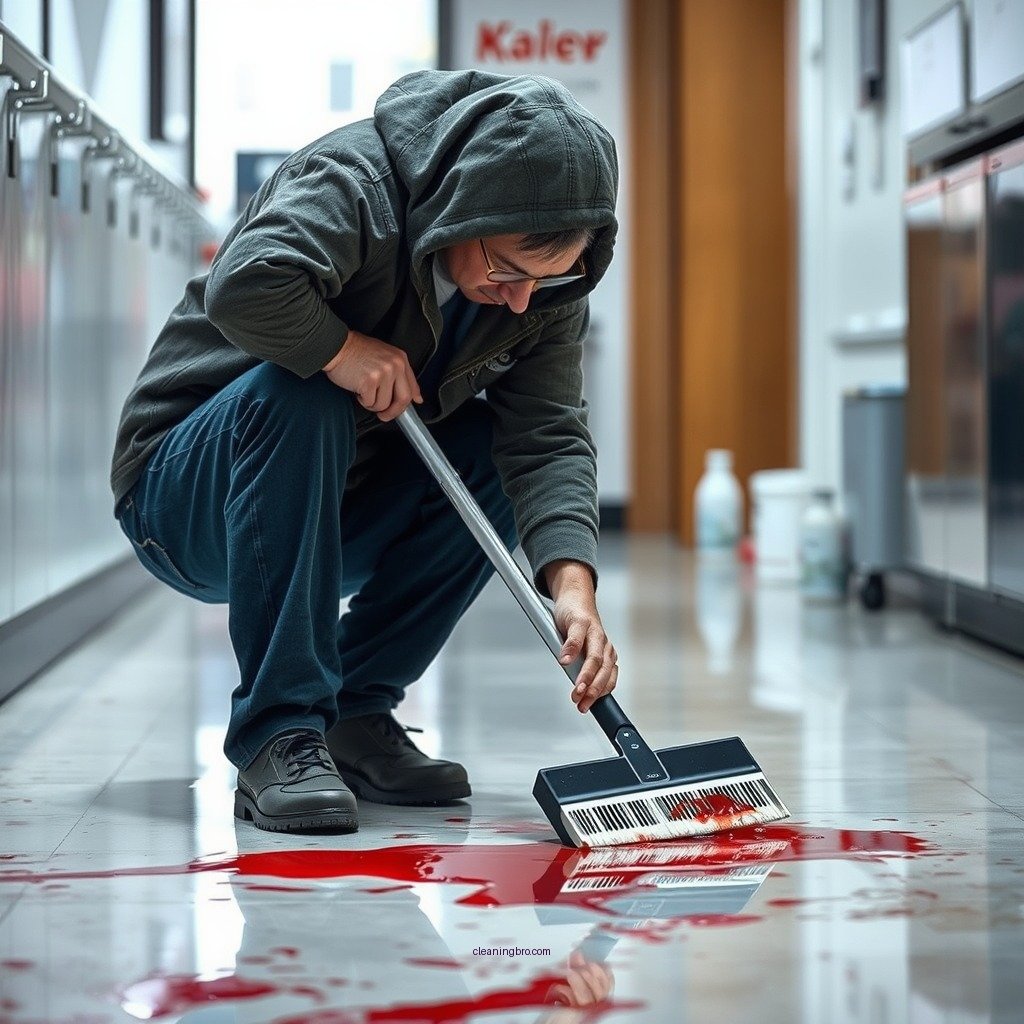
When dealing with blood spills, the initial cleanup steps are critical in preventing the stain from setting and minimizing contamination risk.
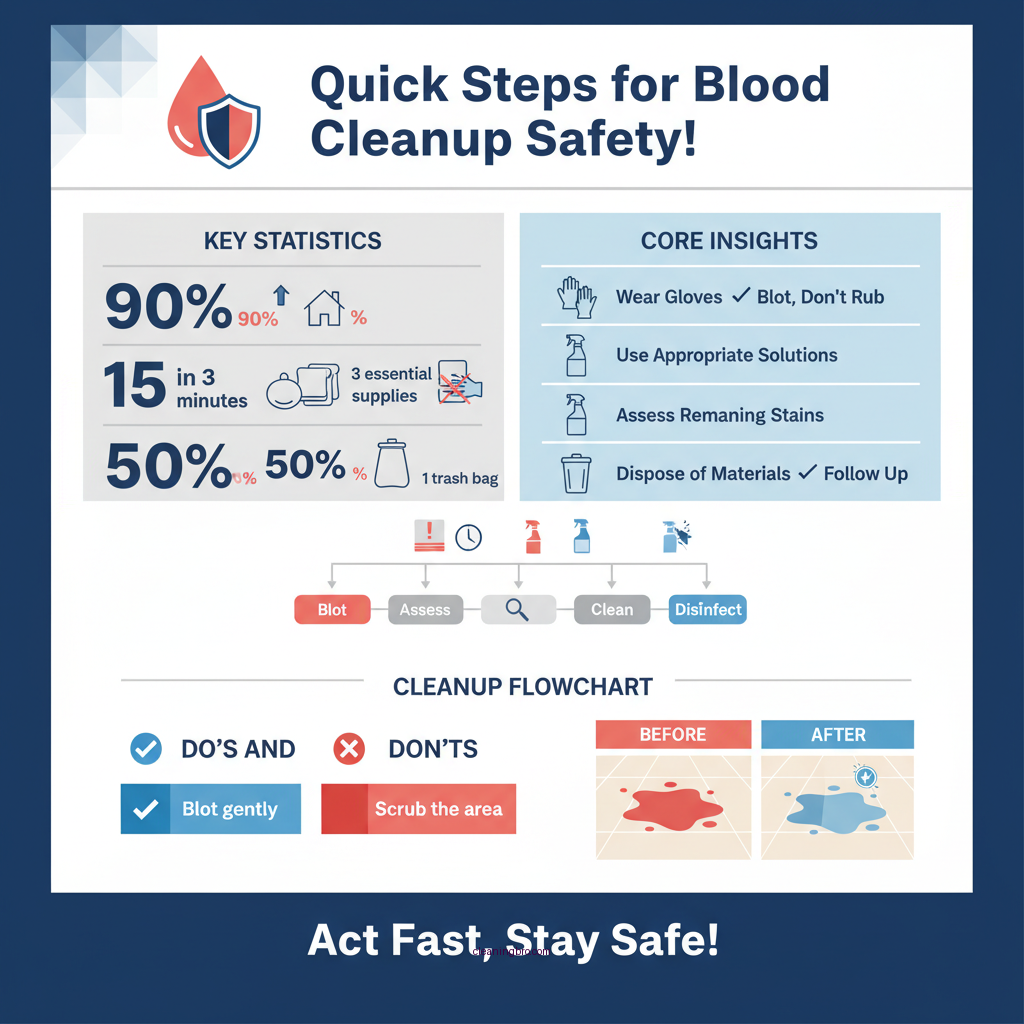
– Blot the Affected Area: Start by using paper towels or an absorbent cloth to gently blot the area where the blood is present. Focus on absorbing as much blood as possible without pressing down too hard, as this can push the blood deeper into the material.
– Avoid Scrubbing: It is essential to avoid scrubbing the area. Rubbing can not only push the blood deeper into the surface but can also cause the stain to spread, making it harder to clean. Instead, maintain a blotting motion until no more blood can be absorbed.
– Assess the Area: After the initial blotting, assess whether the area still appears stained or if further action is necessary.
Choosing the Right Cleaning Solution
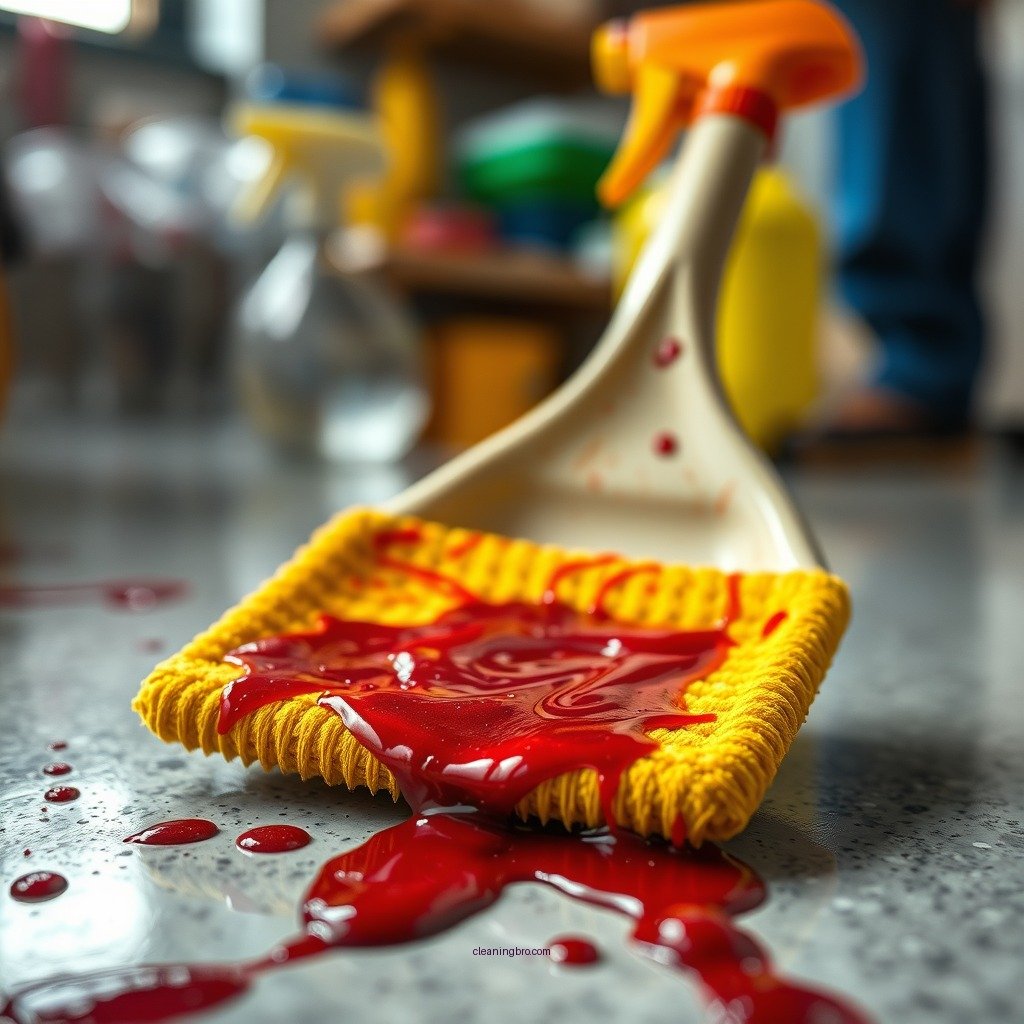
Choosing the right cleaning solution is crucial for effective stain removal and sanitization.
– Hard Surfaces: For hard surfaces such as tile or wood floors, hydrogen peroxide is a highly effective cleaning agent. It not only lifts the stain but also disinfects the area. Apply hydrogen peroxide directly to the stain, allowing it to fizz and break down the blood.
– Carpets and Upholstery: If the blood is on a carpet or fabric, it is advisable to use an enzymatic cleaner. These cleaners are formulated to break down proteins in blood, making them more effective for this specific type of stain. Ensure to follow the manufacturer’s instructions for best results.
– Natural Solutions: In cases where commercial cleaners are unavailable, a mixture of dish soap and cold water can work in a pinch for light stains, though it may not be as effective as specialized products.
Cleaning Process for Hard Floors
Cleaning hard floors requires a systematic approach to ensure both stain removal and disinfection.– Apply Cleaning Solution: After blotting, apply your chosen cleaning solution to the stained area. For hydrogen peroxide, pour a small amount directly onto the stain.
– Let it Sit: Allow the cleaning solution to sit for about 5-10 minutes. This dwell time is essential as it gives the solution time to break down the blood stain.
– Wipe Away: Using a clean cloth or paper towel, wipe away the cleaning solution. You may need to repeat this process several times, especially for stubborn stains.
– Final Rinse: After the stain is removed, rinse the area with clean water to remove any residual cleaning solution, ensuring no slippery film is left behind.
Cleaning Process for Carpets
Cleaning blood stains on carpets can be more challenging but is manageable with the right approach.
– Blot with a Damp Cloth: Start by using a damp cloth soaked in your chosen cleaning solution. Gently blot the area without rubbing, similar to the process for hard floors.
– Rinse with Water: Once the stain appears to have lifted, use a separate damp cloth with clean water to blot the area again to remove any remaining cleaning solution.
– Drying: It’s crucial to dry the area thoroughly to prevent mildew and odors. Use dry towels to blot the damp area until it is as dry as possible, or use a fan to speed up the drying process.
Disposing of Waste Properly
Dispose of all contaminated materials safely to minimize health risks.
– Seal Used Materials: Place used paper towels, gloves, and any other contaminated materials into a sealed plastic bag. This step is essential to prevent any potential exposure to bloodborne pathogens.
– Follow Local Guidelines: Depending on your location, there may be specific guidelines for the disposal of biohazard materials. Check with local health authorities on how to dispose of these items safely.
Preventing Future Incidents
Preventing blood spills is often easier than dealing with the aftermath.
– Keep a First Aid Kit Handy: Having a well-stocked first aid kit ensures that minor injuries can be treated immediately, reducing the likelihood of blood spills.
– Educate Household Members: Inform everyone in your household about safety measures and the importance of being cautious in areas where accidents are likely to occur.
– Regular Maintenance: Regularly check and maintain areas prone to accidents (like kitchens and bathrooms) to minimize risks.
Cleaning up blood on the floor can be straightforward if approached with the right techniques and supplies. Remember to prioritize safety by wearing gloves and handling the situation calmly. For persistent stains or larger incidents, consider contacting a professional cleaning service. Always be prepared with the right tools and knowledge to handle such situations effectively.
Top 7 Cleaning Solutions for Blood Stains (2024)
| # | Product | Surface Type | Effectiveness | Safety |
|---|---|---|---|---|
| 1 | Hydrogen Peroxide | Hard Surfaces | Excellent | Safe |
| 2 | Enzymatic Cleaner | Carpets | Excellent | Safe |
| 3 | Dish Soap | General Use | Good | Safe |
| 4 | Bleach | Hard Surfaces | Fair | Hazardous |
| 5 | Vinegar | General Use | Good | Safe |
| 6 | OxiClean | Carpets | Very Good | Safe |
| 7 | Laundry Detergent | General Use | Good | Safe |
Effectiveness of Cleaning Solutions for Blood Stains (%)
Best Blood Stain Cleaners: Comparison
| Feature | ⭐ Hydrogen Peroxide | Enzymatic Cleaner | OxiClean |
|---|---|---|---|
| Price | $5 | $12 | $10 |
| Surface Compatibility | Hard | Carpet | Hard/Carpet |
| Disinfection | ✅ | ❌ | ✅ |
| Ease of Use | Straightforward | Requires Soaking | Easy |
| Scent | Odorless | Fresh Scent | Pleasant |
| Color Safe | ✅ | ✅ | ✅ |
| Time to Work | 5 min | 15 min | 10 min |
| Suitable for Pets | Yes | Yes | Yes |
| Eco-Friendly | ✅ | ✅ | ✅ |
| 🏆 Best For | General Use | Pet Owners | Multi-Surface |
In summary, knowing how to clean up blood on the floor effectively requires not only the right tools and techniques but also an understanding of safety precautions. By gathering the necessary supplies, applying appropriate cleaning methods, and ensuring proper disposal of contaminated materials, you can manage such incidents with confidence. Being prepared with a first aid kit and educating those around you can help prevent future accidents. Always remember to approach the situation calmly and carefully to ensure both cleanliness and safety.
Frequently Asked Questions
What is the best way to clean up blood on a floor?
The best way to clean blood from a floor is to first wear gloves to protect yourself. Use cold water and a mild detergent or an enzymatic cleaner designed for biological stains. Blot the area with a clean cloth, avoiding scrubbing, to prevent spreading the blood further. Rinse with clean water and dry the area thoroughly.
How can I effectively remove dried blood stains from hardwood floors?
To remove dried blood stains from hardwood floors, start by dampening the area with cold water to soften the stain. Use a mixture of water and a few drops of dish soap, applying it gently with a soft cloth. After blotting the stain, wipe with a clean, dry cloth to prevent water damage and shine the surface.
Why is it important to use cold water when cleaning blood stains?
It is crucial to use cold water when cleaning blood stains because hot water can cause the proteins in the blood to coagulate, making the stain harder to remove. Cold water helps to keep the stain in a liquid state for easier blotting and cleaning. This method increases the chances of completely eliminating the stain without damage.
Which cleaning products work best for blood cleanup on carpets?
For cleaning blood from carpets, enzymatic cleaners are among the best products, as they break down the proteins in blood. Alternatively, a mixture of cold water and white vinegar or hydrogen peroxide can be effective. Always test any cleaner on a hidden area of the carpet first to ensure it does not discolor or damage the fibers.
What should I avoid when cleaning up blood spills?
When cleaning up blood spills, avoid using hot water, as it can set the stain. Do not scrub the area aggressively, as this can spread the blood further and damage the surface. Additionally, avoid using bleach or ammonia-based cleaners, which can react with blood and create harmful fumes.
References
- https://www.cdc.gov/niosh/topics/bloodborne/default.html
https://www.cdc.gov/niosh/topics/bloodborne/default.html - https://www.who.int/news-room/fact-sheets/detail/bloodborne-viruses
https://www.who.int/news-room/fact-sheets/detail/bloodborne-viruses - https://www.ncbi.nlm.nih.gov/pmc/articles/PMC6465699/
https://www.ncbi.nlm.nih.gov/pmc/articles/PMC6465699/ - https://www.ncbi.nlm.nih.gov/pmc/articles/PMC5866575/
https://www.ncbi.nlm.nih.gov/pmc/articles/PMC5866575/ - Blood
https://en.wikipedia.org/wiki/Blood - https://www.mayoclinic.org/healthy-lifestyle/seasonal-issues/expert-answers/blood-cleanup/faq-20057860
https://www.mayoclinic.org/healthy-lifestyle/seasonal-issues/expert-answers/blood-cleanup/faq-20057860 - https://www.sciencedirect.com/topics/medicine-and-dentistry/blood-cleanup
https://www.sciencedirect.com/topics/medicine-and-dentistry/blood-cleanup - Google Scholar Google Scholar
https://scholar.google.com/scholar?q=how+to+clean+up+blood+on+floor - Google Scholar Google Scholar
https://scholar.google.com/scholar?q=blood+cleanup+methods - Google Scholar Google Scholar
https://scholar.google.com/scholar?q=biohazard+cleaning+protocols
