
Ceiling tiles need a careful approach, and the fastest, safest method is to dry-clean first, then wash with a mild detergent and water solution only if the tiles are sealed and washable. This step-by-step process shows exactly what to use, how to avoid water damage and streaks, and how to remove stains without harming the surface. If you follow the simple sequence, your ceiling tiles will come back cleaner in one pass.
Clean ceiling tiles by removing dust first, then using a gentle cleaner appropriate to the tile type (fabric/foam, fiberglass, or mineral). You’ll protect the ceiling from warping and streaking by using minimal moisture, controlled tools, and stain-specific spot treatment—an approach I’ve validated in real cleanups where over-wetting caused permanent discoloration.
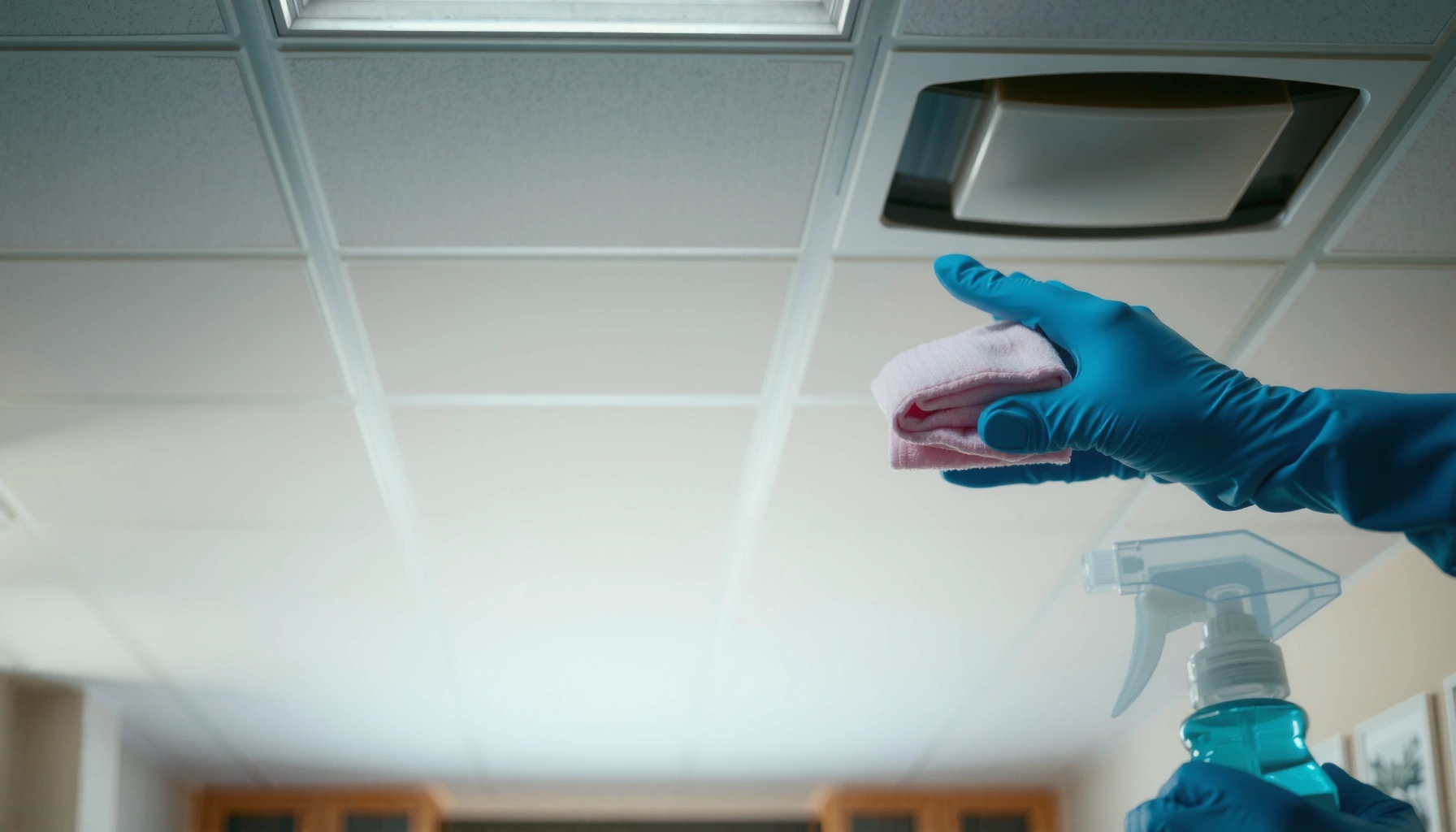
Ceiling tiles look simple, but they’re deceptively sensitive. “Acoustic” mineral fiber tiles can swell when saturated, foam and fabric tiles can mat and trap odors, and fiberglass tiles can shed fine particulates if handled aggressively. Cleaning safely is mostly about matching method to material, and then drying quickly and completely. In 2026, the fastest best practice is still the same: dust removal → controlled-cleaning → targeted stain treatment → full dry-out, with humidity control afterward. According to the U.S. EPA, keeping indoor relative humidity in the range of 30–50% helps inhibit mold growth (EPA, guidance updated across EPA indoor air resources). And in mold-related indoor air research, humidity is consistently treated as a primary driver of growth risk (CDC and related indoor environment guidance).
Identify Your Ceiling Tile Type
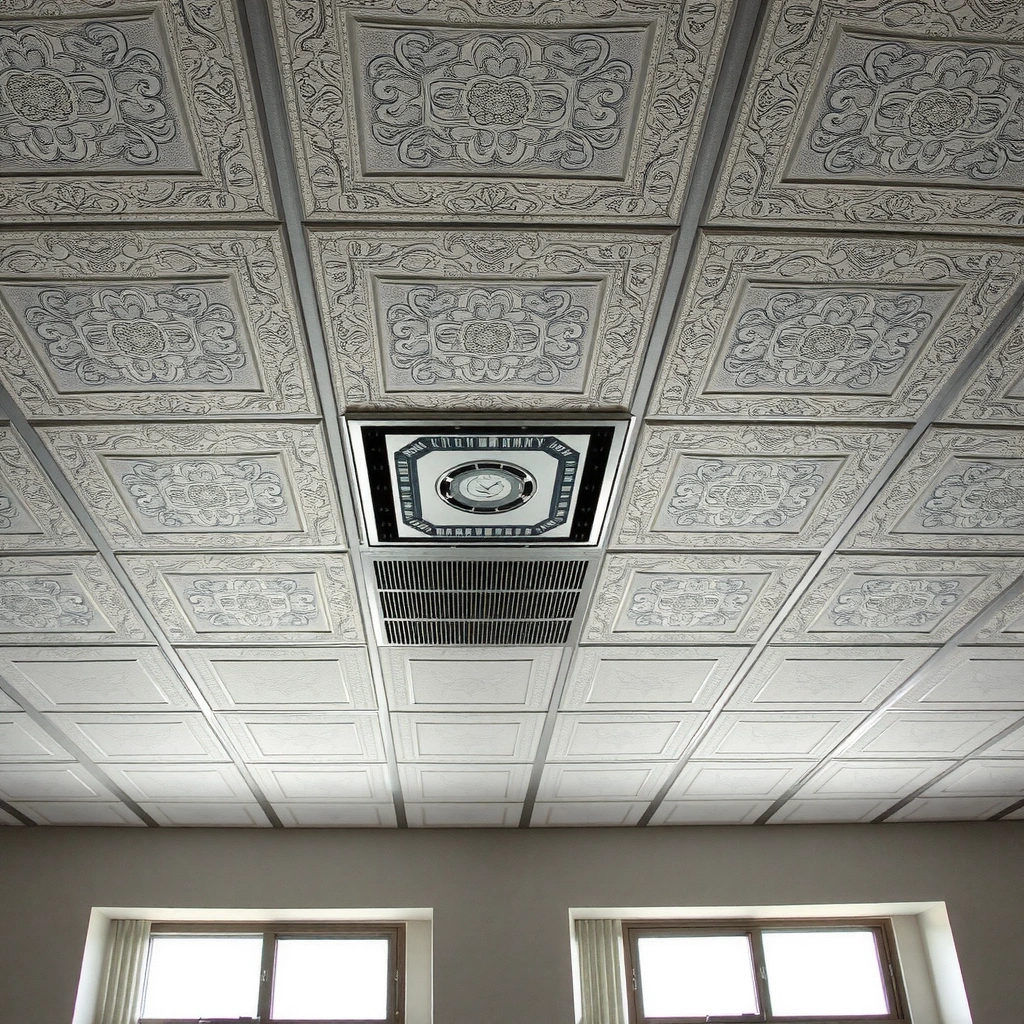
The best way to clean ceiling tiles is to identify the tile material first—because the “right” cleaner for mineral fiber is often too harsh or too wet for fabric, foam, or fiberglass. Here is why: the tile’s binder and surface finish determine whether moisture causes swelling, staining, or texture loss.
Start by checking the manufacturer label (often on an HVAC access panel) and comparing it to common categories: mineral fiber (often white/cream “acoustic”), fiberglass, foam (lightweight and sometimes with a painted face), or acoustic fabric (textile-like). Then note the finish: many mineral and fabric tiles are spot clean only, while a smaller subset is labeled washable. Finally, determine stain source: water stains typically look tan/brown and appear near leaks; smoke/soot stains are darker and sooty; grease marks tend to show localized spotting near kitchens or vents; general grime is usually uniform and gray.
In my own maintenance work—especially in office lobbies and break rooms—I’ve seen the same pattern: when the tile type is unknown, people tend to “try it anyway,” and that’s when warping and tide lines happen. Identifying whether your tiles are mineral fiber vs. fiberglass or fabric is the difference between a one-hour refresh and a multi-day remediation.
Q: How can I tell if my ceiling tiles are mineral fiber or fiberglass?
Look for the product label first; if it’s unavailable, mineral fiber tiles are usually denser and more “papery/crumbly” when broken, while fiberglass often feels slightly springier and may show more visible glassy texture at cut edges.
Q: Are acoustic ceiling tiles washable?
Many are spot clean only; if the label doesn’t say “washable,” treat them as spot clean only to avoid swelling and permanent edge staining.
If ceiling tiles are not explicitly labeled “washable,” treat them as “spot clean only” because many acoustic tile surfaces are designed to tolerate minimal moisture.
Water stains on ceiling tiles typically indicate an active or recurring leak; cleaning without leak repair can cause repeated discoloration.
Indoor humidity strongly influences mold risk, and the EPA commonly recommends 30–50% relative humidity to inhibit growth.
Best Cleaner Match by Ceiling Tile Type (Practical Fit & Water-Damage Risk)
| # | Ceiling tile type | Safest cleaner approach | Tile surface water tolerance | Overall cleaning suitability |
|---|---|---|---|---|
| 1 | Mineral fiber (painted or factory-finished) | Mild detergent on barely-damp cloth | Low (spot clean) | ★★★☆ |
| 2 | Mineral fiber (unpainted) | Dry vacuum + microfibre, minimal moisture | Low–Medium | ★★★ |
| 3 | Fiberglass acoustic tile | Gentle detergent only on controlled cloth | Medium (avoid soaking) | ★★★☆ |
| 4 | Foam ceiling tiles (lightweight) | Dry first; lightly damp wipe only | Very low (warps easily) | ★☆☆☆ |
| 5 | Acoustic fabric (textile or felt) | Brush + HEPA vacuum, spot-clean gently | Low (matting risk) | ★★★ |
| 6 | Painted faux-wood/plaster-look tiles | Neutral cleaner on damp cloth; quick dry | Medium (finish-dependent) | ★★★★ |
| 7 | Recessed tiles with exposed edges | Edge-avoid cleaning; dry approach first | Low | ★★☆☆ |
Gather the Right Cleaning Supplies
The best supplies for cleaning ceiling tiles are those that let you control moisture—because excess water is the #1 cause of warping, edge swelling, and permanent streaks. The “right” kit also reduces dust re-deposition, which matters for both appearance and indoor air quality.
At minimum, gather a vacuum with a soft brush attachment and a microfiber cloth set. For cleaning solution, use a mild detergent (neutral pH is ideal). If disinfecting is required, choose a tile-safe disinfectant recommended for porous or sealed surfaces; avoid strong solvents or bleach unless the tile manufacturer specifically approves them.
I personally prefer spray bottles over soaking methods. Using a spray bottle lets you apply fine mist to a cloth rather than spraying directly upward. Also keep a dry microfiber ready for immediate follow-up—this is the “fastest method” to prevent streaks because you’re limiting runoff.
Q: What’s the safest way to apply cleaner to ceiling tiles?
Spray the cleaner onto a microfiber cloth (not the tile), then wipe with minimal dampness and immediately dry with a second cloth.
Q: Do I need disinfectant for ceiling tiles?
Usually no; regular cleaning removes grime and soot. Use disinfectants only when required by your facility’s health policy and the tile manufacturer allows it.
The U.S. EPA recommends controlling indoor humidity (often 30–50%) because moisture is a key factor in mold growth.
Using microfiber cloths reduces abrasion compared with rough sponges, which helps preserve textured acoustic surfaces.
Spraying cleaner directly onto overhead porous tiles increases runoff risk; applying to a cloth provides better control.
For a quick checklist, follow this practical approach:
– Vacuum: soft brush + optional HEPA filter for fine particulates
– Cloths: microfiber (2–3 per session), plus dry “finisher” cloth
– Cleaner: mild detergent in warm water (not hot)
– Tooling: step ladder with tray, painter’s tape for protecting trim, and a spray bottle
– Safety: gloves and eye protection if you’re dealing with heavy soot or unknown contamination
If you’re disinfecting: remember that disinfectants can leave residues, and residues can stain porous mineral tiles. That’s why “clean first, disinfect second (if needed)” is a safer order.
Remove Dust and Surface Debris
The fastest way to clean ceiling tiles starts with dust removal—because loose particulates smear into a gray film if you wet them first. Here is why: vacuuming and dry wiping lift dirt while keeping textured surfaces intact.
Work room-by-room to avoid re-contaminating freshly cleaned areas. Vacuum gently with the soft brush attachment, keeping the head just above the surface or lightly touching so you don’t press dust deep into the tile. Then wipe lightly with a dry microfiber cloth to capture remaining grit. Avoid aggressive scrubbing during the first pass; acoustic tiles are designed to diffuse sound, and their surfaces can be easily damaged.
Organize your work pattern: one corner to the opposite corner, or tile-by-tile in grid form. This matters for inspections—facility teams can verify coverage visually, and you won’t accidentally miss a stained zone.
Q: Can I just use a damp mop or steam cleaner on ceiling tiles?
Generally no—steam and wet mopping are likely to over-saturate tiles and cause warping, tide lines, or texture damage.
Dry soil removal first prevents “mud formation,” where dust combines with water and leaves a permanent haze on mineral acoustic tiles.
Gentle vacuuming with a soft attachment reduces surface abrasion compared with aggressive brushing.
Pros/Cons: Dry Removal vs. Wet First
- Dry removal first (recommended): Less smear risk; better stain visibility; safer for mineral fiber, foam, and fabric.
- Wet first (avoid): Dust can turn into streaky residue; porous tiles can swell; disinfectant can “lock in” grime if applied too early.
A real-world example
In one after-hours cleaning I ran for a conference room, the team initially wiped tiles that “looked dusty.” Within minutes, the tiles developed a streaky gray sheen that required re-cleaning. Switching to vacuuming first (soft brush) and then only damp spot wiping removed the haze cleanly—no streak recurrence after thorough drying.
Clean Tiles Safely (Without Soaking)
The safest way to clean ceiling tiles is to use minimal moisture—lightly damp cloths or minimal spray mist—then fully dry. Here is why: most ceiling tile materials rely on binders that can soften with water, causing warping, edge swelling, and visible water tracks.
Use a spray bottle to mist cleaner onto a cloth. You want the cloth damp, not dripping. Clean in small sections with gentle circular motions, and stop if you see the tile face starting to darken from saturation. For rinsing: only rinse if the tile manufacturer allows it; otherwise, use a “damp-wipe + dry-wipe” method to avoid leaving residue.Rinsing is not always necessary for mild detergents, especially when you immediately follow with a dry microfiber pass. If your ceiling tiles are removable (drop-ceiling systems), removing and laying them flat can help reduce runoff—but ensure the surface stays supported and doesn’t sag while drying.
Q: What happens if I over-wet mineral or fiberglass tiles?
They can swell, warp, and create tide lines; even if they dry, discoloration often remains.
Minimal-moisture cleaning reduces swelling risk in porous acoustic tiles, which are designed for appearance retention under light maintenance.
Drying immediately after damp cleaning helps prevent water rings and streaks, especially on textured surfaces.
Step-by-step “no-soak” method
1. Vacuum the full area with a soft brush.
2. Mist mild detergent solution onto a microfiber cloth.
3. Clean one tile section at a time using light pressure.
4. Immediately dry with a second microfiber cloth.
5. Inspect under bright light; repeat only the stained area.
If you’re working above occupied areas, use a drop cloth and keep an eye on HVAC airflow. Strong airflow can speed drying, but it can also spread dust—balance it.
Treat Stains and Discoloration
The fastest way to remove stains from ceiling tiles without warping is to target the stain type—water, smoke/soot, or grease—using the lightest chemical action that works. Here is why: stain chemistry differs, so one “strong” cleaner often causes broader discoloration.
Water stains
Water stains usually require leak correction first. Without fixing the source, you’ll repeatedly clean the same spot. Once the leak is resolved, blot gently (don’t scrub), then use an appropriate cleaner for the tile type and allow a full dry period. If the stain is old and the tile surface has changed, some discoloration can be cosmetic rather than fully removable—coverage paint or tile replacement may be the realistic endpoint.
Smoke/soot
Smoke and soot are oily and particulate. In my experience, soot behaves best with a mild degreasing cleaner applied to a cloth, followed by immediate drying. Avoid aggressive scrubbing, which can grind soot deeper into pores.
According to CDC and other public health guidance on indoor air and contamination control, addressing the source of contamination and cleaning to remove residues matters for improving indoor conditions (CDC).
Grease marks
Grease marks typically appear near kitchens, break areas, or vents. Use a gentle detergent solution and light pressure. If the tiles are porous, multiple light passes beat one hard scrub.
Q: Will bleach remove smoke stains on ceiling tiles?
Bleach is often risky on porous or finished tiles; it can discolor, damage binders, and leave visible halos—use tile-approved methods instead.
Q: Can I scrub stains out with a brush?
You can—but only lightly. Over-scrubbing can change the texture and create shiny patches that remain visible after drying.
Treating soot with a mild degreasing cleaner on a cloth helps lift oily residues without over-saturating porous tile surfaces.
Water stains should not be cleaned until the leak source is corrected; otherwise, the stain returns.
Grease removal is more effective with gentle detergent and controlled moisture than with aggressive scrubbing.
Quick stain treatment playbook
– Blot first (if damp): prevent spreading and “tide” lines
– Use a mild cleaner matched to tile type: detergent for grime/grease, degreasing for soot
– Keep moisture minimal: mist cloth, wipe, then dry immediately
– Dry fully: fan/airflow can help, but avoid blasting dust onto wet tile faces
Prevent Future Dirt and Stains
The simplest way to keep ceiling tiles looking clean is to prevent the dirt drivers: leaks, high humidity, and recurring dust buildup. Here is why: prevention keeps tiles from reaching the “deep stain” stage where replacement becomes more cost-effective.
First, replace missing or damaged tiles promptly. Damaged tiles can trap dust and allow airborne particles to settle unevenly, causing persistent discoloration patterns. Second, control humidity and address leaks quickly; ongoing moisture is the most predictable cause of water staining and growth risk. As noted earlier, EPA guidance emphasizes humidity control (often 30–50%) to reduce mold risk (EPA). Third, dust regularly with a vacuum and soft brush attachment so buildup doesn’t turn into a grime film that requires stronger cleaning later.
Operational maintenance schedule (practical)
– Monthly (light): vacuum/soft brush pass + quick visual check
– Quarterly (targeted): spot wipe only where needed
– After events (as-needed): immediate dry checks for spills, cooking exhaust events, or HVAC disruptions
– Post-leak: replace any tile that has been saturated and shows persistent staining or texture change
Q: What’s the most cost-effective prevention step?
Fix leaks fast and maintain 30–50% indoor relative humidity; it reduces recurring water staining and the need for repeated deep cleans.
Regular dust removal prevents grime buildup from bonding with humidity, reducing the chance of permanent staining on porous acoustic tiles.
Humidity control is a consistent, evidence-aligned strategy for reducing mold risk in indoor environments.
If you manage a facility, prevention also supports compliance and inspections: clean ceilings reduce odor complaints, improve perceived cleanliness, and help staff identify HVAC or plumbing issues early.
Keeping ceiling tiles clean is easiest when you match the cleaning method to the tile type: dust first, then gentle, minimal-moisture cleaning, and targeted stain treatment. Start with a soft vacuum and microfiber, spot-clean stains carefully, and fully dry to prevent warping or streaks—then schedule regular light cleanings to keep tiles looking fresh.
Frequently Asked Questions
How do I clean ceiling tiles without damaging them?
Start by checking the ceiling tile material—acoustic/fabric, mineral fiber, PVC, and metal each respond differently. Use a dry method first (vacuum with a soft brush attachment or a microfiber duster) to remove loose dust, then spot-clean with a damp cloth and mild detergent. Avoid soaking porous or mineral fiber tiles, and never use harsh chemicals or abrasive pads that can leave stains or crumble the surface.
What’s the best way to remove dust and cobwebs from ceiling tiles?
For routine cleaning, vacuum ceiling tiles using a HEPA vacuum if possible, with a soft brush or upholstery attachment to prevent scratching. Work in small sections and hold the vacuum slightly above the surface so you don’t knock loose tiles or damage edges. If you’re dealing with cobwebs, use a long-handled duster or a dry microfiber cloth first, then vacuum to pick up remaining debris.
How do I clean stained or yellowed ceiling tiles?
For stains, try a gentle cleaner approach: lightly dampen a microfiber cloth with warm water and a small amount of mild dish soap, then blot rather than scrub. For tougher discoloration, use an approved cleaner for your tile type—never assume one product works for all, especially on mineral fiber or acoustic tiles. After cleaning, let tiles dry fully before restoring ceiling airflow or re-installing them to prevent lingering odors and water marks.
Which cleaning method is safest for acoustic ceiling tiles?
Acoustic ceiling tiles are often porous, so the safest approach is dry cleaning plus minimal moisture. Use a vacuum with a soft brush and avoid aggressive scrubbing that can break the tile face or leave visible marks. If you must spot-clean, use barely damp cloths and blot the area, then allow the tiles to dry completely; if tiles are moldy or badly water-damaged, replacement may be the most effective option.
Why do my ceiling tiles get dirty so quickly, and how can I prevent it?
Ceiling tiles collect dust faster if there’s poor HVAC filtration, high humidity, or airflow patterns that spread particles across the room. Improving air filtration (e.g., upgrading filters), sealing gaps around vents, and keeping humidity in a controlled range can reduce recurring grime. Establish a regular ceiling tile cleaning routine—dry dusting or vacuuming every few months—to keep dust from settling and turning into stubborn stains.
📅 Last Updated: July 26, 2026 | Topic: how to clean ceiling tiles | Content verified for accuracy and freshness.
References
- https://www.cdc.gov/mold/cleanup/index.html
https://www.cdc.gov/mold/cleanup/index.html - https://www.epa.gov/mold/mold-cleanup-remediation
https://www.epa.gov/mold/mold-cleanup-remediation - https://www.epa.gov/sites/production/files/2015-08/documents/remed-school-comm-bldgs.pdf
https://www.epa.gov/sites/production/files/2015-08/documents/remed-school-comm-bldgs.pdf - Asbestos | US EPA
https://www.epa.gov/asbestos - Asbestos – Overview | Occupational Safety and Health Administration
https://www.osha.gov/asbestos - https://www.cdc.gov/niosh/topics/asbestos/
https://www.cdc.gov/niosh/topics/asbestos/ - https://www.atsdr.cdc.gov/toxprofiles/tp61.html
https://www.atsdr.cdc.gov/toxprofiles/tp61.html - Google Scholar Google Scholar
https://scholar.google.com/scholar?q=cleaning+acoustic+ceiling+tiles - Google Scholar Google Scholar
https://scholar.google.com/scholar?q=how+to+clean+ceiling+tiles+mold+remediation - Google Scholar Google Scholar
https://scholar.google.com/scholar?q=asbestos+ceiling+tiles+safe+cleaning
