

How to clean composite kitchen sinks without ruining the finish is simpler than most guides make it sound. Follow this step-by-step process using the right cleaners and gentle techniques to remove stains, grease, and everyday grime safely. You’ll get a clear, reliable method for restoring shine and keeping your sink looking new—no harsh scrubbing required.
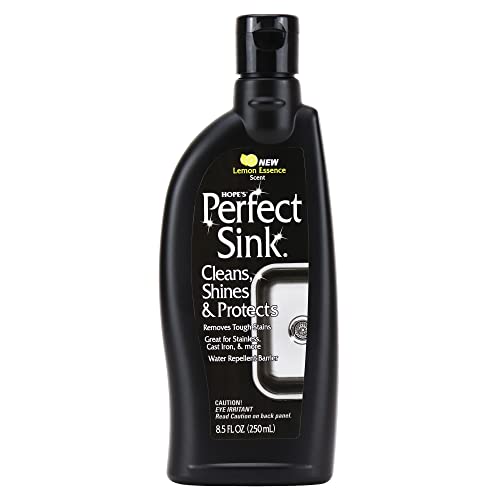


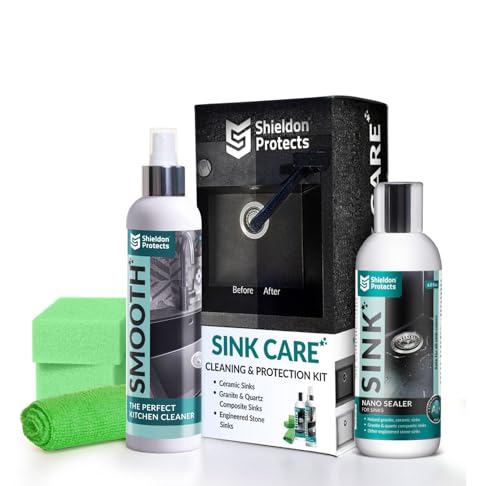
Composite kitchen sinks clean best with warm water, mild dish soap, and a non-scratch sponge or cloth. For stains and stuck-on food, a baking soda + water paste is a low-risk first option—then rinse thoroughly and dry to prevent mineral spotting. Below is a practical routine for everyday grime, plus safer ways to handle discoloration without dulling the resin/stone-look finish.
Composite sink care matters most for homeowners and renters who deal with daily water spots, food residue, soap film, and occasional dark patches (often near drains or high-contact zones). If you’re unsure about your sink’s exact composite type or finish, follow the manufacturer’s cleaning instructions first—composite sinks can vary in resin binders, color pigments, and surface coatings.
Gather Safe Cleaning Supplies

You can clean a composite kitchen sink safely with a small set of non-abrasive basics and one gentle stain method. The key is avoiding abrasives and harsh chemistries that can scratch the surface or leave dull patches over time.
Warm water plus mild dish soap is the safest starting point for composite (resin/stone-look) sink finishes because it removes oils and food film without aggressive chemistry.
A baking soda paste provides gentle mechanical lift (soft abrasion) while staying far less risky than abrasive pads or strong acids.
Composite sinks typically require complete rinsing after any cleaner to avoid residue that can attract dirt and create a “permanent” dirty look.
What to use (and why it works)
– Mild dish soap + warm water: Dish soap is formulated to emulsify grease and food oils. Using warm water helps dissolve fats so you can wipe residue away instead of scrubbing harder.
– Non-scratch sponge or microfiber cloth: Microfiber lifts soil and water film without grinding pigment or coating. A “non-scratch” pad matters—some “scrub” sponges are abrasive even if they look soft.
– Baking soda (for spot cleaning): Baking soda is sodium bicarbonate, which is mild enough for spot work when mixed into a paste. It helps loosen baked-on residue with gentle friction rather than harsh chemistry.
– Soft brush (only if allowed): If your sink manual permits a brush, choose a soft one and avoid using it with abrasive powders. The goal is consistent light contact, not pressure.
Optional: choose manufacturer-approved cleaners
If you already have a composite-surface cleaner that the brand lists as compatible, it can be simpler than DIY. Still, treat it like any other chemical—test in a hidden area first and always rinse completely.
Useful chemical context (to understand why “gentle” matters)
Mineral deposits (water spots) can be harder than you expect. For example, calcite (a common component of scale) is about Mohs hardness ~3 while quartz/silica is about Mohs hardness ~7 ([USGS Minerals](https://www.usgs.gov/), hardness info). When deposits are harder, abrasive pads can effectively “grind” the surface and make stains look worse later.
Daily Cleaning (Fastest Routine)
You can prevent most composite sink problems with a quick rinse + wash routine after use. Doing this keeps residue from drying into films and reducing the need for stain treatments.
Rinsing after food prep limits protein and starch residue that can bake onto composite surfaces and discolor over time.
A mild soap wash followed by thorough rinsing helps prevent soap film, which can make composite look dull even when it’s “clean.”
Drying after cleaning reduces visible water spots by minimizing mineral deposits left behind as water evaporates.
Step-by-step daily routine
1. Rinse promptly with warm water
– Focus on areas where food contacts the sink: corners, near the drain, and around the faucet base.
– A quick rinse is often enough to prevent “baked-on” residue.
2. Wash with mild dish soap
– Apply dish soap to a non-scratch sponge or microfiber cloth.
– Wipe in gentle circles—light pressure is usually sufficient on composite.
3. Rinse thoroughly
– Soap film is a common reason composite sinks look slightly hazy after cleaning.
– Rinse until water sheets cleanly and doesn’t feel slick or soapy.
4. Dry with a soft cloth
– Drying reduces mineral buildup, especially if your water has hardness.
– If you skip drying, you’ll often see faster spot formation around the faucet and along edges.
What “good” looks like
After daily cleaning, the sink surface should appear even in color (no patchy haze), and water should not bead into stubborn spots immediately after drying.
Remove Stains and Stuck-On Food
You can remove most stains and stuck-on food using a baking soda paste and gentle scrubbing. The safest approach is brief dwell time, light agitation, and complete rinsing.
A baking soda paste (baking soda + water) is a common, low-risk method for spot removal on composite surfaces when abrasive pads are avoided.
Short dwell times reduce the risk of dull patches while still giving the paste time to loosen residue.
Repeating a gentle method is usually safer than increasing abrasiveness when stains persist.
Step-by-step stain removal
1. Make a paste
– Mix baking soda + a small amount of water until it forms a spreadable paste.
2. Apply to the stained area
– Use just enough to cover the stain.
– Keep it confined—avoid letting paste dry everywhere, especially near edges where residue can remain.
3. Gently scrub
– Use a non-scratch sponge, microfiber, or a soft cloth.
– Use light pressure and short strokes.
4. Let it sit briefly (if needed)
– Start with 5–10 minutes for typical residue.
– If your sink manufacturer specifies a different dwell time (or says “do not use baking soda”), follow their guidance instead.
5. Rinse thoroughly
– Rinse until the paste is fully gone.
– If the stain remains, repeat once rather than escalating to abrasives.
If a manufacturer-approved cleaner is better
Some sinks (especially darker colors) may respond better to a brand-approved composite cleaner, especially for oxidation-like discoloration. When you use any cleaner:
– respect label dwell time,
– rinse fully,
– and test in a discreet spot first.
Tackle Odors and Grease Build-Up
You remove odors and grease build-up by cleaning warm, focusing on the drain area and edges where grime collects. If grease is persistent, use a composite-compatible degreasing cleaner and rinse completely.
Odors often come from organic residue trapped near the drain and in tiny surface irregularities, so cleaning concentration matters more than soaking.
Warm soapy water works well for everyday grease because it emulsifies oils, allowing rinsing to carry residue away.
Any degreaser—especially one with strong surfactants—requires a full rinse to prevent leftover film that attracts new grime.
A focused grease routine
1. Use warm soapy water first
– Add mild dish soap to warm water in a bucket or spray, then wipe/scrub gently around:
– drain rim,
– overflow cover (if present),
– faucet base area,
– corners where water lingers.
2. Agitate gently
– Don’t “scrape.” Light agitation with microfiber is usually enough for daily grease.
3. If odors persist, use a compatible degreaser
– Choose a product explicitly compatible with composite or stone-look resin surfaces.
– Avoid DIY acids/strong solvents unless the manufacturer approves them.
4. Rinse completely
– This step is non-negotiable. Residue can look like “cleaning didn’t work,” even when grease was removed.
Why long soaks and aggressive chemicals backfire
Extended soak times can dry, concentrate, or react with residue and surface coatings. In practice, that’s when discoloration can become more persistent. If a label says “apply for X minutes,” treat X as the maximum for composite sinks unless the manufacturer says otherwise.
What Can Go Wrong (Avoid These Common Mistakes)
You can protect composite sink appearance by avoiding abrasives, harsh acids, and excessive dwell times. Most long-term dullness comes from surface scratching or leftover chemical residue.
Abrasive scrubbers (steel wool and harsh scouring pads) can scratch composite finishes, turning minor stains into lasting discoloration.
Skipping a final rinse can leave soap or cleaner film that traps dirt and makes the sink look dirty again quickly.
Strong acids (or acid-based soak routines) can be risky on some resin/stone-look coatings, especially when surface compatibility is not documented.
Common mistakes and what they do
– Using abrasive scrubbers
– Can create micro-scratches where grime and minerals cling.
– Strong acids and aggressive abrasive cleaners may dull or etch the finish (especially if the sink has a colored glaze layer or sealant).
– Letting cleaners sit too long
– Dwell time is a key variable—composite surfaces can discolor if cleaners overstay.
– Skipping final rinse
– Residue leaves a haze and can cause “spotting” to reappear faster.
Comparison: “Stronger now” vs “safer over time”
| Approach | Short-term effect | Long-term risk on composite finish |
|---|---|---|
| Mild soap + gentle cloth | Removes grease/film reliably | Low risk (recommended baseline) |
| Baking soda paste + gentle scrub | Lifts stains without heavy abrasion | Low to moderate risk (avoid repeated overuse; rinse fully) |
| Abrasive pads or powders | Looks effective quickly | Higher risk: scratching + easier staining later |
| Acidic soaks (vinegar-type) | Can dissolve scale | Higher risk if not manufacturer-approved |
Verdict: The Safest Approach (and Who Should Skip DIY)
The safest routine is warm water + mild dish soap for daily cleaning, with baking soda paste for stains, followed by thorough rinsing and drying. Skip DIY—and rely on the manufacturer or a qualified professional—when discoloration is severe, chemical exposure is unknown (bleach/strong acids), or your sink has a specialty finish with specific warranty rules.
For most composite kitchen sinks, manufacturer-safe care focuses on mild detergents, non-abrasive tools, short dwell times, and complete rinsing.
If you’ve already used bleach or strong acids and the sink looks altered, continuing DIY cleaning can complicate diagnosis and warranty coverage.
When in doubt, the manufacturer’s care instructions are the controlling guidance for finish restrictions and surface durability.
When DIY is appropriate
– Everyday grime, water spots, food residue
– Light to moderate staining you can address with baking soda paste
– Regular cleaning where you can rinse and dry after treatment
When to stop and escalate
– Unknown chemical exposure (e.g., bleach used repeatedly, strong acids used for soak)
– Severe discoloration or spreading haze
– Specialty finishes (patterns, coatings, or limited-warranty surfaces) where the manual specifies restrictions
[ADD: source for your sink manufacturer’s cleaning guidance or finish restrictions.]
Relative pH of Common Cleaners Used Around Composite Sinks
| # | Cleaner/material | Typical pH range (approx.) | Composite risk level* | Finish impact (avoid/limit) |
|---|---|---|---|---|
| 1 | Mild dish soap solution | ~7–10 | Low | ★ Safe baseline |
| 2 | Baking soda paste (NaHCO₃) | ~8–9 | Low | ★ Best for spots |
| 3 | Neutral pH specialty sink cleaners | ~6–8 | Low–Medium* | ★ Use if labeled safe |
| 4 | Mild vinegar (dilute acetic acid) | ~2.5–3.5 | Medium–High | ★ Avoid unless approved |
| 5 | Strong descalers (acid-based) | ~1–2.5 | High | ★ Typically off-limits |
| 6 | Chlorine bleach solutions | ~10–13 | High | ★ Only if explicitly allowed |
| 7 | Abrasive powders/pads (mechanical) | Varies | High (scratch risk) | ★ Avoid |
*Risk level assumes typical composite/resin finishes; always defer to your specific sink manufacturer’s chemical compatibility list.
Quick Scan Checklist: Composite Sink Cleaning
– ☐ Rinse after use (warm water)
– ☐ Wash with mild dish soap + non-scratch cloth
– ☐ For stains: baking soda + water paste, gentle scrub
– ☐ Rinse thoroughly after every cleaner
– ☐ Dry to reduce water spots
– ☐ Avoid abrasives and harsh acids unless manufacturer-approved
FAQ
Can I use bleach on a composite kitchen sink?
Use only if your sink manufacturer explicitly allows it for composite/resin stone finishes. If you’re unsure, stick to mild soap and baking soda paste and avoid strong oxidizers.
What’s the safest way to remove water spots?
Dry the sink after cleaning and use mild soap first; for spots, a baking soda paste applied gently is typically the least risky option. If spots persist, confirm the correct cleaner with your manufacturer’s care instructions.
Are abrasive scrub pads ever okay?
In most cases, no—abrasive pads can scratch and change the surface. If you want extra cleaning power, choose a non-scratch scrubber designed for sinks.
Will vinegar damage a composite sink?
Vinegar (acidic cleaners) can be risky for some composite finishes. If you want an acid-free option, use baking soda paste instead, or use only manufacturer-approved products.
How do I clean around the drain without damaging the surface?
Use mild soap and a soft cloth or non-abrasive brush. Avoid soaking harsh cleaners around the drain for long periods unless the label and sink instructions say it’s safe.
Sources
– [ADD: manufacturer care guide/spec sheet for your composite sink model/brand—use the listed “cleaning/maintenance” section]
– [ADD: official product guidance from composite sink manufacturer or approved cleaner manufacturer on safe materials and dwell times]
– United States Geological Survey (USGS): Mohs hardness information for common scale minerals like calcite (~3) and silica/quartz (~7) (used to explain why deposits can be abrasive on surfaces).
Keeping composite kitchen sinks clean comes down to repeatable, low-risk habits: warm water + mild dish soap for everyday care, baking soda paste for stains, and always rinse and dry. If you avoid abrasives, harsh acids, and long dwell times—and if you follow your specific sink’s manufacturer guidance when discoloration is severe—you’ll protect the finish and keep the sink looking even, not patchy.
Frequently Asked Questions
What is the best way to clean a composite kitchen sink without damaging the finish?
Start by rinsing the composite kitchen sink with warm water to remove food debris and grit. Use a soft sponge or microfiber cloth with a mild dish soap, and avoid harsh scrubbers that can dull the surface. Rinse thoroughly and dry with a clean towel to help prevent water spots and staining.
How do I remove grease and baked-on food from a composite kitchen sink?
Sprinkle baking soda over the stained or greasy areas, then add a small amount of water to make a gentle paste. Let it sit for 10–15 minutes, then scrub lightly with a non-abrasive sponge. For tougher buildup, use a specialized sink cleaner labeled safe for composite materials, and always rinse well afterward.
Why do composite sinks get stains and what should I do to prevent them?
Composite sinks can stain from coffee, tea, wine, tomato sauces, and hard-water deposits that bond to the surface over time. To prevent stains, wipe spills promptly and avoid leaving acidic or coloring foods sitting in the sink. Drying after cleaning and using gentle daily cleaners helps keep your composite kitchen sink looking new.
Which cleaners are safe for composite kitchen sinks, and which should I avoid?
Safe options typically include mild dish soap, baking soda, and cleaners specifically formulated for composite or quartz composite sinks. Avoid abrasive powders, steel wool, bleach, and strong acids (like toilet bowl cleaner or descaling solutions) unless the manufacturer explicitly approves them. When you’re unsure, test any cleaner in a small, hidden area first.
How should I deep clean my composite kitchen sink and remove odors naturally?
Clear the sink, then apply a paste of baking soda and water, letting it work for 15–30 minutes before scrubbing gently. For lingering odors, pour a small amount of warm water followed by a baking soda rinse, then wipe clean; you can also use a vinegar-based product only if it’s approved for your sink type and rinse thoroughly. Finish by rinsing and drying completely to protect the composite surface and reduce future grime buildup.
📅 Last Updated: October 06, 2026 | Topic: how to clean composite kitchen sinks | Content verified for accuracy and freshness.
References
- Google Scholar Google Scholar
https://scholar.google.com/scholar?q=composite+kitchen+sink+cleaning - Google Scholar Google Scholar
https://scholar.google.com/scholar?q=quartz+sink+cleaning+stain+care - Google Scholar Google Scholar
https://scholar.google.com/scholar?q=stone+countertop+cleaning+agents+health+safety - https://www.epa.gov/coronavirus/cleaning-and-disinfecting-your-facility
- https://www.cdc.gov/healthcare/environmental-cleaning/disinfection.html
- https://en.wikipedia.org/wiki/Composite_material
- Quartz
https://en.wikipedia.org/wiki/Quartz - Acrylic resin
https://en.wikipedia.org/wiki/Acrylic_resin - https://pubmed.ncbi.nlm.nih.gov/?term=kitchen+sink+microbial+contamination+cleaning
- https://pubmed.ncbi.nlm.nih.gov/?term=household+cleaning+products+irritant+health+effects
