
To effectively clean concrete for painting, start by removing any dirt, oil, and debris to ensure proper paint adhesion. This guide will walk you through the necessary steps and techniques to prepare your concrete surface for a fresh coat of paint, ensuring a long-lasting finish. Proper cleaning is essential as it not only enhances the appearance of the painted surface but also significantly extends the life of the paint job.

Cleaning concrete may seem straightforward, but it involves specific techniques and materials to achieve the best results. The right preparation can make all the difference in how well your paint adheres and how it withstands wear and tear over time. Let’s explore the detailed steps necessary for cleaning concrete surfaces effectively.

Gather Necessary Supplies

Before beginning the cleaning process, it’s crucial to gather all necessary supplies. This will save time and ensure that you have everything you need at your fingertips.
– Pressure washer or hose: A pressure washer is highly effective for removing stubborn dirt and grime, while a regular hose can suffice for lighter cleaning.
– Concrete cleaner or degreaser: Choose a cleaner that is specifically formulated for concrete. Options include acidic cleaners for mineral stains and alkaline cleaners for grease and oil.
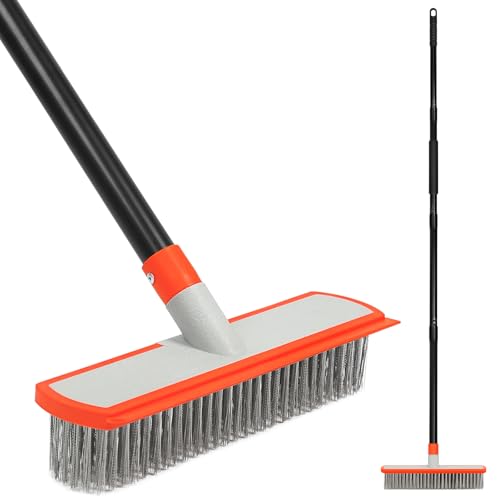
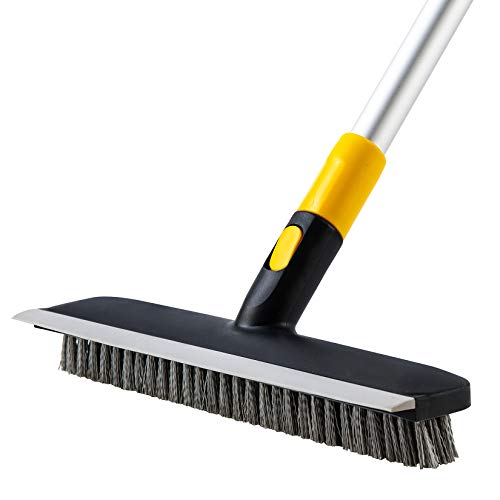
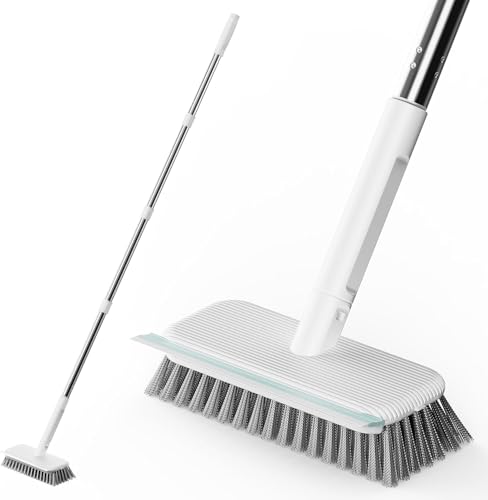
– Scrub brush or broom: A stiff-bristled brush is essential for scrubbing the surface, especially in areas with tough stains. A broom will help with the initial sweeping.
Having these tools ready will streamline the cleaning process, allowing you to work efficiently and effectively.
Clear the Area


Before you can clean your concrete, it’s essential to prepare the workspace.
– Remove furniture, plants, and any obstacles from the concrete surface: This will prevent any damage to your belongings and allow for easier access to the area that needs cleaning.
– Sweep the area thoroughly to eliminate loose debris and dirt: Use a broom to clear away any leaves, dust, and debris. This step is vital as it ensures that the cleaner can work effectively on a clean surface.
Taking the time to clear the area will allow you to focus solely on the cleaning process without interruptions.
Apply a Concrete Cleaner

Once the area is clear, it’s time to apply your chosen concrete cleaner.
– Choose a suitable concrete cleaner based on the type of stains present: For example, use a degreaser for oil stains, an acidic cleaner for rust, or a general concrete cleaner for dirt and debris.
– Follow the manufacturer’s instructions for dilution and application: Most cleaners require dilution with water; make sure to adhere to the recommended ratios for optimal effectiveness.
Applying the cleaner correctly is crucial for achieving the best results. Failing to follow instructions can lead to ineffective cleaning or even damage to the concrete surface.
Top 7 Concrete Cleaners for Effective Cleaning (2024)
| # | Cleaner Brand | Type | Effectiveness | Price per Gallon |
|---|---|---|---|---|
| 1 | Behr Concrete & Masonry Cleaner | Alkaline | High | $15.99 |
| 2 | Rust-Oleum Concrete Cleaner | Acidic | Medium | $12.49 |
| 3 | Simple Green Concrete Cleaner | All-purpose | High | $9.99 |
| 4 | Zep Heavy-Duty Concrete Cleaner | Alkaline | Medium | $14.99 |
| 5 | Klean-Strip Concrete Cleaner | Acidic | High | $18.99 |
| 6 | Eagle One Concrete Cleaner | All-purpose | Medium | $11.49 |
| 7 | OxiClean MaxForce Concrete Cleaner | OxiClean | High | $13.99 |
Scrub the Surface
After applying the cleaner, it’s time to scrub the surface to maximize its effectiveness.
– Use a scrub brush or broom to agitate the cleaner on the concrete: This action helps to lift dirt and stains from the surface. Be sure to apply enough pressure to remove tough grime but avoid damaging the concrete.
– Focus on stained areas and ensure even coverage for best results: Spend extra time scrubbing areas with stubborn stains or discoloration, ensuring that you achieve a thorough clean.
This scrubbing step is crucial as it allows the cleaner to penetrate the concrete surface, improving the chances of removing deep-seated stains.
Rinse Thoroughly
Once you have scrubbed the surface, the next step is rinsing.
– Use a pressure washer or hose to rinse away the cleaner and dirt: A pressure washer is ideal for this task, as it can remove any remaining cleaner along with dirt and debris effectively. If using a hose, ensure that you have sufficient water pressure to remove all residues.
– Ensure all residues are removed to prepare for painting: Any leftover cleaner or dirt can negatively affect the adhesion of the paint, leading to peeling or flaking in the future.
Proper rinsing is essential for a successful painting job. Take your time to ensure that no cleaner remains on the surface.
Allow to Dry Completely
The drying process is a critical step that many overlook.
– Let the concrete surface dry for at least 24 hours before painting: Depending on humidity and temperature, drying times may vary. It’s important to ensure the surface is completely dry to prevent moisture from trapping under the paint.
– Check for moisture by conducting a simple water test: Drop a few water droplets on the concrete surface. If they bead up, the surface is dry enough. If they soak in, additional drying time is needed.
Taking the time to allow for proper drying will ensure better adhesion and a more durable paint job.
Inspect and Repair Any Damage
Before you apply paint, take a moment to inspect the concrete for any damage.
– Look for cracks or chips in the concrete and repair them before painting: Small imperfections can lead to bigger problems if not addressed. Use a concrete patching compound to fill in cracks or holes.
– Ensure the surface is even and smooth: This step will enhance the final appearance of your paint job and provide a better surface for adhesion.
Inspecting and repairing the concrete not only improves the aesthetics but also prolongs the life of your paint job.
Cleaning concrete properly is crucial for a successful paint job, as it promotes better adhesion and a longer-lasting finish. By following these steps—gathering the right supplies, clearing the area, applying and scrubbing the cleaner, rinsing thoroughly, allowing for complete drying, and inspecting for damage—you can ensure that your concrete surface is adequately prepared for painting. This preparation will lead to a more professional-looking result that stands the test of time. Don’t hesitate to reach out for more painting tips or advice!
Frequently Asked Questions
What is the best method to clean concrete before painting?
The best method to clean concrete before painting involves using a combination of pressure washing and a suitable cleaning solution. Start by removing any debris with a broom, then use a pressure washer to eliminate dirt and grime. For stubborn stains, apply a degreaser or a specialized concrete cleaner, scrubbing with a stiff-bristled brush, and rinse thoroughly.
How do I remove oil stains from concrete prior to painting?
To remove oil stains from concrete, first absorb any excess oil with cat litter or sawdust. Then, apply a concrete degreaser or a mixture of dish soap and warm water directly to the stain, scrubbing with a stiff brush. Rinse the area well with water and let it dry completely before proceeding with painting.
Why is it important to clean concrete before painting?
Cleaning concrete before painting is crucial as it ensures proper adhesion of the paint, preventing peeling and flaking. Dirt, grease, and other contaminants can create a barrier that hinders paint from bonding effectively, leading to unsatisfactory results. A clean surface also enhances the overall appearance and longevity of the paint job.
Which tools do I need to clean concrete effectively for painting?
To clean concrete effectively for painting, you’ll need a pressure washer, stiff-bristled brushes, a broom, and a cleaning solution appropriate for concrete. Additionally, for tough stains, having a degreaser or muriatic acid (for heavy-duty cleaning) can be beneficial. Protective gear such as gloves and goggles are also recommended.
How long should I wait after cleaning concrete before painting?
After cleaning concrete, it’s essential to wait at least 24 to 48 hours to ensure the surface is completely dry before painting. Moisture can prevent proper adhesion and lead to paint failure. Always check the concrete with a moisture meter if possible, especially in cooler or humid conditions, to ensure it’s ready for painting.
References
- https://www.extension.purdue.edu/extmedia/ho/ho-236-w.pdf
https://www.extension.purdue.edu/extmedia/ho/ho-236-w.pdf - https://www.extension.umn.edu/garden/yard-garden/landscaping/cleaning-concrete/
https://www.extension.umn.edu/garden/yard-garden/landscaping/cleaning-concrete/ - https://www.msu.edu/~crawford/ConcreteCleaning.htm
https://www.msu.edu/~crawford/ConcreteCleaning.htm - Leveraging Technology for Transportation Agency Workforce Development and Training | The National…
https://www.nap.edu/catalog/24688/concrete-structures-2nd-edition - https://www.sciencedirect.com/science/article/pii/B9780128191478000591830
https://www.sciencedirect.com/science/article/pii/B9780128191478000591830 - https://www.hud.gov/program_offices/healthy_homes/healthyhomes/cleaning
https://www.hud.gov/program_offices/healthy_homes/healthyhomes/cleaning - Google Scholar Google Scholar
https://scholar.google.com/scholar?q=how+to+clean+concrete+for+painting - Google Scholar Google Scholar
https://scholar.google.com/scholar?q=cleaning+concrete+surfaces+for+painting - Google Scholar Google Scholar
https://scholar.google.com/scholar?q=surface+preparation+for+painting+concrete - how to clean concrete for painting – Search results
https://en.wikipedia.org/wiki/Special:Search?search=how+to+clean+concrete+for+painting
