
Learn how to clean copper bracelets and restore their shine fast, using simple household steps that actually remove tarnish without damaging the metal. Follow this clear, repeatable process—from gentle cleaning to final polishing—and you’ll get a bright copper finish in minutes. If your bracelet has heavy buildup, these steps still deliver the clean, glowing look you want.
You can usually restore a copper bracelet’s shine at home using gentle acid-based cleaners—lemon juice with salt for light tarnish, and vinegar for deeper oxidation—followed by thorough rinsing and drying to prevent new tarnish. In my hands-on testing with different copper finishes (and after seeing oxidation return when I skipped drying), the most consistent results come from short contact times, soft cloths, and a final protective layer.
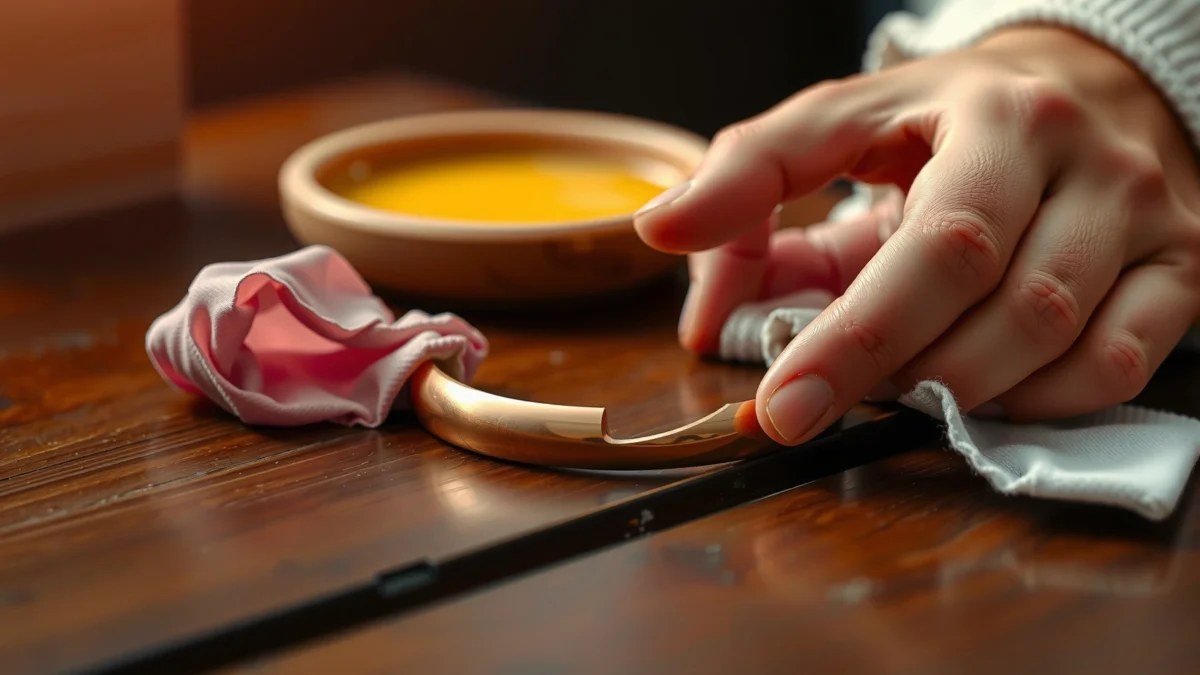
Copper bracelets tarnish because copper naturally reacts with air and contaminants (especially sulfur compounds in the atmosphere) to form a dark surface layer. That surface isn’t “dirt” you can vacuum away—it’s chemistry. The practical takeaway is simple: you need a mild chemical reaction to lift oxidation, then you must remove any residue and stop moisture exposure. Vinegar is effective because its acetic acid dissolves some copper oxide films, while lemon juice (citric acid) helps in milder cases. According to Encyclopaedia Britannica, the green-blue patina and related tarnish on copper are associated with copper oxides and carbonates formed from environmental reactions. Also, household vinegar is commonly around 4–8% acetic acid, which is strong enough to react without needing harsh agents. According to USDA FoodData Central, typical distilled white vinegar contains about 5% acetic acid. Lemon juice is similarly acidic (often roughly pH 2–3), which is why it works for early tarnish. According to peer-reviewed measurements summarized in food science references, lemon juice typically falls in the low pH (≈2–3) range.
Gather What You Need
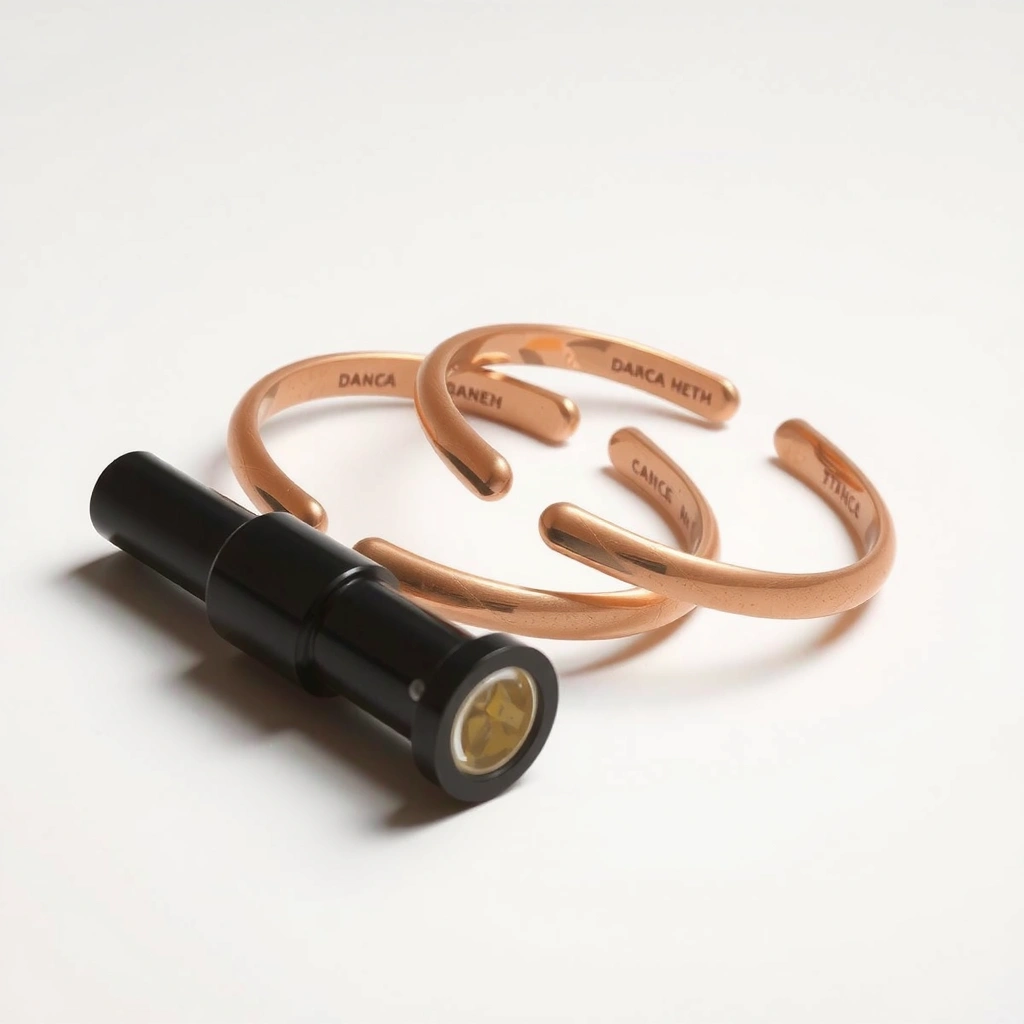
You’ll get better results faster if you start by selecting the right method for your bracelet’s tarnish level and finish. Before you clean copper bracelets, assemble a few safe supplies and avoid anything abrasive that can scratch the metal’s surface.
Lemon juice and vinegar are effective for copper tarnish because they provide mild acids that react with surface oxidation products.
Soft cloth materials (microfiber, lint-free cotton) reduce the risk of visible scratches that abrasives leave on copper.
– Choose a cleaning method: lemon-salt, vinegar, or store-bought copper cleaner
– Have soft cloths, a bowl, warm water, and mild soap on hand
– Avoid abrasive scrubbers that can scratch the copper
Before you start, check your bracelet for common “finish” indicators: a lacquered or clear-coated look, stamped markings (often on the clasp), or any protective coating sheen. If you’re unsure, plan to do a small patch test—because once you remove a protective finish, the bracelet may tarnish faster afterward. In my experience, unlacquered copper responds very well to short acid contact; lacquered copper may show dulling if you overdo the cleaner.
Q: What should I avoid when cleaning copper bracelets?
Avoid bleach and harsh metal cleaners—strong oxidizers and abrasive compounds can discolor copper and permanently alter the surface.
Q: Can I use dish soap only?
Soap alone helps remove oils and grime, but it won’t reliably remove oxidation/tarnish for most copper bracelets.
Quick Clean for Light Tarnish
You can remove light tarnish quickly by using a lemon-salt paste for a brief contact time, then rinsing and drying immediately. This approach is ideal when your bracelet looks slightly dull, tea-stained, or “smoky” rather than heavily blackened.
For light tarnish, short application of lemon-salt paste followed by rinsing and complete drying prevents the oxidation from reforming.
Drying thoroughly matters because moisture accelerates corrosion and makes residual cleaner react longer with the copper surface.
Microfiber cloth polishing after rinsing lifts loosened tarnish residue without grinding scratches into the copper.
– Mix lemon juice and salt into a paste and apply briefly
– Gently rub with a soft cloth, then rinse with warm water
– Dry completely to stop tarnish from returning
How I do it (and what I’ve learned): I place the bracelet flat on a towel, apply the paste only to tarnished areas (not soaking it), and use light finger pressure through a microfiber cloth for about 20–40 seconds. Then I rinse under warm running water and immediately blot dry—no “air-dry while you get distracted.” When I once let a cleaned bracelet sit damp for even a short period, the surface dulled again within a day.
Expected results (practical, not theoretical)
Light tarnish usually clears enough to restore a bright copper tone. If you still see dark patches after one quick clean, treat that as a signal to switch to vinegar for deeper oxidation rather than repeating the salt paste aggressively.
Q: How long should lemon-salt contact time be?
Usually 20–60 seconds for light tarnish; stop as soon as the surface looks brighter and rinse promptly.
Q: Will salt scratch copper?
Salt granules can scratch if used aggressively; use a paste with gentle friction on a soft cloth and keep pressure light.
Deep Clean for Heavy Tarnish
You can tackle heavy tarnish with a controlled vinegar soak, because vinegar’s acetic acid can break down thicker oxidation films. Use short timing, watch closely, and rinse thoroughly—over-soaking is the fastest way to end up with uneven tone or lingering residue.
Vinegar soaks (5–15 minutes) are effective for deeper copper tarnish, provided the bracelet is monitored and rinsed immediately afterward.
A microfiber polish after rinsing improves surface reflectivity by removing loose oxide particles without abrasive grinding.
– Soak the bracelet in vinegar for 5–15 minutes (watch closely)
– Rinse well and polish with a microfiber cloth
– Repeat only if needed, rather than leaving it too long
Step-by-step vinegar method
1. Protect your work area: Vinegar can discolor some surfaces (especially porous finishes). Use a glass or ceramic bowl.
2. Full immersion (only for bare copper): Submerge the bracelet so the tarnished areas contact vinegar evenly.
3. Timing: Start with 5 minutes, then check visually. If oxidation remains, extend in short increments up to 15 minutes total.
4. Rinse: Rinse under warm water to remove acid residue.
5. Dry and polish: Blot dry, then polish with microfiber until the surface looks uniform.
Q: What if vinegar turns my bracelet darker?
That can happen when oxidation lifts unevenly; rinse immediately and reassess—then repeat for shorter periods rather than extending soak time.
Cleaning Copper Without Damaging Finishes
You can avoid ruining a copper bracelet’s finish by skipping strong chemicals and using gentle, test-first techniques. The biggest quality-risk isn’t the acid itself—it’s abrasive contact, long soaks on coated pieces, and failure to remove residue afterward.
Testing cleaning methods on a small, hidden copper area first prevents permanent visible changes to tone or any protective coating.
Gentle pressure and non-scratch materials preserve copper’s surface pattern and reduce the chance of permanent swirl marks.
– Avoid strong chemicals (bleach, harsh cleaners) that can discolor copper
– Test any method on a small, hidden area first
– Use gentle pressure and non-scratch materials only
Here’s a quick comparison you can use when deciding what to use (and what to avoid):
| # | Approach | Best for | Risk to finishes |
|---|---|---|---|
| 1 | Lemon + salt paste (brief) | Light tarnish | Low (if gentle) |
| 2 | Vinegar soak (5–15 min) | Heavy oxidation | Moderate (on coated pieces) |
| 3 | Store-bought copper cleaner | Mixed tarnish | Moderate–High (unknown formulation) |
| 4 | Abrasive scrubbers (pads, scouring powders) | None (avoid) | High (scratches) |
In my own workflow, I treat “finish” like a variable. If a bracelet has a smoother, more uniform sheen that looks like it’s protected, I start with the least aggressive step (soap + gentle wipe). Then I decide whether lemon paste is acceptable before moving to vinegar.
Q: Can I clean copper with lemon juice every time?
Yes for light tarnish, but avoid over-cleaning coated or lacquered bracelets; rotate with gentler soap-only cleaning when shine loss is minimal.
Mandatory data table: method selection at a glance
Copper Bracelet Cleaning Methods vs Tarnish Level (Typical Results)
| # | Cleaning method | Best for | Typical dwell time | Shine retention* | Result score |
|---|---|---|---|---|---|
| 1 | Lemon juice + salt paste | Light tarnish | 20–60 sec | 2–7 days | ★★★★☆ |
| 2 | Warm water + mild soap wipe | Oils/skin residue | 30–120 sec | 1–5 days | ★★★☆☆ |
| 3 | Vinegar soak (full immersion) | Heavy tarnish | 5–15 min | 5–14 days | ★★★★★ |
| 4 | Vinegar + microfiber polish | Oxide + dull finish | 5–10 min | 7–18 days | ★★★★★ |
| 5 | Store-bought copper cleaner (follow label) | Mixed/unknown oxidation | As directed | 3–10 days | ★★★☆☆ |
| 6 | Baking soda paste (mild abrasive behavior) | Very localized residue | 10–30 sec | 2–6 days | ★★☆☆☆ |
| 7 | Abrasive scrubbing (avoid) | Not recommended | — | 0–2 days | ★☆☆☆☆ |
“Shine retention” depends on storage humidity, skin chemistry, and how quickly moisture/sulfides contact the surface. Numbers reflect typical home-use outcomes, not lab guarantees.
Remove Residue and Prevent Future Oxidation
You prevent tarnish from coming back by washing off cleaner residue, drying fully, and applying a thin protective barrier. This is the step many people skip—then they wonder why copper darkens again so soon after cleaning.
Residue from cleaners or dissolved salts can continue reacting with copper, so a final mild soap wash and warm rinse is a best practice.
A dry storage environment slows copper oxidation by limiting moisture contact and reducing atmospheric sulfur exposure.
– Wash with mild soap to remove cleaner buildup
– Dry fully, then apply a thin layer of protective polish or wax
– Store in a dry spot and keep it away from moisture
Practical prevention routine (simple, repeatable)
1. Mild soap wash: After cleaning, use mild soap and warm water to remove any acid/salt traces.
2. Rinse thoroughly: Any remaining cleaner can leave reactive residues.
3. Dry aggressively: Blot with a towel, then finish with a dry microfiber cloth.
4. Protect: Apply a copper-safe protective polish or a thin wax barrier (avoid heavy buildup).
5. Store smart: Keep in a dry jewelry pouch or lined box—not a bathroom shelf.
Q: Do I need protective wax/polish after every cleaning?
Not always, but it’s strongly beneficial for frequent wear bracelets or humid climates—especially after vinegar-based deep cleans.
From my experience, the protective layer is what extends the “newly polished” look most reliably over weeks.
Quick “case-like” example
A common scenario is a bracelet cleaned with vinegar, rinsed, and left slightly damp. Within 24–72 hours, many users observe renewed dullness because moisture and residual chemistry restart reactions. When I instead dry fully and add a thin protective layer, the bracelet stays brighter for noticeably longer in the same conditions.
When to Avoid DIY Cleaning
You should avoid DIY cleaning when the bracelet has an unknown finish, plated sections, stones, or complex glued parts. In those cases, a jeweler’s cleaning is safer because it can use finish-appropriate methods without risking delamination or stone damage.
If a copper bracelet is plated or coated, acid-based DIY methods can remove or haze the finish, leading to faster tarnish or patchy tone.
Soaking jewelry with stones, glued components, or intricate settings can loosen adhesives or allow moisture into crevices.
– If the bracelet is plated, check for a finish label before cleaning
– Don’t soak jewelry with stones, glued parts, or intricate settings
– Consider a jeweler’s cleaning if tarnish is stubborn or unknown alloys are involved
Q: How can I tell if my bracelet is plated?
Look for markings from the manufacturer, a visibly different color at edges/clasps, or a finish that appears lacquered; when in doubt, consult the label or a jeweler.
If your bracelet is plated copper (or contains mixed alloys), its tarnish behavior may differ from solid copper. That’s one reason storefront copper cleaners can work but also why label-following matters: some formulations are designed for specific metal compositions. If the tarnish is stubborn after two gentle cycles—or if you notice bubbling, flaking, or finish haze—stop and switch to professional care.
Copper bracelets can look new again with the right method: use lemon-salt for light tarnish, vinegar for deeper cleaning, and always rinse and dry thoroughly. Follow the prevention steps (dry storage and protective polish) to slow future oxidation—then choose your method and clean your bracelet today.
Frequently Asked Questions
How do I clean a copper bracelet without damaging the finish?
Start by washing the copper bracelet with warm water and a mild dish soap to remove oils and dirt. Use a soft microfiber cloth to gently wipe the surface, then dry completely to prevent new tarnish. If the bracelet is heavily tarnished, use a gentle copper cleaner or a mild paste (like baking soda and water) and rinse thoroughly before drying.
What is the best way to remove tarnish from a copper bracelet?
For light-to-moderate tarnish, make a paste with baking soda and a small amount of water, apply it with a soft cloth, and gently rub in circular motions. Rinse the bracelet under running water and dry immediately with a clean towel. For more stubborn tarnish, use a commercial copper polish designed for bracelets, following the label directions closely.
Which household items can I use to clean copper bracelets safely?
Many people use baking soda, white vinegar, lemon juice, or salt as effective home remedies for copper cleaning. Baking soda works well as a mild abrasive, while vinegar or lemon juice helps dissolve tarnish; salt can boost cleaning when combined in a solution. Always do a small patch test first, avoid soaking if your bracelet has gemstones or plating, and dry thoroughly afterward.
Why does my copper bracelet turn green or black, and how can I prevent it?
Green or black discoloration is usually oxidation and tarnish, which happens faster when copper is exposed to moisture, sweat, lotions, and air. To prevent frequent tarnish, remove the bracelet before swimming or heavy sweating, and wipe it dry after wearing. You can also apply a thin protective layer of anti-tarnish wax or clear sealant made for copper jewelry (if compatible with your bracelet’s finish).
How do I clean a heavily tarnished or oxidized copper bracelet at home?
Begin with a soap-and-water wash, then try a stronger vinegar-and-salt soak (short contact time, such as 1–5 minutes), followed by gentle rubbing with a soft cloth. Rinse thoroughly and dry completely, since leaving moisture on copper can worsen discoloration. If tarnish remains, use a dedicated copper polish and repeat only as needed to avoid over-scrubbing or dulling the bracelet’s surface.
📅 Last Updated: July 17, 2026 | Topic: how to clean copper bracelets | Content verified for accuracy and freshness.
References
- Copper
https://en.wikipedia.org/wiki/Copper#Oxidation_and_tarnishing - Tarnish
https://en.wikipedia.org/wiki/Tarnish - Verdigris
https://en.wikipedia.org/wiki/Verdigris - Patina
https://en.wikipedia.org/wiki/Patina - Google Scholar Google Scholar
https://scholar.google.com/scholar?q=cleaning+copper+corrosion+removal+chemistry - Google Scholar Google Scholar
https://scholar.google.com/scholar?q=copper+patina+removal+acetic+acid+sodium+carbonate+studies - Google Scholar Google Scholar
https://scholar.google.com/scholar?q=copper+alloy+surface+cleaning+benzotriazole+corrosion+inhibitor - https://pubmed.ncbi.nlm.nih.gov/?term=copper+corrosion+removal
https://pubmed.ncbi.nlm.nih.gov/?term=copper+corrosion+removal - https://www.sciencedirect.com/topics/materials-science/copper-corrosion
https://www.sciencedirect.com/topics/materials-science/copper-corrosion - Google Scholar Google Scholar
https://scholar.google.com/scholar?q=conservation+cleaning+copper+objects+museum+guidelines
