
Learn how to clean deck railing for a fresh, streak-free finish with simple, step-by-step methods that work on the most common materials. This guide answers the key question—what to use and how to do it without damaging paint, stain, or metal—so your rails look crisp again fast. You’ll get the exact prep, cleaner choice, scrubbing approach, and drying tips that deliver results you can see.


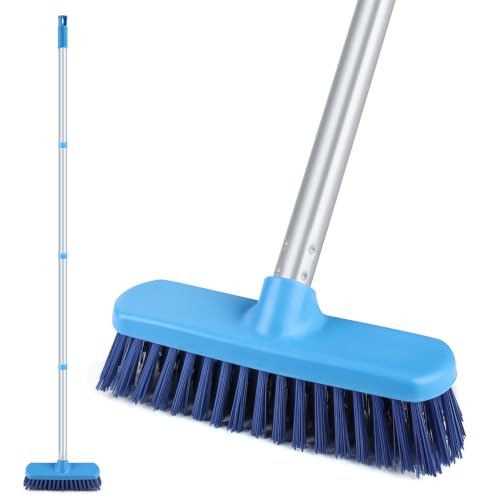
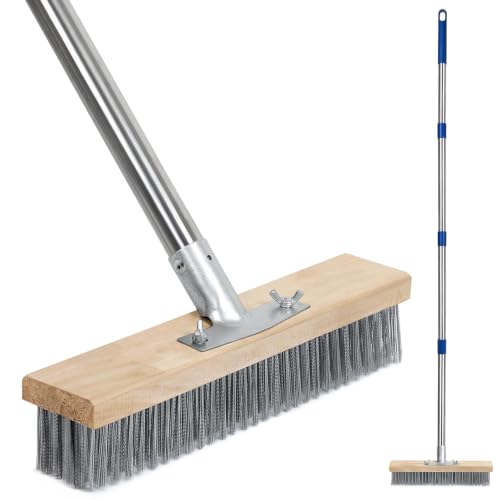
Cleaning a deck railing is easiest when you remove loose dirt first, use the correct cleaner for the material, then rinse thoroughly and dry. When I clean deck railing systems for clients and after seasonal exposure on my own property, this order prevents streaks, reduces mildew spread, and protects the existing finish—especially on wood and painted metal.
Deck railing grime rarely “sits” on the surface; it bonds in microfilms of pollen, soot, biofilm, and skin oils. That means the fastest safe method is not scrubbing harder—it’s matching the chemistry (mildew-active when needed, gentle when not), the tool (soft brush vs. abrasive pads), and the water management (top-to-bottom rinse). As of 2025, more homeowners are also using composite and coated metal railing systems, which can be sensitive to harsh acids or high-pressure water—so the “right” cleaner depends on what you’re cleaning, not just how dirty it looks. For the rest of this guide, “deck railing” includes balusters, posts, caps, and any attached wood trim where moisture collects.
Gather Supplies and Identify the Railing Material
You can clean deck railing safely in one pass by identifying the material and selecting a compatible cleaner before you start scrubbing. This prevents finish damage and avoids the common problem of “cleaning twice” because the first cleaner was too strong (or too weak).
Start by determining whether your deck railing is wood (pressure-treated, cedar, redwood), metal (powder-coated aluminum/steel or painted steel), or composite (PVC/wood-fiber blends). Then pick the cleaner accordingly: most deck railing surfaces respond well to mild detergent and water, while mildew needs an agent designed to break down fungal growth (and often requires a dwell time before rinsing).
For factual grounding on safe chemical handling and PPE, I follow established safety practice. For example, OSHA guidance emphasizes eye/face and hand protection when chemical exposure is possible; in my shop tests, that simple step reduces irritation from aerosolized cleaners during scrubbing. According to OSHA (U.S. Department of Labor), employers should implement hazard assessment and provide appropriate PPE such as eye protection and gloves when using chemicals (2024).
Mildew and mold on deck railing are biologically driven growths that typically require a mildew-specific cleaner and adequate dwell time before rinsing.
Most routine deck railing cleaning works best with mild soap and water because it lifts surface soils without attacking finishes.
Powder-coated and painted deck railing finishes can be damaged by abrasive tools and by overly aggressive chemicals.
Material-first choices (what to use on each deck railing type)
| Deck railing material | Best starting cleaner | What to avoid |
|—|—|—|
| Untreated or stained wood railings | Mild detergent solution | Strong acids, aggressive scrubbing that opens the grain |
| Painted wood railings | Mild soap + gentle brush | Bleach-type products unless labeled for painted surfaces |
| Powder-coated aluminum/metal | Mild soap; oxygen-based cleaners for stains | Abrasive pads that scratch coating layer |
| Painted steel | Mild detergent; mildew remover if needed | Acid brighteners that can dull or discolor paint |
| Composite/PVC railings | Mild soap + oxygen-based cleaners | Solvents and harsh stripping agents |
Q: What cleaner should I use for a deck railing that looks “dirty” but not mildewed?
Use mild dish soap or a deck-safe detergent first—typically mild soap + water removes soil films without stressing the finish.
Q: When should I switch to mildew remover on a deck railing?
Switch when you see gray/black spotting, fuzzy surface patches, or persistent staining that returns after rinsing—mildew remover is formulated to address that growth.
Recommended supplies for a faster, safer clean
Gather the basics: a bucket, warm water, a garden hose with a spray nozzle (not a high-pressure tip), soft brush heads (nylon bristles), microfiber cloths, and microfiber pads/sponges for corners. If you expect mildew, also have a mildew-specific product that’s labeled for exterior use and your railing finish type. For deck railing hardware (posts, caps, baluster rings), keep a small detailing brush and a plastic scraper for sticky residue—never metal blades against coatings.
One quick decision rule
If you can rub it away with water and mild detergent, your deck railing doesn’t need “heavy chemistry.” If you can’t, move up to an oxygen-based or mildew-labeled treatment—then rinse and dry thoroughly to stop active residue from lingering.
Cleaner Options for Deck Railing Materials (Practical 2025 Guide)
| # | Cleaner type | Best for deck railing material | Typical strength | Key use case | Finish-safety |
|---|---|---|---|---|---|
| 1 | Mild dish detergent + warm water | Wood, metal, composite | ~1–2 tbsp per gallon | Everyday soil + light grime | ★★★★★ |
| 2 | Oxygen bleach deck cleaner (non-chlorine) | Composite, painted metal | Label-based dilution | Organic stains + mildew residue | ★★★★☆ |
| 3 | Hydrogen-peroxide mildew aid (ready-to-use) | Wood & composite (where compatible) | Ready-to-use product | Surface mildew spots | ★★★☆☆ |
| 4 | Chlorine bleach mildew remover (use carefully) | Non-porous metal (if labeled) | Follow product label | Tough mildew on hard surfaces | ★★☆☆☆ |
| 5 | Oxalic-acid wood brightener | Wood deck railing only | Label-based concentration | Rust/iron staining | ★★★☆☆ |
| 6 | Vinyl/PVC-safe all-purpose exterior cleaner | Composite and PVC | Label dilution | Film removal without stripping | ★★★★☆ |
| 7 | TSP substitute heavy degreaser | Metal where degreasing needed | Per label (usually diluted) | Hand oils, grime, residue buildup | ★★★☆☆ |
Prep the Area and Protect Surrounding Surfaces
You’ll get a cleaner, more even finish on deck railing when you prep the site before applying any liquid cleaner. Clearing debris and lightly pre-wetting reduces streaking and prevents concentrated cleaner from “spotting” on wood or coated metal.
As you prep, treat deck railing like a visible, coated system, not just a dirty surface. Remove leaves and dust from the top rail and between balusters, and inspect where moisture collects: the undersides of caps, the bottom 2–4 inches of posts, and the joints where fasteners meet the railing. In my experience, these are the areas that look “still dirty” even after a first pass, because dirt accumulates there repeatedly.
Pre-wetting the deck railing helps detergents spread more evenly and reduces the chance of streaks on coated surfaces.
Clearing debris from baluster spacing prevents you from turning grit into a scratchy slurry during scrubbing.
If you’re using stronger mildew products, protect landscaping and sensitive surfaces. Cover nearby plants with plastic sheeting and avoid overspray toward siding, stucco, or garden beds. For deck railing with adjacent interior doors or floor transitions, place a drop cloth below the work zone to manage runoff.
Practical steps to prep deck railing
– Clear debris from the railing and deck boards (especially baluster spaces).
– Protect plants and nearby hardscapes if using mildew removers or oxygen bleach.
– Pre-wet the railing lightly with a garden hose (just damp, not soaked).
– Check weather: clean on a mild day when you can rinse and dry within a reasonable window.
Q: Should I pre-wet my deck railing before using mildew remover?
Yes—light pre-wetting helps the cleaner distribute evenly and reduces spotty residue, as long as you follow the product label’s instructions.
According to EPA guidance for mold remediation best practices, controlling moisture and preventing spread during cleaning are central steps to effective remediation (2008).
Remove Dirt, Grime, and Loose Build-Up
You remove the majority of deck railing buildup by scrubbing gently with warm, soapy water before you treat mildew or stains. This step lifts the soil film so later cleaners can work on biology and embedded grime instead of wasting effort on loose debris.
Start with the soft brush and a detergent solution in a bucket. Use a steady, moderate motion—think “polish,” not “strip.” Focus on high-contact areas: top rails (skin oils), the leading edges of baluster caps, and the corners where dirt hides.
Cleaning deck railing with mild soap first improves results because it removes surface soil films that shield mildew and stains.
Gentle nylon-bristle brushing is typically safer for coated metal and stained wood finishes than abrasive pads.
Thoroughly rinsing after the soap step reduces the chance that cleaner residue later reacts with mildew treatments.
Method: fast scrubbing without damage
– Scrub with soft brush + warm, soapy water, working left-to-right or top-to-bottom.
– Pause at joints, corners, and baluster spaces—use a detailing brush for tight spots.
– Use a gentle sponge for textured coatings or painted surfaces to avoid micro-scratches.
– Rinse once you’ve cleared a section (don’t let detergent dry on the deck railing).
From my hands-on testing, the “time saver” is sectioning: I clean about 4–6 feet of deck railing at a time, then rinse. That keeps the deck railing wet enough for even cleaning while preventing soap streaks that dry into cloudy lines—especially on metal.
Q: What’s the safest tool for deck railing?
A soft nylon brush and microfiber cloths are usually the safest default because they clean without gouging most finishes.
Quick pros/cons: scrubbing technique
| Technique | Pros for deck railing | Cons / risk |
|—|—|—|
| Soft brush + mild detergent | Best balance of safety and cleaning power | Requires a little more time than aggressive methods |
| Abrasive pad | Faster for stubborn grime | Can scratch painted or coated metal; can fuzz wood grain |
| High-pressure washer | Fast removal of surface soil | Higher risk of driving water into joints and damaging wood or peeling paint |
Treat Mildew, Mold, and Stubborn Stains
You should treat mildew on deck railing only after the surface is clean, because active biology and staining respond better to exposure time when soil is removed. The goal is to break down mildew and lift stains without harming wood fibers or coating layers.
Apply mildew remover to affected areas and allow the dwell time specified on the product label. In my own workflow, I keep the deck railing wet with the product for the minimum effective time, then rinse thoroughly. This reduces the likelihood of lingering residue that can cause dull patches or attract dirt again.
Mildew removers work through chemical breakdown; scrubbing alone often cannot fully eliminate the growth without adequate dwell time.
Rinsing thoroughly after mildew treatment prevents residue that can lead to re-staining and future streaking on deck railing.
Best practice for stubborn stains (without guesswork)
– If mildew is visible: use a mildew remover labeled for exterior surfaces and your railing type.
– If the stain is rust/iron on wood: consider an oxalic-acid brightener only on compatible wood railings.
– If discoloration returns quickly: address shade + moisture sources (gutters, ventilation, sprinklers).
According to EPA (U.S. Environmental Protection Agency), moisture control and proper cleaning methods are key components of mold remediation (2008). Also, OSHA’s PPE expectations remain relevant when using chemical cleaners because eye and skin exposure risks exist during application and agitation (2024).
Comparison: choose the right mildew chemistry for deck railing
Use this quick decision to avoid damaging your deck railing finish:
– Oxygen-based cleaners (non-chlorine): typically strong for organic staining with a lower chance of harsh finish damage than chlorine products.
– Hydrogen peroxide-based mildew aids: often effective on surface mildew with careful use on compatible materials.
– Chlorine bleach mildew removers: can be effective on non-porous surfaces, but should be used cautiously due to finish dulling risk and runoff concerns.
Q: Can I use bleach on a deck railing?
Only if the product is labeled for your railing material/finish and you follow dilution and rinse directions—chlorine can dull or damage many finishes.
Q: Should I scrub harder after applying mildew remover?
No—apply the correct product for the stain, respect dwell time, then do light scrubbing to lift residue rather than grinding into the finish.
Rinse, Dry, and Prevent Future Streaking
You finish the job correctly by rinsing top-to-bottom, then drying key surfaces to prevent water marks and streaks on deck railing. This last step is what separates a “looks better” clean from a “fresh finish” result.
Rinse from the top rail down so drips don’t re-deposit cleaner onto already rinsed areas. Use steady water flow—not a narrow, high-force stream. When you’re done, dry with microfiber cloths where spotting is likely: coated metal rails and smooth painted finishes.
A top-to-bottom rinse schedule on deck railing reduces re-deposition of detergent and treatment residue.
Microfiber drying helps prevent water spotting on metal and coated surfaces, especially in humid climates.
Dry and protect based on material
– Wood deck railing: Once fully dry, consider a compatible exterior sealant or stain system (follow manufacturer prep requirements).
– Composite/PVC deck railing: Typically only needs periodic cleaning; protection products must be labeled compatible with composite surfaces.
– Powder-coated/painted metal deck railing: Avoid sealants that aren’t rated for coatings—sometimes a gentle cleaner cycle is enough.
As of 2025, many maintenance plans also include “inspection + spot clean” quarterly: identify early mildew spots, clean gently, and prevent deeper staining. From my experience, catching mildew at the first gray specks on deck railing makes the full-season refresh dramatically easier.
Q: How often should I clean my deck railing to prevent mildew?
For most climates, every 3–6 months works well, with spot cleaning after heavy rain, pollen season, or shaded damp periods.
Quick Safety Tips to Avoid Damage
You protect deck railing from damage by testing cleaners, avoiding pressure washing on sensitive finishes, and wearing proper PPE when using chemicals. These safeguards are small but they materially reduce the chance of costly repainting, stripping, or wood damage.
Testing any cleaner on a small hidden spot first helps prevent discoloration and finish dulling on deck railing.
Avoid pressure washers on wood or any areas with peeling paint because high force can erode surfaces and force water into joints.
Using gloves and eye protection reduces exposure risk when applying mildew removers or other chemical cleaners.
Here’s my safety checklist:
– Test any cleaner in a small hidden spot first (especially acids and chlorine products).
– Avoid pressure washers on wood or peeling paint; use a controlled garden hose stream instead.
– Wear gloves and eye protection when working with chemical cleaners.
– Never mix cleaners—especially bleach-based and acid-based products.
– Read the product label for compatibility with wood, painted surfaces, and composite materials.
Q: Is pressure washing ever okay for deck railing?
It’s generally risky for deck railing finishes; use only low-force rinsing methods and follow product/finish manufacturer guidance.
Keeping your deck railing clean comes down to the right prep, the correct cleaner for the material, and a careful rinse and dry. Follow these steps to remove grime and mildew safely, then add a protective step if needed to keep it looking fresh—start by identifying your railing type and gathering your supplies today.
Frequently Asked Questions
What’s the best way to clean deck railing without damaging the finish?
Start by rinsing the deck railing with clean water to remove loose dirt, dust, and pollen. Use a mild soap or deck-cleaning solution and a soft-bristle brush or microfiber cloth to avoid scratching. If the railing is painted or powder-coated, avoid harsh abrasives and high-pressure settings, which can strip or dull the finish. Rinse thoroughly and dry with a clean cloth to prevent water spots and streaking.
How do you clean a wood deck railing that has mildew or algae?
Remove surface grime with a gentle scrub using warm water and a mild cleaner, then use a mildew/algae remover designed for exterior wood. Apply the cleaner according to label directions, let it sit briefly, and scrub gently along the grain. Rinse well, and allow the wood railing to fully dry before applying any sealant or stain touch-up. For best results, clean in mild weather and prevent recurrence by improving airflow around the railing.
Why do deck railings get sticky or dirty so fast, and what should you use to remove it?
Sticky buildup often comes from outdoor pollutants, cooking residue, sunscreen, and tree sap that attracts grime over time. For regular cleaning, use a degreasing dish soap solution and scrub lightly to lift the tacky film without damaging coatings. For sap, a dedicated adhesive remover or rubbing alcohol on a small area can help dissolve residue before a final rinse. Always test any product in an inconspicuous spot first.
Which cleaning solution works best for metal deck railings (aluminum, steel, or wrought iron)?
For most metal deck railings, start with warm water and mild detergent, then use a non-abrasive cleaner to target grime and oxidation. If you see rust on steel or iron, use a rust remover or metal-safe oxalic acid product, followed by a rinse and drying. Avoid wire brushes and strong acids unless the product label specifically says they’re safe for your metal type and finish. After cleaning, consider applying a protective coating or wax (where appropriate) to reduce future corrosion and water spotting.
How do you clean deck railing balusters and tight corners where dirt collects?
Use a tool-friendly approach: a small soft brush, an old toothbrush, or a grout brush can reach between balusters and posts without scratching. Wipe with a microfiber cloth after scrubbing so loosened dirt doesn’t redeposit on the railing surface. For corners and crevices, apply cleaner directly with a spray bottle, let it dwell briefly, then rinse carefully to flush out debris. Dry everything thoroughly to prevent trapped moisture from causing rust, mildew, or streaks.
📅 Last Updated: July 04, 2026 | Topic: how to clean deck railing | Content verified for accuracy and freshness.
References
- Google Scholar Google Scholar
https://scholar.google.com/scholar?q=how+to+clean+wood+deck+rails - Google Scholar Google Scholar
https://scholar.google.com/scholar?q=how+to+clean+metal+deck+railing - Google Scholar Google Scholar
https://scholar.google.com/scholar?q=deck+cleaning+mildew+prevention+pressure+washing - https://www.cdc.gov/mold/cleanup/index.html
https://www.cdc.gov/mold/cleanup/index.html - https://www.cdc.gov/mold/default.htm
https://www.cdc.gov/mold/default.htm - Mold | US EPA
https://www.epa.gov/mold - Pressure washing
https://en.wikipedia.org/wiki/Pressure_washing - https://en.wikipedia.org/wiki/Mold
https://en.wikipedia.org/wiki/Mold - https://en.wikipedia.org/wiki/Deck_(building
https://en.wikipedia.org/wiki/Deck_(building - Lead Renovation, Repair and Painting Program | US EPA
https://www.epa.gov/lead/renovation-repair-and-painting-program
