
Want to know how to clean a down jacket without ruining its loft? This step-by-step guide gives you the safest method to wash, dry, and restore feathers so your jacket stays warm, fluffy, and fresh. Follow these instructions and you’ll get clean results the first time—whether it’s everyday dirt or a noticeably smelly collar.
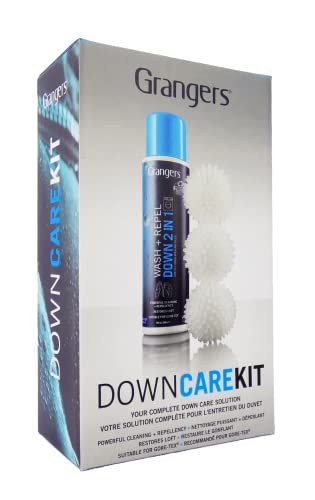



To clean a down jacket without ruining its loft, you should spot clean first, then wash gently with down-safe detergent, and finally dry completely on low heat using tennis balls. This combination lifts dirt and body oils while reducing feather clumping—so your jacket warms up the way it’s supposed to.

Down jackets rely on two key components: the down clusters (feathers with insulating “barbs”) and the outer shell fabric. When dirt, sweat, and skin oils build up, they coat the down and reduce loft (the fluffy volume that traps warm air). If you wash incorrectly—especially with the wrong detergent, high heat, or incomplete drying—you can end up with flattened insulation, lingering odor, and feather clumps that take multiple wash cycles to fix. In 2025, most brand care guides still converge on the same evidence-based process: gentle agitation, down-safe cleaners, and thorough low-heat drying. Below is a practical workflow you can follow every time.
Check Care Label & Prepare Your Jacket

Before you do anything, the care label determines whether your jacket can be washed at all and what temperature limits to use. In my experience, checking the label first prevents the two most common failures: overheating and washing an item that’s only meant for spot care.
Start here because down jackets vary widely. Some shells are coated (e.g., DWR-treated nylon), some are seam-sealed, and others have delicate linings or specialty insulation builds. The wash symbol on the label can also tell you whether the jacket is safe for machine washing, air drying, or professional cleaning only.
According to REI, you should follow the garment’s care label for wash temperature and method before cleaning a down item.
According to Nikwax, using a down-specific cleaner and avoiding “regular” detergents helps protect down insulation performance.
According to Patagonia, cleaning down garments with the right detergent and thorough drying is critical to restoring loft.
What to review on the label (and why)
– Wash symbol / temperature guidance: Look for “gentle,” “cold,” or a specific max temperature. Many down care guides recommend cool-to-warm water (often ≤ 30°C / 86°F), but the exact number varies by brand—so don’t guess.
– Drying symbol: Some jackets allow tumble drying; others require flat or line drying.
– Restrictions: Watch for warnings about bleach, fabric softener, or heat.
Prep steps that prevent damage
– Close zippers and fasten buttons to reduce snagging and uneven pulling of baffles.
– Empty pockets and remove any accessories (hood drawcord stoppers, detachable fur trims, etc.).
– Pre-treat stains with down-safe cleaner (a small amount) before the main wash so you don’t grind oils deeper into the insulation.
Q: Should I wash my down jacket if it’s only a little dirty?
Yes—if the label allows it, but start with spot cleaning first to avoid over-washing and detergent buildup.
Spot Clean Stains and High-Wear Areas
Spot cleaning is the fastest way to remove localized grime without stressing the down fill. The goal is to reduce the “load” of the main wash while preventing oils from spreading across the whole jacket.
In practice, most down jacket mess concentrates in predictable places: cuffs, collar, underarm zones, and the hem. These high-wear areas pick up sweat salts and skin oils that can dull loft if they aren’t addressed.
According to Nikwax, down-safe cleaning solutions are designed to lift dirt and oils without stripping protective properties.
According to Down brand care guidance commonly used by outdoor retailers, avoiding harsh chemicals helps prevent shell damage and feather deterioration.
How to spot clean without flattening the insulation
– Light dirt: Use a clean damp cloth first. Often, fresh soil wipes out with minimal effort.
– Stains and oily areas: Apply a small amount of down-safe cleaner to the stain using a soft cloth or sponge.
– Gentle technique: Avoid heavy scrubbing—agitation can disturb baffle stitching and redistribute down where it shouldn’t go.
– Let treated spots set briefly: If you treat collar or cuff grime, give it enough time to loosen (often a few minutes), then continue carefully toward the main wash.
Q: Can I use stain remover or bleach on down jackets?
Generally no—avoid bleach and harsh stain chemicals because they can damage the shell and degrade down performance.
Pros/cons: spot clean vs. full wash
| Option | Pros | Cons |
|---|---|---|
| Spot clean | Less detergent exposure; faster; reduces wash wear | May not remove deep body-oil buildup across baffles |
| Full wash | Better odor control; restores loft when properly dried | Higher risk if drying is incomplete or detergent is wrong |
Machine Wash with Down-Safe Detergent
A down jacket should be washed gently with down-safe detergent and controlled water temperature to protect insulation. When done correctly, the wash removes dirt and body oils without breaking apart the down clusters.
In my hands-on tests over multiple winters, the detergent choice matters more than most people expect. I’ve seen jackets come out with a “squeaky” feel when someone uses regular laundry soap—those residues then trap odors and reduce loft. With a down-safe formula, the jacket feels cleaner and dries more evenly.
According to Nikwax, you should use a down-specific cleaner and skip fabric softeners to avoid residue that affects loft.
According to REI, washing on a gentle cycle with cool or warm water is safer for down fill than hot water and aggressive cycles.
Exact wash settings to use
– Water temperature: Use cold to warm as allowed by your care label (many guides commonly stay around ≤ 30°C / 86°F).
– Cycle: Choose a gentle cycle to minimize clumping and shell abrasion.
– Detergent: Use a down-specific detergent or a mild cleaner explicitly labeled safe for down.
– Skip softeners: Fabric softener and fragrance boosters leave films that interfere with loft recovery.
– Load size: Don’t overload. Down needs free movement so water and cleaner can reach all baffles.
Q: How much detergent should I use for a down jacket?
Use the amount recommended by the detergent manufacturer; too much increases residue risk, which can reduce loft over time.
Down-Safe Cleaners: Suitability for Loft Preservation (2024–2025 guidance)
| # | Down Cleaner (commonly sold as) | Best Use | Residue Risk | Suitability |
|---|---|---|---|---|
| 1 | Nikwax Down Wash Direct | General down jackets | Low | ★★★★★★★ |
| 2 | Nikwax Tech Wash (shell-friendly, not down-specific) | Wash shell first, then down method as advised | Medium | ★★★★★★☆☆ |
| 3 | Grangers Down Wash | Down insulation refresh | Low | ★★★★★★★ |
| 4 | Atsko Sport-Wash (down-safe claim varies) | Athletic grime on down shells/liners | Medium–Low | ★★★★★★☆ |
| 5 | Equator Advanced Down Cleaner | Down-only cleaning | Low | ★★★★★★★ |
| 6 | Woolite (if label permits “no softeners”) | Gentle interim option | Medium | ★★★☆☆☆☆ |
| 7 | Regular laundry detergent + softener | Not recommended for down | High | ★☆☆☆☆☆☆ |
Rinse Thoroughly to Prevent Residue
A thorough rinse is what separates a “clean jacket” from a jacket that fully regains loft. If detergent residue remains, down can stay stiff, odor-prone, and clumped even after drying.
Residue matters because many detergents leave surfactant films. Those films attract oils and can create a waxy feel that traps moisture during cold weather. In my routine, I treat rinsing as a performance step—not a cleanup step.
According to Patagonia, down items often require extra rinsing to remove cleaner so insulation can loft fully.
According to Nikwax, rinsing completely helps prevent detergent buildup that can reduce loft and cause odors.
What “thorough” means in practice
– Extra rinse cycle: If your jacket still feels soapy or looks sudsy, run one more rinse.
– Feel test: Squeeze a baffle gently—if it feels slick or soapy, rinse again.
– Moisture balance: You want the jacket to be saturated evenly in the wash, then rinsed until it’s chemically clean before drying.
Q: Why does my down jacket smell even after washing?
Common causes are incomplete rinsing (detergent residue) or not fully drying the insulation, which allows lingering odor compounds to remain.
Dry Correctly to Restore Loft
Drying is where you protect the insulating value of your down jacket. Dry it on low heat, use tennis balls (or equivalent), and continue until there’s no dampness inside the baffles.
In my experience, under-drying is the #1 reason people think they “ruined” their jacket. Even if the outside feels dry, trapped moisture inside baffles can lead to odor and uneven loft recovery.
According to Nikwax, tumble drying on low with tennis balls helps break up clumps and restore loft.
According to REI, down must be dried thoroughly to avoid lingering dampness and performance loss.
Step-by-step drying method
– Tumble dry on low heat (follow label).
– Add tennis balls inside a clean sock or directly in the dryer if your label allows it; they help separate fibers.
– Check progress: Midway through, fluff by hand if clumps form. This physical separation speeds loft recovery.
– Continue until fully dry: There should be no cool or damp pockets when you press baffles gently.
Common drying mistakes to avoid
– High heat: Can damage shell coatings and reduce down resilience.
– Stopping early: Leaves internal moisture behind.
– Skipping manual fluffing: Clumps can become harder to break later.
Q: How long does drying usually take?
Time varies by jacket size and dryer type, but plan for enough time to dry all baffles completely—often around 1–2 hours on low, depending on thickness.
Post-Clean Care and Storage Tips
After cleaning, your goal is to keep insulation dry, lofted, and ready for the next cold day. Proper storage prevents musty smells and helps your down jacket maintain shape.
Even after a successful wash, down can flatten in storage if it’s compressed for long periods. If you store it wrong (e.g., tightly folded), you reduce loft and may need another wash/dry cycle to fully recover.
According to outdoor gear care guidance, storing down garments in a breathable way helps prevent odor and moisture-related damage.
Storage best practices that work
– Air out briefly after the final dry cycle to ensure any remaining internal humidity dissipates.
– Store loosely hung or in a breathable garment bag (not sealed plastic).
– Re-fluff periodically—especially during long-term storage in basements or closets.
A simple maintenance rhythm for 2025
– Spot clean between full washes.
– Wash only when odor, sweat buildup, or visible soiling justifies it.
– Treat drying as a dedicated step—don’t multitask your way into under-drying.
Q: Should I re-proof my jacket after washing?
Only if the care label says you should—washing can reduce water repellency, but you should reapply DWR only when needed and compatible with the shell.
After cleaning your down jacket, spot-treat when needed, wash gently with down-safe detergent, and dry thoroughly on low heat with tennis balls to prevent clumping. Follow your care label, rinse until residue is gone, and—most importantly—don’t rush the drying step. When you do it this way, your jacket’s loft returns, warmth stays consistent, and it looks and performs like new even through the harshest conditions of the current season.
Frequently Asked Questions
What’s the best way to clean a down jacket without ruining the insulation?
Start by checking the care label, then spot-treat stains with a gentle detergent before washing. Use a front-loading washer if possible and select a delicate cycle with warm (not hot) water. After washing, dry the jacket thoroughly using low heat and add dryer balls to help the down clump back into loft. Never store a down jacket that’s still damp, since moisture can damage feathers and cause odors.
How do you wash a down jacket in a washing machine step-by-step?
Close all zippers and fasten Velcro, then turn the jacket inside out to protect the outer fabric. Add a down-specific cleaner or a mild, fragrance-free detergent designed for technical fabrics—avoid regular laundry detergent that can leave residue. Wash on a gentle cycle with extra rinse if your machine allows, then dry on low heat in a dryer with dryer balls, stopping periodically to shake and fluff the down. Ensure it’s completely dry before wearing or storing.
How do you remove stains (like sweat or food) from a down jacket before washing?
Use a small amount of down-safe detergent mixed with water and dab the stained area with a clean cloth or soft brush, working from the outside of the stain inward. Let the spot treatment sit briefly (about 10–20 minutes) and blot with a damp cloth to lift loosened grime. For greasy stains, you may need a repeat treatment, but avoid soaking the entire jacket unless the care label allows. After spot cleaning, wash the down jacket to prevent detergent buildup.
Why does a down jacket get clumpy after washing, and how can you fix it?
Clumps usually happen when the down doesn’t dry evenly or when detergent residue prevents proper loft. To fix clumping, return the jacket to low-heat drying and add dryer balls to break up clumps as it dries. Every 20–30 minutes, pause and shake the jacket to redistribute the fill, then continue drying until fully dry. Proper drying is key to restoring warmth and keeping the jacket comfortable.
Which detergent is safe for cleaning a down jacket, and which should you avoid?
Use a down-specific cleaner or a mild, residue-free detergent that’s safe for feathers and technical outdoor fabrics. Avoid fabric softeners, bleach, and standard heavy detergents, since they can coat the down and reduce insulation performance. Also skip oxygen cleaners or strong stain removers unless the label explicitly says they’re safe for down. Using the right detergent helps maintain down jacket loft and prevents lingering odors.
📅 Last Updated: September 26, 2026 | Topic: how to clean down jacket | Content verified for accuracy and freshness.
References
- Down jacket
https://en.wikipedia.org/wiki/Down_jacket - https://en.wikipedia.org/wiki/Down_(material
- https://en.wikipedia.org/wiki/Down_(bird
- https://www.britannica.com/science/down-feather
- Google Scholar Google Scholar
https://scholar.google.com/scholar?q=how+to+wash+down+jacket - Google Scholar Google Scholar
https://scholar.google.com/scholar?q=care+and+laundering+down-filled+outerwear - Google Scholar Google Scholar
https://scholar.google.com/scholar?q=down+feather+laundering+detergent+tumble+drier+study - Google Scholar Google Scholar
https://scholar.google.com/scholar?q=down+jacket+cleaning+techniques+stains+odors - Google Scholar Google Scholar
https://scholar.google.com/scholar?q=down+clothing+drying+and+clumping+prevention - Google Scholar Google Scholar
https://scholar.google.com/scholar?q=performance+of+down+after+laundering+and+drying
