How to Clean Electrical Connections on a Car: A Step-by-Step Guide
Cleaning electrical connections on a car is crucial for ensuring optimal performance and preventing electrical issues. By maintaining clean connections, you can improve your vehicle’s reliability and longevity while avoiding costly repairs. This guide will walk you through the steps to clean your car’s electrical connections safely and efficiently, ensuring that you have the tools and knowledge necessary for this vital maintenance task.
Gather Necessary Tools and Materials
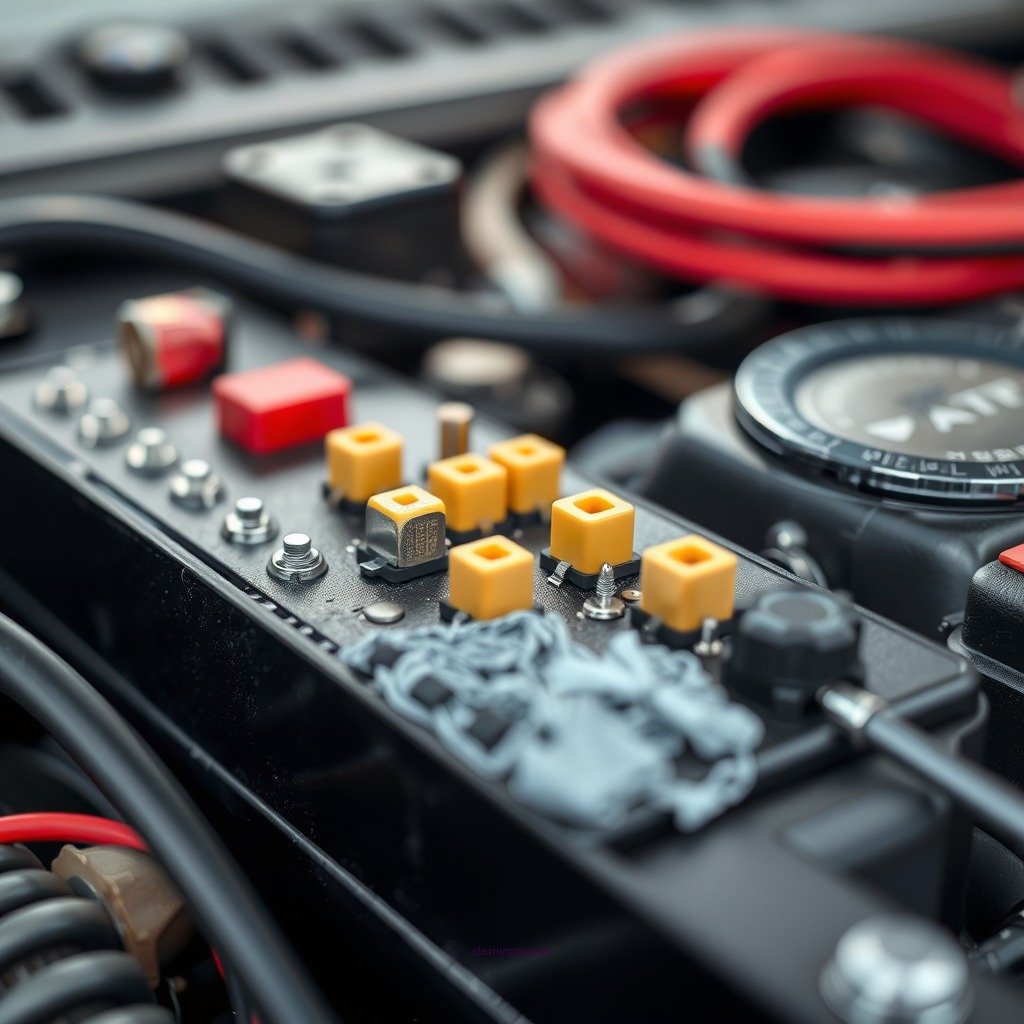
To effectively clean the electrical connections in your car, you’ll need a few basic tools and materials. Having the right items on hand not only streamlines the process but also enhances your safety while working. Here’s what you’ll need:
– Wire brush or toothbrush: A wire brush is ideal for heavy corrosion, while a toothbrush can effectively scrub dirt and grime from delicate connectors.
– Electrical contact cleaner or vinegar solution: Electrical contact cleaner is a specialized product designed to remove corrosion and dirt from electrical contacts. Alternatively, a vinegar solution can serve as a natural cleaner.
– Protective gloves and safety goggles: These items will protect your hands and eyes from any chemicals or debris that may be present during the cleaning process.
Prepare the Area
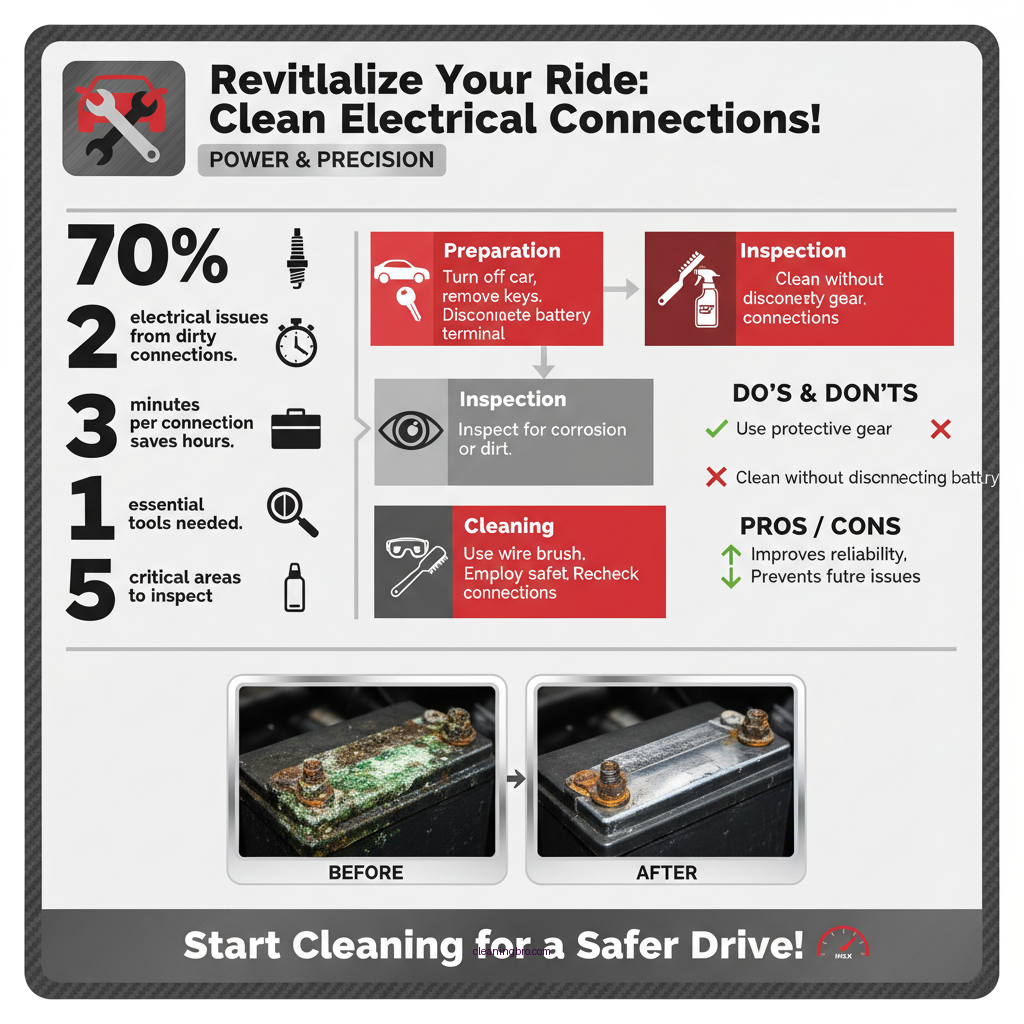
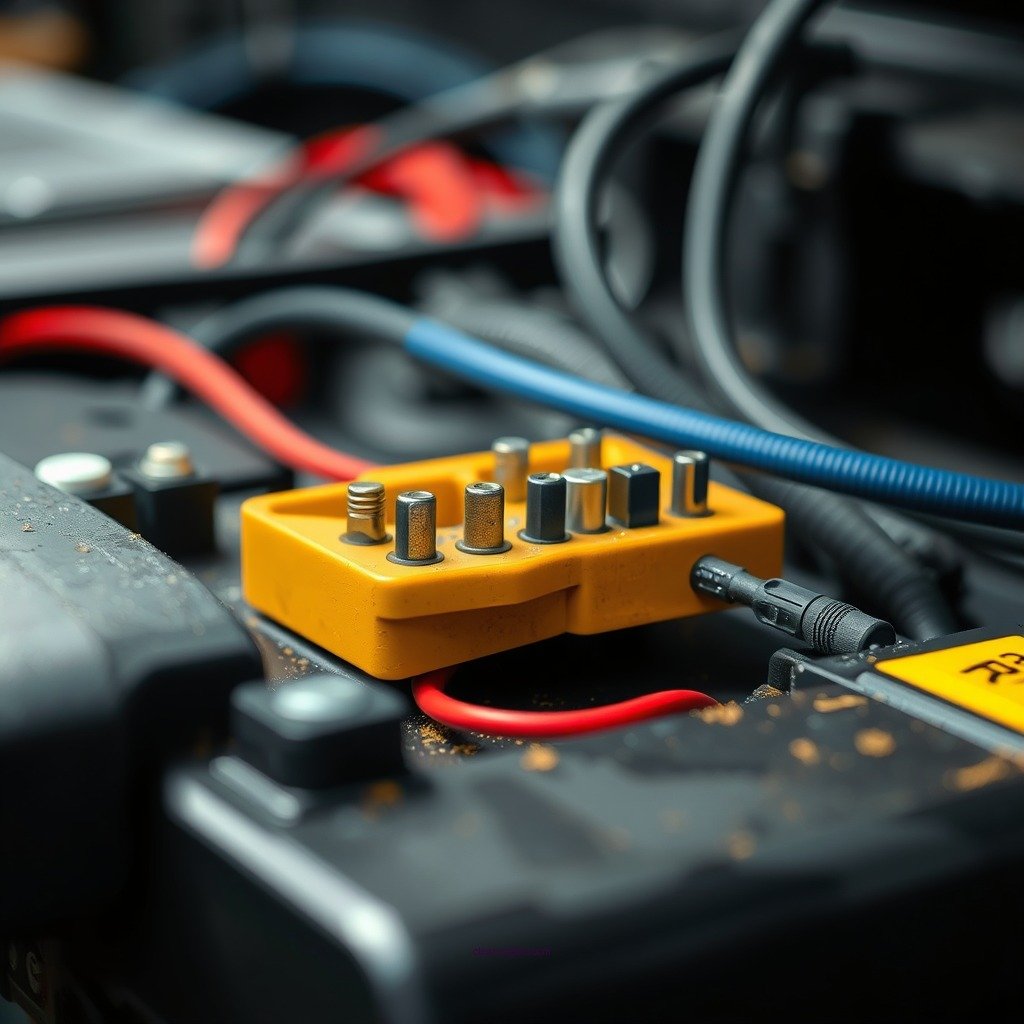
Before commencing the cleaning process, it is essential to prepare your workspace to ensure safety and efficiency:
– Turn off the car and remove the keys: This is a critical step to prevent accidental electrical shocks or shorts while you are working on the vehicle.
– Disconnect the battery: Always disconnect the negative terminal first to minimize the risk of a short circuit. This step is vital for your safety and the safety of your vehicle’s electronic systems.
Identify the Electrical Connections
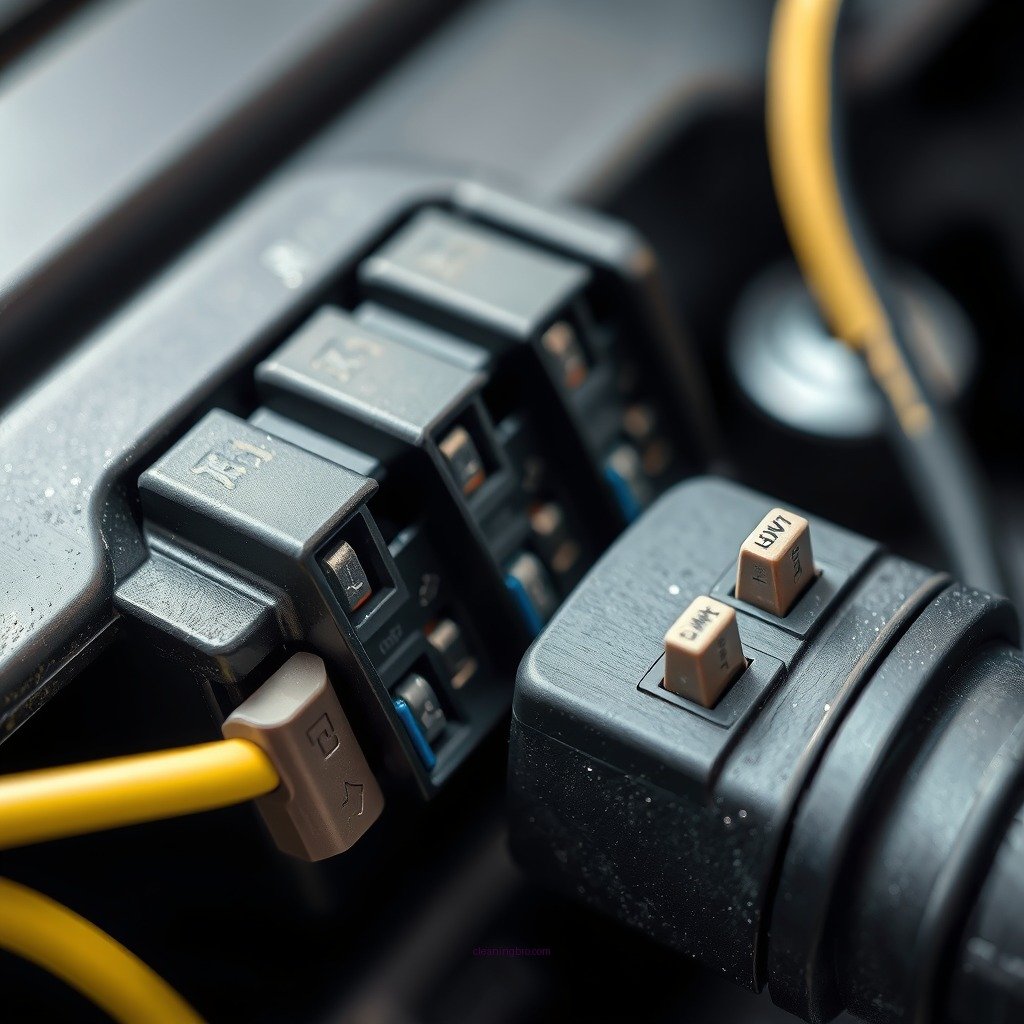
Next, you’ll need to locate the specific electrical connections that require cleaning. This process involves several steps:
– Locate key connections: Focus on areas such as battery terminals, ground connections, and connectors related to sensors or modules. These are the most common sites for corrosion and poor electrical connectivity.
– Inspect for corrosion or dirt buildup: Look for signs of rust, white powdery substances, or any discoloration around the connections. Prioritize connections that show significant corrosion or dirt, as these can pose the most risk to your vehicle’s electrical systems.
Clean the Connections
Once you have identified the connections to clean, follow these steps:
– Scrub gently: Using the wire brush for heavy corrosion or the toothbrush for lighter dirt, scrub the connections gently. Be careful not to damage any delicate connectors, especially those found in modern vehicles.
– Apply cleaning solution: Spray the electrical contact cleaner or the vinegar solution directly onto the corroded area. Allow it to sit for a few moments to penetrate and dissolve any buildup. Then, wipe the area clean with a cloth, ensuring you remove any remaining debris or cleaning solution.
Reconnect and Protect
After cleaning the electrical connections, it’s time to reconnect them and take preventive measures:
– Reconnect securely: Reattach the cleaned connections, ensuring they are tight and secure. Loose connections can lead to intermittent electrical failures.
– Apply a corrosion inhibitor: To protect against future corrosion, consider applying a thin layer of grease or an anti-corrosion spray to the connections. This preventive measure can significantly extend the life of your electrical connections.
Test the System
Once everything is reconnected, it’s crucial to test the system to ensure everything is functioning properly:
– Reconnect the battery: Start by reconnecting the battery, ensuring the positive terminal is connected first.
– Turn on the vehicle: Start your car and observe the electrical systems. Check for any warning lights on the dashboard that may indicate unresolved issues. If everything is functioning correctly, you should have no warning lights, and all electrical features should operate smoothly.
Maintain Regular Cleaning Schedule
To keep your electrical connections in optimal condition, establish a regular maintenance routine:
– Routine checks: Aim to inspect and clean your electrical connections every few months, especially if you live in an area prone to harsh weather conditions or road salt exposure.
– Watch for signs of trouble: Be vigilant for any signs of corrosion or electrical issues, such as flickering lights or intermittent electrical failures. Address these issues promptly to prevent more extensive damage.
Keeping your car’s electrical connections clean is crucial for its reliability and longevity. Regular maintenance can help you avoid costly repairs and ensure your vehicle operates smoothly. Take the time to implement these steps, and don’t hesitate to seek professional help if you’re unsure about any part of the process.
Common Electrical Connection Issues and Solutions
| # | Issue | Symptoms | Solution |
|---|---|---|---|
| 1 | Corroded Battery Terminals | Difficulty starting | Clean terminals and apply protective grease |
| 2 | Loose Ground Connection | Intermittent electrical failures | Tighten connections |
| 3 | Dirty Sensor Connectors | Check engine light on | Clean connectors with electrical cleaner |
| 4 | Oxidized Wiring | Dimming lights | Replace corroded wires |
| 5 | Bad Connections | Electrical shorts | Re-establish secure connections |
| 6 | Fried Relays | Failure of electrical components | Replace relays and fuses |
| 7 | Sparking Connections | Burning smell | Isolate and repair faulty connections |
Impact of Poor Electrical Connections on Vehicle Performance
Top Electrical Contact Cleaners: Comparison
| Feature | ⭐ CRC QD Electronic Cleaner | WD-40 Specialist Contact Cleaner | 3M Electrical Contact Cleaner |
|---|---|---|---|
| Price | $8.99 | $9.99 | $10.49 |
| Fast Drying | ✅ | ✅ | ✅ |
| Non-Conductive | ✅ | ✅ | ✅ |
| Residue-Free | ✅ | ❌ | ✅ |
| Volume | 11 oz | 10 oz | 12 oz |
| Application Method | Spray | Spray | Spray |
| Best For | General use | Heavy-duty tasks | Home and automotive |
| 🏆 Best For | General Maintenance | Heavy-Duty Cleaning | Versatile Use |
In summary, keeping your car’s electrical connections clean is a straightforward yet essential maintenance task that can significantly enhance the performance and reliability of your vehicle. By following the outlined steps and making regular checks part of your routine, you can prevent many common electrical problems and ensure a smoother driving experience. If you’re ever in doubt or face complicated issues, consider consulting with a professional mechanic to ensure your vehicle remains in prime condition.
Frequently Asked Questions
How do I safely clean electrical connections on a car?
To safely clean electrical connections on a car, first disconnect the battery to prevent any electrical short circuits. Use a wire brush or a specialized electrical contact cleaner to remove corrosion and dirt from the terminals, ensuring you clean both the connector and the wire. After cleaning, apply a small amount of dielectric grease to prevent future corrosion and ensure optimal conductivity.
What tools do I need to clean electrical connections in my vehicle?
To clean electrical connections in your vehicle, you will need a few essential tools: a wire brush or a soft-bristled brush, an electrical contact cleaner or rubbing alcohol, and dielectric grease. Additionally, having a multimeter can help you check for any underlying electrical issues after you’ve cleaned the connections.
Why is it important to clean electrical connections in a car?
Cleaning electrical connections in a car is crucial for maintaining optimal electrical performance and preventing issues such as poor battery connections, faulty sensors, and malfunctioning electrical components. Corrosion and dirt can hinder the flow of electricity, leading to increased resistance and potential vehicle breakdowns. Regular maintenance of these connections can prolong the life of your vehicle’s electrical system.
What is the best way to prevent corrosion on car electrical connections?
The best way to prevent corrosion on car electrical connections is to apply dielectric grease after cleaning the terminals. This grease acts as a barrier against moisture and contaminants that cause corrosion. Additionally, regularly inspecting and cleaning the connections, especially in humid or salty environments, can significantly reduce the risk of corrosion over time.
Which electrical connections should I prioritize cleaning in my car?
You should prioritize cleaning the battery terminals, ground connections, and any connections related to critical components like the starter, alternator, and sensors. These connections are essential for the car’s electrical system to function efficiently. Regular maintenance of these areas can help prevent starting issues and ensure reliable performance of electrical accessories.
References
- https://en.wikipedia.org/wiki/Automotive_electrical_system
https://en.wikipedia.org/wiki/Automotive_electrical_system - https://www.sciencedirect.com/topics/engineering/electrical-connection
https://www.sciencedirect.com/topics/engineering/electrical-connection - https://pubmed.ncbi.nlm.nih.gov/
https://pubmed.ncbi.nlm.nih.gov/ - https://www.nature.com/subjects/electrical-engineering
https://www.nature.com/subjects/electrical-engineering - Google Scholar Google Scholar
https://scholar.google.com/scholar?q=clean+electrical+connections+car - Google Scholar Google Scholar
https://scholar.google.com/scholar?q=automotive+electrical+maintenance - Google Scholar Google Scholar
https://scholar.google.com/scholar?q=car+electrical+system+cleaning - https://www.carsguide.com.au/car-advice/how-to-clean-electrical-connections-77449
https://www.carsguide.com.au/car-advice/how-to-clean-electrical-connections-77449 - Google Scholar Google Scholar
https://scholar.google.com/scholar?q=how+to+clean+electrical+connections+on+a+car - how to clean electrical connections on a car – Search results
https://en.wikipedia.org/wiki/Special:Search?search=how+to+clean+electrical+connections+on+a+car