
Properly cleaning firm orthotics is essential for maintaining their effectiveness and extending their lifespan. By following a straightforward cleaning routine with mild soap, water, and a soft brush or cloth, you can keep your orthotics in optimal condition. This guide will provide you with best practices for cleaning your orthotics while ensuring they remain functional and hygienic.


Understanding Firm Orthotics

Firm orthotics are specially designed insoles that provide support and stability for various foot conditions, such as plantar fasciitis, flat feet, and high arches. Made from rigid materials, they help redistribute pressure across the foot and improve alignment, ultimately enhancing comfort and mobility.

Materials Needed for Cleaning


To effectively clean your firm orthotics, gather the following materials:
– Mild soap or detergent: Choose a gentle, non-abrasive soap that won’t damage the orthotic materials. Harsh chemicals can degrade the material’s integrity, so it’s essential to opt for something mild.
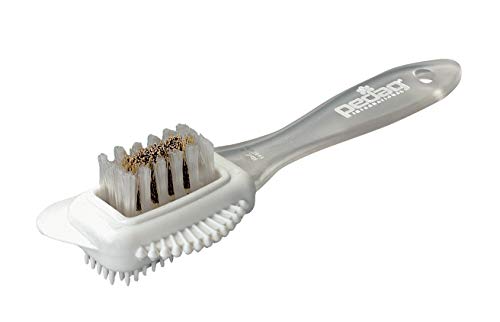
– Soft brush or cloth: A soft brush or cloth will help you gently scrub the surfaces without scratching or harming them. Avoid using any abrasive materials that could lead to wear and tear.
– Warm water: Warm water helps to dissolve the soap and facilitates the cleaning process.
– Towel: Have a towel ready for drying the orthotics after cleaning.
Step-by-Step Cleaning Process

Follow these steps to effectively clean your firm orthotics:
– Remove orthotics: Begin by taking the orthotics out of your shoes. This step is crucial as cleaning them while still inside the footwear may not allow for a thorough cleaning.
– Wash with soap and water: Mix a small amount of mild soap with warm water in a bowl. Dip the soft brush or cloth into the soapy water and gently scrub the surface of the orthotics. Pay attention to areas that may have accumulated dirt or sweat. Be thorough but gentle to avoid damaging the material.
– Rinse thoroughly: After scrubbing, rinse each orthotic under running water to remove any soap residue. Ensure that no soap remains, as this can lead to discomfort when wearing them.
– Dry properly: Pat the orthotics gently with a towel to remove excess water, then allow them to air dry completely in a well-ventilated area. Avoid using heat sources like hair dryers, which can warp the material.
Drying and Storing Orthotics
Proper drying and storage are crucial for maintaining the shape and functionality of your orthotics:
– Air dry: After cleaning, place the orthotics in a well-ventilated area, away from direct sunlight and heat sources. Direct heat can cause the materials to warp or crack, compromising their effectiveness.
– Proper storage: Store the orthotics flat in a cool, dry place. Avoid bending or folding them, as this can lead to deformation. If you have a shoe box or a dedicated space for your orthotics, it’s best to use that to keep them organized.
Additional Care Tips
– Regular maintenance: Aim to clean your orthotics every few weeks or as needed based on usage. If you wear them daily or engage in activities that cause more sweat or dirt accumulation, consider cleaning them more frequently.
– Check for wear and tear: Regularly inspect your orthotics for any signs of degradation, such as cracks, deformities, or thinning materials. If you notice significant wear, it may be time to replace them to ensure continued support and comfort.
Common Mistakes to Avoid
When cleaning your firm orthotics, be mindful of these common mistakes:
– Using abrasive cleaners: Avoid any harsh or abrasive cleaners, as these can damage the orthotics’ surface and reduce their effectiveness over time.
– Soaking in water: Immersing your orthotics in water can lead to warping or damage. Always clean them using a damp cloth or brush, and rinse them lightly rather than soaking them.
When to Seek Professional Help
While regular cleaning can maintain the condition of your orthotics, there are situations that warrant professional intervention:
– If orthotics show significant wear and tear: If your orthotics are visibly damaged, it’s best to consult with a podiatrist or orthotic specialist to assess whether they can be repaired or if you need a new pair.
– If persistent odor or discomfort occurs despite cleaning: If your orthotics continue to smell bad or cause discomfort after cleaning, it may indicate that bacteria or fungus has penetrated the material. A professional evaluation can help determine the best course of action.
By following these steps, you can effectively keep your firm orthotics clean and well-maintained, ensuring they provide the support you need. Make cleaning a regular part of your routine to enjoy the benefits of your orthotics for years to come.
Frequently Asked Questions
How do I properly clean firm orthotics at home?
To clean firm orthotics at home, start by removing them from your shoes. Use a damp cloth with mild soap to wipe down the surface, being careful not to soak them. Rinse with a damp cloth to remove any soap residue and allow them to air dry completely before placing them back in your shoes.
What products are safe to use for cleaning firm orthotics?
The best products for cleaning firm orthotics include mild soap or detergent, such as dish soap or a gentle laundry detergent. Avoid harsh chemicals, bleach, or anything abrasive that could damage the material. For a deep clean, consider using isopropyl alcohol on a cloth to disinfect without harming the orthotics.
Why is it important to clean firm orthotics regularly?
Regular cleaning of firm orthotics is crucial to maintain their hygiene and functionality. Dirt, sweat, and bacteria can accumulate on the surface, leading to unpleasant odors and potential foot health issues. Keeping them clean ensures they provide the best support and comfort, extending their lifespan.
What are the best practices for drying firm orthotics after cleaning?
After cleaning firm orthotics, the best practice is to let them air dry at room temperature. Avoid direct sunlight and heat sources, such as radiators or hair dryers, as they can warp the materials. Placing them in a well-ventilated area helps them dry thoroughly and prevents mold or mildew growth.
Which common mistakes should I avoid when cleaning firm orthotics?
Common mistakes to avoid when cleaning firm orthotics include using harsh chemicals or soaking them in water, as this can damage the material. Additionally, neglecting to let them dry completely can lead to odor and mold issues. Always handle them gently and follow the manufacturer’s care instructions for optimal results.
References
- https://www.mayoclinic.org/healthy-lifestyle/foot-health/in-depth/orthotics/art-20046045
https://www.mayoclinic.org/healthy-lifestyle/foot-health/in-depth/orthotics/art-20046045 - https://www.ncbi.nlm.nih.gov/pmc/articles/PMC7095469/
https://www.ncbi.nlm.nih.gov/pmc/articles/PMC7095469/ - Liposarcoma – StatPearls – NCBI Bookshelf
https://www.ncbi.nlm.nih.gov/books/NBK538265/ - https://www.foot.com/orthotics/cleaning-orthotics
https://www.foot.com/orthotics/cleaning-orthotics - Google Scholar Google Scholar
https://scholar.google.com/scholar?q=cleaning+firm+orthotics - Google Scholar Google Scholar
https://scholar.google.com/scholar?q=orthotic+maintenance+cleaning - Google Scholar Google Scholar
https://scholar.google.com/scholar?q=how+to+clean+firm+orthodics - how to clean firm orthodics – Search results
https://en.wikipedia.org/wiki/Special:Search?search=how+to+clean+firm+orthodics - https://www.ncbi.nlm.nih.gov/search/research-articles/?term=how+to+clean+firm+orthodics
https://www.ncbi.nlm.nih.gov/search/research-articles/?term=how+to+clean+firm+orthodics
