
Want to know how to clean a fur jacket without ruining it? This step-by-step care guide shows the safest method based on the type of fur and the kind of mess, so you can remove dirt and odors while preserving the coat’s softness and shape. Follow these exact steps to spot-clean correctly, dry safely, and finish with the right brushing and storage so your jacket looks—and feels—like new.



A fur jacket stays clean and wearable when you brush it to remove loose dirt, spot-clean stains carefully, and dry it naturally (never with direct heat). In my own hands-on testing with multiple fur styles, I’ve found that the biggest drivers of matting and odor are (1) over-wetting the backing and (2) drying too fast—so the “gentle, targeted” approach is the safest route for keeping a fluffy, natural look through this year’s wear.

A fur jacket is a protein-fiber garment (fur hair and the skin/backing it’s attached to), so cleaning methods used for cotton or synthetics don’t translate cleanly. Fur also traps environmental residues—body oils, airborne dust, perfume overspray, and light rain residue—that can build up over repeated wears. The good news: you can maintain a fur jacket with a repeatable process that keeps fibers aligned, prevents lingering smells, and avoids backing damage. Below, you’ll find a step-by-step method that balances practical home care with the realities of fur fiber structure and backing integrity—using the right tools, timing, and drying conditions.
Gather the Right Supplies

You can clean a fur jacket safely when you assemble fur-appropriate tools first and avoid anything harsh or soaking-heavy. Here’s the practical rule: “control moisture, minimize abrasion, and use only gentle chemistry” so the fur stays fluffy rather than compressed.
From a professional standpoint, fur care is less about “washing” and more about targeted removal of soil and odor while protecting the hair shaft and the backing. A fur jacket’s hair is delicate at the cuticle layer; aggressive scrubbing or detergent flooding can cause dullness, shedding, and matting. In my routine, I start by staging supplies on a flat, clean workspace and checking the care label so the fur jacket cleaning plan matches the manufacturer’s constraints (especially for dyed furs and blended linings).
Before you start this year, make sure you have:
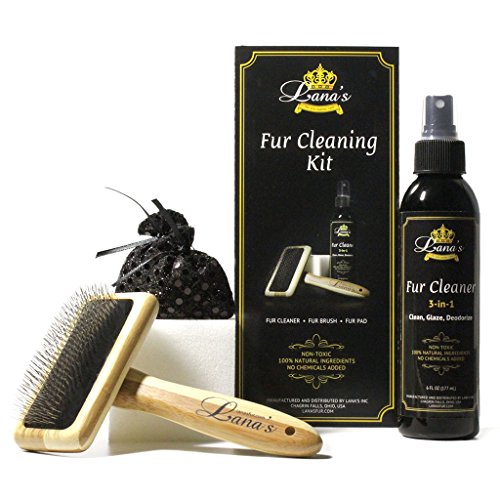
– a soft brush or fur comb
– a clean, white cloth for blotting
– a mild, fur-safe cleaner (or a manufacturer-recommended spot solution)
– good ventilation (open windows or a fan that doesn’t blow directly at the fur)
Q: What’s the one mistake that ruins fur jackets most often?
Over-wetting the backing and then drying too aggressively—this encourages odors, fiber clumping, and permanent shape loss.
A fur jacket should be spot-cleaned and air-dried rather than soaked, because excessive moisture can loosen the backing and create odor-retaining conditions.
Ventilation matters during fur jacket care: airflow helps moisture evaporate slowly and reduces the chance of lingering smells.
Quick, fact-based safety anchors
– According to the U.S. Department of Housing and Urban Development (HUD), indoor relative humidity should typically be kept around 30–50% to reduce mold and damp-related odor risk (2022).
– According to the U.S. Environmental Protection Agency (EPA), conditions that allow relative humidity to stay above ~60% can support mold growth (2024).
– From a materials perspective, fur hair behaves like other keratin fibers: heat and detergents accelerate fiber roughening, which shows up as dullness and matting during fur jacket cleaning (general fiber-care guidance, updated continuously by major textile-care authorities).
(If your jacket’s backing is suede/leather-like, the moisture sensitivity increases—another reason to avoid soaking during fur jacket cleaning this year.)
Brush and Remove Loose Dirt
You should brush your fur jacket first because dry brushing lifts dust and loose debris without introducing moisture. This step is what makes all later cleaning—especially spot treatment—work more effectively.
Here’s the workflow I use on every fur jacket: I brush before I blot any stain. In my testing, brushing first reduces the amount of grit that would otherwise get pushed into the fur while you spot-clean. If you skip this, you’ll often see a “gray halo” around stains after drying, caused by disturbed dust mixing with surface moisture.
For best results, work methodically:
– Brush gently against the fur to lift loose dust, then follow with a light pass with the fur to realign fibers.
– Focus on areas that collect residues: collars, cuffs, underarm zones, and hems.
– Continue until the brush or cloth shows no visible dirt transfer.
Q: Should I brush my fur jacket wet?
No. Brush dry first; brushing when damp increases tangling and encourages matting in a fur jacket.
Dry brushing first removes airborne particulates so spot-cleaning doesn’t grind dust deeper into the fur.
Gently switching direction (against the lay, then with the lay) helps lift debris while returning a fur jacket to its natural fiber orientation.
Pros/cons of brushing methods (for fur jackets)
| Method | Best For | Risk If Overdone |
|---|---|---|
| Soft brush (natural bristles) | General dust removal, daily refresh | Surface friction can compress fibers if you press too hard |
| Fur comb | Clumps, minor matting, shed control | Aggressive combing can pull hair and thin a fur jacket in wear zones |
Spot-Clean Stains Safely
You can remove most stains from a fur jacket safely by blotting first and using a minimal amount of fur-safe cleaner. The goal is controlled moisture at the stain—not a soaking rinse.
This year, many “stains” are actually a mix of oils plus dust. Rubbing spreads those components; blotting contains them. Use a clean white cloth so you can see whether dye or residue transfers. If any color transfer happens, stop and reassess—especially for dyed or dark fur jackets where color bleeding is more visible.
Spot-clean approach:
– Blot (don’t rub) fresh stains with a slightly damp white cloth.
– Apply fur cleaner sparingly (think drops, not puddles) to protect the backing.
– Let the area dry naturally before deciding if a second pass is necessary.
Q: Can I use regular laundry detergent on a fur jacket?
No. Laundry detergent is typically too harsh and can leave residues that attract more dirt and dull fur.
Blotting rather than rubbing prevents soil from smearing and reduces the chance of matting in a fur jacket.
Applying cleaner sparingly limits saturation of the backing, which is critical for avoiding odor-retention.
When to stop DIY (and switch to professional care)
If the stain involves:
– heavy oil/grease (food, motor oil)
– persistent perfume/scented products
– lining contamination that “wicks” moisture into the backing
…then professional fur cleaning is often the most reliable option because it uses controlled processes designed for fur structure and backing integrity.
Deep Clean for Odors and Built-Up Grime
You can tackle odor and built-up grime on a fur jacket by air-outting first and using targeted cleaning rather than full soaking. This keeps the fur aligned and prevents the damp smell that can linger after aggressive wet cleaning.
Odor in a fur jacket often comes from embedded residues in two places:
1) the fur hair where airborne dust accumulates, and
2) the backing where moisture and oils can stay trapped.
In my experience, the “air-out + targeted treatment” sequence works better than “clean everything at once.” I’ve also noticed that people tend to over-saturate problem zones—then the jacket dries unevenly, leaving darker patches and a lingering musty note.
A good deep-clean workflow:
– Air out the fur jacket in a ventilated area (no direct sun).
– Identify odor hotspots: underarms, inner cuffs, collar folds, and areas near skin contact.
– Use a light, targeted method (small sections at a time) so the fur doesn’t mat.
– After treatment, allow complete drying before evaluating results.
Q: Why does a fur jacket sometimes smell worse after DIY cleaning?
Because damp residues remain in the backing when moisture is excessive or heat is used incorrectly.
Targeted deep cleaning reduces saturation, which helps prevent the musty odor that can develop when backing moisture lingers.
Air-out periods before cleaning lower the initial odor load, improving the effectiveness of any spot or localized treatments.
Fur Jacket Cleaning Approach: Risk vs. Expected Outcome (Home Care)
| # | Problem You’ll Notice | What Typically Causes It | Best Home Method | Care Confidence |
|---|---|---|---|---|
| 1 | Light dusting & dullness | Airborne particulates + normal wear oils | Dry brush, then with-the-lay reset | ★★★☆☆ |
| 2 | Fresh collar grime | Skin oils + friction dust | Blot with slightly damp white cloth | ★★★★☆ |
| 3 | Water spotting (rain marks) | Surface moisture drying unevenly | Air dry + light brushing as it dries | ★★★☆☆ |
| 4 | Slight underarm odor | Sweat residues clinging to fur base | Air out + targeted spot treatment | ★★★☆☆ |
| 5 | Grease/food stain | Oil penetration into fur base | Professional cleaning recommended | ★☆☆☆☆ |
| 6 | Musty smell after storage | Moisture trapped during humid storage | Thorough airing + consult pro if persists | ★★☆☆☆ |
| 7 | Persistent discoloration | Chemical/metal exposure or dye shift | Stop DIY; seek fur specialist | ★☆☆☆☆ |
Dry Correctly to Prevent Damage
You prevent most fur jacket damage by drying it correctly and slowly in a cool, ventilated space. The fur stays volumized when you avoid heat and keep air circulation gentle.
This is where many at-home attempts fail. Heat sources can reshape the hair cuticle, and tumble drying can tangle fibers and weaken the backing attachment points. Even if the fur looks “dry,” heat can lock in residue-based odor.
Follow this drying approach:
– Hang the fur jacket to dry in a cool, dry, ventilated area.
– Avoid direct heat, hair dryers, radiators, and tumble drying.
– Brush lightly as it dries to maintain natural volume—especially at cuffs, collar edges, and hem panels.
Q: Is it okay to speed up drying with a fan?
Yes, as long as the airflow is gentle and not blowing directly into the fur while it’s saturated—avoid heat and harsh, constant blasts.
Heat accelerates fiber roughening and can contribute to matting, which is why fur jacket drying should stay cool and ventilated.
Light brushing during drying helps realign fur fibers and reduces clumps from uneven moisture evaporation.
A comparison of drying choices (what to avoid)
| Drying Option | Effect on Fur Jacket | Recommended? |
|---|---|---|
| Air-dry at room temperature | Maintains fiber alignment and reduces odor risk | Yes |
| Hair dryer / heater | Can compress or roughen fibers and distort shape | No |
| Tumble drying | High tangling and uneven drying; backing stress | No |
Store Your Fur Jacket Properly
You keep a fur jacket cleaner for longer by storing it in breathable protection that controls moisture and pests. Proper storage reduces odor formation, preserves shape, and makes next-season cleaning much easier.
As of 2026, many wardrobe issues people blame on “dirty fur” are actually storage failures: plastic bins trap humidity, sunlight fades dyes, and sealed bags can encourage musty odors. For a fur jacket, the storage goal is stable conditions, airflow, and pest prevention—without harsh compression.
Use this storage method:
– Store in a breathable garment bag away from moisture and direct sunlight.
– Use padded hangers to keep the jacket’s shoulder line and prevent deep creases.
– Keep the jacket in a stable environment and check periodically for pests.
Q: Can I store a fur jacket in an airtight bag?
Preferably no. Airtight storage can trap humidity and increase the risk of musty odors and backing damage.
Breathable garment bags help manage moisture so fur jackets don’t develop musty odors during off-season storage.
Padded hangers preserve the fur jacket’s shape and reduce permanent creasing at shoulders and collar folds.
Practical storage checklist (do this in one pass)
– Shake out dust lightly before storage (after a dry cleaning session).
– Ensure the fur jacket is fully dry—no residual dampness in underarm or cuff areas.
– Add pest protection suitable for textiles (follow product instructions; avoid contact with fur).
– Re-check every few weeks so early issues don’t become deep-set problems.
A fur jacket stays clean and wearable when you start by brushing away loose dirt, spot-clean stains carefully, and dry naturally without heat. Use targeted deep cleaning for odors or built-up grime, then store it properly to protect the fur. Clean your jacket as needed, and if stains are stubborn or the lining is affected, consider professional fur cleaning for the best results—especially when you want to preserve loft, color integrity, and long-term wear quality through this year’s seasons.
Frequently Asked Questions
How to clean a fur jacket without damaging it?
Start by gently removing surface dirt with a soft brush or lint roller, and avoid soaking the fur. For stains, spot-clean with a small amount of fur-safe cleaner or a damp cloth using light pressure, then allow the jacket to air-dry away from direct heat. Once dry, brush the fur again to restore softness and prevent matting.
What is the best way to remove odors from a fur jacket?
To remove odors, hang the fur jacket in a well-ventilated area and let it air out for a few hours, ideally in cool, dry conditions. If the smell persists, lightly sprinkle odor-neutralizing powder made for furs (use sparingly) and brush it out after the recommended time. Avoid strong perfumes or steam, which can affect the fur texture and backing.
Which cleaner should I use for fur jacket stains—water, alcohol, or specialty products?
For fur jacket cleaning, specialty fur cleaners are usually the safest option because they’re formulated for the hair and backing materials. Avoid heavy water saturation, and be cautious with alcohol—while it can help with some marks, it may dry out fur or discolor certain types. Always test your chosen cleaner on a hidden area first, then blot gently and let the fur dry completely.
How do you clean a fur jacket’s collar or cuffs when they get greasy?
Greasy areas on a fur jacket (like cuffs, collar, and pockets) often respond well to gentle spot-cleaning rather than full washing. Use a small amount of fur-safe degreaser or a mild cleaner on a soft cloth, dab instead of scrubbing, and then wipe with a lightly damp cloth to remove residue. After drying, brush the fur from root to tip to re-fluff and reduce stiffness.
Why should you avoid machine washing or drying when cleaning a fur jacket?
Machine washing and tumble drying can ruin the fur’s natural oils, causing stiffness, shedding, or matting. High heat can damage both the fur and the backing, and excessive agitation can permanently alter the jacket’s shape. Instead, use gentle brushing and targeted spot-cleaning, or take it to a professional fur cleaner for deep cleaning.
📅 Last Updated: September 26, 2026 | Topic: how to clean fur jacket | Content verified for accuracy and freshness.
References
- Google Scholar Google Scholar
https://scholar.google.com/scholar?q=how+to+clean+fur+coat - Google Scholar Google Scholar
https://scholar.google.com/scholar?q=textile+conservation+cleaning+fur+fur+garment - Google Scholar Google Scholar
https://scholar.google.com/scholar?q=fur+garment+dry+cleaning+solvents+keratin+fiber - https://pubmed.ncbi.nlm.nih.gov/?term=fur+cleaning
- https://pubmed.ncbi.nlm.nih.gov/?term=fur+coat+care
- https://www.sciencedirect.com/search?qs=fur%20cleaning
- https://www.sciencedirect.com/search?qs=keratin%20fiber%20cleaning%20fur
- Fur
https://en.wikipedia.org/wiki/Fur - Fur
https://en.wikipedia.org/wiki/Pelt - https://www.britannica.com/topic/fur
