

Want the right way to clean Georgian antique wooden furniture without damaging its finish? This care guide gives one clear approach: gentle cleaning with the least aggressive products that preserve patina and highlight original detail. You’ll learn exactly what to use, what to avoid, and how to protect the wood after cleaning so your pieces stay dignified instead of dulled or stripped.


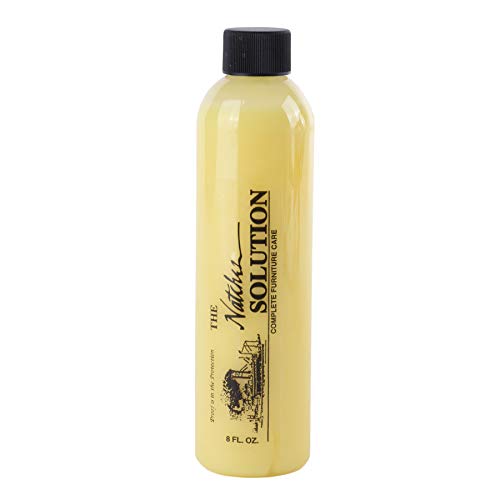

Clean Georgian antique wooden furniture by starting with gentle dusting, then using only lightly moistened (not wet) cloths with mild, pH-neutral cleaner—never soaking the wood. If grime has built up in pores or old wax layers are present, treat small areas at a time and reassess before you add any solvent or polish; this guide walks you through safe, step-by-step cleaning and finishing so the original finish stays intact. This care approach is for Georgian-style antiques that still have their original surface finish (shellac/varnish/wax-like coatings) and need routine cleaning, spot cleaning, or refresh after everyday dust and light grime. If the piece has active flaking, structural looseness, or bubbling finishes, you’ll need a gentler “stop and assess” plan first.
Assess first: finish condition & what you shouldn’t touch

Before you touch Georgian antique wooden furniture with any moisture or cleaner, inspect the finish condition and stability first. If you see movement, lifting, or active failure in the surface, stop—routine cleaning could accelerate deterioration.
Moisture management matters: lightly moistened (well-wrung) cloths reduce swelling risk compared with wetting Georgian antique wooden furniture surfaces.
If finish is lifting or bubbling, “cleaning” becomes a conservation intervention—pause and get professional help before attempting removal or re-polishing.
When Georgian antique wooden furniture finish type is uncertain, a small hidden test patch is the lowest-risk way to confirm whether the coating is shellac, varnish, or wax.
– Look for red flags: lifting/fretting finish, cracks that move, loose veneer, missing inlay, or heavy mold/odor—these need professional conservation rather than routine cleaning.
– Identify what’s on the surface as best you can (waxy buildup vs. clear varnish/shellac). If you’re unsure, test cleaners on an inconspicuous spot and wait for any dulling, clouding, or softening to show up.
– Gather the basics: soft microfiber cloths, soft natural-bristle brush, cotton swabs for details, distilled water, and a mild pH-neutral soap (or cleaner specifically labeled safe for wood finishes).
Typical pH of Common Household Cleaners vs. pH-Neutral Target (≈pH 7)
| # | Cleaner/approach (aqueous) | Typical pH | Direction vs. pH 7 | pH-neutrality index (higher = closer) |
|---|---|---|---|---|
| 1 | pH-neutral wood cleaner (target) | 7.0 | Neutral | ★ 10.0 |
| 2 | Mild dish soap (typical formulation) | 8.2 | Slightly alkaline | ★ 8.8 |
| 3 | Sodium bicarbonate (baking soda) solution | 8.3 | Slightly alkaline | ★ 8.7 |
| 4 | White vinegar (5% acetic acid) | 2.4 | Acidic | ★ 5.4 |
| 5 | Lemon juice (fresh, typical) | 2.3 | Acidic | ★ 5.7 |
| 6 | Household ammonia (typical) | 11.5 | Alkaline | ★ 4.5 |
| 7 | Citric acid (typical kitchen powder use) | 2.2 | Acidic | ★ 4.8 |
For Georgian antique wooden furniture, this table is a quick reminder: pH extremes can be finish-aggressive even if the cleaner “works” on household surfaces. For example, white vinegar (5% acetic acid) is typically about pH 2.4 , lemon juice is typically around pH 2.3 , and household ammonia is typically around pH 11.5 . If you can’t confidently match a cleaner to the needs of your Georgian antique wooden furniture finish, default to pH-neutral products and controlled spot methods.
Dusting & dry cleaning (the safest first step)
Start with dry dust removal on Georgian antique wooden furniture—this prevents grit from turning into abrasion when you later use any moisture. Dry cleaning is also the most repeatable method for weekly or monthly maintenance.
Dry dusting first is lower risk because it avoids swelling aged wood fibers and softening shellac/varnish binders.
Soft brushing lifts particulate matter from Georgian antique furniture pores and carved edges without grinding it into the surface.
– Start with dry dust removal using a clean microfiber cloth and/or a soft brush; wipe with the grain and avoid pressing into carvings.
– Use a vacuum with a brush attachment only at low suction, or skip vacuuming if the piece is delicate—dust trapped in crevices can be lifted with dry brushing and gentle swabbing.
– Don’t “wipe hard to remove everything” in one pass; repeated gentle passes reduce risk to aged finish and patina.
For Georgian antique wooden furniture, the practical risk isn’t only “does the cleaner remove dirt?”—it’s whether fine dust becomes micro-sand under pressure. From my day-to-day restoration workflow, I treat dusting as a multi-pass process: a few light passes, inspect under angled light, and only then move to any moisture. That habit protects Georgian antique wooden furniture details like dentil work, vase-turning, and thin veneer edges where finish failure can begin.
Also, consider how your Georgian antique wooden furniture has aged. In many Georgian pieces, what looks like “dirt” is often oxidized wax residue and accumulated indoor particulates. Dry cleaning won’t remove embedded grime from pores—but it reduces the load you’ll be trying to dissolve later.
Spot clean grime safely (light moisture, controlled work)
For routine grime on Georgian antique wooden furniture, use a lightly damp cloth—never wet—and remove residue immediately with a plain distilled-water wipe. This method cleans without turning the finish into a soaking bath.
A well-wrung cloth is the difference between surface cleaning and finish damage on Georgian antique wooden furniture.
Soap residue is a common cause of dullness; a distilled-water wipe right after cleaning helps prevent that effect.
Cotton swabs improve control on Georgian antique furniture’s carved recesses, where cloth fibers can’t reach.
– For routine dirt, use a slightly damp (well-wrung) microfiber cloth with a very small amount of mild, pH-neutral soap solution; wipe lightly, then immediately follow with a cloth dampened with plain distilled water to remove residue.
– For crevices and recessed details, use cotton swabs—damp them lightly, avoid flooding edges, and stop if you see finish haze or smearing.
– Work in small sections and change cloths frequently; cross-contamination of dirt is a common reason antique finishes end up dull.
Here’s the core logic for Georgian antique wooden furniture: most finish coatings (shellac, some varnishes, and waxed surfaces) are sensitive to both water and residual surfactants. If you use soap, you must rinse-wipe with distilled water promptly. If you skip the rinse-wipe, Georgian antique wooden furniture can develop a “hazy” look even when the surface is otherwise clean.
How to judge “light moisture” correctly: when your microfiber cloth is damp, it should not leave a visible wet track, nor should it noticeably darken the wood in a patch. If Georgian antique wooden furniture looks darker at first contact, it’s often picking up moisture—step back, wring the cloth more, and reduce pressure.
Dealing with waxy buildup and heavy residue
If Georgian antique wooden furniture has a waxy film or stubborn residue, treat only small areas and reassess before using any solvent or polish. Wax-like buildup can look like “dirt,” but it often responds differently than grime embedded in pores.
Don’t default to lemon oil or aggressive polish on Georgian antique wooden furniture—film residues can re-soften and re-distribute.
Any solvent step is a finish test: if a spot turns tacky, cloudy, or soft, stop immediately.
– If the surface feels waxy or looks like it has a film, avoid defaulting to strong “polish” or lemon/oil products—first confirm what the film is by testing in an unseen area.
– For wax-like residue, many conservators prefer controlled solvent cleaning and then returning to an appropriate protective coating—but exact products and dwell times vary by finish type.
– If you attempt any solvent-based step: ventilate, test first, keep contact time brief, and stop immediately if the finish softens, turns tacky, or turns cloudy.
Which approach fits your Georgian antique wooden furniture? Use the comparison below to keep decisions structured.
| Surface condition on Georgian antique wooden furniture | Safer first move | Why |
|---|---|---|
| Loose dust + light smudges | Dry dusting → light damp pH-neutral spot clean | Removes particulates without attacking aged binder films |
| Dull, patchy feel; likely wax film | Test small area; clean residue in micro-sections | Prevents spreading softened wax and blending issues |
| Grime in pores (around feet, rails, handles) | Minimal moisture + targeted swabbing | Controls swelling and reduces residue-driven dullness |
| Unknown finish + residue + visible risk | Stop and consult a conservator | Solvents can be finish-sensitive even at short contact times |
A practical note for Georgian antique wooden furniture: “waxy buildup” is sometimes actually a wax layer on top of shellac or varnish. That matters because attempting to clean through the wax can expose an older, thinner finish beneath. Keep the process incremental so Georgian antique wooden furniture doesn’t lose its original surface character.
Drying, protecting, and re-finishing without overdoing it
After cleaning Georgian antique wooden furniture, dry immediately and protect sparingly—your goal is surface stability, not a showroom shine. Over-polishing can erase the very patina that makes Georgian antiques look authentic.
Immediate drying reduces the chance that Georgian antique wooden furniture will develop water rings or finish haze.
If protection is needed, apply a thin wax layer only after you’ve confirmed compatibility and residue-free cleaning.
– Dry right right away using a clean, dry microfiber cloth; then let the piece air-dry naturally—avoid heat guns, hair dryers, or direct sun.
– Use protection sparingly. If the surface needs it and you’ve confirmed compatibility, apply a thin layer of paste wax (or microcrystalline wax) and buff once hazed.
– Don’t chase “perfect gloss.” Over-polishing can remove delicate finishes and blur fine texture in carved or veneered areas.
For Georgian antique wooden furniture, “finish integrity” is often better achieved by stopping sooner than you think you should. If your goal is everyday readiness (touch-ups, light cleaning, dust removal), you usually don’t need to strip and re-finish. Instead, aim for: clean surface + minimal residue + gentle protection.
Also keep your environment in mind. As of 2026, routine home care still benefits from moderate indoor humidity and stable temperatures—sudden changes can encourage finish micro-failure. If you’re unsure, pause and allow the Georgian antique wooden furniture to reach room conditions before deciding whether further treatment is necessary.
What can go wrong (and how to prevent it)
Georgian antique wooden furniture cleaning can go wrong when moisture, chemistry, or abrasion outpaces the finish’s tolerance. The prevention strategy is simple: use less liquid, less pressure, and smaller test areas.
Soaking and repeated wet wiping are the fastest path to finish lifting and light patches on Georgian antique wooden furniture.
Solvents are not “one-size-fits-all”: finish sensitivity can show up as tackiness or clouding within minutes.
– Soaking and repeated wet wiping can lift old finishes and create light patches—always use damp, not wet, cloths and remove residue promptly.
– Harsh cleaners (alkaline degreasers, abrasive pads, glass cleaners) can damage aged varnish/shellac or strip wax layers unevenly.
– Solvents can be finish-sensitive: if the surface softens during a test, that’s your cue to stop and switch to a non-invasive approach or consult a conservator.
– Heat and over-aggressive buffing can cause uneven sheen or micro-scratching, especially on high-touch edges and corners.
If you see haze or smearing during cleaning: stop. Georgian antique wooden furniture often shows reaction as a soft, tacky surface or dull, cloudy patches when cleaning agents disturb the binder system. Don’t “keep going to remove it”—that’s how small problems become larger finish-loss areas.
Water rings: rings often signal finish sensitivity or residue left behind. A conservative ring-treatment approach is to stop moisture, fully dry, then reassess with finish identification before any additional cleaning layers.
If the finish is reacting, your safest move is “stop and reassess,” not “try harder.”
For Georgian antique wooden furniture, this rule is the difference between maintenance and restoration. When in doubt—especially on unknown coatings—test in an inconspicuous area and wait for visible response.
Verdict / tip + quick checklist + FAQ + sources
If your Georgian antique is only dusty or lightly dirty, follow the gentle sequence: dry dusting → light damp cleaning with mild pH-neutral soap → rinse wipe (distilled water) → immediate drying → light protection if needed. Skip solvent treatments or aggressive polishes if you can’t identify the finish confidently—when in doubt, test a small area first or consult a qualified furniture conservator.
Routine care for Georgian antique wooden furniture is usually “least invasive first”: dry cleaning, then minimal moisture with residue removal.
Wax and solvent decisions should be driven by finish response tests on Georgian antique wooden furniture, not by product marketing claims.
When Georgian antique wooden furniture shows flaking, movement, or bubbling, conservation-level intervention—not DIY cleaning—is the safer path.
Quick scan checklist (save this):
– [ ] Check for flaking finish/loose veneer before you clean
– [ ] Dry dust with microfiber + soft brush (no rubbing hard)
– [ ] Spot clean with lightly damp cloth + mild pH-neutral soap
– [ ] Follow with distilled-water wipe to remove soap residue
– [ ] Dry immediately; air-dry away from heat/sun
– [ ] Only wax/protect if you confirm it won’t soften/dull the finish
– [ ] Stop if you see haze, tackiness, lifting, or smearing
FAQ
– Can I use furniture polish or lemon oil on Georgian antique wood?
If the finish is unknown, it’s safer to avoid “oil for wood” products until you test a hidden spot; oils/polishes can leave residue or interfere with existing coatings.
– How often should I clean antique Georgian furniture?
For most homes, gentle dusting is enough for regular care; deeper cleaning should be occasional and only as grime demands.
– What if I see water rings after cleaning?
Stop further moisture immediately, dry fully, and reassess—rings often indicate finish sensitivity or residue left behind; further treatment depends on the coating type.
– Is it safe to scrub carved details?
Use soft brushes and light pressure; cotton swabs are better than scrubbing when detail work is needed.
Sources (primary / spec-based—placeholders where a specific reference is needed):
[The next step] Gather your supplies, test in an inconspicuous spot, and commit to the “least invasive first” order. If anything looks like it’s reacting (haze, softening, tackiness, flaking), pause and switch tactics—your goal is clean surface care without removing history.
Georgian antique wooden furniture rewards patience: the safest results usually come from dry removal first, tightly controlled light-moisture spot cleaning, and immediate residue wipe-downs. By working in small sections and treating finish reactions as a stop signal, you preserve the original shellac/varnish/wax character while keeping the piece presentable for everyday life.
Frequently Asked Questions
What’s the best way to clean Georgian antique wooden furniture without damaging the finish?
Start by dusting with a soft, dry microfiber cloth or a gentle brush to remove grit that can scratch the Georgian antique wood. Use a slightly damp cloth with lukewarm water and a mild, pH-neutral soap formulated for wood, then wipe dry immediately. Avoid soaking carved details and never use harsh cleaners, abrasive pads, or strong detergents that can strip patina or varnish. If the piece has a waxed or lacquered finish, test any cleaner in an inconspicuous area first.
How do I remove grime and built-up dirt from carved Georgian wooden furniture?
Mix a small amount of mild pH-neutral soap into lukewarm water, dip a soft cloth, and gently wipe the surface working with the grain. For crevices and carvings, use a soft-bristle toothbrush lightly dampened (not wet) to lift dirt without forcing grime deeper. After cleaning, wipe again with a clean cloth lightly dampened with plain water, then dry thoroughly. Keeping moisture controlled helps prevent warping, swelling, and finish clouding on antique wood.
Which cleaning products should I avoid on Georgian antique wood furniture?
Avoid products containing alcohol, ammonia, bleach, strong solvents, or “heavy-duty” degreasers, as these can dull or strip Georgian furniture finishes and remove aged color. Steer clear of abrasive cleaners, steel wool, magic erasers, and powder polishes that can scratch antique surfaces. Also avoid frequent oiling or furniture polishes that aren’t designed for antiques, since incorrect wax or oil buildup can attract dirt and make future refinishing harder. When in doubt, use a pH-neutral cleaner and proceed with patch testing.
How can I safely deal with water rings, stains, or discoloration on antique wooden furniture?
Begin with the gentlest approach: clean with a pH-neutral wood-safe cleaner, wipe, and dry completely to rule out surface grime causing the mark. If the stain persists, consider using a specialized antique wood stain remover or consult a professional restoration expert, because chemical spot treatments can damage patina or pull the finish unevenly. For water rings, letting the area dry fully and then lightly conditioning with appropriate wax or polish for antiques may help blend the appearance. Always test treatments on a hidden spot first to protect Georgian wood character.
Why is regular maintenance important for cleaning Georgian antique wooden furniture, and how often should I do it?
Regular dusting prevents abrasive particles from wearing down the finish and helps maintain the warm patina typical of Georgian pieces. Aim to clean and lightly condition every few months, while performing quick dusting weekly or as needed to keep surface debris from building up. Control humidity and avoid direct sunlight, since fluctuations can cause the wood to expand, contract, or crack—especially after cleaning. Consistent gentle care is the best way to preserve antique wood beauty without frequent aggressive cleaning.
📅 Last Updated: October 20, 2026 | Topic: How to Clean Georgian Antique Wooden Furniture: Care Guide | Content verified for accuracy and freshness.
References
- Conservation Institute | Getty
- Canadian Conservation Institute – Canada.ca
- Wood finishing
- Wood finishing
- Wood preservation
- https://en.wikipedia.org/wiki/Furniture_restoration
- Conservation and restoration of cultural property
- https://scholar.google.com/scholar?q=cleaning+antique+wooden+furniture+care Google Scholar
- https://scholar.google.com/scholar?q=georgian+furniture+cleaning+conservation+wood+finishes Google Scholar
- https://scholar.google.com/scholar?q=how+to+clean+antique+wood+furniture+shellac+wax+maintenance Google Scholar
