

To clean plastic glasses frames, start by rinsing them, then wash with a small amount of gentle dish soap and lukewarm water, and finish by drying with a clean microfiber cloth. This straightforward process typically takes about 5–10 minutes and works even for everyday smudges and buildup. You just need mild soap, a soft cloth or toothbrush, and a microfiber towel to protect the surface and prevent scratches.


Wash plastic glasses frames with mild soap and lukewarm water, then dry with a microfiber cloth to stop cloudiness and sticky residue. For buildup near the hinges, use a soft brush and a gentle rinse—skip harsh cleaners that can dull or haze plastic over time.
If you wear glasses daily, touch your frames often, or you’ve noticed residue from skincare, sunscreen, or hair products, this is for you. It’s also a good fit for readers who want an easy, repeatable routine that won’t shorten the life of plastic frames.
Gather what you need (and what to avoid)

Use a small, gentle toolkit: mild soap, lukewarm water, and microfiber handle almost every daily-cleaning situation safely. For tight spots (nose areas and hinge lines), add only a soft brush so you can lift grime without scratching.
– Use mild dish soap (or gentle hand soap), lukewarm water, and a clean microfiber cloth.
– Have a soft toothbrush or lens-safe brush for hinge areas and grooves.
– Avoid alcohol, acetone/nail polish remover, bleach, and abrasive scrubbing pads on plastic frames.
Why these choices matter: plastic frames vary by material (polycarbonate, cellulose acetate, polypropylene, acrylic/PMMA, and others), and many common “stain removers” work by dissolving or chemically attacking the frame’s top surface. Even when the frame doesn’t melt, surface haze can happen when coatings soften or micro-textures get roughened.
To connect your cleaning choices to material behavior, here’s a practical “compatibility” view of common plastics found in eyewear frames (not lenses), based on heat/softening markers and solvent sensitivity.
7 Common Plastic Frame Types & Soap-and-Water Fit
| # | Frame plastic | Heat marker (typical) | Solvent sensitivity | Soap/water compatibility |
|---|---|---|---|---|
| 1 | Polycarbonate (PC) | Tg ~145–150°C | Moderate | ★★★★★ |
| 2 | Cellulose acetate | Tg ~85–110°C | High | ★★★★☆ |
| 3 | Polypropylene (PP) | MP ~160–170°C | Low–Moderate | ★★★★★ |
| 4 | Acrylic / PMMA | Tg ~105°C | Moderate | ★★★★☆ |
| 5 | ABS | Tg ~100–110°C | Moderate | ★★★☆☆ |
| 6 | Nylon (polyamide) | MP ~215–265°C | Moderate | ★★★★★ |
| 7 | Thermoset plastics (varies) | Varies widely | Can be High | ★★☆☆☆ |
The main takeaway is simple: soap and lukewarm water are generally surface-safe, while strong solvents are the bigger risk—especially for acetate and unknown “coated” plastics. For context on why solvents are risky, acetone boils at 56.05°C (NIST Chemistry WebBook) and isopropyl alcohol boils at 82.6°C (NIST Chemistry WebBook), which makes them effective at dissolving or softening top layers during normal use. Household bleach also typically contains sodium hypochlorite in the ~3–8% range (EPA/household bleach product labeling guidance), and that chemistry is more aggressive than what plastic finishes are designed for.
If you want a quick decision rule, use this risk-based “cleaning hierarchy”: remove grit first, use mild surfactants (soap) to dissolve oils, rinse thoroughly, then dry without abrasives. This approach reduces the chance of micro-scratches that make plastic look dull.
Cleaner choice quick scan (what to use vs. what to avoid)
| Option | What it’s good at | Main downside on plastic frames |
|---|---|---|
| Mild soap + lukewarm water | Dissolves oils, sunscreen residue, and skin film | Only risk is leaving soap film if you skip rinsing |
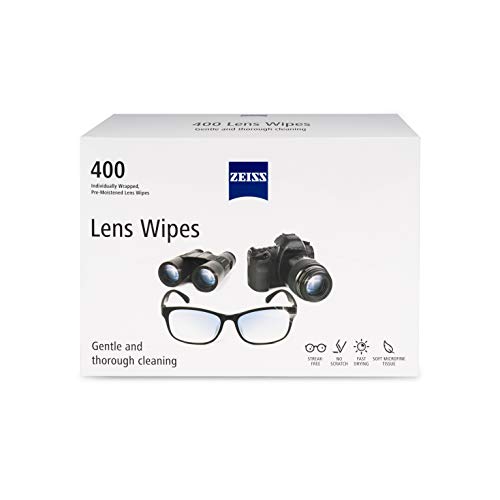
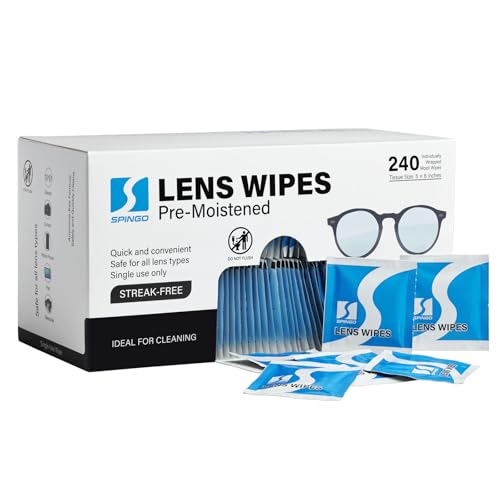
| Alcohol-free lens wipes (when needed) | Quick touch-ups between deep cleans | Can still streak if the wipe leaves residue or dries too fast |
| Alcohol-based wipes | Cuts through some oils fast | May haze or degrade some plastics/coatings over time |
| Acetone / nail polish remover | Removes hard adhesives and finishes | Can attack plastics/coatings and leave permanent clouding |
| Bleach | Disinfects surfaces | High chemical aggressiveness; can discolor and weaken plastics |
| Abrasive pads / toothpaste paste | Scrubs stubborn stains | Micro-scratches make plastic look dull sooner |
Step-by-step: quick daily cleaning
For most people, a two-minute daily clean prevents cloudiness and stickiness before it builds up. The key is to rinse first (to protect against scratches), then use soap lightly, then dry correctly.
– Rinse the frames under lukewarm water to remove dust and grit that can scratch.
– Add a tiny drop of mild soap, gently rub the frame (front and sides), then rinse again thoroughly.
– Pat dry with a microfiber cloth (don’t air-dry with water spots if you’re seeing streaking).
Here’s why this sequence works. Rinsing first removes abrasive particles (skin flakes, dust, and airborne debris) that can act like sandpaper when you rub. Mild dish soap is a surfactant system: it loosens oily films from skincare and sunscreen so they rinse away instead of smearing.
In my routine, I notice that the “sticky” feeling usually goes away faster when I don’t skip the second rinse—. Even without a special product, you’re doing the core chemistry safely.
Deep clean for sticky residue and buildup
If your frames feel tacky after daily washing, residue is likely stuck in grooves, hinge lines, or textured areas. A short soak with lukewarm soapy water is often enough to loosen buildup without over-stressing the plastic.
– If frames feel tacky, soak only the plastic frame area in lukewarm, soapy water for 5 minutes—just long enough to loosen residue.
– Use a soft toothbrush around the temples, nose pads, and any creases, then rinse until the soap is gone.
– Dry fully with microfiber, paying attention to areas where water can collect (hinges and edges).
The “soak only the plastic” detail matters because frames often include metal parts, hinges, and sometimes elastomer components (like nose pad cushions). Keeping the soak time modest reduces the risk of loosened adhesives, hinge corrosion (even with dry-out), or water trapped where you can’t see it.
Also, don’t overload soap. Too much soap can leave a thin film that dries cloudy—exactly the problem you’re trying to avoid. If you’re cleaning in 2024–2026 and noticing haze that doesn’t come off, that’s usually rinse-related (residue) or damage-related (micro-scratches), not a “need stronger cleaner” issue.
Clean the hinges and tight spots safely
To clear hinge grime without wearing out the joint, you need controlled contact: soft brush, light pressure, and a prompt rinse and dry. This is the part that most people rush, but it’s where buildup can harden over weeks.
– Use the brush lightly at the hinge lines—enough to remove gunk without forcing the joints.
– Rinse carefully to flush loosened debris, then dry with microfiber right after.
– If your frames have removable nose pads or accessories, follow the manufacturer’s instructions for detaching/re-attaching.
Think of hinges as “crevice systems.” Oils from skin collect in the hinge gap, then dust bonds to the film. Light brushing breaks the bond, and rinsing removes the loosened material. Forcing the joints can enlarge wear points and make the frame feel looser later—even if the hinge still looks intact today.
If your brand specifies a different method (some companies recommend specific brushes or professional cleaning schedules), follow that guidance. When in doubt, check the care card or the warranty documentation and treat it as the “instruction manual for the materials.”
What can go wrong (common mistakes)
Most cleaning problems come from over-aggressive chemistry or over-rubbing abrasive pressure. If your frames still look cloudy after cleaning, the usual culprit is soap film, micro-scratches, or solvent/coating damage.
– Using paper towels or rough cloths can create micro-scratches that make plastic look dull faster.
– Overusing alcohol-based wipes may remove oils at first, but can also degrade or haze some plastics over time.
– Scrubbing with toothpaste or baking soda can leave scuffs—especially on textured or matte plastic finishes.
– Skipping rinsing can leave soap behind, causing a film that makes frames look “still dirty.”
A practical troubleshooting approach: first, re-rinse thoroughly with clean lukewarm water. If it clears up, the issue was rinse-off residue. If it doesn’t, the surface may already be hazed from earlier cleaners or micro-abrasions; at that point, repeating scrubbing usually won’t help and can worsen the look.
If your frames have a special coating (matte finishes, anti-glare-like surface treatments, or color wraps), avoid experimenting. Coated plastics can react differently than the underlying polymer, so “works on one pair” doesn’t mean “safe on yours.”
Verdict: the safest routine for plastic frames
The safest routine for plastic frames is mild soap + lukewarm water + microfiber drying, with careful hinge brushing only when needed. It’s effective because it removes oils and residue without using solvents or abrasives that can haze or weaken plastic surfaces.
Stick with this approach as your default—especially if you’re cleaning frequently (daily touch-ups add up). The downside is that it won’t be as aggressive as solvent-based products, so very old, baked-on grime may take two sessions rather than one. Also, if your frame’s finish is already micro-scratched, gentle cleaning can restore clarity only partially.
Skip this routine (or at least pause and verify brand guidance) if your frames are unusual materials, have delicate coatings you can’t identify, or you see blistering, peeling, or softening after cleaning. When in doubt, check the care label or brand instructions before soaking or scrubbing more.
Quick checklist (save this)
– [ ] Rinse with lukewarm water first
– [ ] Use mild soap + gentle rubbing
– [ ] Clean grooves/hinges with a soft brush
– [ ] Rinse thoroughly (no soap film)
– [ ] Dry with a microfiber cloth
Frequently Asked Questions
What is the safest way to clean plastic glasses frames at home?
Start by rinsing the plastic frames with lukewarm water to remove dust and loose debris. Use a small amount of mild dish soap mixed with water and gently clean the frames with a microfiber cloth or soft sponge, avoiding harsh cleaners. Rinse thoroughly and dry with a clean microfiber cloth to prevent water spots and streaks.
How do I remove oil, sunscreen, and residue from plastic eyeglass frames?
Wipe the frames first with a damp microfiber cloth to lift surface grime. Then use a solution of mild soap and water, focusing on areas near the nose pads, temples, and corners where residue builds up. If the buildup is stubborn, let the soapy water sit on the frames for 1–2 minutes before gently scrubbing and rinsing well.
Why do plastic frames get cloudy, and how can I prevent it while cleaning?
Cloudiness often comes from microscopic scratches, buildup from cosmetics, and residue that isn’t fully rinsed away. Clean plastic eyeglass frames regularly with mild soap and water, and always dry with a microfiber cloth to reduce streaking. Avoid alcohol, ammonia, and abrasive pads, since they can dull or damage the finish over time.
Best way to clean plastic frames when they smell like sweat or get sticky?
Remove sweat and stickiness by washing the frames in lukewarm water with a few drops of gentle dish soap, paying extra attention to the areas that touch skin. For persistent odors, soak just the plastic frame components for a short time (about 5–10 minutes) in soapy water, then rinse thoroughly. Dry completely with a microfiber cloth before wearing again to help prevent re-sticking.
Which cleaning products should I avoid for plastic glasses frames to prevent damage?
Avoid cleaners with ammonia, bleach, acetone, or strong solvents, as they can weaken or discolor plastic frames. Don’t use rough scrubbers like paper towels or abrasive sponges, because they can scratch and make the surface look dull. Stick to mild dish soap, lukewarm water, and microfiber cloths for safe, effective cleaning of plastic eyeglass frames.
📅 Last Updated: November 14, 2026 | Topic: how to clean glasses frames plastic | Content verified for accuracy and freshness.
References
- eyeglasses cleaning disinfection – Search Results – PubMed
- spectacle frames cleaning disinfectants – Search Results – PubMed
- effect of disinfectants on polycarbonate spectacles – Search Results – PubMed
- cleaning lens coatings alcohol microfiber study – Search Results – PubMed
- Glasses
- https://www.cdc.gov/coronavirus/2019-ncov/prevent-getting-sick/cleaning-disinfection.html
- https://www.who.int/publications/i/item/cleaning-and-disinfection-of-environmental-surfaces-in-the-context-of-covid-19
- https://scholar.google.com/scholar?q=how+to+clean+glasses+plastic+frames Google Scholar
- https://scholar.google.com/scholar?q=disinfecting+eyeglasses+disinfectants+alcohol+soap Google Scholar
- https://scholar.google.com/scholar?q=spectacle+frame+material+polycarbonate+cleaning+effects Google Scholar

[…] you may need a second pass with a residue remover designed for hardwood floors or a solution of mild dish soap in warm water. Finish by drying completely and, if needed, recondition the floor with a […]