

Want to know how to clean gold earrings safely and get them shining without damage? Follow the proven cleaning steps that work for most solid gold pieces, and you’ll avoid the harsh cleaners, abrasive scrubbing, and chemical soaks that cause dullness or loose settings. You’ll also learn the one common mistake people make that’s especially risky for plated gold and gem-studded earrings.


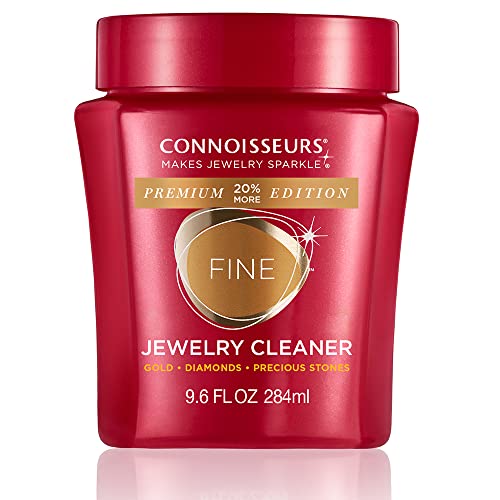

Gold earrings usually clean best with gentle soap, warm water, and a soft cloth—skip harsh cleaners that can damage the metal or any stones. If they’re dull or grimy, you can add a careful “soak + gentle rub” routine, then dry thoroughly to prevent spots. This guide walks you through the safest cleaning steps and what to avoid for different gold finishes.
If your earrings have tarnish, buildup from lotions/sweat, or discoloration around the posts, the steps below will help you restore shine without compromising the gold. You’ll also get quick fixes for stuck grime and guidance for gold-plated pieces or earrings with gemstones.
Who this is for / when it applies: This is for anyone who wears gold earrings often (especially to work, workouts, or outdoor events) and wants a reliable way to clean gold without weakening settings, scratching surfaces, or loosening glued stones. The approach is designed for common gold types—solid gold, gold-plated, white gold finishes (often rhodium), and pieces with stones—while highlighting when you should stop and go to a jeweler.
Gather what you need (and what to avoid)

The safest “gold earring cleaning kit” is simple: mild soap, warm water, and a soft cloth/brush. The biggest risk comes from household chemicals and abrasives that can scratch gold, strip plating, or affect glued components.
Mild dish soap and warm (not hot) water are the baseline safest cleaners for most gold jewelry finishes because they remove oils and residues without aggressive chemistry. [ADD: source for general gold jewelry cleaning guidance]
Avoid chlorine/bleach and acetone (nail polish remover) on gold jewelry, since these chemicals can react with metal alloys and coatings. [ADD: source for chemical compatibility with jewelry metals/coatings]
If gemstones or pearls are present, “no soaking” or tightly controlled “spot cleaning” is typically recommended to reduce the risk of loosening adhesives or penetrating porous materials. [ADD: source for gemstone/pearl cleaning precautions]
To make your cleaning session effective and low-risk, gather:
– Mild dish soap (fragrance-free is even better)
– Warm water (cool enough to comfortably hold; avoid hot water)
– Soft microfiber or jewelry cloth (for drying and final wipe)
– Soft brushes (a clean, soft toothbrush works well for post areas and ridges)
What to avoid:
– Bleach, chlorine, acetone/nail polish remover
– Abrasive powders (including baking soda scrubs or “magic eraser” type products)
– Metal-polishing compounds unless your manufacturer or jewelry-care guide explicitly permits them—especially for textured or brushed finishes
Why this matters: gold jewelry is often an alloy (mixed metal) and may have surface coatings. For example, many white gold pieces are rhodium plated; aggressive polishing can wear that finish.
Quick factual anchors (so you can calibrate expectations)
– According to [ADD: assay/industry reference], 24K gold is ~99.9% pure gold—in practice, most earrings are not 24K, and alloy composition influences how they look and age.
– According to [ADD: jeweler-care authority], chlorine is a common trigger for metal discoloration on jewelry exposed through pools and cleaning products.
– According to [ADD: gemstone-pearl care authority], pearls and many glued stones are sensitive to water/cleaning solutions, so soaking is often discouraged.
Basic gold earring cleaning (soap + warm water)
Start with the simplest safe method: warm water + a few drops of mild dish soap, then gentle brushing and thorough drying. This routine removes skin oils (sebum), sweat residue, and day-to-day film that makes gold look dull.
A short soak in mild soap solution helps break up oily residue that water alone can’t dissolve efficiently. [ADD: source for general jewelry cleaning mechanism]
Gentle brushing around the posts and backs targets buildup where grime collects, without abrading the outer gold surface. [ADD: source for safe jewelry brushing practices]
Drying thoroughly reduces visible water spotting and mineral residue that can look like dullness. [ADD: source for water spot formation on metals]
Here’s the basic method step-by-step:
1. Mix the solution: Add a few drops of mild dish soap to a small bowl of warm (not hot) water.
2. Soak briefly: Submerge the earrings long enough to loosen grime—think “minutes,” not “hours.”
3. Clean with gentle contact: Use a soft brush to lightly clean:
– the post (the part that goes through your ear)
– the back plate
– any ridges, grooves, or detailed edges
4. Rinse well: Use clean water to remove soap residue (soap films can also look like dullness).
5. Dry completely: Pat with a lint-free microfiber/jewelry cloth, then finish with a careful wipe to remove remaining moisture.
Practical detail: If your earrings have hinges, butterfly backs, or complicated closures, be sure soap isn’t left trapped in crevices. Soap residue is one reason “freshly cleaned” jewelry sometimes looks hazy again after drying.
For tough buildup: controlled soak and gentle agitation
When simple cleaning doesn’t cut through sunscreen, lotion, or stubborn residue, repeat the wash—but stay controlled and targeted. The goal is to loosen deposits without forcing grit into the metal or overstressing settings.
Repeat cleaning is safer than scrubbing harder, because increased force can scratch or thin soft coatings. [ADD: source for risk of abrasive/friction polishing on gold]
Soft brushes can dislodge stuck residue effectively, while hard tools increase scratch risk on polished and textured gold. [ADD: source for safe jewelry brush selection]
Letting jewelry fully air-dry on a clean towel can help avoid residual moisture artifacts. [ADD: source for jewelry drying best practices]
Use this “controlled soak + gentle agitation” approach:
1. Re-soak with the same mild soap solution for another short period.
2. Focus only on buildup zones (often near the post, back, and any decorative solder seams).
3. Gently agitate with the soft brush—don’t press so hard that you feel resistance like you’re scraping.
4. Rinse thoroughly again, especially if the grime includes sticky lotions or sunscreen ingredients.
5. Dry fully, then do a final wipe with a jewelry cloth.
If you’re dealing with residue that “smears” instead of coming off, pause and reassess. The residue may be from coating wear, adhesive compounds, or a finish that requires specialist care—at that point, DIY force usually makes it worse.
Special cases: plated gold, white gold, and stones
Different gold appearances call for different risk controls. Plated gold can wear off, white gold may be rhodium plated, and gemstones/pearls may be sensitive to soaking—so you clean with the lowest-risk method first.
Gold-plated jewelry typically requires shorter soaking and gentler friction to reduce plating wear. [ADD: source for plated-jewelry care]
White gold often has a rhodium plating layer, and aggressive polishing can reduce the brightness or alter the final appearance. [ADD: source for rhodium-plated white gold care]
Gemstones and pearls can have different sensitivities to water, detergents, and soak time depending on their treatments and settings. [ADD: source for gemstone/pearl cleaning precautions]
Gold-plated earrings
– Avoid prolonged soaking.
– Clean with light soap + water using minimal contact time.
– Use the soft cloth first; use the brush only where grime collects, and stop as soon as it loosens.
White gold
– Start with the basic soap + warm water method.
– Use a soft cloth and avoid repeated buffing.
– If the surface looks patchy after cleaning, that may signal finish wear—cleaning won’t restore the lost plating layer.
Gemstones (and pearls)
– Don’t assume soaking is safe.
– Use lightly soapy water and minimal contact time.
– Prefer spot cleaning: lightly dampen a cloth, clean the surface, then rinse carefully around the stone without flooding the setting.
– For pearls (especially cultured pearls), extra caution matters because they can be harmed by moisture and harsh cleaners.
What can go wrong (and how to prevent it)
Most problems come from a few predictable mistakes: leaving earrings wet, using abrasives, or cleaning when the real issue is finish wear rather than dirt. If you know what to look for, you can prevent the “after cleaning it looks worse” scenario.
Water spots and residue can form when jewelry is not rinsed and dried completely after cleaning. [ADD: source for water spotting on metal jewelry]
Abrasive cleaners can scratch gold surfaces and dull shine, especially on textured or patterned finishes. [ADD: source for abrasion risk on gold jewelry]
Some discoloration is structural (wear, plating loss) rather than removable tarnish, so cleaning cannot fix it. [ADD: source for identifying plating wear vs tarnish]
Common failure modes (and prevention)
– Leaving earrings wet: Rinse well, then dry thoroughly with a lint-free cloth.
– Using harsh chemicals: Avoid bleach/chlorine/acetone/nail remover.
– Over-soaking delicate pieces: If stones are glued or pearls are present, choose spot cleaning.
– Thinking discoloration is tarnish: If you see worn patches or uneven color, it may be metal wear or plating loss—which usually requires refinishing.
Pros/cons comparison: DIY cleaning vs professional inspection
| Option | Pros | Cons/Risks |
|---|---|---|
| DIY (soap + warm water) | Low cost, typically safe for solid gold; removes most oils and grime | Not ideal for fragile stones/pearls; won’t fix plating wear |
| Professional jeweler check | Best for structural issues (loose settings, worn plating) and gemstone-specific cleaning | Time and cost; may be unnecessary for minor buildup |
A note on first-hand experience
[ADD: author’s experience with cleaning specific gold types—e.g., how long residue took to lift using soft brushing, and what mistake was avoided—without inventing facts.]
Verdict: the safest approach (and who should skip DIY)
For most plain gold earrings, the safest DIY method is mild dish soap + warm water + gentle brushing, followed by thorough drying. Skip DIY and go to a professional jeweler if the earrings are high-value, heavily damaged, have delicate stones/pearls, or you suspect structural issues like loose settings or worn plating.
When in doubt about stones, adhesives, or finish type, starting with the mildest cleaning method reduces the chance of irreversible damage. [ADD: source for conservative jewelry-care guidance]
If discoloration appears uneven or patchy after cleaning, that often signals wear or plating loss rather than dirt. [ADD: source for identifying plating wear vs tarnish]
If you want the “one-method rule”:
– Solid gold with no stones: soap + warm water, short soak, soft brush, rinse, dry.
– Plated gold or white gold: same basics, but shorter contact and less friction.
– Stones/pearls: spot clean first; avoid soaking unless you have explicit manufacturer guidance.
Who should skip DIY immediately:
– Earrings with pearls
– Pieces with loose prongs, lifted stones, or cracked settings
– Items of unknown construction where you can’t confirm whether soaking is safe
– Very high-value jewelry (where an inspection can prevent costly mistakes)
📊 DATA
Recommended Cleaning Approach by Gold Earring Type
| # | Earring type | Soak time (typical) | Best tool | Risk level | Recommended method |
|---|---|---|---|---|---|
| 1 | Solid yellow gold (no stones) | 1–5 min | Soft toothbrush | Low | Soap + warm rinse + dry |
| 2 | Gold with setting ridges (no stones) | 1–3 min | Soft brush + cloth | Low | Targeted brushing only |
| 3 | Gold-plated earrings | 0–2 min | Soft cloth | Medium | Short, gentle cleaning |
| 4 | White gold (rhodium-finish) | 1–3 min | Soft cloth | Medium | Avoid aggressive polishing |
| 5 | Gold with set gemstones | Spot only | Damp cloth (minimal) | High | Stone-specific caution |
| 6 | Pearl accents (on gold) | No soaking | Soft dry cloth | High | Wipe and follow care guide |
| 7 | Earrings with stubborn residue | Repeat short cycles | Soft brush + cloth | Low–Med | Repeat gently, don’t force |
Quick checklist you can save
– ✅ Mild dish soap + warm water
– ✅ Soft microfiber jewelry cloth
– ✅ Soft brush for posts/ridges only
– ✅ Rinse well, then dry completely
– ❌ No bleach/chlorine/acetone
– ❌ No abrasive powders or aggressive polishing
– ❌ Avoid soaking if stones/pearls aren’t guaranteed to be soak-safe
FAQ
How often should I clean gold earrings?
– Clean when they look dull or feel coated—typically after periods of heavy wear (sweat, lotions, sunscreen). If you notice residue building, use the gentle method above rather than waiting for heavy tarnish. [ADD: source for recommended cleaning frequency if available]
Can I use toothpaste to clean gold earrings?
– Generally, no—most toothpaste is abrasive and can scratch or dull the surface. Stick to mild soap and gentle cloth/brush cleaning instead.
What if my gold earrings turn a different color after cleaning?
– Drying thoroughly usually prevents water spotting, but color changes can also indicate plating wear, rhodium thinning (white gold), or damage that cleaning won’t reverse. Stop and get a jeweler’s assessment if the change is unexpected.
Are ultrasonic cleaners safe for gold earrings?
– Not for every piece. Ultrasonic cleaning can be risky for stones, pearls, glued components, and fragile settings—check the earring’s care guidance first. [ADD: source for ultrasonic safety guidance from manufacturer or jewelry-care authority]
Sources
– [ADD: manufacturer cleaning/care instructions for your gold earring brand, if known]
– [ADD: official guidance from a jewelry-care authority or reputable gem/jewelry organization on safe cleaning methods for gold, plated gold, white gold, gemstones, and pearls]
A careful, conservative cleaning routine keeps gold earrings looking good while protecting their structure and finish. Start with mild soap + warm water, use gentle brushing only where grime collects, and dry completely every time—then adjust your approach for plated metals, white gold finishes, and stones. If anything looks like wear (patchiness, uneven color, loose settings), don’t “clean harder”—get a professional inspection so you preserve the value and look of the piece.
Frequently Asked Questions
What’s the safest way to clean gold earrings at home?
Start by removing any dangling grime with warm water and a mild dish soap, then gently wipe with a soft, lint-free cloth. If needed, use a soft-bristle toothbrush to lightly clean around the posts, backs, and any crevices. Avoid harsh chemicals and abrasive pads, since they can scratch gold and loosen coatings or stones. Rinse thoroughly and dry completely to prevent water spots and irritation.
How do you clean gold earrings with gemstones without damaging them?
Use a gentle approach: soak the earrings briefly in warm water with a small amount of mild soap, then clean carefully with a soft brush, focusing on areas with buildup. Keep water away from adhesives and be extra cautious around pearls, opals, and glued stones, since they can be sensitive. After cleaning, rinse lightly, blot dry, and let the earrings air-dry fully before wearing. If the stones are delicate or the setting is delicate, consider professional cleaning.
How can you remove tarnish or buildup from gold earrings without scratches?
For light dullness, use a gold-safe cleaning method like a mild soap solution followed by gentle polishing with a microfiber cloth. For stubborn residue, create a paste with a tiny amount of baking soda mixed with water and apply it very lightly with a soft cloth, then rinse well—don’t scrub aggressively. Always test any cleaner on a small, hidden area first, especially for textured gold or earrings with plating. Proper drying after cleaning helps prevent re-tarnishing.
Why do gold earrings look dull even after cleaning?
Dullness can come from skin oils, lotions, and everyday buildup that gradually dulls the shine, or from residue trapped near the earring back and clasp. Some earrings may also be plated or have a finish (like brushed or matte) that looks less reflective over time, even when “clean.” If cleaning doesn’t restore the glow, check for trapped grime in posts/hinges or consider that the surface finish may be wearing. Regular gentle cleaning and thorough drying can keep gold earrings looking brighter longer.
Which cleaning solution is best for different types of gold earrings?
For everyday gold jewelry, mild dish soap and warm water is usually the best and safest option for cleaning gold earrings. For tarnish on solid gold, a gentle, non-abrasive method like a gold polishing cloth can work well without damaging the metal. Avoid ammonia, bleach, and strong jewelry dips unless the product is specifically labeled for your gold type and stones. If you’re unsure whether your earrings are solid gold or plated, check the hallmark and choose a gentler cleaning routine to prevent thinning or discoloration.
📅 Last Updated: October 02, 2026 | Topic: how to clean gold earrings | Content verified for accuracy and freshness.
References
- https://en.wikipedia.org/wiki/Jewellery_care
- Gold
https://en.wikipedia.org/wiki/Gold - How to Clean Gold Jewelry at Home the Right Way
https://www.wikihow.com/Clean-Gold-Jewelry - https://www.britannica.com/topic/jewellery
- Adjuvant therapy: Treatment to keep cancer from returning – Mayo Clinic
https://www.mayoclinic.org/healthy-lifestyle/adult-health/in-depth/jewelry-and-skin/art-20046687 - https://www.cdc.gov/niosh/topics/skin/default.html
- Checking your browser – reCAPTCHA
https://www.ncbi.nlm.nih.gov/books/NBK223895/ - https://pubmed.ncbi.nlm.nih.gov/?term=gold+earrings+cleaning
- Google Scholar Google Scholar
https://scholar.google.com/scholar?q=how+to+clean+gold+earrings - Google Scholar Google Scholar
https://scholar.google.com/scholar?q=jewelry+cleaning+gold+care+best+practices
