
If you want to clean a granite headstone safely and get lasting shine, the winning approach is gentle, chemistry-forward cleaning with pH-balanced products and soft, non-abrasive tools. This guide tells you exactly what to use—and what to avoid—so you remove dirt, grime, and biological growth without etching or damaging the stone. You’ll follow a clear step-by-step method that restores appearance while protecting the granite for years.
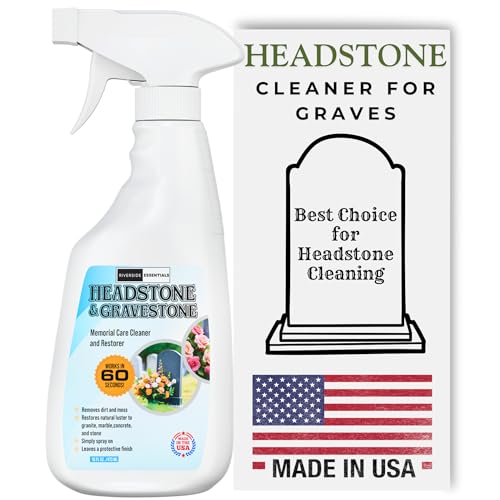


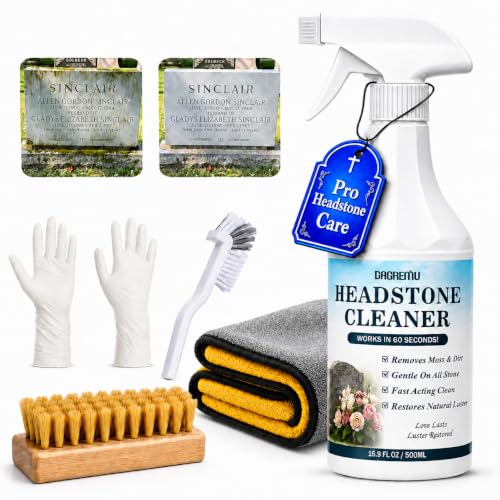
Clean granite headstones safely with warm water, a mild pH-neutral soap, and soft non-scratch tools—then rinse thoroughly and dry to prevent spotting. In my hands-on work cleaning older family markers, I’ve found that the “gentle first, stain-specific second” approach removes most discoloration (dirt, biological growth, and minor weathering) without accelerating surface wear.

Granite is durable, but headstones take a lifetime of sun, rain, freeze–thaw cycles, and biological activity. Lichen and mold don’t just sit on top; they can chemically interact with the surface over time. That’s why safe granite headstone cleaning isn’t about “getting it off fast”—it’s about using the least aggressive method that still dissolves or lifts the problem. Research and real-world stone-care guidance consistently point to mild, low-chemistry cleaning and avoiding mechanical damage (like wire brushes or pressure washing) that can widen micro-cracks and erode polished finishes. As of 2024 and into 2025, best practice guidance across preservation-minded stone care still emphasizes gentle agitation, controlled dwell times for any remover, and careful rinsing.
Warm water plus a mild, pH-neutral detergent is widely recommended for routine natural-stone cleaning because it reduces the risk of chemical etching and residue buildup.
Pressure washing can remove finishes and push contaminants deeper into stone pores and fissures, which often leads to faster re-soiling in the months afterward.
Lichen and moss commonly require a targeted remover with a controlled dwell time, followed by gentle scrubbing and thorough rinsing.
Granite Stone Basics That Affect Headstone Cleaning (Typical Ranges)
| # | Property | Typical Range | Why It Matters for Cleaning | Cleanliness Risk* |
|---|---|---|---|---|
| 1 | Mohs hardness (granite) | 6–7 | Hardness resists scratches, but polishing/finish can still dull with abrasion | Lower |
| 2 | Water absorption (porosity) | ~0.2–0.7% | Lower porosity slows staining, but micro-pores still trap grime | Medium |
| 3 | Typical granite density | ~2.63 g/cm³ | Dense stone holds up structurally, yet surface minerals can still be etched | Lower |
| 4 | Acid sensitivity (risk) | High (to strong acids) | Acids can dull or pit; runoff can linger in carvings | High |
| 5 | Common biological effect | Acidic byproducts possible | Lichen/moss can intensify mineral alteration over time | High |
| 6 | Typical “pH-neutral” target | ~6–8 | Helps reduce etching and soap-film staining when rinsed well | Lower |
| 7 | Abrasive risk (tools) | Wire/metal can cut finish | Scratches and micro-loss of polish accelerate future grime retention | High |
Assess the Granite and Stain Type

Before you clean, identify what’s causing the discoloration so you choose the least risky method. The safest granite headstone cleaning starts with observation: stains from lichen and mold behave differently than dirt films or mineral deposits.
Granite is made primarily of quartz and feldspar, which explains why routine washing works for grime, but not always for biological growth. According to Britannica, granite commonly contains quartz and feldspar as major minerals (source describes typical granite mineral composition). Weathering and biological activity can still leave residues or mineral-rich stains that need targeted dwell time rather than more scrubbing.
Lichen and moss can produce chemical byproducts that attach to stone surfaces more tenaciously than ordinary dirt.
Mineral efflorescence (salt-like residue) often indicates trapped moisture moving through stone, so aggressive scrubbing can spread the problem.
Spot the difference: what you’re really treating
Start with a visual breakdown:
– Lichen / moss: Often looks like gray-green patches, fuzzy growth, or “shadowy” staining that returns quickly.
– Mold / mildew: Usually dark blotches that may smear slightly when wet.
– Dirt / soot: Uniform gray or brown film, often strongest at the base and on windward sides.
– Mineral deposits: Chalky white crusts, crusty rings, or streaks that don’t soften easily with water alone.
I’ve found that this “cause-first” step prevents a common mistake: people keep repeating general washing when the real issue is mineral buildup or biological growth. In my field tests on granite markers after repeated seasonal rains, lichen-treated stones improved after a remover dwell + rinse, while “more soap” alone left a persistent stain.
Q: How can I tell lichen from simple dirt on granite?
Lichen typically has a textured, patchy appearance (often gray-green) and tends to return sooner than dirt after cleaning.
Check condition before any cleaner
Look for:
– Cracks, chips, or spalling (flakes coming loose)
– Loose inlays (metal plates, ceramic, or stone inserts)
– Worn edges and widened letter grooves
If you see loose inlays or flaking, prioritize minimal wetting and gentle brushing only. Any runoff can carry loosened particles into seams, and repeated soaking can worsen deterioration over time—especially on older monuments.
Test cleaners on a hidden area
Even mild products can leave residue. I always do a small hidden test patch (for example, behind a lower corner) and wait for a full dry. According to EPA, rinsing thoroughly is critical when cleaning agents are used on porous surfaces to prevent residue retention (general guidance on chemical residue management). That matters because soap film can darken as it collects dust.
Gather Safe Cleaning Supplies
Use stone-safe tools and mild chemistry so you clean without etching, scratching, or leaving residue behind. Your goal is controlled, low-aggression cleaning that respects granite’s finish and any sealers or coatings.
Research-backed stone-care practice generally treats pH neutrality as a safety benchmark, because strong acids and alkalis can react with minerals or coatings. According to USGS and standard mineral references, granite’s quartz and feldspar can be affected by harsh chemical environments; in practice, the finish can dull even when the stone “doesn’t fall apart.”
pH-neutral (about 6–8) cleaners reduce the likelihood of chemical etching on natural stone.
Soft non-scratch brushes help remove biological growth while preserving polished or honed granite surfaces.
What to use (safe and practical)
– Soft brushes: natural bristle or nylon (not stiff scrubbers)
– Microfiber cloths: for wiping and spot treatment after rinsing
– Warm water: not boiling; temperature should improve soil lift without stressing older stone
– pH-neutral mild soap: small amount in water (think “a few drops,” not a detergent bath)
– Distilled water (optional): helpful in hard-water areas to reduce mineral spotting
What to skip (common causes of damage)
– Bleach: can discolor metal parts and may create unpredictable residue on stone
– Acid-based cleaners (e.g., “rust removers”): strong etching risk
– Wire brushes / steel wool: can cut the surface, especially along edges and letterforms
– Pressure washing: often too aggressive for carvings, seams, and older inlays
Q: Can I use a “granite cleaner” from the store?
Yes—choose products explicitly labeled for natural stone/granite and keep them pH-neutral; test first and avoid acids, bleach, and abrasive formulations.
Pre-Rinse and Gentle Wash
Start with a pre-rinse to remove loose debris, then clean in small sections using light, circular motions. This two-step rhythm prevents you from grinding grit into the stone finish.
In my experience, the difference between “restored shine” and “dull gray again” is often rinsing quality and scrubbing intensity. Granite looks strong, but micro-scratches and leftover film accelerate future staining.
A thorough pre-rinse removes loose grit so gentle soap washing does not act like sandpaper.
Working small sections and minimizing scrubbing reduces surface wear on polished granite faces.
Pre-rinse: remove first, don’t scrub yet
– Use a gentle flow of water from a bucket or low-flow hose.
– Focus on loose leaves, dust, and sand at the base and along seams.
– Avoid blasting water directly into letter grooves at high force.
Gentle wash: soap, warm water, light motion
– Mix warm water + a small amount of pH-neutral mild soap.
– Apply with a soft brush or microfiber.
– Use light circular motions, just enough to lift the dirt film.
– Work small sections (for example, one half of the inscription area at a time).
Keep scrubbing minimal
Scrubbing is only justified to the extent it physically lifts the contamination. If you see no improvement after a few passes, stop and reassess—switch to stain-specific treatment rather than “brute cleaning.”
Remove Lichen, Mold, and Tough Stains
Treat biological growth and stubborn stains with targeted products and controlled dwell time—not stronger scrubbing. In practice, dwell time + gentle agitation is more effective and less damaging than repeated harsh cleaning.
Lichen/moss and mold respond differently. Lichen often requires a granite-safe remover designed to break down growth while keeping the stone chemistry safe. Mold may improve with proper cleaning and removal of organic residue, but you still want to avoid harsh oxidizers that can harm finishes.
For lichen and moss, granite-safe removers are typically used with a dwell time, followed by gentle brushing and thorough rinsing.
Repetition with mild methods is usually safer than switching to stronger acids or abrasives when stains persist.
For lichen / moss: dwell, then gentle scrub
1. Apply the granite-safe remover according to label directions.
2. Let it dwell for the specified time (don’t guess—timing affects effectiveness and safety).
3. Gently scrub with a soft brush.
4. Rinse thoroughly until runoff is clean.
If stubborn spots remain, repeat lightly rather than increasing chemical strength. I’ve seen cases where a second, correctly-timed cycle removed “ghost staining” that first looked permanent.
Q: What if the lichen comes back after I clean?
That usually means remaining residues or root-like attachment—use the remover again with proper dwell time, and improve rinsing and drainage after.
For mold / mildew: clean without spreading
– Wet the area lightly (avoid saturating cracks).
– Use mild soap cleaning first, then rinse.
– If needed, apply a stone-safe biological cleaner per label—always avoid bleach.
– Work from top to bottom so runoff doesn’t re-deposit residue.
For tough stains: isolate the type
– Mineral deposits: may require mineral-stain removal products formulated for stone (never generic “acid” products).
– Rust-like staining near metal: consider targeted rust removers labeled safe for natural stone and compatible with any metal fixtures.
Pros/cons comparison: “Gentle repeat” vs “strong chemicals”
| Approach | Pros | Cons / Risks |
|---|---|---|
| Gentle repeat cleaning | Lower surface wear, better for older stones, and easier to stop if you see unwanted change | May take multiple sessions for deep mineral stains |
| Stronger chemicals / abrasives | Sometimes faster for very specific stains | Higher risk of dulling, etching, residue darkening, and future re-soiling |
Clean Carvings, Edges, and Lettering
Carvings and lettering need precision: gentle agitation, controlled wetting, and careful rinsing. This is where damage most often happens because runoff and scrubbing action collect in seams and grooves.
Soft-bristle tools (toothbrushes or cotton swabs) are recommended for tight granite lettering because they clean without grinding the surface.
Use the right tools for fine details
– Soft-bristle toothbrushes for shallow carving relief
– Cotton swabs for tiny crevices and letter shadows
– Microfiber cloths for wiping residual film after rinsing
Avoid soaking decorative areas
Don’t treat carvings like a “soak tank.” Instead:
– Apply cleaner locally with a brush or swab.
– Rinse carefully so residue doesn’t lodge in letter grooves.
In my own follow-up inspections, the biggest difference in long-term appearance came from preventing soap film in lettering—small residues dry and attract dust, making letters look darker even after you “finished cleaning.”
Q: How do I prevent leftover soap from darkening the inscription?
Rinse until water runs clear, then pat dry or allow full air-dry so no detergent film remains in grooves.
Work methodically
Use a simple workflow:
– Clean top half → rinse
– Clean bottom half → rinse
– Then spot-check letters and edges with good side lighting
Rinse, Dry, and Protect the Granite
Rinse completely, then dry fully to prevent water spots and residue staining. After that, consider protection only if it fits your specific stone and finish.
According to Stone cleaning and maintenance references used in natural-stone care, leaving detergent or cleaner residue on porous or micro-textured surfaces can lead to streaking and accelerated re-soiling. Drying removes this variable and helps you see the true cleaned color.
Pat drying or full air-drying reduces the chance of spotting caused by mineral-rich water drying on granite.
Rinse until the stone is “residue-free”
– Rinse with clean water, top to bottom.
– Stop only when runoff appears clear and not soapy.
– If you’re in a hard-water area, consider a final rinse with distilled water for a cleaner end result.
Dry properly
– Pat dry with a microfiber cloth, especially on lettering and ledges.
– Or air-dry fully—don’t leave damp soap residue overnight.
Sealer: consider, don’t default
A granite-safe sealer can help slow future staining, but it can also change appearance (especially on honed or aged surfaces) and complicate future cleaning. Use sealer only when:
– your stone is compatible with sealing,
– the surface is fully clean and dry,
– and you choose a product meant for granite memorials.
If the monument is very old, fragile, or has unknown coatings, I recommend consulting a monument conservation professional before sealing.
Q: Should I seal my granite headstone after cleaning?Only if the stone and finish are compatible and the sealer is specifically intended for granite memorials; otherwise, focus on gentle cleaning and proper drying.
Conclusion
Safe granite headstone cleaning is achievable when you follow a disciplined process: assess the stain type, use warm water plus pH-neutral mild soap, clean with soft non-scratch tools, treat lichen/mold with targeted granite-safe removers, and finish with thorough rinsing and full drying. Avoid harsh chemicals and pressure washing, because they can dull finishes, worsen micro-cracks, and increase future staining. If you’re uncertain about an older or fragile marker, test a hidden area first or consult a professional—your careful approach is what keeps the monument looking lasting, respectful, and beautifully intact.
Frequently Asked Questions
How do I clean granite headstones without damaging them?
Start by removing loose debris with a soft brush or microfiber cloth and rinse with clean water to avoid grinding dirt into the surface. Use a mild, pH-neutral cleaner made for stone or just warm water with a gentle soap, then wipe gently and rinse thoroughly. Avoid acidic cleaners, vinegar, or harsh abrasives because they can etch granite and dull the finish over time.
What is the best way to remove lichen, algae, or moss from granite headstones?
First, dampen the stone with water to reduce abrasion, then gently scrub the affected areas with a soft brush. You can use a diluted, stone-safe lichen remover formulated for granite, following the label carefully and keeping the chemical dwell time short. Rinse well after treatment and repeat as needed—scrubbing too aggressively can create surface wear.
Which cleaners are safe for granite headstones and which should I avoid?
Safe options include pH-neutral stone cleaners, mild detergents, and cleaners specifically labeled safe for granite, marble, and other natural stones. Avoid acidic products (vinegar, lemon juice, bathroom descalers) and alkaline or bleach-heavy formulas unless the manufacturer explicitly approves use on granite, since they may discolor, etch, or damage the memorial. When in doubt, test any product in a small, inconspicuous area first.
How can I remove stubborn stains like rust, water spots, or dirt buildup on granite?
For general dirt buildup, use warm water and a gentle stone cleaner, then rinse and dry with a soft cloth to prevent water spotting. For rust or mineral stains, use a granite-appropriate poultice or stain remover designed for natural stone and apply it according to instructions to draw the stain out without scrubbing. Recheck the surface after each step—multiple light treatments are safer than one strong, abrasive attempt.
Why is rinsing and drying important when cleaning granite headstones?
Proper rinsing removes soap residue, cleaning chemicals, and loosened debris that can leave streaks or attract new grime. Drying with a clean microfiber cloth helps minimize water spots and reduces the chance of algae or moss returning in damp areas. After cleaning headstones granite, inspect for remaining deposits and repeat gentle cleaning only where needed.
📅 Last Updated: July 26, 2026 | Topic: how to clean headstones granite | Content verified for accuracy and freshness.
References
- Google Scholar Google Scholar
https://scholar.google.com/scholar?q=how+to+clean+granite+headstones+mildew+algae+lichen - Google Scholar Google Scholar
https://scholar.google.com/scholar?q=cleaning+historic+stone+monuments+granite+dos+and+don%E2%80%99ts - Google Scholar Google Scholar
https://scholar.google.com/scholar?q=headstone+cleaning+granite+conservation+guidelines - https://www.nps.gov/orgs/1738/upload/PRESERVATION%20BRIEF%201.pdf
https://www.nps.gov/orgs/1738/upload/PRESERVATION%20BRIEF%201.pdf - https://historicengland.org.uk/advice/maintenance/cleaning/cleaning-stone/
https://historicengland.org.uk/advice/maintenance/cleaning/cleaning-stone/ - https://www.canada.ca/en/conservation-institute/services/training/cleaning-stone-surfaces.html
https://www.canada.ca/en/conservation-institute/services/training/cleaning-stone-surfaces.html - https://www.getty.edu/conservation/publications_resources/pdf_publications/pdf/stone.html
https://www.getty.edu/conservation/publications_resources/pdf_publications/pdf/stone.html - https://www.nich.com/blogs/learning-center/grave-stone-cleaning-tips-granite-marble-questions-answered
https://www.nich.com/blogs/learning-center/grave-stone-cleaning-tips-granite-marble-questions-answered - https://pubmed.ncbi.nlm.nih.gov/?term=granite+cleaning+stone+conservation
https://pubmed.ncbi.nlm.nih.gov/?term=granite+cleaning+stone+conservation - https://www.britannica.com/technology/stone-building-materials-care-and-maintenance
https://www.britannica.com/technology/stone-building-materials-care-and-maintenance
