
Cleaning indoor turf is essential to maintain its appearance and longevity. To keep your synthetic grass looking fresh and inviting, you should regularly remove debris, sanitize surfaces, and handle stains promptly. This article will guide you through the effective methods for cleaning indoor turf, ensuring it stays in top condition.



Understanding Indoor Turf Materials

Indoor turf is typically made from synthetic fibers, designed to mimic natural grass. These materials are durable, weather-resistant, and low-maintenance, making them ideal for various indoor applications, including sports facilities, play areas, and residential settings. However, knowing the composition of your indoor turf can significantly impact the cleaning products and techniques you choose to use. Common materials include polyethylene, polypropylene, and nylon, each having unique properties that can affect their susceptibility to certain cleaning agents. For instance, harsh chemicals may cause discoloration or deterioration of the fibers over time. Therefore, it is crucial to select appropriate cleaning products that are specifically designed for synthetic turf to avoid damage.

Tools and Supplies Needed for Cleaning


To effectively clean indoor turf, you will need a set of essential tools and supplies. Key items include:
– Vacuum Cleaner: A vacuum cleaner designed for turf, preferably one with a high suction power, can effectively remove dust and small particles without damaging the fibers.
– Stiff-Bristle Broom: This is useful for sweeping up larger debris like leaves or dirt clumps that can accumulate on the surface.
– Leaf Blower: Ideal for quickly blowing away loose debris, particularly in larger areas.
– Mild Detergents: A gentle detergent is effective for cleaning without causing harm to the turf fibers.
– Water Hose: For rinsing and flushing out contaminants, a standard garden hose will suffice.
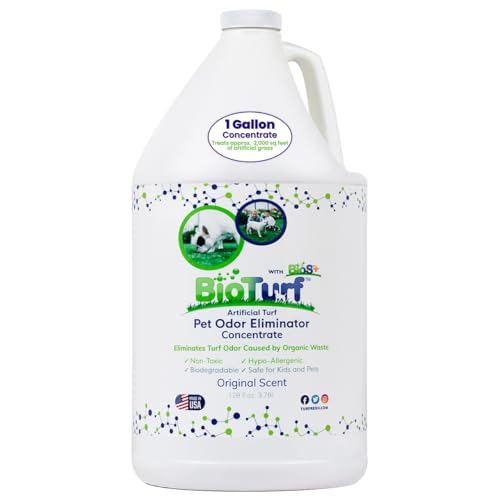
– Specialized Turf Cleaning Solutions: Consider using products specifically formulated for synthetic grass, as they often include antimicrobial properties to kill bacteria.
Regular Maintenance Tips

Regular maintenance is key to ensuring the longevity of your indoor turf. Here are some practical tips:
1. Vacuum or Sweep Regularly: Aim to vacuum or sweep the turf at least once a week to remove dirt, dust, and debris that can accumulate and detract from its appearance.
2. Deep Cleaning Sessions: Schedule deep cleaning sessions at least once a month. During these sessions, use a turf-safe cleaning solution to address any stubborn stains or buildup.
3. Inspect for Damage: Regularly check for any signs of wear or damage, such as loose seams or fraying fibers. Addressing these issues early can prevent more significant problems down the line.
4. Brush the Turf: Use a stiff-bristle broom to brush the turf fibers against their natural direction. This helps to lift the fibers and maintain their upright position, enhancing the overall appearance.
Cleaning Stains and Spills
Promptly addressing spills and stains is critical to preventing lasting damage to your indoor turf. Here’s how to handle common stains:
1. Immediate Action: For spills, immediately use a clean cloth or paper towel to blot the area, absorbing as much liquid as possible without rubbing, which can spread the stain.
2. Mild Detergents: Mix a mild detergent with water and apply it to the stained area. Use a soft-bristle brush to gently scrub the stain, then rinse with clean water.
3. For Tough Stains: If the stain persists, consider using a mixture of equal parts vinegar and water or a specialized turf cleaner. Apply this solution, let it sit for a few minutes, and then rinse thoroughly.
4. Dealing with Pet Stains: Pet accidents can be particularly challenging. Use an enzymatic cleaner designed for pet stains to break down odors and residues effectively.
Sanitizing Indoor Turf
Sanitization is essential, especially in high-traffic areas or spaces where pets play. Here are steps to ensure your indoor turf remains hygienic:
1. Turf-Safe Disinfectants: Use a disinfectant specifically designed for synthetic turf. These products are formulated to kill bacteria and viruses without damaging the grass fibers.
2. Application Process: Follow the manufacturer’s instructions for dilution and application. Generally, you should apply the disinfectant evenly over the surface and allow it to sit for the recommended duration before rinsing with clean water.
3. Frequency of Sanitization: It is advisable to sanitize your turf at least once every few months or more frequently if it sees heavy use.
Dealing with Odors
Regular cleaning and sanitizing can prevent odors from developing, particularly in pet-friendly indoor turfs. Here are some effective strategies:
1. Regular Cleaning: Consistently clean and sanitize the turf to avoid odor buildup. This includes picking up pet waste and cleaning spills promptly.
2. Baking Soda: For lingering smells, sprinkle baking soda over the affected area, let it sit for several hours (or overnight), and then vacuum it up. Baking soda is a natural odor absorbent.
3. Ventilation: Ensure adequate ventilation in the area with indoor turf. Proper air circulation can help dissipate odors and keep the environment fresh.
Maintaining Turf Drainage
Effective drainage is crucial for maintaining the integrity of indoor turf. Here’s how to ensure proper drainage:
1. Check for Clogs: Regularly inspect turf seams and drainage systems for clogs or blockages. Remove any debris that may restrict water flow.
2. Flushing the Turf: Periodically flushing the turf with water can help remove dirt and debris that accumulates over time. Use a hose to evenly distribute water across the surface, allowing it to drain away.
3. Adjusting Drainage Systems: If you notice persistent pooling of water, consider consulting with a professional to evaluate and adjust your drainage system.
Common Indoor Turf Cleaning Products (2024)
| # | Product Name | Type | Effectiveness |
|---|---|---|---|
| 1 | Evergreen Turf Cleaner | Liquid | High |
| 2 | Turf & Pet Odor Eliminator | Spray | Medium |
| 3 | Synthetic Grass Cleaner | Concentrate | High |
| 4 | Turf Rinse | Liquid | Medium |
| 5 | Baking Soda | Powder | Medium |
| 6 | Zeo Turf Cleaner | Liquid | High |
| 7 | All-Natural Turf Cleaner | Concentrate | High |
Effectiveness of Common Indoor Turf Cleaning Methods
Best Indoor Turf Cleaning Methods: A Comparison
| Feature | ⭐ Vacuuming | Disinfection | Stain Treatment |
|---|---|---|---|
| Effectiveness | High | Medium | High |
| Time Required | Short | Medium | Long |
| Required Tools | Vacuum | Spray | Broom |
| Frequency | Weekly | Monthly | As Needed |
| Cost | Low | Medium | Variable |
| Environmental Impact | Low | Medium | Variable |
| Ease of Use | Easy | Moderate | Varies |
| Safety | Safe | Safe | Safe |
| 🏆 Best For | Routine Maintenance | Deep Cleaning | Stain Removal |
Summarizing the cleaning process for indoor turf, regular maintenance, immediate stain treatment, and proper sanitization will ensure your turf remains inviting and hygienic. For best results, invest in the right tools and cleaning supplies, and adhere to a cleaning schedule. Start taking action today to keep your indoor turf in pristine condition!
Frequently Asked Questions
What are the best methods to clean indoor turf?
The best methods to clean indoor turf include regular vacuuming to remove debris, using a stiff-bristled brush to fluff the fibers, and rinsing with a hose to eliminate dust and dirt. For deeper cleaning, a mixture of warm water and mild detergent can be applied, followed by a thorough rinse to ensure no soap residue remains.
How often should I clean my indoor turf?
Cleaning your indoor turf should be done at least once a month, with more frequent maintenance if the area sees heavy foot traffic or pets. Regular upkeep not only keeps the turf looking fresh but also extends its lifespan by preventing buildup of dirt and bacteria.
Why is it important to clean indoor turf regularly?
Regular cleaning of indoor turf is crucial to maintain hygiene, prevent odors, and avoid the growth of mold or mildew. Additionally, it helps to preserve the turf’s appearance and functionality, ensuring a safe and pleasant environment for activities.
Which cleaning products are safe for indoor turf?
Safe cleaning products for indoor turf include mild detergents, non-toxic disinfectants, and specialized turf cleaners designed to avoid damage to synthetic fibers. Always check the manufacturer’s recommendations to ensure compatibility with your specific type of indoor turf.
How can I remove pet odors from indoor turf?
To remove pet odors from indoor turf, start by cleaning the affected area with a mixture of water and vinegar, which neutralizes odors effectively. Following this, ensure proper drying and consider using a pet-safe enzymatic cleaner specifically formulated for synthetic surfaces to eliminate any remaining smells.
References
- https://www.nature.com/articles/s41598-020-77492-0
https://www.nature.com/articles/s41598-020-77492-0 - https://www.ncbi.nlm.nih.gov/pmc/articles/PMC8005870/
https://www.ncbi.nlm.nih.gov/pmc/articles/PMC8005870/ - https://www.athleticbusiness.com/facilities/field-facilities/article/15156365/how-to-clean-artificial-turf
https://www.athleticbusiness.com/facilities/field-facilities/article/15156365/how-to-clean-artificial-turf - https://www.sciencedirect.com/topics/agricultural-and-biological-sciences/artificial-turf
https://www.sciencedirect.com/topics/agricultural-and-biological-sciences/artificial-turf - https://www.cdc.gov/healthywater/hygiene/cleaning/turf.html
https://www.cdc.gov/healthywater/hygiene/cleaning/turf.html - Google Scholar Google Scholar
https://scholar.google.com/scholar?q=how+to+clean+indoor+turf - Google Scholar Google Scholar
https://scholar.google.com/scholar?q=cleaning+artificial+turf - Google Scholar Google Scholar
https://scholar.google.com/scholar?q=indoor+turf+maintenance+cleaning - how to clean indoor turf – Search results
https://en.wikipedia.org/wiki/Special:Search?search=how+to+clean+indoor+turf - https://www.ncbi.nlm.nih.gov/search/research-articles/?term=how+to+clean+indoor+turf
https://www.ncbi.nlm.nih.gov/search/research-articles/?term=how+to+clean+indoor+turf
