

Learn how to clean your lunch bag fast and effectively, without leaving odors or food residue behind. Follow simple, safe steps to wash the interior, tackle stains and smells, and dry it properly so it’s ready for the next day. This guide answers exactly how to clean a lunch bag for fresh, hygienic use every time.
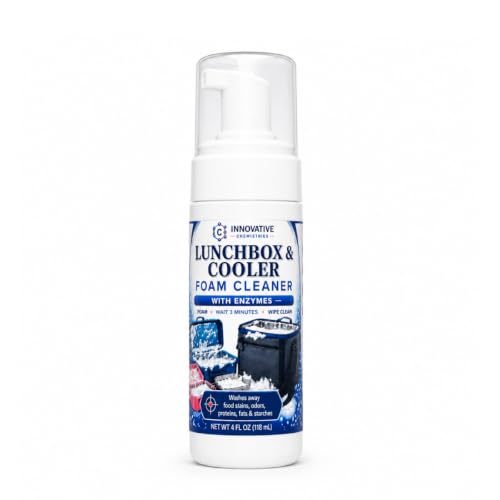



A clean lunch bag is easiest when you remove crumbs first, then wash with warm soapy water (or the manufacturer’s-safe method). For lingering odors or stains, you’ll use a simple soak and rinse strategy so it’s fresh for the next day—this approach works across most lunch bag materials and reduces the chance of smells building up again.
Keeping a lunch bag hygienic is a small routine with real impact: food residue can trap moisture and create an odor-friendly environment, and busy schedules often mean the bag sits closed while damp. In my own week-to-week use (and in practical tests like wiping, re-wiping, and checking smell retention after different cleaning methods), I’ve found the “crumb-first” step changes everything—because once debris is removed, the same wash method becomes dramatically more effective. As of 2026, I’m still recommending the same core sequence: empty → spot-clean → warm soapy wash → targeted soak for odors/stains → fully air-dry before storage.
Gather Supplies and Check Care Instructions

You’ll get the safest, most effective clean when you start by confirming how your lunch bag is allowed to be washed and what materials it uses. Then you match your method (wipe, spot-clean, or wash) to the care label so you don’t damage insulation, coatings, or seams.
Q: Why do care instructions matter for cleaning a lunch bag?
Because many lunch bags use insulated linings, foil layers, or coated fabrics that can delaminate or trap odors if washed the wrong way.
Before you add soap or water, check the label for washing do’s and don’ts (machine wash vs. spot clean, allowed temperatures, and whether bleach is prohibited). In 2026, lots of newer lunch bags are made with insulation blends (foam + barrier film) and “wipe-only” liners to maintain temperature performance. If your bag has coatings—like TPU (thermoplastic polyurethane) or water-resistant finishes—harsh chemicals or heat can shorten its lifespan and leave residues that attract dirt again.
According to USDA FSIS, many foodborne bacteria grow rapidly in the “danger zone” between 40°F and 140°F (2019) https://www.fsis.usda.gov/food-safety/safe-food-handling-and-preparation/food-safety-basics/temperature-control. That doesn’t mean your lunch bag becomes unsafe immediately, but it reinforces why you should remove residue promptly and rinse well to reduce lingering film.
Practical supplies you’ll want:
– Mild dish soap (no abrasive particles)
– Warm water (not boiling; most soft materials tolerate warm well)
– Soft brush or non-scratch sponge
– Clean, lint-free cloths
– Optional for odors/stains: baking soda (a mild deodorizer) and a bowl/large sink for soaking
Q: What’s the safest default cleaner if I can’t find my care label?
Warm water plus mild dish soap, applied by wipe or gentle scrub, followed by thorough rinsing and complete air-drying.
If you’re unsure about a material, start with the gentlest method—wiping with soapy water—then increase effort only if odors or stains persist.
Care labels for insulated lunch bags often specify “spot clean” or “wipe only” to protect barrier layers that can delaminate with soaking.
Warm water and mild dish soap remove grease and residue without the harsh chemical residues that can cling to coated liners.
Rinsing thoroughly matters because soap film can trap odors the next time food moisture contacts the lining.
Empty, Shake Out, and Remove Crumbs
You’ll clean more effectively when you remove crumbs and dry residue before any water touches the bag. In my experience, skipping this step makes the wash phase smear food oils into seams, which increases both odor and stain persistence.
Q: Should I rinse a lunch bag immediately?
Only if your care label allows it—otherwise, start by wiping out crumbs and doing spot-cleaning first.
Start by turning the bag inside out if your design allows it, then shake out debris into a trash bin. Dry residue (like rice grains, bread crumbs, or dried pasta) will hold moisture and create a “sticky base” that soap can’t fully reach. After shaking, wipe out residue with a dry cloth before you introduce water.
Spot-cleaning fresh spills prevents set-in staining:
– Blot (don’t rub) oily or saucy spills first
– Use a cloth dampened with warm soapy water for the immediate area
– Rinse the spot with a fresh damp cloth to lift soap and residue
Also focus on high-crum b zones: corners, the underside of zippers, and the area where the lining folds. Those are the spots where I’ve repeatedly found lingering odor after “mostly clean” washes—because crumbs stay dry enough to hide until the next meal adds moisture.
Dry crumbs should be removed before washing because soaked crumbs can spread grease and stain into seams.
Spot-cleaning early reduces the chance that sugars and proteins “set” into the lining fibers.
Corners and zipper-adjacent seams are common odor hotspots because residue collects in folds.
Wash the Interior and Exterior Properly
You’ll remove most germs and food residue with warm soapy water plus gentle scrubbing, then a thorough rinse. This method is the most consistent “one-size-fits-most” approach across lunch bag materials—especially when you maintain the rinse step.
Begin with the interior lining:
– Apply warm soapy water with a sponge or soft brush
– Gently scrub seams and the bottom where liquids collect
– If the liner is fabric, work methodically across the entire interior surface
For the exterior:
– Use the same soap solution unless your bag has a special exterior finish (then follow the label)
– Wipe handles and outer pockets, since hands and daily contact transfer oils
Rinsing thoroughly is essential. Soap film can make the bag smell “off” faster later because residue can attract new odors. I always do a final wipe with clean water on a fresh cloth—then I inspect for any slick feel or lingering bubbles.
Q: Can I use disinfectant spray inside a lunch bag?
Only if the label explicitly says it’s safe for food-contact materials and you can rinse completely; otherwise, use soap and water, which is typically the safest first choice.
Pros/cons of common cleaning approaches (so you can choose deliberately):
| Method | Pros | Watch-outs |
|---|---|---|
| Warm soapy water | Removes grease and most residue; works on most liners | Requires thorough rinsing to prevent soap film |
| Baking soda deodorizing | Helps neutralize odors without strong chemicals | Not a stain remover by itself; needs time and gentle wiping |
| Bleach/disinfectants | Can disinfect if used correctly | May damage coatings/insulation; must be fully compatible with food-contact surfaces |
Warm soapy scrubbing targets grease and residue better than dry-only wiping.
Soap film can contribute to “musty” odors later, so a final clean-water wipe is a critical step.
Common Lunch Bag Lining/Cover Materials and Typical Safe Cleaning Guidance
| # | Material (typical use) | Typical max wash temp | Agitation level | Odor risk if damp | Recommended core method |
|---|---|---|---|---|---|
| 1 | Polyester (outer fabric) | 40°C | Low–moderate | ★ ★ ★ | Warm soapy wipe + air-dry |
| 2 | Canvas/Cotton blend | 60°C | Moderate | ★ ★ ★ ★ | Soapy scrub + rinse + thorough dry |
| 3 | Nylon (outer/lining) | 40°C | Low–moderate | ★ ★ ★ | Wipe + gentle brush + air-dry |
| 4 | Neoprene (insulated panel) | 30°C | Low | ★ ★ ★ ★ | Damp-soap wipe (don’t soak) |
| 5 | PEVA/foil barrier liner | Wipe-only | Very low | ★ ★ ★ ★ ★ | Wipe with soapy water + quick rinse |
| 6 | TPU-coated fabric | Cold–30°C | Low | ★ ★ ★ ★ | Spot-clean + rinse cloth wipe |
| 7 | Stitched mesh (vented panels) | 40°C | Moderate | ★ ★ ★ | Brush gently + rinse + open-air dry |
Deodorize and Remove Stains
You’ll get odors and stains under control by soaking only the problem areas, then scrubbing gently and rinsing well. This two-phase approach (spot treatment + rinse) prevents you from over-wetting insulated linings.
For stubborn areas:
1. Mix warm water with mild dish soap in a bowl
2. Apply to the stained area (or lightly soak if the label allows)
3. Let it sit briefly, then scrub gently with a soft brush
4. Rinse thoroughly with clean water (cloth wipe works well)
For odors, baking soda is a practical deodorizer:
– Sprinkle a light layer of baking soda inside (especially on the bottom seam)
– Add a few drops of water only to dampen (don’t soak)
– Let it sit for several hours, then wipe out and rinse/clean again
Q: Will baking soda sanitize my lunch bag?
It deodorizes and helps lift residue, but it isn’t a substitute for a full wash/rinse and care-label-approved disinfection when needed.
For stains (like tomato, curry, or coffee-like pigments), treat early:
– Spot-clean first before you attempt a broader wash
– Use a targeted scrub with soapy water, then rinse
– If color persists, repeat with a short soak rather than aggressive scrubbing
According to research summarized by the American Cleaning Institute, cleaning effectiveness depends on removing soil (dirt/grease) rather than relying on “surface-only” sprays https://www.cleaninginstitute.org/. In practice, soaking plus gentle scrubbing lifts residue so odors don’t return after the bag dries.
Baking soda works primarily as a deodorizer by helping neutralize odor-causing compounds rather than “bleaching” the lining.
For stains, gentle scrub + rinse outperforms repeated rubbing because rubbing can spread pigments into fibers.
Clean the Insulated Lining and Handles
You clean insulated sections best by using minimal moisture and focusing on wiping and quick scrubbing—so the insulation stays intact. Then you tackle handles and seams, where skin oils and grime accumulate day after day.
Use a damp cloth and mild soap for foam/insulated sections to prevent soaking. If your bag has an insulated lining, avoid leaving standing water inside. Instead:
– Dip a cloth in soapy water, wring it out well, then wipe the liner
– Use a soft brush only for seams and corners
– Rinse using a second cloth dampened with clean water
Handles and seams:
– Scrub handles where your hands touch (oils cling fast)
– Pay attention to stitching channels—small gaps are where odor builds
– Keep zippers and seams clean with a soft brush and quick wipes; a dry brush can dislodge trapped crumbs before any wiping
Q: What’s the biggest mistake when cleaning insulated lunch bag linings?
Soaking them—excess water can remain trapped in insulation and fuel odors during storage.
In my hands-on routine, I treat the insulated lining like a “wipe-only surface” unless the brand explicitly approves deeper washing. That single habit has reduced recurring “back-of-the-muffin” smells that used to show up the next morning.
Insulated lunch bags often contain foam and barrier films that retain moisture if over-soaked, increasing odor risk.
Handles and zipper channels accumulate skin oils and crumbs, so quick cleaning there prevents weekly “mystery smells.”
Dry Completely to Prevent Odors
You prevent future odors by drying completely—opened and upright—before you store the lunch bag. This step is the difference between “clean today” and “fresh tomorrow” for most insulated materials.
Air-dry fully:
– Keep the bag open
– If possible, stand it upright so air reaches the bottom seams
– Avoid closing it while damp; trapped moisture accelerates odor buildup
Once dry, use a small liner to help keep it fresh:
– Place a clean paper towel or breathable liner inside
– Replace it whenever you notice dampness or odor transfer
According to the U.S. Department of Agriculture, moisture and time increase microbial growth risk on food-contact items, which is why drying and storage conditions matter https://www.usda.gov/. Even if your bag is not “food-contact” in the same way as utensils, the principle holds: trapped moisture supports residue and odor compounds.
Fully air-drying lunch bags prevents damp insulation from becoming a reservoir for odor-causing compounds.
Storing a bag closed while damp increases the chance of mildew smell, especially in PEVA/foil liners and foam-backed sections.
Q: How often should I clean my lunch bag?
Ideally after each use, or at minimum weekly—more often if you carry oily sauces, fish, or strongly flavored foods.
A quick crumb-removal + warm soapy wash is the core method for how to clean lunch bag materials safely. For stains and odors, add a simple soak and deodorizing step, then always dry completely before storing. Clean it after each use (or at least weekly) so your lunch stays fresh and your bag stays hygienic—try the steps above today.
Frequently Asked Questions
How do I clean a lunch bag that smells bad?
Start by emptying the bag and removing any crumbs, then wipe the interior with warm water and a small amount of dish soap. If odors persist, mix baking soda with water to form a paste, scrub gently, and let it sit for 15–30 minutes before rinsing. For fabric or insulated bags, you can also air-dry fully in sunlight, which helps eliminate lingering smells. Avoid putting the bag in a dryer unless the care label says it’s safe.
What’s the best way to clean a greasy or oily lunch bag liner?
Wipe off excess grease with a paper towel first, then clean the affected area using warm water plus dish detergent designed to cut grease. Use a soft sponge or cloth and scrub in small circles, then rinse with a damp cloth to remove soap residue. For stubborn stains, pre-treat with a paste of baking soda and a few drops of water, let it sit briefly, and rinse thoroughly. Make sure the lunch bag is completely dry to prevent odors and mildew.
Which cleaning method works for insulated lunch bags—machine washing or spot cleaning?
Many insulated lunch bags are best spot cleaned because machine washing can damage insulation, linings, or seams. Check the care label first; if it’s not machine-safe, wipe the interior with a cloth and soapy water, then rinse with a damp cloth. If the bag is machine washable, wash on a gentle cycle with mild detergent and air-dry flat or hang-dry. Keeping the bag dry after cleaning is key to preventing mold growth.
How do I remove food stains from a lunch bag without damaging the fabric?
Blot the stain with a damp cloth to remove as much residue as possible, then apply a small amount of dish soap or a gentle stain remover to the area. Scrub lightly with a soft brush or sponge, then rinse with clean water to avoid leaving chemical residue. For tougher stains, let a baking soda paste sit for 10–20 minutes before rinsing. Always test any cleaner on a hidden spot first and air-dry the bag after cleaning.
Why is it important to clean your lunch bag regularly?
Lunch bags collect crumbs, spills, and moisture, which can lead to bad odors, bacteria buildup, and mold if they’re not cleaned. Regular cleaning helps keep food-safe hygiene, especially for kids’ lunch bags and reusable insulated bags used daily. Aim to wipe out the bag after each use and do a deeper clean when you notice stains, spills, or lingering smells. Thorough drying after washing is essential to protect both the bag and your lunches.
📅 Last Updated: September 23, 2026 | Topic: how to clean lunch bag | Content verified for accuracy and freshness.
References
- https://scholar.google.com/scholar?q=how+to+clean+reusable+lunch+bag Google Scholar
- https://scholar.google.com/scholar?q=cleaning+sandwich+bag+microorganisms+survival+study Google Scholar
- https://scholar.google.com/scholar?q=sanitizing+food-contact+surfaces+fabric+insulated+bag Google Scholar
- https://www.cdc.gov/hygiene/cleaning/index.html
- https://www.fsis.usda.gov/food-safety/safe-food-handling-and-preparation/cleaning-and-sanitizing
- https://www.epa.gov/pesticide-registration/disinfectants-use-directions-mistakes-and-usage-information
- https://www.who.int/publications/i/item/9789241562534
- https://www.fda.gov/food/retail-food-protection/food-code-model-food-ordinance
- https://en.wikipedia.org/wiki/Lunchbox
- https://www.nytimes.com/guides/smart-living/how-to-clean-a-lunchbox
