

You can clean maple furniture with mineral spirits safely and effectively, and this step-by-step method shows exactly how to do it without clouding the finish. You’ll learn when mineral spirits are the right choice, how to prep the surface, what to wipe on and off, and how to finish with a clean, streak-free result. If your goal is a clear verdict on the best way to remove grime and residue from maple, this is the procedure that delivers.
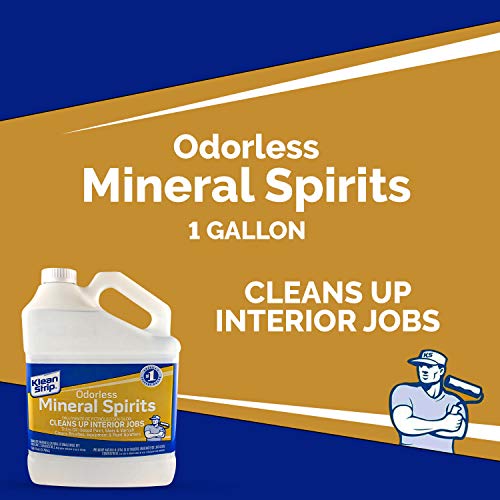



Mineral spirits can lift grime, old wax buildup, and certain residues on maple furniture—just avoid soaking the wood and always test first. Wipe with a clean, lint-free cloth dampened with mineral spirits, work with the grain, then let the surface fully dry before you decide whether to re-wax or restore the finish. As of 2026, this still remains one of the most practical “spot-clean” approaches when a maple finish has sticky spots or film-like buildup that regular dusting won’t remove.
This works best when your maple piece has surface buildup you can’t remove with dry dusting or a gentle wood cleaner. It may also be useful when you’re preparing the surface for refinishing—though the “right” next step depends on what finish (varnish, shellac, wax, etc.) is on the furniture.
Who this method is for

Mineral spirits are best when the problem is surface-level residue on finished maple, not when the finish is failing or the wood is bare. If you can safely spot test, this method can reduce sticky grime, film, and wax-like deposits without aggressive scrubbing.
Mineral spirits are commonly used as a solvent to remove oily residues and many wax-like films, but they can also interact with certain wood finishes.
Spot testing is a standard finishing practice because solvent exposure can dull color or soften coatings even when the wood species (maple) is the same.
OSHA defines flammable liquids based on flash point (flash point below 100°F/37.8°C), which is why ventilation and ignition control are required during solvent work.
– Good fit if the mess is surface-level buildup (sticky residue, grime, old wax-looking spots) on finished maple.
– Use only if you can do a careful spot test in an inconspicuous area first.
– Skip if you don’t know what finish is present or the piece is already worn through to bare wood.
What “finished maple” usually means
Finished maple typically has a topcoat such as varnish, lacquer, shellac, a polyurethane system, or a wax/polish layer. Mineral spirits may behave very differently depending on whether that surface is hard film (often more resilient) or wax/shellac (more vulnerable).
When mineral spirits are *not* the right first move
If you see peeling, bubbling, flaking, or cloudy “alligator” cracking, mineral spirits can worsen the failure by softening edges of the remaining coating. In that case, the more appropriate path is usually gentle cleaning plus sanding and refinishing—or professional guidance.
Prep and safety before using mineral spirits
Mineral spirits work best when you treat safety and prep as part of the cleaning step, not an afterthought. Before you touch the maple, control vapors, prevent ignition risk, and protect everything you don’t want solvent to contact—especially nearby finishes and fabrics.
OSHA sets rules for flammable and combustible liquids, including definitions tied to flash point, which supports the requirement to keep mineral spirits away from heat and flames.
Using lint-free cloths helps prevent micro-scratches and reduces the chance of re-depositing loosened residue onto maple.
The SDS (Safety Data Sheet) for mineral spirits is the primary source for safe handling steps like ventilation, PPE, and spill guidance.
– Work in a well-ventilated area, keep it away from flames/heat sources, and wear gloves; follow the mineral spirits Safety Data Sheet (SDS).
– Use lint-free cloths (and keep several on hand so you don’t smear residue around).
– Protect surrounding areas (especially fabric, painted trim, and floors), since mineral spirits can affect finishes and materials.
Safety basics you can apply immediately
1. Ventilation: Keep windows open or use a fan that moves air *out* of the work area. Mineral spirits vapors accumulate quickly in enclosed rooms.
2. No ignition sources: Avoid space heaters, pilot lights, candles, and smoking. Mineral spirits are designed for flammable/combustible control, and OSHA’s flammable-liquid rules hinge on flash point.
3. Gloves and eye protection: Gloves help reduce skin exposure; solvent-soaked cloths can also drip.
4. Protect adjacent surfaces: Solvent run-off can haze polished finishes and stain porous flooring.
Quick regulatory anchors (why the “don’t rush” matters)
– According to OSHA, a flammable liquid is generally one with a flash point below 100°F (37.8°C).
– OSHA also distinguishes combustible liquids by flash point bands (for example, 100°F to 140°F (37.8°C to 60°C) for some combustible classifications).
– For exposure limits, OSHA uses permissible exposure limits (PELs) for many solvent vapors and related substances; check your specific mineral spirits SDS/product labeling and the applicable OSHA limits.
If you’re cleaning indoors, this is why ventilation and limiting contact time are not optional.
How to clean maple furniture with mineral spirits
Mineral spirits cleaning is a controlled “wipe-and-evaporate” process: dampen a cloth lightly, wipe along the grain, and stop when the residue is gone. The key is to avoid pooling and to let the solvent fully dry before you decide on waxing or refinishing.
Wiping with a lightly dampened cloth (rather than pouring) helps prevent solvent pooling at edges, seams, and veneer joints where damage risk is higher.
Most residue removal on finished wood depends on dissolving and lifting the film with solvent, then removing what you loosen with a clean section of cloth.
Mineral spirits can dull or soften some coatings, so observing color change or tackiness during a spot test is a reliable early warning step.
– Dust first: remove loose debris with a dry, soft cloth so you don’t grind grit into the surface.
– Spot test: apply a small amount of mineral spirits to a hidden spot, wipe gently, and observe for dulling, color change, or finish softening.
– Wipe in sections: dip/soak the cloth lightly (don’t pour), wipe along the grain, and switch to a cleaner area of the cloth as it loads up.
– Don’t soak: avoid pooling on edges, joints, and carvings—maple may be more vulnerable at seams and thin veneers.
– Finish the pass: after the residue is removed, go over with a fresh, lightly dampened cloth if needed, then allow the surface to fully dry before touching it.
What mineral spirits are doing (in plain terms)
Mineral spirits are petroleum-based solvents. On maple furniture, they mainly work by dissolving or loosening:
– sticky oils/grease films
– some waxy residues and polish buildup
– certain surface contaminants that become “tacky” over time
From there, your wiping action physically removes the loosened material. That’s why using fresh cloth areas matters: if you re-use a dirty portion of cloth, mineral spirits can smear residue back across the surface.
The step-by-step wipe workflow (the part that prevents damage)
1. Dry dusting first
Use a dry, soft cloth to remove dust and grit. This step prevents grinding particles into the finish while you apply solvent.
2. Spot test (do not skip)
Apply a small amount of mineral spirits to a hidden area (inside a leg, back panel, or underside). Wipe gently and watch what happens over a short window:
– Does the sheen turn dull?
– Does the surface feel tacky?
– Does color shift?
If you notice any of those issues, stop and choose a different cleaner compatible with your finish.
3. Wipe “lightly wet,” not “wet-wet”
Dip the cloth so it’s damp, then wipe. Don’t pour mineral spirits directly onto maple. Direct application increases the odds of pooling at edges and along carvings.
4. Work in sections and change cloth zones often
Wipe a small area, then move to a cleaner portion of the cloth. Keep switching until the residue no longer transfers.
5. Let it dry completely
Mineral spirits need time to evaporate. Don’t rush to wax or recoat while solvent remains—trapped residue can dull the surface or create uneven marks. Exact dry time varies by temperature, airflow, and product type; follow the SDS/manufacturer guidance.
Comparison snapshot: where mineral spirits tends to fit best
Here’s a practical contrast you can use while deciding whether mineral spirits are the right tool for maple furniture surface cleanup:
| Approach | Best for | Main risk | When to stop |
|---|---|---|---|
| Mineral spirits (cloth-wipe) | Sticky grime, wax-like buildup on *finished* maple | Coating softening/dulling | Any spot-test dulling/tackiness |
| Gentle wood cleaner (water-based or pH-balanced) | Light dust film, non-sticky surface soil | Moisture swelling if overused | Persistent sticky residue |
| Wax/polish removal products | Specific paste-wax films when identified | Finish compatibility mismatch | Finish hazing or incomplete removal |
Aftercare for maple finish and shine
After mineral spirits cleaning, your next move is determined by what you’re trying to restore: cleanliness, shine, or a full refinishing-ready surface. If the finish looks dull, you may be dealing with wax removal or finish alteration—so choose the next step based on the coating type.
If the surface looks dull after solvent cleaning, the dullness may indicate wax removal or a change in the topcoat’s surface sheen rather than “dirty maple.”
When preparing for refinishing, following the finish manufacturer’s prep steps helps avoid adhesion problems and blotchy sheen outcomes.
– If the surface looks dull after cleaning, you may be dealing with wax removal or finish alteration—plan on a finish-appropriate step (often a paste wax for sealed surfaces, depending on what’s currently on the piece).
– If you’re preparing for refinishing, stop once the residue is removed and follow the coating/finish manufacturer’s prep instructions.
– Keep the piece dry and avoid heavy wiping while it’s drying, since trapped solvent can create uneven marks.
How to decide between re-waxing and refinishing
1. If the wood still has a solid intact sheen: You may only need a light wax/polish restart (but only after full drying).
2. If the sheen changed in a patchy way: Consider whether mineral spirits changed the topcoat rather than just removing grime. In that case, polishing alone may not fix it.
3. If you’re refinishing anyway: Treat mineral spirits as a residue remover only, then proceed with the correct sanding/cleaning approach specified for your finish type.
Drying and handling during the “solvent window”
Even after the surface feels dry to the touch, solvent and loosened film can linger in seams, joints, and carvings. As of 2026, the safest practical rule is: wait longer than you think you need, then proceed with the finish-compatible next step. Check the SDS/manufacturer for evaporation guidance.
Finish prep tip (important for maple)
If you plan to apply a new coat later, don’t rush. Solvent-compatible prep generally includes removing residue and ensuring the surface is dry, clean, and properly abraded (when required) for adhesion.
What can go wrong (and how to prevent it)
Mineral spirits cleaning can go wrong mainly when the solvent interacts with an unknown finish or when it’s used too aggressively. The best prevention is a careful spot test plus controlled wiping with minimal solvent.
The biggest risk of mineral spirits on finished wood is finish softening or discoloration, which is why spot testing is a critical control step.
Pooling on edges and veneer seams can cause uneven appearance because solvent collects where the grain/topcoat transitions are most vulnerable.
Applying wax or topcoat before solvent fully clears can trap residue and leave dull or streaked marks.
– Finish softening or discoloration: this is the biggest risk—mineral spirits can affect some coatings. Always spot test first.
– Smearing wax or dirt: using one dirty cloth or wiping too aggressively can redistribute residue. Use multiple cloths and wipe with the grain.
– Swelling/raised grain at vulnerable areas: pooling near seams, dowels, or veneer edges can cause problems—use a lightly damp cloth only.
– Not letting it dry: if you apply wax or a topcoat before the solvent fully clears, you can trap residue and dull the look. (Exact drying time varies by product and conditions—follow the SDS/manufacturer guidance.)
Practical “failure modes” you can recognize quickly
– A dull patch appears immediately: That often points to coating sheen change rather than dirt. Stop and reassess.
– Sticky feel remains after wiping: You may still have residue; switch to fresh cloth and repeat gently—or move to a finish-appropriate remover.
– Residue spreads into streaks: This usually means you’re wiping with a loaded cloth area. Change cloth zones more often.
One more comparison: pros vs cons (so you can decide)
| Mineral spirits for maple | Pros | Cons |
|---|---|---|
| Cleaning capability | Often lifts sticky grime and certain wax-like films from sealed surfaces. | Can also soften some coatings—especially if finish type is unknown. |
| Control | Wipe-and-dry method gives you controlled residue removal when done lightly. | Pooling at seams/edges can create uneven results and raised-grain issues. |
| Recoat readiness | Useful for preparing the surface after residue removal (when paired with correct finish prep). | If you recoat too soon, you can trap residue and dull the surface. |
Verdict / tip
If you’re dealing with sticky residue or grime on finished maple, mineral spirits can be an effective, practical cleaner—just don’t treat it like a “wipe-and-forget” cleaner. The downside is that it can change or loosen certain finishes, so it’s not ideal when you don’t know what’s on the furniture.
Skip this method if:
– The piece has an unknown or delicate finish you can’t spot test safely.
– The surface is already compromised (peeling, bubbling, or flaking coating).
– You can’t work in good ventilation or you can’t follow SDS safety precautions.
Common Maple Residues and Expected Mineral-Spirits Outcomes (Step-Surface Cleaning)
| # | Residue type (on finished maple) | Typical “wipe success”* | Main caution | Finish-safe approach score (higher is better) |
|---|---|---|---|---|
| 1 | Light greasy film (finger-oil haze) | ★★★☆☆ | Avoid heavy rubbing to prevent sheen change | 7/10 |
| 2 | Sticky residue from spills/polishes | ★★★★☆ | Spot-test for tack/softening | 8/10 |
| 3 | Old paste-wax haze (surface wax) | ★★★★☆ | Expect dulling until you re-wax | 6/10 |
| 4 | Waxy buildup in carved detail | ★★★☆☆ | Don’t let solvent pool in seams | 5/10 |
| 5 | Grease/food soil on entry surfaces | ★★★☆☆ | Repeat gently; don’t soak | 4/10 |
| 6 | Unknown adhesive residue (labels/tape) | ★★☆☆☆ | Chemical unknown = higher finish risk | 3/10 |
| 7 | Matte dust film only (no stickiness) | ★☆☆☆☆ | Unnecessary solvent exposure | 2/10 |
“Wipe success” reflects whether mineral spirits can usually dissolve/loosen surface films—real-world results still depend on the maple’s specific finish system and the exact chemistry of the residue.
Scan-friendly checklist
| Step | What to do | Watch for |
|---|---|---|
| 1. Clear dust | Dry wipe first | Don’t grind grit in |
| 2. Spot test | Check hidden area | Dulling/color change |
| 3. Apply lightly | Damp cloth, wipe along grain | Puddles near edges |
| 4. Change cloth | Keep cloth clean to avoid smearing | Greasy streaks |
| 5. Dry fully | Let solvent evaporate before next step | Uneven dull spots |
| 6. Restore if needed | Re-wax or prep for refinishing per finish type | Wrong product for wrong finish |
Sources:
In short, mineral spirits can be a smart, targeted cleaner for finished maple when grime or wax-like residue won’t budge with dry dusting or gentle cleaners. Use it lightly, wipe with the grain, protect the rest of your piece, and let the surface dry fully before you re-wax or refinishing. If the finish is unknown or already failing, it’s usually better to stop and switch to a finish-appropriate approach rather than risk dulling, softening, or uneven results.
Frequently Asked Questions
How do you clean maple furniture with mineral spirits safely?
Start by dusting the maple surface thoroughly so grit doesn’t scratch the finish. Test mineral spirits on an inconspicuous area first to confirm it doesn’t dull or strip the finish. Apply a small amount to a clean, lint-free cloth and wipe gently with the grain. Finish by wiping with a clean cloth lightly dampened with water or a wood-safe cleaner, then let the furniture dry fully.
What’s the best way to remove sticky residue from maple wood using mineral spirits?
For sticky residue (like old wax or adhesive buildup), lightly dampen a cloth with mineral spirits and wipe the area in the direction of the wood grain. Avoid soaking the wood—too much solvent can loosen finish layers or stain unevenly. Work in small sections, and replace the cloth as it picks up residue. After the residue lifts, wipe again with a clean, slightly damp cloth to remove remaining solvent and protect the maple finish.
Which mineral spirits should you use for cleaning maple furniture—odorless or regular?
Odorless mineral spirits are typically the easiest choice for indoor maple furniture cleaning because they have a lower odor and gentler fumes. Regular mineral spirits can work just as well for removing grime, but prioritize ventilation and wear gloves. Regardless of type, choose a reputable product labeled for use on paint cleanup and similar tasks, and always do a spot test first. If you’re sensitive to fumes, odorless mineral spirits are usually the safer, more comfortable option.
Why should you avoid scrubbing maple furniture aggressively with mineral spirits?
Aggressive scrubbing can damage the maple finish, especially if the surface is varnished, shellacked, or partially worn. Mineral spirits can soften or lift certain finish layers when used too heavily, leading to uneven sheen or dull patches. Use light pressure, short passes, and wipe with the grain to protect the topcoat. If you notice the finish changing, stop and switch to a milder cleaning method to prevent further wear.
How do you prep and finish maple furniture after cleaning with mineral spirits?
After cleaning, let the maple furniture dry completely and wipe any remaining solvent film with a clean cloth—often a lightly damp cloth is enough. Once fully dry, inspect for dull spots or roughened areas; if needed, gently buff with a fine, non-abrasive pad. For long-term protection, apply a finish appropriate for your existing sheen (like a wood wax or appropriate polish), ensuring it’s compatible with the maple surface. Proper drying and finishing help restore the look and reduce future grime buildup on maple furniture.
📅 Last Updated: October 24, 2026 | Topic: How to Clean Maple Furniture With Mineral Spirits | Content verified for accuracy and freshness.
References
- White spirit
- Checking your browser – reCAPTCHA
- https://www.britannica.com/technology/mineral-spirits
- Paint thinner
- Wood stain
- Varnish
- Paint stripper
- https://scholar.google.com/scholar?q=how+to+clean+wood+furniture+with+mineral+spirits Google Scholar
- https://scholar.google.com/scholar?q=mineral+spirits+remove+wax+from+wood+furniture Google Scholar
- https://scholar.google.com/scholar?q=degreasing+wood+surface+with+mineral+spirits+before+refinishing Google Scholar
