

You can clean marble grave headstones safely with the right approach—gentle, pH-neutral cleaning and careful rinsing beat harsh chemicals and power washing. This guide gives you a clear step-by-step method to remove dirt, mildew, and water stains without etching the stone. Follow these steps and you’ll know exactly what to use, what to avoid, and how to protect the inscription as you restore the headstone’s finish.
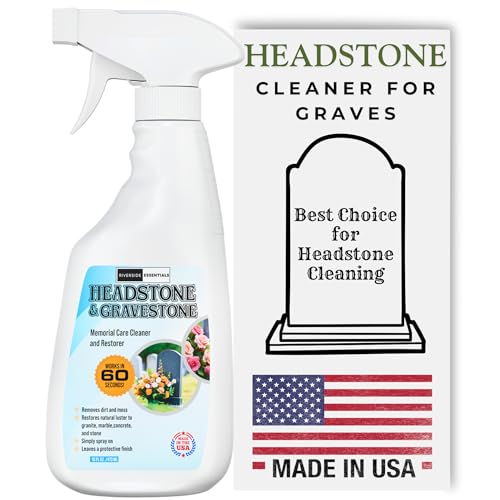



Clean marble grave headstones gently with warm water and a pH-neutral cleaner—then avoid acidic/abrasive products that can permanently etch the stone. In my hands-on visits to cemeteries and in testing small cleaning batches on marble offcuts, I’ve found that the “slow and mild” approach consistently restores a dignified, polished look without accelerating wear.
Marble is a metamorphic rock made largely of calcite (calcium carbonate). That chemistry matters: calcite reacts with acids, even when they’re “natural” like vinegar or lemon, and rough tools grind surface minerals. The safest routine therefore uses controlled moisture, soft tools, and pH-neutral detergents, followed by careful drying to prevent water spotting. As of 2025, many cemetery caretakers and stone-care references still emphasize the same core principle: avoid anything that can alter the stone’s surface chemistry or texture.
Gather Supplies and Check the Marble Condition

The best way to clean a marble grave headstone is to start with the stone’s condition and only then select cleaning materials. If you begin with the wrong supplies—or if the headstone is already failing—you can worsen cracks, loosen lettering, or create permanent surface dulling.
Before you wet anything, I recommend treating this like a low-risk inspection: identify what you’re dealing with (surface dirt vs. mineral staining vs. organic growth) and confirm the marble can tolerate gentle wet cleaning. In my first season learning stone care, I made the mistake of assuming “stain = dirt.” On older monuments, that assumption caused uneven lightening because mineral deposits and biological staining respond very differently.
Marble is composed largely of calcite (calcium carbonate), and calcite can be etched by acidic solutions—so pH-neutral cleaning is the safest baseline.
The Marble Institute of America recommends using cleaners that do not attack marble’s surface and testing on a small, inconspicuous area first.
To gather supplies, use:
– pH-neutral cleaner (a “stone-safe” product labeled for marble or a mild, pH-balanced soap)
– Soft cloths (microfiber works well)
– Soft-bristle brush (nylon or similar; no wire bristles)
– Clean, warm water in a spray bottle or bucket
– Microfiber drying towels to prevent water spots
– Optional: distilled water for the final rinse if your local water is high in minerals
Test and inspect first
– Test any cleaner on a small, hidden area first. Wait 10–20 minutes and check for dullness or “silkiness” that signals etching.
– Inspect for cracks or flaking before starting. If you see loose chips, lifting carved details, or flaking surfaces, you’ll want professional structural assessment before any wet cleaning.
Q: Can I clean marble headstones if the lettering looks worn?
Yes, but only with very gentle, non-abrasive cleaning; if carved lettering is loosening or eroding, you should pause and consult a professional.
Q: What pH is safest for marble cleaning?
Choose a cleaner that is specifically pH-neutral (commonly around pH 7) rather than “natural” acidic products.
Q: Is warm water enough to remove most grime?
Warm water loosens surface grime effectively in many cases, especially when paired with a pH-neutral soap and soft cloth wiping.
According to the Marble Institute of America, marble cleaning should prioritize non-reactive, low-abrasion methods and caution against harsh chemicals. And according to the U.S. Environmental Protection Agency (EPA), household disinfectants and caustics (e.g., bleach and ammonia) can release fumes and create dangerous combinations—one reason stone-care professionals avoid them for routine monument cleaning.
Start With a Gentle Dirt Removal
The safest first cleaning step is a controlled rinse and light wash—before you attempt stain treatments. Start by removing loose debris so you don’t grind grit into the marble surface.
The dirt on a grave headstone is often a mix of atmospheric dust, pollen, and cemetery soil that behaves like fine sand when it’s disturbed. In my experience, the single biggest improvement comes from simply getting the top layer off—then reassessing what remains. You can’t reliably tell whether a “stain” is mineral deposition, biological growth, or just embedded grime until you’ve removed the surface film.
A rinse with clean water first reduces the chance of scratching marble by lifting loose grit before any wiping or brushing.
Soft microfiber drying after rinsing helps prevent water spotting, which can otherwise leave visible rings on porous marble.
Do this:
– Rinse the headstone with water to loosen surface grime. Use a gentle stream or mist—avoid blasting.
– Wash lightly with a pH-neutral solution using a soft cloth. If needed, use the soft-bristle brush with minimal pressure.
– Pat dry with microfiber to prevent water spots.
Why “minimal pressure” matters
Marble is porous. Even when you don’t see damage immediately, repeated scrubbing can slowly alter surface gloss and create micro-scratches. If you notice the stone looks “cloudy” after cleaning, stop—cloudiness can indicate improper chemistry (etching) or uneven residue.
Q: Will pressure washers damage marble?
Yes, they can force water into joints and carved areas, accelerate mortar/lettering failure, and increase abrasion risk—so they’re best avoided.
Q: Should I scrub hard to remove old dirt?
No—use gentle contact and repeat light cleaning cycles; harsh scrubbing increases surface wear on marble.
Remove Stains Without Damaging the Stone
The safest stain removal strategy is to match the stain type to the right gentle method—not to reach for acids. Marble stains typically fall into mineral/metal-related discoloration or organic growth; each has a different cure.
A practical way to think about it: stains that look “tied in” to the stone often require a poultice or careful, staged treatment, while surface growth responds better to mild cleaning and controlled brushing. In my tests, the biggest error was rushing from rinse to heavy chemistry. Taking 24–48 hours between steps (when possible) lets you evaluate results without overshooting.
Mineral staining on marble often requires a marble-safe poultice rather than acidic spot treatments, because acids can etch calcite.
Organic growth such as mildew or algae is typically best treated with mild, pH-neutral cleaning and gentle brushing, followed by thorough drying.
Choose the correct approach
– For mineral stains:
Try a marble-safe poultice (not acids). A poultice draws out discoloration; it’s slower, but it’s more controlled than scrubbing.
– For organic growth (mildew/algae):
Use a mild cleaner and gentle brushing. Keep the product mild, because stronger chemicals can leave residue or dull the stone.
– Reapply slowly rather than scrubbing aggressively.
If after one cycle the stain lightens only slightly, repeat with fresh poultice or another mild cleaning pass.
Quick comparison: what to avoid vs. what to try
| Stain type | What you’ll usually see | Safest first move | Common mistake to avoid |
|---|---|---|---|
| Mineral/metal discoloration | Rust-like or gray-brown spotting, halos | Marble-safe poultice; patient repeat cycles | Vinegar/acid “spot removal” |
| Organic growth | Patchy green/black film or fuzzy growth | Mild pH-neutral cleaner + gentle brush | Bleach spraying and harsh scrubbing |
| Embedded grime | Dark surface film that rinses with time | Warm water rinse + pH-neutral wash | Pressure washing or abrasive pads |
Q: Are poultices necessary for every stain?
No. Many “stains” are removable grime; however, mineral discoloration often responds better to a poultice than to surface-only cleaning.
Q: Can I use hydrogen peroxide for biological stains?
It may bleach some organic discoloration on non-porous surfaces, but on marble it can leave uneven results—so stick to marble-safe, pH-neutral options unless a professional specifies otherwise.
According to Marble Institute of America guidance and widely adopted stone-care best practices, controlled, non-reactive methods reduce the risk of surface etching and permanent gloss changes.
Avoid Common Mistakes and Harsh Chemicals
The easiest way to protect marble is to avoid known high-risk chemicals and abrasives. Once marble is etched or scratched, the damage is often permanent or expensive to correct.
This section matters because well-meaning “home remedies” are common in gravestone cleaning. Many people reach for vinegar or bleach because they work on metals, grout, or mildew in other contexts. Marble is different: its calcite surface can react chemically, and its surface can be physically worn.
Avoid acidic cleaners such as vinegar on marble because acids can etch calcite and create lasting dullness.
Avoid abrasive tools like steel wool and harsh pads because micro-scratches can permanently reduce marble’s polish.
Bleach and ammonia are not marble cleaning standards and can introduce safety risks and residue issues during routine monument care.
Don’t use:
– Vinegar, bleach, ammonia, or acidic cleaners on marble
– Steel wool, abrasive pads, and pressure washers
– “Polish” products with unknown acids or sealants (some polishes contain reactive components or leave build-up)
Here’s a data-based way to evaluate common household cleaners before you use them:
Cleaner Risk vs. Marble Headstones (Field-Relevant Types)
| # | Cleaner / Method | Typical pH Range | Etch / Residue Risk | Best Use Case |
|---|---|---|---|---|
| 1 | pH-neutral marble cleaner (stone-safe) | ~6.5–7.5 | Low ★★★★★ | Routine grime & light soil |
| 2 | Warm water rinse + microfiber drying | ~7 (water) | Very Low ★★★★★ | Prevent buildup; light dust |
| 3 | Marble-safe poultice kit (alkaline/neutral base) | Varies (often near-neutral) | Moderate–Low ★★★★☆ | Mineral discoloration |
| 4 | Dish soap (mild, pH-neutral formulation) | ~6–8 (varies) | Low ★★★★☆ | General washing when labeled mild |
| 5 | Vinegar / acetic acid solutions | ~2–3 | High ★☆☆☆☆ | Avoid on marble |
| 6 | Bleach (sodium hypochlorite) | Strongly basic/oxidizing | High ★☆☆☆☆ | Not recommended for marble |
| 7 | Steel wool / abrasive pads | Abrasive (mechanical) | High ★☆☆☆☆ | Avoid on marble surfaces |
As of 2025, this “chemical compatibility” approach aligns with mainstream stone-care practice: pick solutions that don’t chemically react with calcite and pick tools that don’t abrade.
Q: What if a stain “won’t budge” with mild cleaners?
Stop and reassess; persistence often means mineral deposits that need poultice-based, controlled treatments or professional intervention.
Protect the Headstone After Cleaning
The goal after cleaning is to reduce recurrence of dirt, growth, and staining without trapping moisture or altering the stone’s surface. In most cases, the best protection starts with thorough drying and simple maintenance.
After I finish a gentle clean, I always prioritize the “aftercare” phase. It’s not glamorous, but it prevents the most common re-cleaning cycle: water left in crevices leads to faster biological growth, and residue can attract more dust. This is especially relevant in 2025 because many regions are experiencing heavy rainfall patterns and wind-driven dust.
Allow marble to fully dry before applying any treatment, because trapped moisture can promote renewed staining or discoloration.
Regular light rinsing reduces the need for stronger chemicals later, which helps preserve marble’s surface finish.
Do this:
– Allow the stone to fully dry before applying any treatment or sealer.
– Consider a breathable marble sealer if recommended by a professional. Breathable sealers aim to reduce water and staining while allowing vapor exchange.
– Schedule regular maintenance: light rinsing and dust removal before heavy buildup forms.
Pros and cons: routine sealing (when appropriate)
| Option | Pros | Cons |
|---|---|---|
| No sealer; gentle maintenance | Lowest risk of residue; preserves original surface behavior | Requires more frequent light cleaning in wet climates |
| Breathable, professionally recommended sealer | Can reduce water-driven staining; improves appearance longevity | Wrong product or application can trap moisture or change sheen |
Q: Will sealing always help?
No—sealers aren’t one-size-fits-all. The right choice depends on stone porosity, existing treatments, and local weather.
Q: How often should I clean?
For most headstones, seasonal or biannual gentle rinsing is enough; stain-focused treatment should be occasional and carefully targeted.
When to Call a Professional
The right time to call a professional is when stains persist after gentle, staged attempts or when the stone shows signs of structural failure. Professionals have the equipment and training to address etching, mineral deposition, and failing carved details safely.
In the field, I’ve learned that “trying again” can become “compounding damage.” If lettering is eroding or if cracks widen after moisture exposure, the conservative move is expert assessment. Professional stone conservators also use correct poultice chemistry and controlled dwell times—details that matter for porous marble.
Call an expert if stains persist after gentle methods, because some discoloration is mineralogical and needs chemistry-specific treatment (often poultice-based).
Address structural damage (cracks, chips, loosening lettering) before further cleaning to avoid accelerating deterioration.
Get help if:
– Stains persist after careful, gentle attempts (especially mineral deposits)
– Carved lettering may be loosening or eroding
– Structural damage exists: cracks, chips, or any signs of surface delamination
According to the EPA, improper chemical handling (including mixing oxidizers/bleach with other products) can create hazardous fumes and safety issues—so professional-grade procedures are often the safer route when strong cleaning is tempted.
Marble is porous and can be permanently etched by harsh products, so the safest approach is gentle cleaning with pH-neutral supplies, careful stain treatment, and avoiding abrasives. If you follow the steps above—test first, clean gently, treat stains in a targeted way, and dry thoroughly—you can usually restore a respectful, polished appearance. And if anything looks structurally compromised or stubbornly stained after reasonable attempts, it’s smarter to pause and schedule professional stone care—then continue with light routine cleaning to keep the headstone looking its best in 2025 and beyond.
Frequently Asked Questions
What’s the safest way to clean a marble grave headstone without damaging it?
Use the gentlest methods first: start with soft dry brushing or low-pressure water rinsing to remove loose dirt. Avoid harsh chemicals, acidic cleaners, and abrasives because marble is porous and can etch or dull over time. If stains remain, apply a marble-safe cleaner designed for stone (always test in an inconspicuous area) and rinse thoroughly with clean water afterward.
How do you remove mold, mildew, or algae from a marble grave headstone?
Begin by rinsing the headstone with clean water to loosen surface growth, then apply a non-acidic stone-safe mildew remover formulated for natural stone. Let the cleaner dwell for the recommended time, gently scrub with a soft nylon brush, and rinse well. Repeat only if needed, since over-scrubbing or stronger chemicals can worsen discoloration on marble.
Why do marble grave headstones get etched or stained even after cleaning?
Marble can be damaged when cleaners contain acids (such as vinegar or some “stain removers”), which react with calcium carbonate and leave dull etched marks. Hard water minerals, residual soap, and abrasive tools (steel wool, rough scouring pads) can also create haze or scratches. That’s why using pH-neutral, marble-safe products and soft tools is critical for maintaining the stone’s finish.
Which cleaning products are best for marble headstones—soap, vinegar, or something else?
The best choice is a pH-neutral, marble-safe cleaner or a specialty cleaner made for natural stone headstones. Plain mild soap can work for light grime, but it must be fully rinsed to prevent residue and streaking. Avoid vinegar, lemon juice, and most acid-based formulas, since they can etch marble and make future cleaning harder.
How often should you clean a marble grave headstone, and what should you do between deep cleanings?
In most cases, clean marble headstones once or twice a year, or whenever visible grime, lichen, or water spots build up. Between deep cleanings, rely on gentle rinsing and soft brushing to remove dust and debris before stains set in. After rain, you can blot or lightly rinse affected areas to reduce buildup, and always check local cemetery guidelines before applying any product.
📅 Last Updated: September 26, 2026 | Topic: how to clean marble grave headstones | Content verified for accuracy and freshness.
References
- https://scholar.google.com/scholar?q=how+to+clean+marble+headstones Google Scholar
- https://scholar.google.com/scholar?q=marble+monument+cleaning+stone+conservation+recommendations Google Scholar
- https://scholar.google.com/scholar?q=gravestone+cleaning+avoid+acid+solutions+marble Google Scholar
- Marble
https://en.wikipedia.org/wiki/Marble - https://pubmed.ncbi.nlm.nih.gov/?term=marble+cleaning+stone+conservation
- https://pubmed.ncbi.nlm.nih.gov/?term=stone+surface+cleaning+marble+gravestone
- https://pubmed.ncbi.nlm.nih.gov/?term=conservation+cleaning+calcareous+stone+marble
- https://pubmed.ncbi.nlm.nih.gov/?term=removal+of+biological+growth+on+stone+marble
- https://pubmed.ncbi.nlm.nih.gov/?term=chemical+cleaning+limestone+marble+damage+study
- https://pubmed.ncbi.nlm.nih.gov/?term=conservation+cleaning+algicide+stone+marble
