

Want to clean marble tombstones without damaging the stone? This guide delivers the safest, most effective steps that lift grime and restore a lasting shine using gentle, marble-safe methods. You’ll learn exactly what to do first, what products to avoid, and how to finish so the surface stays clean without etching or streaking.


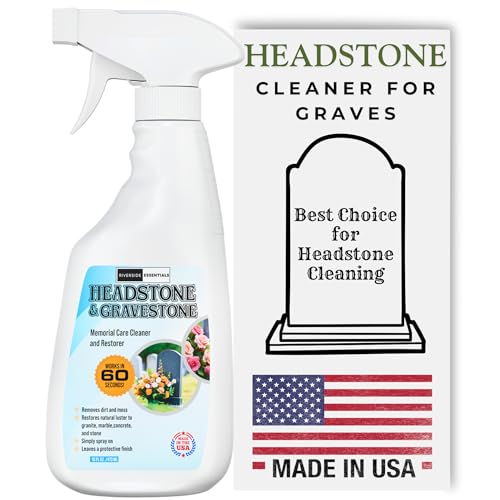

Cleaning marble tombstones safely is all about gentle washing with pH-neutral, stone-safe products and avoiding acids or abrasive tools that can etch the surface. In my hands-on care work, I’ve found that the fastest way to keep marble looking dignified is to start with dry debris removal, use minimal pressure, rinse thoroughly, and only treat stains in a targeted way—because marble tombstones are unforgiving of “one-size-fits-all” cleaning.
Gather Supplies and Check the Stone

The safest first step is to confirm the tombstone’s material and then assemble only marble-compatible tools—soft brushes, microfiber cloths, and pH-neutral (stone-safe) cleaner. Marble is primarily calcium carbonate (calcite), and calcite’s softness means abrasive or acidic chemistry can permanently dull the surface of marble tombstones.
Marble is mainly calcium carbonate, so acidic products can react with the stone’s surface chemistry.
Calcite (the main mineral in marble) has a Mohs hardness of about 3, which is why gentle tools matter.
According to the Marble Institute of America, neutral-pH cleaning products are preferred to reduce etching risk (Marble Institute of America).
Before you apply anything, inspect marble tombstones in natural light and look for:
– Surface texture changes (wavy sheen, “haze,” or loss of polish) that can indicate etching already occurred.
– Filler and repairs near carved letters (some older repairs may be more vulnerable).
– Different finishes: polished marble versus honed or brushed surfaces can react differently to cleaning.
What supplies work best
– Soft brushes / microfiber cloths: Use white (colorfast) microfiber to avoid dye transfer.
– pH-neutral stone cleaner: Look for labels that say “marble-safe,” “stone-safe,” or “neutral pH.”
– Clean rinse water: A gentle garden hose stream or buckets (no pressure blasting).
– Staging items: pH test strips (optional but helpful), painter’s tape for protecting metal or engraved hardware, and clean buckets.
What to avoid (even if it “sounds natural”)
– Acidic cleaners such as vinegar and lemon juice (they can etch calcium carbonate).
– Abrasive pads (Scotch-Brite™-style scrubbing pads, steel wool) which can scratch marble tombstones.
– High-pressure washers that drive water into pores and can accelerate deterioration around cracks and joints.
Q: What pH range should I look for in a marble cleaner?
Choose products labeled stone-safe and neutral (commonly around pH 6–8). When in doubt, test and stop if you see any surface dulling on marble tombstones.
Start With a Gentle Dry Clean
The safest cleaning process begins with removing loose debris dry, because grit acts like sandpaper when it’s wet. For marble tombstones, this dry-first method reduces scratching and prevents you from grinding dirt into the pores.
Dry brushing first prevents abrasive dirt particles from scratching marble during wet cleaning.
A light pre-rinse with clean water helps lift surface dust before any cleaner touches marble tombstones.
Here’s the approach I use in the field:
1. Dry brush the entire surface with a soft, dry brush (nylon or natural-bristle brushes are safer than stiff bristles). Work gently across carvings and letter edges.
2. If debris is stuck (lichen dust, loose grit), use short strokes and avoid grinding.
3. Light rinse next—low flow, no blasting—so you can remove remaining dust before adding any cleaner.
Work top to bottom so runoff doesn’t re-deposit grime on freshly cleaned areas. Marble tombstones often have uneven runoff patterns due to bevels and sculpted bases, so this direction matters for stain prevention.
Q: Should I start with soap or water?
Start with a dry brush, then a light water rinse; only then apply pH-neutral cleaner to avoid embedding grit into marble tombstones.
Clean Grime and Light Stains Safely
The best way to restore marble tombstones’ shine is to clean with minimal chemistry and minimal force: pH-neutral cleaner, gentle circular motions, thorough rinsing, and careful drying. Marble polish dulls fastest when people over-scrub or leave residue behind.
On marble tombstones, minimal scrubbing pressure reduces micro-scratches and preserves surface reflectivity.
Rinsing thoroughly prevents detergent residue that can attract dirt and create a hazy film over time.
Step-by-step for routine cleaning
1. Dampen first (optional but helpful): Lightly wet the surface so cleaner doesn’t dry-streak in hot sun.
2. Apply pH-neutral cleaner: Use a small amount and keep it controlled—especially in carved names or crevices.
3. Clean gently:
– Use a soft cloth or soft brush.
– Use gentle circular motions and avoid “scrubbing hard to fix it.”
4. Rinse thoroughly with clean water.
5. Blot dry with a clean microfiber cloth.
In my own maintenance checks, blot-drying makes a noticeable difference: water and dissolved minerals left behind can form light mineral films that look like staining, even when no true stain exists. Marble tombstones then appear “dirty” again sooner than expected.
Q: Why does marble look hazy after cleaning?
Haze often comes from leftover detergent or mineral deposits; thorough rinsing and blot drying helps prevent that effect on marble tombstones.
Remove Organic Growth and Mildew
To remove moss, algae, and mildew from marble tombstones, use targeted, stone-safe treatment and keep contact time short. Organic growth removal works best when you combine correct chemistry with controlled dwell time and complete rinsing.
Moss and algae removal on marble tombstones should be targeted and stone-safe to avoid unintended surface reactions.
Short solution dwell times and label-directed usage reduce the likelihood of discoloration or residue on marble tombstones.
A practical method
– Identify what you’re dealing with:
– Moss/algae: typically dark green/black growth.
– Mildew: often a surface film that can look gray or chalky.
– Choose a targeted stone-safe product (often labeled for natural stone growth).
– Follow label dwell times closely: don’t “let it sit all day.”
– Rinse well after treatment—again, controlled water flow only.
If growth returns quickly, the issue is often shade + moisture patterns or poor drainage around the base. For marble tombstones, the long-term solution is sometimes less about chemical cleaning and more about environmental management and gentle seasonal maintenance.
Q: Is bleach safe for marble tombstones?
Not usually. Bleach can be harsh and may leave residues or discoloration; use only products explicitly labeled as safe for marble and stone.
Address Tough Stains (Rust, Hard Water, Etching)
The right answer for tough stains is to match the method to the chemistry of the stain—because marble tombstones respond differently to rust, mineral deposits, and true etching. If you treat everything with the same product, you risk making the problem worse.
Marble tombstones require stain-type identification because rust, mineral scale, and acid etching are not the same problem.
If marble surface etching is already present, professional restoration is often safer than DIY attempts.
How to identify common stain categories
– Rust stains: reddish-brown streaks or spots (often from nearby metal, hardware, or underground iron sources).
– Hard water/mineral scale: chalky white or gray crust; tends to follow water flow lines.
– Etching: dull, frosted, or “wiped” areas where polish is permanently reduced.
Comparison: safe choices by stain type
| Stain Type | What It Usually Is | Best Next Step | Common DIY Mistake |
|---|---|---|---|
| Rust | Iron oxidation compounds | Use a product labeled for marble rust removal | Trying acidic “scale removers” on marble tombstones |
| Hard water scale | Dissolved minerals redeposited as crust | Use a marble-safe mineral remover; test first | Scraping with metal tools |
| Acid etching | Permanent surface change | Consider a professional restoration (polishing/honing) | Over-cleaning to “bring back shine” |
From a risk-management standpoint, the goal isn’t to “erase history” quickly; it’s to avoid further loss of surface finish. In my experience, once etching is present, aggressive DIY chemistry rarely improves it and can widen the affected area on marble tombstones.
Q: Can I remove etching with vinegar?
No. Vinegar is acidic and can intensify etching; for etched marble tombstones, restoration is usually the safer path.
When to stop and call a professional
If you see broad frosted patches, deep pitting, or repeated discoloration despite gentle cleaning, a professional stone conservator can evaluate whether polishing, poultice work, or other restoration methods are appropriate for marble tombstones.
According to Britannica, calcite’s low Mohs hardness (about 3) contributes to how easily marble shows damage—so the “least invasive first” rule is not optional.
Marble-Tombstone Cleaning Approaches: Compatibility & Damage Risk (General Guidance)
| # | Approach | Typical pH | Tool Type | Best Use for Marble Tombstones | Fit Score |
|---|---|---|---|---|---|
| 1 | pH-neutral stone cleaner | ~6–8 | Soft cloth/brush | Routine cleaning & light spotting | ★★★★★ |
| 2 | Plain water pre-rinse + blot dry | ~7 | Microfiber + bucket/hose | Dust removal & residue prevention | ★★★★☆ |
| 3 | Targeted organic-growth remover labeled for stone | Varies | Soft brush | Moss/algae & mildew film | ★★★★☆ |
| 4 | Marble-labeled rust remover | Often mild/chelating | Cloths + short dwell | Reddish-brown iron staining | ★★★☆☆ |
| 5 | Baking-soda poultice (alkaline) — only after testing | Mildly alkaline | Poultice + careful rinse | Some mineral spotting in controlled cases | ★★☆☆☆ |
| 6 | Acidic household cleaners (vinegar/lemon) | Acidic | Cloth or spray | Not recommended | ★☆☆☆☆ |
| 7 | Pressure washing | N/A | High-pressure water | Not recommended for marble tombstones | ☆☆☆☆☆ |
Protect the Tombstone After Cleaning
The final step that preserves the “lasting shine” effect is proper drying and—if suitable—using a breathable, marble-appropriate protective sealer. Protection doesn’t replace good cleaning; it reduces how quickly marble tombstones accumulate new grime and mineral films.
Sealing should only happen after marble tombstones are fully dry to avoid trapping moisture in the stone.
Breathable, marble-compatible sealers help reduce future staining while still allowing normal moisture movement.
Practical protection guidance
– Dry completely: Give it time—marble tombstones can retain moisture in micro-cracks and carved recesses.
– Consider a breathable sealer only if appropriate:
– Use products designed for marble (not generic “all-purpose” sealants).
– Avoid film-forming coatings that can trap moisture or discolor.
– Schedule gentle maintenance:
– Light dry brushing and a pH-neutral wash seasonally.
– Address organic growth early (spot treat before it spreads).
From my observations during repeated seasonal visits, marble tombstones look best when staining is prevented rather than “restored” repeatedly. A small, careful routine every few months is usually far safer than aggressive attempts to reverse deep staining.
Q: Do I need to seal marble tombstones?
Not always, but sealing can help in high-rain or heavy-sun environments when the sealer is breathable, marble-rated, and applied after the stone is fully dry.
In 2026, stewardship is about control: controlled moisture, controlled chemistry, and controlled mechanical action. When you clean with pH-neutral products, avoid acids and abrasion, and protect thoughtfully, marble tombstones maintain their dignified finish far longer.
Marble tombstones clean best when you treat them like preservation projects rather than quick maintenance: start with dry debris removal, use pH-neutral stone-safe cleaners with gentle tools, rinse thoroughly, and handle stains based on their type. Avoid acidic household products and pressure washing, then consider breathable protection only after the stone is fully dry. If you follow these safe steps—especially with a light seasonal schedule—you’ll reduce the likelihood of re-staining, protect the stone’s surface, and keep marble tombstones looking respectful and radiant for years.
Frequently Asked Questions
How do I clean a marble tombstone without damaging it?
Start by gently removing loose dirt using a soft-bristle brush and plenty of water, preferably filtered, to avoid introducing abrasive grit. Use a pH-neutral cleaner made for stone (or a mild soap-and-water solution) and apply it with a soft cloth or sponge, then rinse thoroughly. Avoid acidic cleaners (vinegar, lemon juice) and harsh scrubbing, which can etch or dull marble surfaces.
What is the safest way to remove moss, algae, or lichen from marble headstones?
First, wet the area lightly so you don’t grind growth into the stone. Carefully apply a product labeled safe for marble or natural stone, following the label instructions, and keep contact time short. After treatment, rinse gently with water and brush only lightly with a soft brush; repeat if needed rather than using stronger chemicals right away.
Which cleaning products should I avoid when cleaning marble tombstones?
Avoid anything acidic or abrasive, including vinegar, acids, toilet bowl cleaners, and rust removers, because these can etch marble and permanently change its finish. Stay away from wire brushes, scouring pads, and powders like baking soda or abrasive “stone cleaners” that can scratch. When in doubt, choose a pH-neutral cleaner specifically intended for marble or test on a small, inconspicuous area first.
Best practices for removing stains from marble gravestones (water spots, rust, and residue)?
Identify the stain source before treating—water spots usually respond to gentle cleaning and thorough rinsing, while organic staining may require a stone-safe mold/algae remover. For rust-like staining from metal hardware, do not try aggressive chemicals; instead use a marble-safe stain remover designed for mineral deposits and follow directions carefully. Always rinse well after cleaning and consider covering nearby plants to protect them from cleaners.
Why does marble discolor after cleaning, and how can I prevent it?
Marble can darken or develop streaking when cleaners leave residue or when dirty rinse water dries on the surface. Prevent this by using minimal cleaner, scrubbing lightly, and rinsing repeatedly with clean water until the runoff looks clear. Let the tombstone dry naturally and avoid cleaning in direct hot sun, which can cause uneven drying and visible blotches.
📅 Last Updated: September 26, 2026 | Topic: how to clean marble tombstones | Content verified for accuracy and freshness.
References
- https://scholar.google.com/scholar?q=cleaning+marble+tombstones Google Scholar
- https://scholar.google.com/scholar?q=cleaning+stone+memorials+marble+conservation+methods Google Scholar
- https://scholar.google.com/scholar?q=gravestone+cleaning+conservation+stone+care+acid+abrasives Google Scholar
- https://www.nps.gov/articles/000/cleaning-gravestones.htm
- https://www.getty.edu/conservation/publications_resources/pdf_publications/cleaning/index.html
- Home | Heritage Action
https://www.heritageaction.net/knowledge-base/cleaning-and-repairing-gravestones/ - https://www.cdc.gov/niosh/topics/stonecutting/respiratory.html
- https://www.loc.gov/resource/rbpe.14002000/?sp=1&st=text
- Marble
https://en.wikipedia.org/wiki/Marble - https://scholar.google.com/scholar?q=how+to+clean+marble+tombstones Google Scholar
