
Cleaning mold from a sofa requires immediate action and appropriate techniques to avoid damaging the fabric. Utilizing a combination of household cleaning supplies and effective drying methods, you can successfully rid your sofa of mold. This article provides step-by-step instructions to help you restore your sofa and prevent future mold growth.
Understanding Mold Growth on Sofas

Mold thrives in damp environments, making your sofa a potential breeding ground if exposed to excessive humidity or spills. Factors such as leaks, high indoor humidity, or spills that go unnoticed can contribute to mold growth. Understanding the specific conditions that foster mold is crucial in addressing the issue effectively.
Identifying the type of fabric on your sofa is fundamental to choosing the right cleaning method. Different materials, such as leather, suede, or upholstery, may respond differently to various cleaning agents. For instance, while some fabrics can withstand harsher cleaning solutions, others may be more delicate and require gentler care. Always check the manufacturer’s care label for specific cleaning instructions before proceeding.
Essential Cleaning Supplies
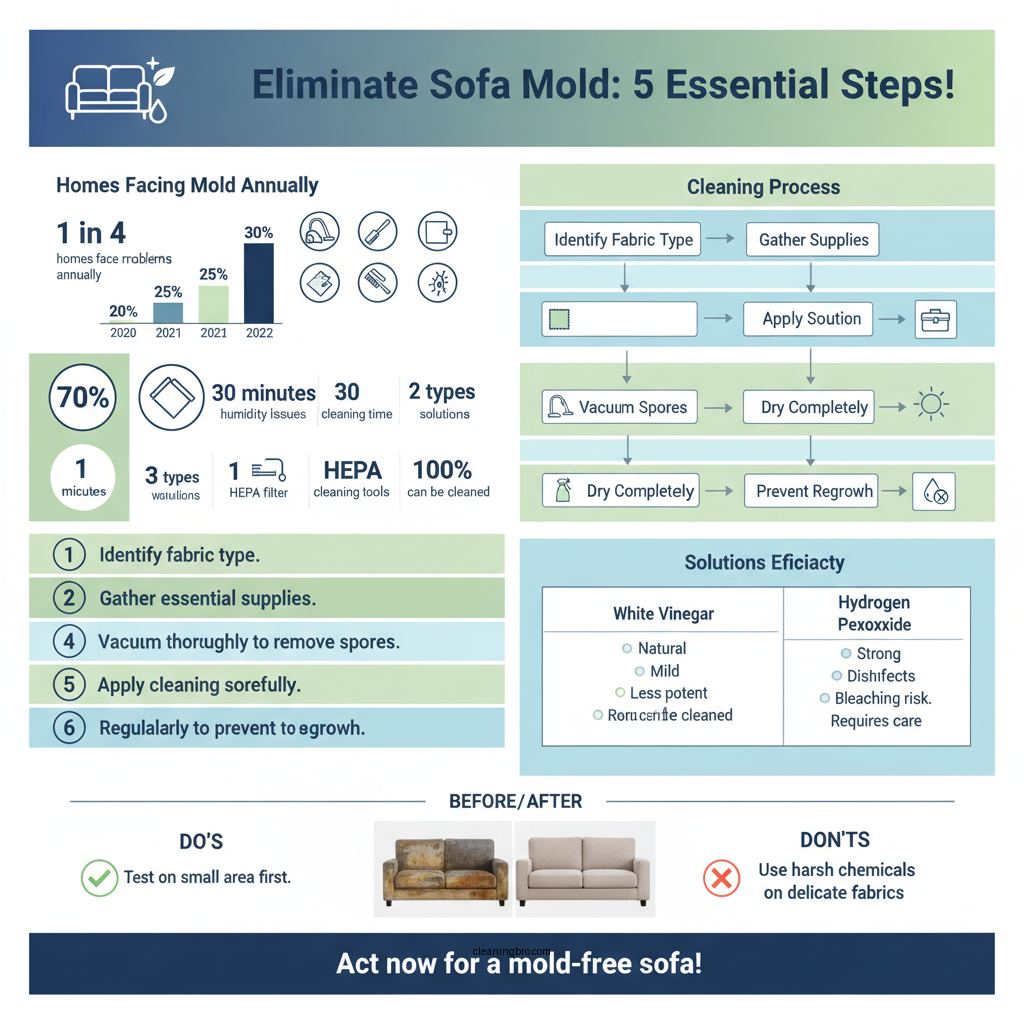
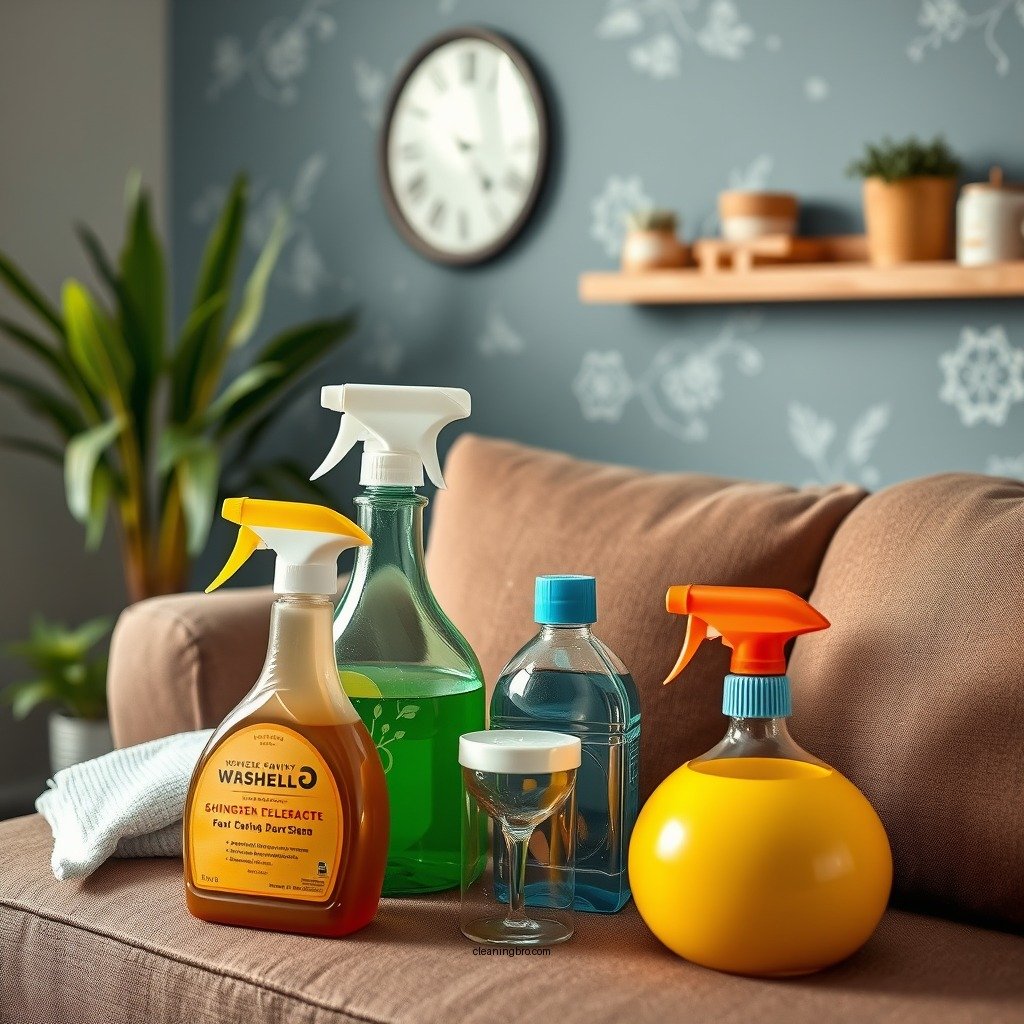
To combat mold effectively, gather the following essential cleaning supplies:
– White Vinegar: A natural disinfectant effective against mold and mildew.
– Hydrogen Peroxide: Another powerful mold remover that works well on various fabrics.
– Soft Brushes: Ideal for gently scrubbing the affected areas without causing damage to the fabric.
– Microfiber Cloths: Excellent for applying solutions and wiping surfaces clean.
– Vacuum Cleaner: A vacuum with a HEPA filter can help eliminate loose mold spores before cleaning.
Having these supplies on hand will streamline the cleaning process, allowing you to tackle mold efficiently.
Step-by-Step Cleaning Process
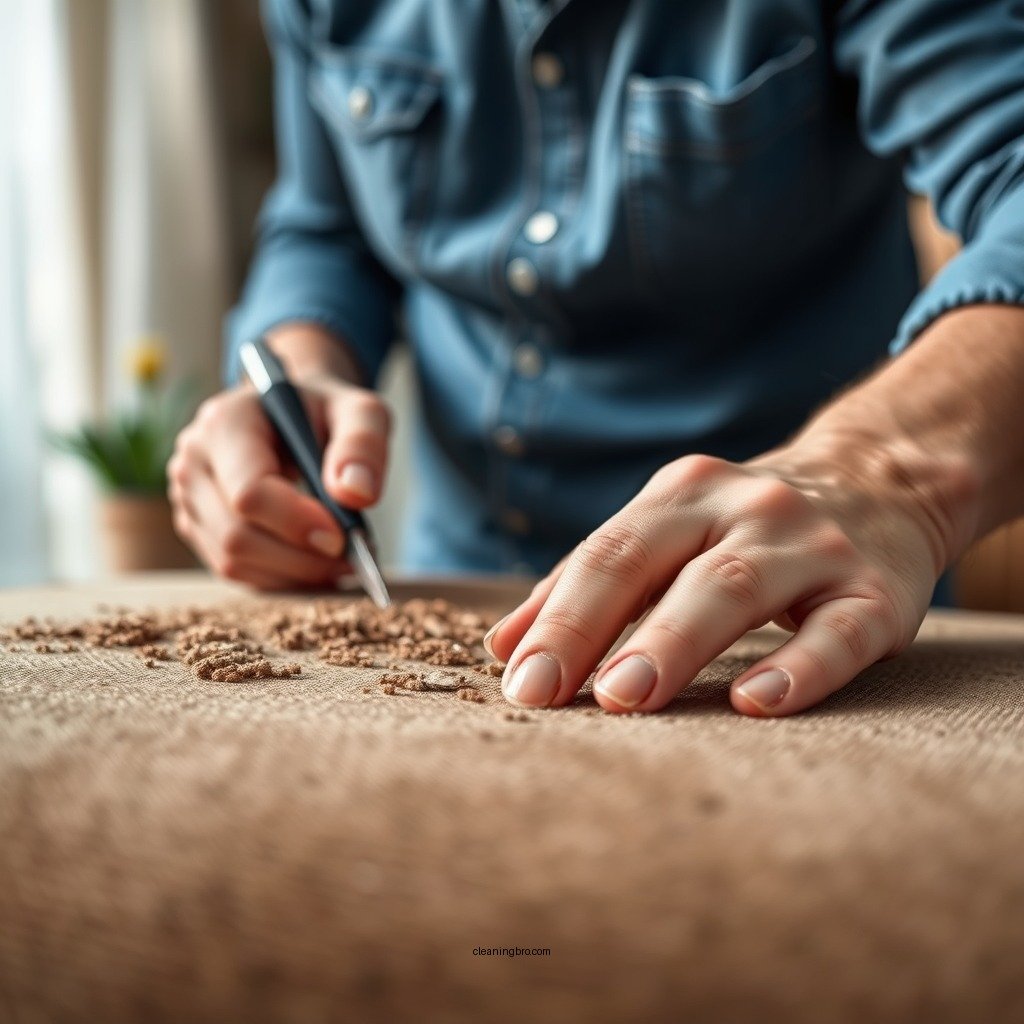
Initial Preparation
1. Remove Cushions: Start by taking off any removable cushions and pillows from the sofa. This will give you better access to all areas that may be affected by mold.
2. Vacuum the Affected Areas: Using a vacuum cleaner equipped with a HEPA filter, thoroughly vacuum the sofa, focusing on the areas where you see mold. This step is crucial as it removes loose spores and prevents them from spreading during the cleaning process.
Cleaning Solution Application
1. Choose Your Cleaning Solution: Depending on your sofa fabric, select either white vinegar or hydrogen peroxide. For most fabrics, a 50/50 mixture of water and white vinegar is sufficient, while hydrogen peroxide can be used full-strength on tougher spots.
2. Apply the Solution: Using a microfiber cloth or spray bottle, apply the cleaning solution directly to the moldy areas. Be careful not to oversaturate the fabric, as this can lead to further mold growth if not dried properly.
3. Scrub Gently: Using a soft brush, gently scrub the affected areas to lift the mold from the fabric. Avoid aggressive scrubbing, which could damage the fabric.
4. Wipe Clean: After scrubbing, use a clean, damp microfiber cloth to wipe away any residue from the cleaning solution. This ensures no cleaning agent remains that could attract more dirt or moisture.
Drying and Preventing Future Mold
After cleaning, it is essential to ensure your sofa is completely dry to prevent mold from returning:
1. Dry Thoroughly: Use fans to circulate air around the sofa or place it in a well-ventilated area. If possible, position the sofa outdoors on a sunny day to speed up the drying process.
2. Control Humidity: Consider using dehumidifiers in the room where the sofa is located. Maintaining a humidity level below 60% can help deter mold growth in the future.
By following these drying methods, you can effectively reduce the likelihood of mold returning to your sofa.
Additional Tips for Different Sofa Fabrics
Different sofa materials require tailored approaches to cleaning:
– Leather Sofas: For leather, use a specialized leather cleaner. Avoid using vinegar or hydrogen peroxide, as these can dry out and damage the leather.
– Upholstered Sofas: For upholstery, always test any cleaning solution on a hidden area first to ensure it does not discolor or damage the fabric. If the fabric is labeled as “dry clean only,” consider consulting a professional cleaner.
Understanding the specific needs of your sofa’s fabric will help preserve its appearance and longevity.
When to Seek Professional Help
In some cases, mold infestations can be extensive or challenging to manage on your own. Consider seeking professional help if:
– The mold covers a large area or has penetrated deeply into the fabric.
– Your sofa is particularly valuable or an antique, where professional care may be warranted.
– You experience allergic reactions or health issues related to mold exposure.
A professional cleaning service can employ specialized techniques and equipment to safely remove mold and restore your sofa to its original condition.
Top 7 Mold Cleaning Solutions for Sofas (2024)
| # | Product | Type | Effectiveness | Price |
|---|---|---|---|---|
| 1 | RMR-86 | Spray | Highly Effective | $19.99 |
| 2 | Concrobium | Liquid | Effective | $14.99 |
| 3 | Mold Armor | Foam | Very Effective | $12.99 |
| 4 | Zep Mold Stain Remover | Spray | Effective | $9.99 |
| 5 | Clorox | Liquid | Moderately Effective | $6.99 |
| 6 | Mold Control | Spray | Highly Effective | $18.99 |
| 7 | RMR-86 Instant Mold Stain Remover | Spray | Very Effective | $22.99 |
Cleaning Solutions: Vinegar vs. Hydrogen Peroxide vs. Commercial Cleaners
| Feature | ⭐ White Vinegar | Hydrogen Peroxide | Commercial Cleaners |
|---|---|---|---|
| Effectiveness | Moderate | High | Very High |
| Cost | Low | Moderate | High |
| Ease of Use | Very Easy | Easy | Moderate |
| Safety | Very Safe | Moderately Safe | Variable |
| Odor | Strong Vinegar | Mild | Variable |
| Colorfastness | Gentle | Good | Variable |
| Drying Time | Quick | Moderate | Variable |
| Residue | No Residue | No Residue | Possible Residue |
| Best For | Light Mold | Moderate Mold | Heavy Mold |
In conclusion, cleaning mold from a sofa is a manageable process when approached with the right techniques and tools. Understanding mold growth and the specific fabric of your sofa can guide you to choose the most effective cleaning method. Always ensure thorough drying and maintain low humidity to prevent future growth. If the situation seems unmanageable, do not hesitate to seek professional assistance to protect your investment in your furniture. Regular maintenance and prompt action against spills will significantly reduce the risk of mold growth on your sofa. If you found this guide helpful, please share it with others facing similar issues or consider subscribing for more cleaning tips.
Frequently Asked Questions
What are the best methods to clean mold from a sofa?
The best methods to clean mold from a sofa include using a mixture of water and white vinegar, or a solution of water and mild dish soap. For tougher mold stains, a diluted bleach solution can be effective, but always test on a hidden area first. After cleaning, ensure the sofa is completely dry to prevent mold from returning.
How can I prevent mold from growing on my sofa?
To prevent mold from growing on your sofa, keep the area well-ventilated and maintain low humidity levels inside your home. Regularly clean and vacuum your sofa, and avoid placing it in damp areas or near windows where moisture can accumulate. Using protective covers can also help shield your sofa from moisture.
Why is it important to clean mold from my sofa promptly?
Cleaning mold from your sofa promptly is important because mold can cause health issues, especially for individuals with allergies or respiratory conditions. Additionally, mold can damage the fabric and structure of your sofa if left untreated, leading to costly repairs or replacements. Prompt action helps maintain a healthy living environment.
Which household items can I use to clean mold from my sofa effectively?
Effective household items for cleaning mold from your sofa include white vinegar, baking soda, and hydrogen peroxide. These natural cleaners can help break down mold spores without harsh chemicals. Combine these with warm water for a cleaning solution that is both safe and effective on various sofa materials.
What should I do if the mold on my sofa is extensive and difficult to remove?
If the mold on your sofa is extensive and difficult to remove, it may be best to consult a professional upholstery cleaner who specializes in mold removal. They have access to specialized equipment and cleaning solutions that can effectively eliminate mold. If the mold persists despite cleaning efforts, consider replacing the sofa to ensure safety and hygiene.
References
- https://www.cdc.gov/mold/cleanup.htm
https://www.cdc.gov/mold/cleanup.htm - https://www.epa.gov/mold/cleaning-up-mold
https://www.epa.gov/mold/cleaning-up-mold - https://www.mayoclinic.org/healthy-lifestyle/consumer-health/in-depth/mold/art-20045196
https://www.mayoclinic.org/healthy-lifestyle/consumer-health/in-depth/mold/art-20045196 - https://www.healthline.com/health/mold-in-your-home
https://www.healthline.com/health/mold-in-your-home - https://www.ncbi.nlm.nih.gov/pmc/articles/PMC6050669/
https://www.ncbi.nlm.nih.gov/pmc/articles/PMC6050669/ - https://www.nytimes.com/wire/2020/09/29/health/mold-cleaning-safety.html
https://www.nytimes.com/wire/2020/09/29/health/mold-cleaning-safety.html - Google Scholar Google Scholar
https://scholar.google.com/scholar?q=how+to+clean+mold+from+sofa - Google Scholar Google Scholar
https://scholar.google.com/scholar?q=mold+cleaning+techniques - Google Scholar Google Scholar
https://scholar.google.com/scholar?q=health+effects+of+mold+exposure - how to clean mold from sofa – Search results
https://en.wikipedia.org/wiki/Special:Search?search=how+to+clean+mold+from+sofa
