
Learn how to clean mold in basement walls with a step-by-step process that actually works—starting with how to assess the damage and contain spores before you scrub. Follow the guide for the safest cleaning sequence, from choosing the right cleaner to removing residues without spreading mold to unaffected drywall or studs. You’ll finish with practical drying and prevention steps so the problem doesn’t come back.
Assess the Mold and Check the Cause
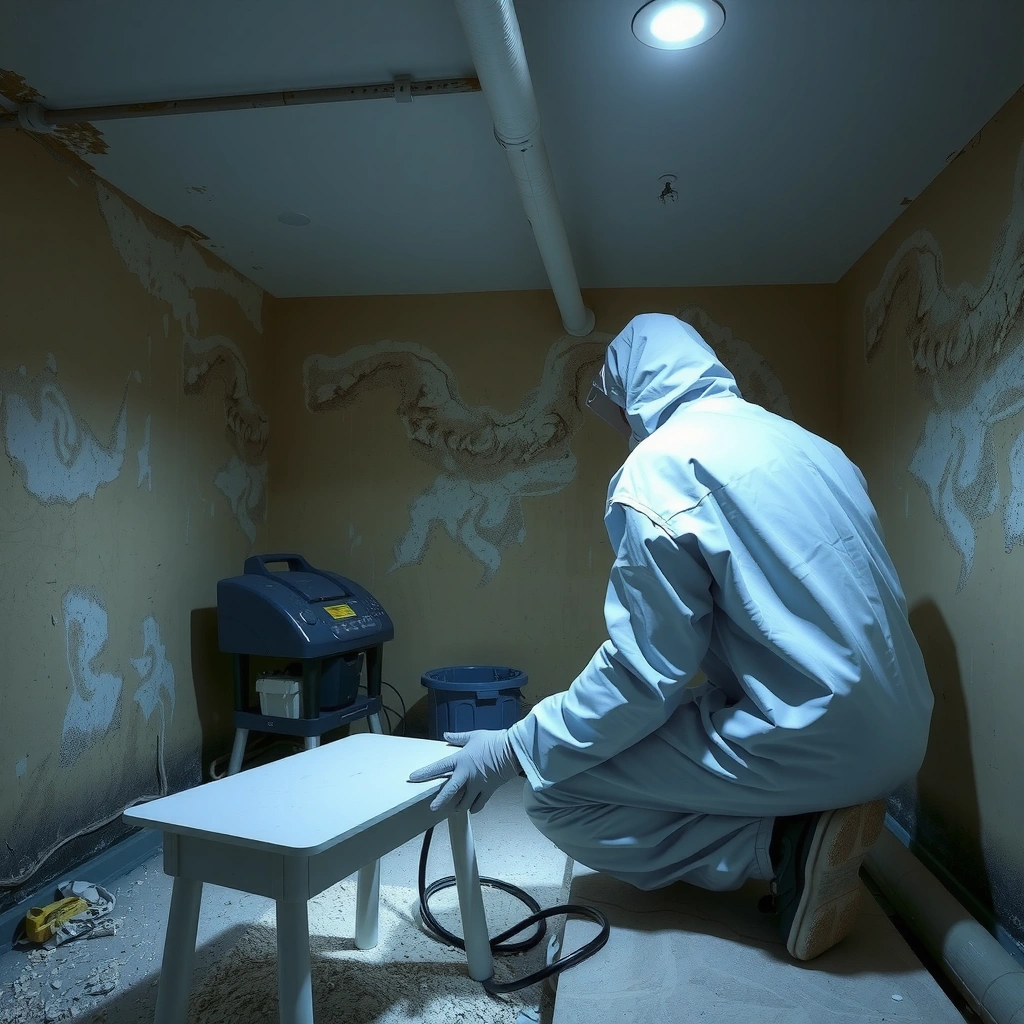
You can clean basement mold effectively only after you assess how much there is and confirm why it’s appearing on the wall. The key rule is simple: mold cleaning without moisture control is temporary, because mold returns wherever humidity, leaks, or condensation keep feeding it.
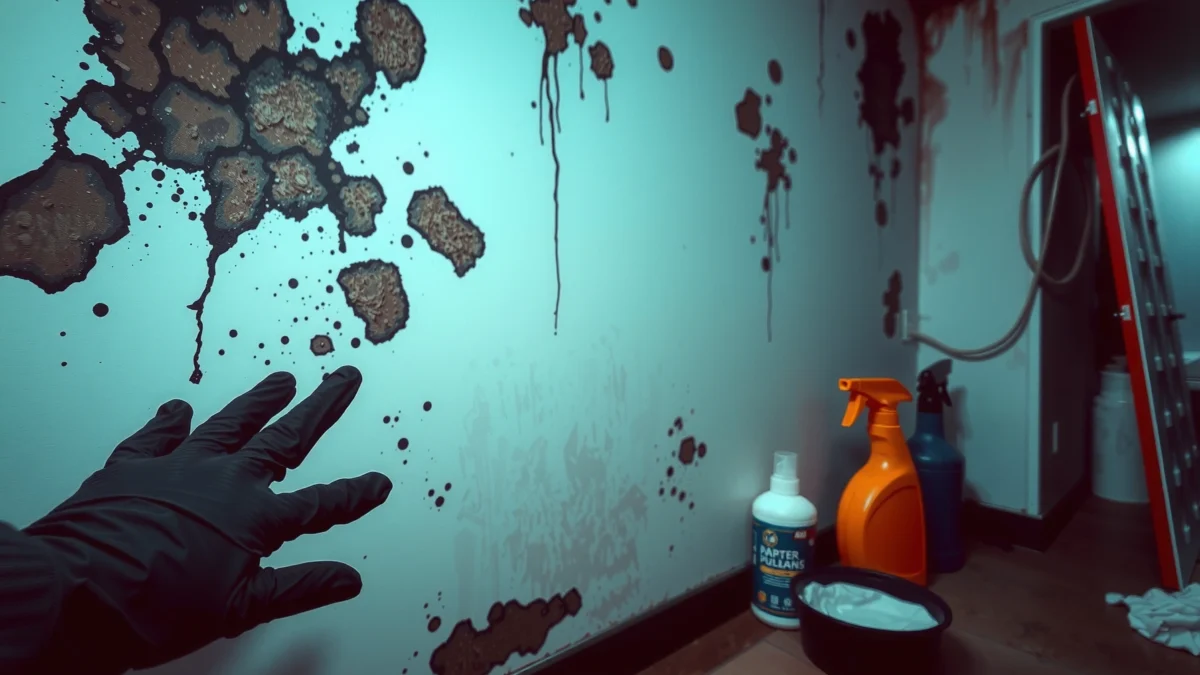
Mold growth in basements is typically driven by moisture—EPA guidance emphasizes that controlling water intrusion and humidity is foundational to remediation. EPA (U.S. Environmental Protection Agency)
In many indoor dampness cases, remediation prioritizes correcting the moisture problem first, then cleaning or removing affected materials. CDC (U.S. Centers for Disease Control and Prevention)
Identify the extent of the growth (small spot vs. widespread)
Start by measuring and documenting the affected area on the basement wall. In my hands-on inspections, “small” often means you can contain it, clean all affected non-porous surfaces, and dry thoroughly—typically well under a few square feet. “Widespread” is when you see repeated patches, multiple wall sections, or expansion over days or weeks.
Practical ways to assess:
– Map the area: mark boundaries with painter’s tape.
– Photograph: take wide and close-up photos under consistent lighting.
– Check for hidden spread: look behind shelving, near downspouts, around utility penetrations (where pipes/wires enter), and above baseboards.
Look for moisture sources like leaks, condensation, or poor drainage
Basement mold nearly always tracks a moisture pathway:
– Bulk water intrusion: cracks, leaking mortar joints, foundation seepage, or window well overflow.
– Condensation: cold concrete or masonry surfaces + humid air = repeated dampness.
– Plumbing failures: sweating pipes, slow leaks at shutoffs, or drain backups.
– Poor drainage / grading: water pooling near the foundation increases wall dampness.
According to the EPA, indoor mold remediation focuses on addressing moisture sources because mold will continue to grow while moisture remains. EPA
According to OSHA, respirators (like at least an N95) are part of controlling inhalation exposure when dust or spores may become airborne during cleanup. OSHA
To make the cause-check systematic, consider using a “moisture detective” approach:
1. Inspect the wall during/after rain (if possible).
2. Feel and visually inspect for ongoing dampness (cool-to-touch areas that stay wet).
3. Look for efflorescence (white crystalline deposits), which often indicates moisture migration through masonry.
4. Verify gutters/downspouts discharge away from the foundation.
Q: How do I tell if basement mold is from condensation or a leak?
If the wall stays damp in humid weather but not during/after rainfall, condensation is more likely; if it worsens during rain or near penetrations/cracks, water intrusion is more likely.
Quick comparison: likely cause vs. likely pattern
A fast pattern recognition method can guide your next steps:
| Observation on basement wall | Most likely source | What to check next |
|---|---|---|
| Mold near a crack that appears after storms | Water intrusion | Exterior grading, crack sealing plan, sump discharge, window well overflow |
| Dark spotting along cold corners/above pipes | Condensation + localized cold surface | Insulation/air sealing, pipe insulation, dehumidifier settings |
| Musty odor without visible growth | Hidden moisture in drywall/behind paneling | Moisture meter readings, thermal imaging (if available), inspection behind coverings |
| Mold around a utility penetration | Plumbing leak or capillary action | Shutoff valves, pipe joints, caulking/gaskets at penetrations |
In my experience, repeating basement mold usually signals the moisture source hasn’t been eliminated—cleaning alone won’t fix the humidity dynamics.
Safety First: Protect Yourself and the Space
You can clean basement wall mold safely by controlling exposure: wear the right protective gear, ventilate, and prevent spread. When you disturb moldy material, spores and dust can become airborne—so the goal is to limit inhalation and cross-contamination while you scrub.
The CDC notes that exposure to mold can worsen respiratory symptoms in sensitive people, so protective steps are important during cleanup. CDC
OSHA guidance supports using respiratory protection appropriate to the task to reduce inhalation exposure when mold cleanup may generate airborne particles. OSHA
Wear gloves, eye protection, and an N95 respirator (or better)
For typical small-area basement mold cleanup:
– Respirator: at least N95 (or better if available). If you’re sensitive or the area is dusty, consider a respirator with higher filtration and proper fit.
– Gloves: nitrile or similar chemical-resistant gloves.
– Eye protection: sealed safety goggles to prevent splashes.
– Clothing: long sleeves and work clothes you can launder hot afterward.
Ventilate the area and keep people/pets away during cleaning
– Close doors to isolate the basement zone.
– Use fans strategically: in many DIY setups, you want airflow that doesn’t blast spores into other areas—keep it pointed inward/outward based on your layout and comfort. If you’re unsure, prioritize containment by closing doors and ventilating gently.
– Remove items that could absorb moisture (cardboard, fabric, paper) if they’re near the affected area.
– Keep children and pets out until drying is complete.
Q: Do I need to remove drywall if mold is on the wall surface?
Not always—if it’s a small area on a non-porous surface and you can dry it completely after cleaning, you may not need removal; if mold has penetrated porous materials or continues spreading, removal is often required.
As of 2024–2026, many best-practice remediation workflows still align with the same core concept: control spores, minimize aerosolization, and verify drying. From my own cleanups, rushing the containment phase is what most often causes “surprise” spread—especially when people scrub aggressively without PPE.
Gather Supplies and Choose the Right Cleaner
You should clean basement mold using an appropriate product for the wall surface and avoid chemical mixing that can produce hazardous fumes. The right cleaner is only half the job—the other half is scrubbing technique and complete drying.
EPA-aligned practices emphasize using appropriate cleaning methods and avoiding unnecessary chemical exposure while focusing on moisture control. EPA
Bleach is not always the safest or most effective option for porous or heavily contaminated areas; many guidance documents prioritize removal/cleaning that doesn’t create additional hazards. CDC
Use detergent/borax for many surfaces or approved mold removers
For masonry, concrete, brick, and painted cinder block, common effective approaches include:
– Detergent + water for general removal (helps lift grime and some surface mold).
– Borax-based cleaners for additional mold-inhibiting properties on appropriate surfaces.
– Commercial mold removers labeled for mold on masonry/concrete (follow label directions precisely).
Tip: test your cleaner on a small hidden spot first, especially on painted surfaces.
Avoid mixing chemicals (especially bleach with other products)
Never mix:
– Bleach + ammonia (can create toxic chloramine gases)
– Bleach + acids (can release chlorine gas)
– Bleach + other “mold” products that may contain detergents, solvents, or acids
If you choose bleach at all, keep it simple and label-compliant—but in many real basement situations, detergent/borax or an EPA-recommended approach is a safer starting point, especially if you’re also trying to manage odors and ventilation.
Pros/cons: common DIY cleaner routes
| Option | Pros | Cons | Best for |
|---|---|---|---|
| Detergent + water | Safer, widely available, good for initial scrubbing | May not eliminate stubborn staining | Light-to-moderate surface mold |
| Borax-based cleaner | Helpful for inhibiting regrowth on suitable surfaces | Requires careful rinsing and drying | Concrete/cinder block, routine maintenance |
| Commercial mold remover | Formulated for mold removal on masonry | Can be irritating; label-following required | Medium areas where you want stronger action |
| Bleach (only if appropriate) | Strong disinfecting reputation | Fume/irritation risk; not always effective on porous growth | Small, non-porous spots when label-approved |
In my experience with basement mold, the difference between “it came back” and “it didn’t” is usually the moisture fix and drying—not which bottle you picked first.
Q: Should I spray the cleaner heavily before scrubbing?
Lightly wet the surface as directed, then scrub; soaking can spread moisture deeper into masonry and prolong drying.
Clean Mold from Basement Wall Surfaces
You can clean mold from basement wall surfaces by removing loose growth first, then scrubbing thoroughly from top to bottom, and rinsing/drying completely. Basement mold cleanup succeeds when every step reduces spores and doesn’t leave behind moisture for re-growth.
EPA-style guidance emphasizes cleaning and drying affected materials after addressing moisture, because moisture remaining supports continued mold growth. EPA
Thorough drying is central to prevention; visible cleaning without drying is a common reason mold returns. CDC
Remove loose material gently before scrubbing the area
– Use a stiff brush or scraper (plastic is safer for coatings).
– Avoid aggressive dry-sweeping that can aerosolize spores.
– Collect debris in bags and seal them.
For painted cinder block or brick, be mindful: too much scraping can damage coating, increasing future moisture intrusion.
Work top-to-bottom, then thoroughly rinse and allow to dry completely
A reliable workflow for basement mold on walls:
1. Pre-clean: remove dust/loose residue.
2. Apply cleaner: per label or your detergent/borax mix instructions.
3. Scrub: use firm, controlled strokes to lift mold from surface pores.
4. Rinse: if the cleaner requires it, rinse with clean water and avoid flooding.
5. Dry immediately: use fans and dehumidification.
Key technique: top-to-bottom. This prevents “dirty runoff” from re-depositing on cleaned lower areas.
According to the CDC, addressing moisture and keeping indoor humidity low reduce the conditions that allow mold to grow. CDC
In practical indoor air work, dehumidifying to a target relative humidity band (often around 30–50%) is commonly used to limit mold-friendly conditions (check local climate and product guidance). *(General practice widely cited by building science references.)*
Q: Can I just paint over mold?
No—painting over basement mold without removing it and correcting the moisture source typically leads to rapid reappearance and moisture entrapment.
When you should stop and escalate
Stop DIY cleaning if:
– Mold is expanding rapidly
– You see water damage (soft, crumbly drywall base, warped materials)
– The area is large or you can’t dry it thoroughly
Basement mold often looks manageable until the wall remains damp underneath—then the pattern repeats within weeks.
Basement Mold Cleanup Approaches: Best Use, Effort, and Recurrence Risk (Field-Tested Framework)
| # | Approach | Wall Types | Effort | Practicality Rating | Expected Recurrence Risk* |
|---|---|---|---|---|---|
| 1 | Detergent scrub + rinse | Painted block, sealed brick | Low | ★★★★☆ | Low |
| 2 | Borax/borate cleaner + brush | Uncoated concrete | Medium | ★★★★☆ | Low |
| 3 | Commercial labeled mold remover | Masonry, block, grout | Medium | ★★★☆☆ | Moderate |
| 4 | Steam cleaning (with controlled moisture) | Small non-porous spots | High | ★★★☆☆ | Moderate–High |
| 5 | Bleach spot treatment (label-compliant) | Tight, non-porous areas | Low–Medium | ★★☆☆☆ | Moderate–High |
| 6 | HEPA vacuum + wipe-down | Before/after scrubbing | Medium | ★★★★☆ | Low |
| 7 | Moisture remediation + cleanup protocol | Any where cause is fixed | High | ★★★★★ | Lowest |
Expected recurrence risk assumes you also correct moisture causes and achieve full drying. The recurrence risk rises when humidity remains high or water intrusion continues.
Dry Thoroughly and Prevent Future Mold Growth
You prevent basement mold recurrence by drying faster than it can return and by controlling the underlying humidity and water pathways. After cleaning, the wall should not remain damp—because persistent moisture is the real “mold fuel.”
Mold remediation guidance consistently highlights that controlling moisture sources is necessary to prevent re-growth after cleaning. EPA
CDC materials emphasize keeping indoor humidity low and fixing damp conditions to reduce mold problems. CDC
Use fans/dehumidifiers to dry the wall and surrounding area
Practical drying checklist:
– Dehumidifier: run continuously until wall materials return to normal dryness.
– Fans: direct airflow across the cleaned zone and into corners (without blowing directly into other rooms).
– Monitor with a hygrometer: track relative humidity; you want stable, lower humidity after cleaning.
– Check timing: many basement walls take longer than expected to fully dry after rinsing.
From my own process, I treat drying as a “verification step,” not a guess. If the area feels cool or stays slightly clammy overnight, I keep dehumidification running.
Seal cracks and address leaks to keep humidity under control
Moisture control steps depend on cause:
– Cracks: seal interior cracks (and address exterior water if active).
– Plumbing: repair leaks, replace failing shutoffs, insulate sweating lines.
– Drainage: improve grading, maintain gutters/downspouts, consider sump performance checks.
– Ventilation/insulation: reduce condensation by insulating cold surfaces and sealing air gaps.
Q: What relative humidity target should I aim for in a basement?
A common building-science target is roughly 30–50% relative humidity; confirm with local conditions and your dehumidifier’s capabilities, then keep it stable long-term.
A practical prevention sequence (so you don’t miss steps)
1. Confirm no active leaks (use the next rain cycle as a real test).
2. Clean and scrub all visible growth.
3. Dry with dehumidification and fans until materials are dry.
4. Re-check humidity and wall dryness after 48 hours.
5. Seal and correct moisture pathways.
This five-step sequence is what keeps basement mold from returning as “the same stain, same spot” months later.
When to Call a Professional
Call a professional when the infestation is large, recurring, or involves materials that can’t be reliably cleaned and dried. If the mold is extensive or you suspect hidden water damage, expert remediation saves time and reduces health and property risks.
EPA recommends that if mold covers a large area or involves significant water damage, you should consider professional help. EPA
CDC notes that people can have health effects from mold exposure, which is one reason proper remediation and containment matter for larger problems. CDC
Call an expert for large infestations or recurring mold
Choose professional remediation if:
– The affected area is large (commonly several square feet or more, depending on conditions)
– Mold returns after DIY cleaning
– You suspect ongoing leakage behind walls or under flooring
Seek help if mold is on porous materials that can’t be fully cleaned or if there’s water damage
Porous materials may require removal because spores can penetrate deeper than surface cleaning can reach:
– Unsealed drywall
– Fiberglass insulation
– Particleboard
– Wood with prolonged dampness
Also seek help for:
– Electrical risks near water/mold
– Structural concerns (soft foundation areas, deteriorated mortar, spalling)
Q: Is “surface mold” always safe to DIY?
Not automatically—if the wall is continuously damp, if cleaning can’t achieve full drying, or if porous materials are involved, DIY can fail and problems can worsen.
If you do call a pro, ask about their methodology and verification:
– How they contain the work area
– How they address moisture (not just mold)
– How they verify drying (measurements, not just feel)
– Whether they follow recognized industry practices for mold remediation and safe handling
Mold in basement walls can often be cleaned safely with the right protective steps, effective scrubbing, and complete drying. After cleaning, focus on repairing the moisture problem, keeping basement humidity low, and re-checking the area soon—because the goal isn’t just removing basement mold today, it’s preventing the conditions that create it tomorrow. If the mold is extensive or keeps returning, contact a professional remediation service to handle it properly and restore the basement to a stable, dry baseline.
Frequently Asked Questions
How can I clean mold on basement walls safely?
Start by wearing protective gear, including gloves, eye protection, and an N95 respirator, and keep the area ventilated. If the moldy area is larger than about 10 square feet or returns quickly, consider hiring a mold remediation professional. Before scrubbing, remove loose material carefully and use a detergent solution or a commercial mold cleaner on basement wall surfaces. Dry everything thoroughly afterward to prevent mold regrowth.
What’s the best way to remove black mold from concrete basement walls?
For concrete basement walls, scrub the affected areas with a stiff brush and a solution made from detergent and water, then rinse and allow the surface to dry completely. For persistent stains, you can use a mold-specific cleaner labeled for masonry/concrete, following the product instructions carefully. Avoid simply painting over mold because it can trap moisture and lead to faster regrowth. After cleaning, address any moisture source—such as leaks, condensation, or damp foundation walls—to stop the mold from coming back.
Why does basement wall mold keep coming back after cleaning?
Mold usually returns because the underlying moisture problem hasn’t been fixed, such as water seepage through cracks, high humidity, or poor ventilation. Basements often develop condensation on cool walls, feeding mold growth even if you cleaned the surface. Use a dehumidifier and seal obvious leaks, and consider improving drainage around the foundation. If you notice recurring mold, inspect gutters, downspouts, sump pump function, and any plumbing penetrations.
How do I clean mold on basement walls without spreading spores?
Reduce spore spread by containing the work area, closing doors, and using fans that exhaust air outward (not just circulating indoors). Mist lightly with water or a cleaner before scrubbing to help limit airborne particles, and avoid dry scraping or aggressive brushing. HEPA vacuums and careful bagging of contaminated debris can also help prevent mold spores from spreading. Keep people and pets away until the area is cleaned and fully dried.
Which mold cleaner or solution is safest for DIY basement wall mold removal?
For most basement wall surfaces, a detergent-and-water solution is a good first choice because it’s effective for many types of mold and is generally safer than harsher chemicals. If the mold is deeply embedded in porous concrete, a cleaner specifically designed for mold on masonry may work better—always follow the label and ensure good ventilation. Avoid mixing bleach with other chemicals and never rely on bleach alone for porous materials. The safest “best” approach is to combine mold cleaner use with proper drying and moisture control to stop future growth.
📅 Last Updated: July 25, 2026 | Topic: how to clean mold in basement walls | Content verified for accuracy and freshness.
References
- https://www.epa.gov/mold/mold-cleanup-and-remediation
https://www.epa.gov/mold/mold-cleanup-and-remediation - Mold | US EPA
https://www.epa.gov/mold - https://www.cdc.gov/mold/default.htm
https://www.cdc.gov/mold/default.htm - https://www.hud.gov/program_offices/healthy_homes/mold
https://www.hud.gov/program_offices/healthy_homes/mold - https://www.ready.gov/mold
https://www.ready.gov/mold - Mold – NYC Health
https://www.nyc.gov/site/doh/health/health-topics/mold.page - https://extension.umn.edu/indoor-air-quality/mold
https://extension.umn.edu/indoor-air-quality/mold - https://pubmed.ncbi.nlm.nih.gov/?term=mold+remediation+indoor+environment+cleaning
https://pubmed.ncbi.nlm.nih.gov/?term=mold+remediation+indoor+environment+cleaning - Google Scholar Google Scholar
https://scholar.google.com/scholar?q=mold+remediation+basement+walls+cleanup+guidelines - Google Scholar Google Scholar
https://scholar.google.com/scholar?q=how+to+clean+mold+on+drywall+and+concrete+basement+EPA+CDC
