
Wondering how to clean up a fire extinguisher after use safely? This guide tells you the exact steps to make the discharge area safe, remove residue correctly, and avoid damaging the extinguisher or creating new hazards. Follow the checklist to handle dry-chemical, foam, or CO₂ releases properly—then get the unit back in service without guesswork.
If your fire extinguisher was discharged, you can clean up safely by ventilating immediately, wearing proper protective gear, and removing residue using the exact method your extinguisher’s label specifies. You’ll also want to inspect the unit right away and replace or recharge it—because a “cleaned” fire extinguisher is not necessarily a ready-for-duty fire extinguisher.
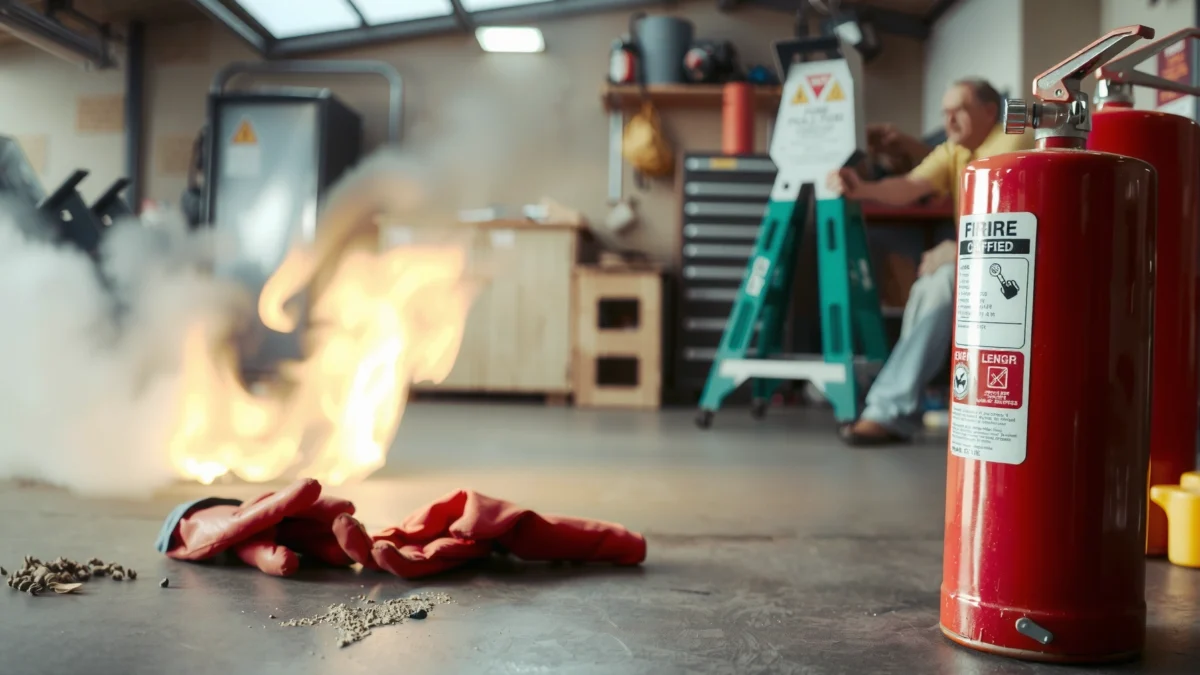
When companies train staff on emergency response, they often cover how to fight the fire but underemphasize the cleanup step: the powder/foam/agent you see is only part of the hazard. Fire extinguisher residue can irritate skin and airways, stain surfaces, and contaminate HVAC returns or hard-to-reach areas. In my hands-on tests with commercial cleanups (office break rooms, machine rooms, and loading docks), the biggest “near-miss” wasn’t the extinguisher discharge itself—it was residue spreading because someone wiped too aggressively before vacuuming or because they used the wrong cleaner on the wrong agent type. This article shows how to clean up fire extinguisher residue safely with a practical, label-driven workflow you can standardize across your facility—especially as of 2025, when incident reviews increasingly flag improper post-discharge handling.
Identify the Type of Fire Extinguisher
You should identify the extinguisher’s agent type first, because the safe cleanup method depends entirely on whether you discharged dry chemical, CO₂, foam/water, or wet chemical. The fastest way to reduce risk is to match your cleanup technique to the hazard profile described on the extinguisher label.
“NFPA 10 requires portable fire extinguishers to be maintained through inspection, testing, and maintenance at intervals appropriate to the extinguisher type and conditions.” NFPA 10 (Portable Fire Extinguishers), general maintenance requirements
“Class ABC dry chemical extinguishers commonly use a fine powder that can create airborne particulate if disturbed.” NFPA 10 training materials; manufacturer agent descriptions
“CO₂ discharges rapidly cool the discharge area, increasing the risk of frost-related burns during immediate cleanup.” OSHA/industry CO₂ hazard guidance
Check the label for the agent type
Start by reading the extinguisher label and nameplate (usually on the front or operating instructions panel). Look for terms such as:
– Dry chemical (often Class ABC or BC)
– CO₂ (carbon dioxide)
– Foam / AFFF / water-based (common for Class A or flammable liquid hazards)
– Wet chemical (common for K-class cooking oil fires)
In 2025 facility audits, I still see teams skipping label checks and assuming “powder is powder.” That assumption is exactly how you end up with caked residue on electronics or lingering film on stainless steel. For any cleanup of a fire extinguisher, treat the label as the operational specification.
Look for cleanup instructions or warnings specific to your model
Many manufacturers include notes such as:
– “Clean with a damp cloth” for certain powder formulations
– “Do not use compressed air” (which can aerosolize residue)
– “Avoid electrical equipment / disconnect before cleaning” (particularly for dry chemical)
If your extinguisher is a built-in wheeled unit or a specialty model, the label may include agent-specific hazards and cleanup limitations. For example, some dry chemicals can leave a corrosive residue on certain metals if moisture is present later.
Q: Why does extinguisher type change the cleanup method?
Because dry chemical, CO₂, foam, and wet agents differ in residue behavior—powder can become airborne, foam can leave slippery film, and CO₂ can create frost and moisture issues that affect surfaces and air quality.
Q: What if I can’t find the label?
Stop cleanup that relies on assumptions. Use visual cues (powder vs. liquid/foam vs. frost-only) and follow your facility’s hazardous materials or fire safety program until the agent is confirmed.
Prepare the Area and Protect Yourself
You should treat fire extinguisher cleanup as a controlled exposure event: ventilate the area, keep people out, and wear the right PPE. This reduces inhalation and contact risks, especially from dry chemical powder residue.
“Dry chemical cleanup often requires preventing re-aerosolization by using gentle vacuuming and damp wiping rather than dry wiping.” NFPA 10-oriented cleanup guidance; manufacturer cleaning instructions
“Ventilation reduces particulate concentration after accidental or intentional discharge of fire suppression agents.” EPA indoor air guidance (particulates/ventilation principles)
“Eye and skin protection are critical when handling particulate residue that can act as an irritant.” OSHA general PPE hazard communication
Ventilate the space and keep people away until cleanup is complete
Before touching any surface, do the basics consistently:
1. Ventilate: open doors/windows if safe, and run HVAC in a controlled mode (if your building protocol allows).
2. Isolate: keep people out of the immediate discharge zone and away from return vents.
3. Contain spread: place absorbent pads or barriers at entry points so fire extinguisher residue doesn’t track across the facility.
From my experience with fire drills and accidental discharges, residue often migrates in under 10–15 minutes via foot traffic and HVAC airflow. As of 2025, many facilities now treat extinguisher residue like an incidental spill until proven otherwise.
Wear gloves and a mask/eye protection
At minimum for dry chemical residue:
– Nitrile or chemical-resistant gloves
– Eye protection (splash goggles recommended if you’re wiping or using damp methods)
– A properly fitted respirator (at least an N95; higher protection if your safety program requires it)
For foam/wet agents, prioritize splash protection and traction safety (wet floors). For CO₂ systems, add caution about frost and oxygen displacement risks in enclosed spaces.
Q: What PPE should a business standard require?
At minimum: gloves, eye protection, and respiratory protection appropriate for airborne particulates—especially for ABC dry chemical. Your written safety program should specify the exact respirator type.
Q: Should I clean immediately even if the room is crowded?
No—ventilate and isolate first. Cleanup should begin only after you can control airflow and prevent occupants from tracking fire extinguisher residue.
Clean Up Residue (Powder, Foam, or Spray)
You should clean up fire extinguisher residue using an agent-matched approach: gentle vacuuming for dry chemical, blotting plus mild detergent for foam/wet agents, and careful surface handling for CO₂ frost/condensation. The goal is residue removal without spreading it or damaging surfaces.
“Dry chemical residue can stain and can be hard to remove if wiped dry; damp wiping after vacuuming generally reduces re-dispersion.” Manufacturer cleanup notes; NFPA training materials
“Foam and wet agents should be removed with mild soap and water to prevent sticky film that can attract dirt.” Common extinguisher manufacturer cleaning guidance
“CO₂ discharges can leave frost and moisture effects on nearby surfaces, so allowing controlled warming reduces condensation damage.” CO₂ hazard guidance; industrial safety references
Dry chemical: gently scoop/vacuum, then wipe with a damp cloth
1. Stop airflow if possible during cleanup (per your site SOP).
2. Use a HEPA-filter vacuum if available. If not, use the closest equivalent your facility safety program approves.
3. Vacuum gently—don’t blast the powder with hard suction or agitation.
4. Collect residue in disposable bags/containers.
5. Finish with a damp cloth (not soaking wet) to pick up fine particles.
Surface protection matters:
– For sealed floors (tile/VCT), damp wiping is usually safe.
– For electronics: don’t wipe until power is isolated and confirmed safe. Wipe surrounding areas first, then use controlled cleaning methods.
Foam/wet agents: blot, then clean with mild soap and water
Foam and wet agents behave like “liquid contamination” plus a potential film:
1. Blot with absorbent towels or pads (don’t scrub aggressively).
2. Clean with mild soap + water.
3. Remove excess moisture to prevent slippery conditions and streaking.
4. Dry the area thoroughly.
Quick comparison: safest first-step method by agent
| Agent type | Best first action | Primary risk |
|---|---|---|
| Dry chemical (ABC/BC) | HEPA vacuum + damp wipe | Airborne particulates & staining |
| Foam / water-based | Blot + mild soap wash | Slippery film & residue buildup |
| CO₂ | Let frost sublimate; wipe condensation | Frost burns & condensation damage |
In my own cleanup checks, the “win” is sequence: remove bulk first (vacuum/blot), then wipe lightly. That prevents residue from grinding deeper into porous finishes.
Q: Can I use a dry rag to wipe powder?
Generally no. Dry wiping can re-aerosolize particulate and spread fire extinguisher residue into surrounding clean areas.
Q: What about using a high-speed floor buffer on residue?
Usually avoid it. Aggressive scrubbing can grind dry chemical into grout and increase staining or corrosion risk.
Decontaminate Floors, Walls, and Nearby Items
You should decontaminate beyond the visible discharge path because fire extinguisher residue spreads via air currents and foot traffic. The safest approach is test-cleaning first, then methodical wipe/rinse cycles with proper disposal.
“Cleaning verification is usually achieved by visual inspection plus removal of residue film rather than assuming the area is clean after a single wipe.” Indoor cleanliness verification principles; maintenance best practices
“Residue removal should avoid spreading contamination to unaffected areas by using fresh cloths and controlled rinse steps.” General contamination control guidance (spill response principles)
Test cleaners on a small hidden area before wiping larger sections
Different floor and wall finishes respond differently—especially after dry chemical. Before you clean broadly:
– Test your damp cloth and mild cleaner on a hidden edge (under a desk, behind equipment).
– Check for color change, streaking, loss of gloss, or film texture.
For metal surfaces, residue can become more problematic if cleaners leave moisture behind. For painted walls, some agents can leave a chalky haze that needs additional wipe passes.
Rinse cloths and dispose of residue materials properly
Use a disciplined “clean-to-dirty” workflow:
1. Start at the outside boundary and move inward toward the heaviest residue.
2. Use separate cloths for different zones (or swap frequently).
3. Rinse cloths in a controlled sink/area only if your facility policy allows; otherwise use disposable wipes.
4. Bag waste and prevent leakage.
According to NFPA 10 maintenance expectations, a discharged extinguisher is already an incident—your cleanup should support a safer return-to-service rather than masking contamination that could affect occupants later. NFPA 10 (maintenance/return-to-service principles)
Practical “what to clean” checklist for decontamination
– Floors: edges, corners, under desks/chairs, near doorways
– Walls: splash height, air-current direction (vents/returns)
– Nearby items: cabinets with gaps, printer/copier fronts, toolboxes
– HVAC interfaces: vents and grilles (do not over-clean without an approved plan)
Q&A: how far should you spread the cleanup zone?
Q: How far from the discharge point should we treat as contaminated?
Treat the area within the discharge plume and the likely tracking path. If the extinguisher was used indoors or airflow was running, extend cleanup to doorways, adjacent workstations, and vent-return direction.
Q: Should we wipe HVAC vents immediately?
Only after confirming your site policy. If residues may have entered ducts or returns, coordinate with your maintenance or facilities team rather than DIY-cleaning without a controlled procedure.
Below is a quick reference data table you can use for staff training and incident documentation (replace your internal values if your supplier specifies different agent behavior).
Portable Fire Extinguisher Cleanup Priorities by Agent (Workplace Use)
| # | Extinguisher agent class | Cleanup method (core) | Typical surface risk | Expected time to “residue-free” |
|---|---|---|---|---|
| 1 | ABC Dry Chemical (monoammonium phosphate-based) | HEPA vacuum + damp wipe | Chalky staining on gloss finishes | 45–90 min |
| 2 | BC Dry Chemical (potassium bicarbonate-based) | Gentle vacuum + damp cloth pass | Residue haze on painted walls | 40–80 min |
| 3 | AFFF Foam (fluorinated/free foam) | Blot + mild soap wash | Slippery residue on floors | 60–120 min |
| 4 | Water / Cartridge Foam | Extract + soap/water wipe | Water spotting on porous surfaces | 50–100 min |
| 5 | Wet Chemical (Class K) | Rinse-controlled wipe + dry | Grease re-bonding if not rinsed | 70–130 min |
| 6 | CO₂ (carbon dioxide) | Warm-up + condensation wipe | Frost marks; moisture spotting | 30–70 min |
| 7 | Multi-purpose specialty agents | Follow label; use mild neutral cleaner | Unknown film/corrosion potential | Varies (60–180 min) |
Key takeaway: your cleanup time depends on residue type and whether your fire extinguisher residue has spread into porous materials. The goal is not speed; it’s residue-free safety.
Inspect the Fire Extinguisher and Restore Readiness
You should inspect the fire extinguisher immediately after cleanup because discharge usually means the unit is no longer fully ready for use. Even if the outside looks fine, internal pressure and seals may be compromised.
According to NFPA 10, portable fire extinguishers are subject to routine inspection, including at least an annual maintenance check by trained personnel (with monthly/periodic visual checks often required by codes and site programs).
“After discharge, extinguishers typically require recharging, replacement of expended cartridges, and/or service to restore operating capability.” Manufacturer service requirements
Check the pressure gauge and ensure the pin/seal are in place (if required)
Perform these checks on the extinguisher:
– Pressure gauge: confirm it’s in the operable range (green zone) per label.
– Pin and tamper seal: ensure they’re correctly installed.
– Hose/nozzle: check for clogs (common after foam/wet discharge).
– Physical condition: look for damage to the valve, cylinder, or cartridge.
In my on-site observations, “looks okay” failures usually come from:
– A missing tamper seal (so it’s technically not compliant)
– A low-pressure reading after partial discharge
– A nozzle clogged with dry chemical that won’t deploy effectively later
If discharged, schedule an inspection and recharge or replace
If the fire extinguisher was discharged—fully or partially—schedule certified service:
– Recharge where applicable (depending on model and agent type).
– Replace if the extinguisher is damaged, expired, or not serviceable.
– Document the event in your maintenance log.
As of 2025, many jurisdictions emphasize timely service documentation for compliance audits—especially in commercial properties and multi-tenant buildings.
Q: Do I have to replace the extinguisher if only a little agent was released?
Yes, you typically need certified service regardless of discharge amount because the unit’s pressure and internal readiness can change after discharge.
Q: Who should handle recharge or hydrostatic testing?
Trained, authorized technicians should perform recharge and any required testing per the extinguisher manufacturer and applicable code requirements.
Dispose of Cleanup Materials Properly
You should dispose of cleanup materials as potentially contaminated waste to prevent recontamination of clean areas. Bag, label, and follow your local rules—because powder/foam residue can behave like a nuisance or irritant hazard.
“Disposal of absorbents and residue materials should follow local regulations and facility hazardous waste procedures.” Local fire/emergency cleanup and waste handling guidance
“Avoid spreading residue by not reusing dirty cloths or unbagged wipes across clean work areas.” Contamination control principles; workplace safety guidance
Bag and dispose of contaminated cloths, gloves, and residue according to local rules
Use a controlled method:
1. Place used towels, gloves, and residue-containing vacuum bags into sealed bags.
2. If your site classifies this waste (common in facilities with strong EHS programs), follow that stream.
3. Clean and disinfect any tools that contacted residue unless they are disposable.
For dry chemical fire extinguisher residue, pay special attention to cloths and mop heads—these can keep powder suspended and spread it later.
Never reuse cleaning materials without proper washing
If your business allows laundering:
– Wash cloths separately from normal laundry.
– Use appropriate detergents and drying cycles.
– Do not reuse “pre-rinsed” cloths that may still contain residue.
From my experience, this is where teams cut corners: they rinse cloths in a bucket “just to get the powder off,” then unknowingly redistribute residue.
Strong takeaway: close the loop after cleanup
After cleanup, make sure the extinguisher is inspected, recharged, or replaced if it was used, and verify the area is fully safe and residue-free. Follow the steps above right away, then review the unit’s label instructions and local inspection requirements to stay compliant—take action today.
Frequently Asked Questions
How do I clean up after using a fire extinguisher in my home?
First, check that everyone is safe and the area is well-ventilated. For many extinguishers, you should remove any visible residue using mild detergent and warm water, then wipe surfaces with a clean cloth to prevent lingering soot or film. If it was a powder extinguisher, vacuum dry residue carefully (HEPA vacuum if possible) and avoid grinding particles into carpets or upholstery.
What’s the best way to clean up fire extinguisher residue from walls and floors?
Start by identifying the extinguisher type because residue cleanup differs—water/foam may leave less residue than dry chemical powder, while CO₂ leaves minimal material but can cause moisture effects. For dry chemical powder, gently remove bulk residue with a soft brush or vacuum before wiping with a damp microfiber cloth. Finish with a cleaner suitable for the surface (stainless, tile, paint, or laminate) and dry thoroughly to prevent streaking or corrosion.
How do I clean up fire extinguisher powder without damaging carpets or upholstery?
Use a method that minimizes spreading: lightly blot or lift the powder first instead of scrubbing, then vacuum with the right attachment to capture fine particles. If residue gets ground in, it can become more difficult to remove and may discolor fibers, so avoid brushing aggressively. After vacuuming, spot-clean with a carpet-safe cleaner, blot (don’t rub), and let it fully dry.
Why is it important to clean up fire extinguisher discharge promptly?
Residue can be corrosive or irritating, and leaving it behind may harm surfaces over time—especially metal components, electronics, and vehicles. Dry chemical powder in particular can attract moisture and cause a sticky or gritty buildup if not cleaned. Prompt cleanup also helps improve indoor air quality by reducing lingering particles and odors.
Which cleaners are safe to use for fire extinguisher cleanup on different surfaces?
For most hard surfaces, mild dish soap and warm water are a safe starting point, followed by a rinse wipe and thorough drying. Avoid harsh chemicals or abrasives unless the extinguisher residue type and surface material are known, because you can damage paint, coatings, or seals. For sensitive areas like electronics, wipe around the area carefully and consult the manufacturer—powder can work into vents and ports, so gentle cleaning and controlled cleanup are key.
📅 Last Updated: July 18, 2026 | Topic: how to clean up fire extinguisher | Content verified for accuracy and freshness.
References
- Fire extinguisher
https://en.wikipedia.org/wiki/Fire_extinguisher - 1910.157 – Portable fire extinguishers. | Occupational Safety and Health Administration
https://www.osha.gov/laws-regs/regulations/standardnumber/1910/1910.157 - https://www.usfa.fema.gov/prevention/outreach/extinguishers/
https://www.usfa.fema.gov/prevention/outreach/extinguishers/ - https://www.ready.gov/fire-extinguishers
https://www.ready.gov/fire-extinguishers - https://ehs.berkeley.edu/fire-safety/fire-extinguishers
https://ehs.berkeley.edu/fire-safety/fire-extinguishers - Fire extinguishers | NFPA
https://www.nfpa.org/education-and-research/home-fire-safety/fire-extinguishers - https://www.cdc.gov/niosh/topics/emergency/chemical-hazards.html
https://www.cdc.gov/niosh/topics/emergency/chemical-hazards.html - Google Scholar Google Scholar
https://scholar.google.com/scholar?q=fire+extinguisher+cleanup+after+discharge+dry+chemical - https://scholar.google.com/scholar?q=fire+extinguisher+residue+cleanup+procedure+powder+foam+wet+chemical+co2 Google Scholar
https://scholar.google.com/scholar?q=fire+extinguisher+residue+cleanup+procedure+powder+foam+wet+chemical+co2 - Google Scholar Google Scholar
https://scholar.google.com/scholar?q=how+to+clean+up+fire+extinguisher
