
Cleaning mold from your window sill can be accomplished easily with the right techniques and materials. To effectively remove mold, you can use a mixture of household cleaning products or specialized mold removers. In this article, you’ll learn step-by-step methods to eliminate mold, prevent its return, and keep your window sills looking fresh.
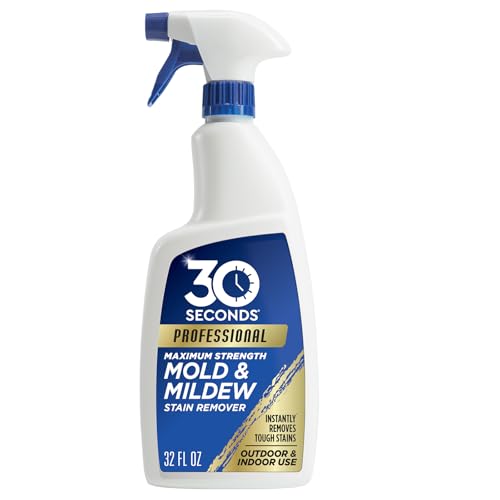



Mold is a common issue that many homeowners face, particularly in areas prone to moisture, such as window sills. Mold thrives in damp environments and can pose health risks if not addressed promptly. This guide will walk you through understanding mold growth, essential cleaning supplies, a step-by-step cleaning process, prevention tips, when to seek professional help, and maintaining clean window sills.

Understanding Mold Growth

Mold is a type of fungus that reproduces through tiny spores that float through the air. It thrives in damp environments, making window sills a common place for growth due to condensation and humidity. Recognizing the signs of mold early can prevent more significant issues later. Typical indicators include visible black or green patches, a musty smell, and potential water damage around windows.
Mold can cause a variety of health problems, particularly for individuals with respiratory issues or weakened immune systems. Therefore, it is crucial to address mold growth as soon as it is detected. Understanding the conditions that promote mold growth is the first step in preventing it from becoming a recurring problem.
Essential Cleaning Supplies


Before you embark on cleaning your window sills, it’s important to gather the necessary materials. Here’s a list of essential supplies you will need:
– Rubber gloves: Protect your skin from mold spores and cleaning solutions.
– Masks: Prevent inhalation of mold spores during the cleaning process.
– Cleaning solutions: You can choose from several effective options:
– Vinegar: A natural mold killer that is safe and effective.
– Baking soda: Helps to scrub away mold and eliminate odors.
– Commercial mold removers: Specialized products designed for stubborn mold.
Having these supplies ready will streamline the cleaning process and help ensure your safety.
Step-by-Step Cleaning Process

Cleaning mold from your window sills can be a straightforward task if done correctly. Follow these steps for an effective cleaning:
1. Remove items: Start by clearing any decorations or plants from the window sill to access the mold directly.
2. Prepare cleaning solution: If using a homemade solution, mix equal parts water and vinegar in a spray bottle or make a paste with baking soda and water.
3. Apply the solution: Spray or apply the cleaning solution generously to the affected areas. Allow it to sit for at least 10-15 minutes to penetrate the mold.
4. Scrub the area: Using a scrub brush or an old toothbrush, scrub the area to lift the mold from the surface. Be thorough but gentle to avoid damaging the window sill.
5. Wipe clean: Use a damp cloth to wipe away any remaining mold and cleaning solution. Make sure to rinse the cloth frequently to avoid spreading mold spores.
6. Dry the area: It’s crucial to dry the window sill completely after cleaning, as moisture can promote mold regrowth.
Here’s a helpful visual representation of some common cleaning solutions and their effectiveness against mold:
Effectiveness of Common Cleaning Solutions Against Mold
| # | Cleaning Solution | Effectiveness | Ease of Use | Cost |
|---|---|---|---|---|
| 1 | Vinegar | High | Easy | Low |
| 2 | Baking Soda | Medium | Moderate | Low |
| 3 | Commercial Mold Removers | Very High | Easy | Medium |
Prevention Tips
Preventing mold growth in your window sills is far easier than cleaning it up. Here are some effective prevention tips:– Seal windows properly: Ensure that all windows are sealed against moisture. Check for gaps and apply caulk where necessary.
– Use window treatments: Installing blinds or curtains can help control condensation on the glass.
– Maintain indoor humidity levels: Aim to keep indoor humidity below 60% by using dehumidifiers or air conditioning.
– Ventilate: Regularly open windows and doors to promote air circulation, especially in high-moisture areas like kitchens and bathrooms.
By following these simple practices, you can significantly reduce the likelihood of mold growth in your home, especially around your window sills.
When to Seek Professional Help
While many mold issues can be handled with DIY methods, there are instances where you should consider seeking professional help. If you notice:
– Large areas of mold: If mold covers more than 10 square feet, it may indicate a larger issue that requires professional remediation.
– Frequent mold recurrence: If mold returns shortly after cleaning, it may be a sign of underlying problems such as leaks or poor ventilation.
– Health concerns: If you or your family members experience health issues related to mold exposure, it is wise to consult with professionals who specialize in mold remediation.
Understanding when DIY methods are inadequate can protect your home from further damage and health risks associated with mold.
Maintaining Clean Window Sills
Regular maintenance of your window sills can help keep them free from mold and looking fresh. Here are some effective strategies:
– Establish a cleaning routine: Incorporate window sills into your regular cleaning schedule. A quick wipe-down with a damp cloth can prevent mold buildup.
– Use dehumidifiers: Especially in areas prone to high humidity, dehumidifiers can help keep moisture levels in check.
– Improve ventilation: Ensure that your home is well-ventilated, particularly in high-moisture areas. Exhaust fans in kitchens and bathrooms can help mitigate humidity levels.
By implementing these maintenance strategies, you create an environment that is less conducive to mold growth, ensuring that your home remains clean and healthy.
Mold Removal Products: A Comparison of Effectiveness
| Feature | ⭐ Vinegar | Baking Soda | Commercial Remover |
|---|---|---|---|
| Natural Ingredients | ✅ | ✅ | ❌ |
| Ease of Use | Easy | Moderate | Very Easy |
| Cost | Low | Low | Medium |
| Instant Results | ❌ | ❌ | ✅ |
| Odor Neutralization | ✅ | ✅ | ✅ |
| Safety for Pets | ✅ | ✅ | ❌ |
| Mold Kill Rate | Moderate | Low | High |
| Surface Compatibility | All surfaces | Most surfaces | Specific surfaces |
| User Reviews | ★★★★☆ | ★★★☆☆ | ★★★★★ |
| 🏆 Best For | Eco-friendly cleaning | Budget cleaning | Stubborn mold removal |
Cleaning your window sills regularly and addressing moisture issues can keep mold at bay. Start your cleaning today, and don’t hesitate to seek professional help if needed. By understanding mold growth, utilizing effective cleaning supplies, maintaining regular cleaning habits, and implementing preventive measures, you can ensure a healthier living environment free from mold.
Frequently Asked Questions
What are the best methods to clean mold in window sills?
The best methods to clean mold in window sills include using a mixture of water and vinegar, or a solution of water and mild detergent. For tougher mold, a diluted bleach solution can be effective, but ensure proper ventilation and wear gloves. After cleaning, wipe the area dry to prevent future mold growth.
How do I prevent mold from growing back in my window sills?
To prevent mold from returning in your window sills, ensure proper ventilation in your home by opening windows and using exhaust fans. Regularly clean your window sills and check for leaks or condensation, as moisture is a key factor in mold growth. Additionally, consider using dehumidifiers in damp areas.
Why is mold growing in my window sills?
Mold typically grows in window sills due to excess moisture and poor ventilation. Factors such as humidity, condensation from temperature differences, and water leaks can create an ideal environment for mold growth. Addressing these issues is crucial to eliminating and preventing mold.
Which products are safe to use for cleaning mold in window sills?
Safe products for cleaning mold in window sills include white vinegar, baking soda, and hydrogen peroxide. These natural solutions are effective against mold and are less harmful to your health compared to harsh chemicals. Always test a small area first to ensure compatibility with your window sill material.
How often should I check for mold in my window sills?
You should check for mold in your window sills at least once a month, especially during humid seasons or after heavy rains. Regular inspections can help you catch mold growth early, making it easier to clean and preventing more serious infestations. If you notice any signs of moisture or discoloration, act immediately.
References
- https://www.cdc.gov/mold/cleanup.html
https://www.cdc.gov/mold/cleanup.html - https://www.epa.gov/mold/mold-cleanup-your-home
https://www.epa.gov/mold/mold-cleanup-your-home - https://www.who.int/news-room/fact-sheets/detail/mold
https://www.who.int/news-room/fact-sheets/detail/mold - https://www.ncbi.nlm.nih.gov/pmc/articles/PMC5705391/
https://www.ncbi.nlm.nih.gov/pmc/articles/PMC5705391/ - Page Not Found – Site Help – Mayo Clinic
https://www.mayoclinic.org/diseases-conditions/asthma/expert-answers/mold/faq-20058044 - https://www.britannica.com/science/mold
https://www.britannica.com/science/mold - https://www.nytimes.com/2021/08/23/realestate/mold-home.html
https://www.nytimes.com/2021/08/23/realestate/mold-home.html - Google Scholar Google Scholar
https://scholar.google.com/scholar?q=how+to+clean+mold+in+window+sill - Google Scholar Google Scholar
https://scholar.google.com/scholar?q=mold+cleanup+guidelines - Google Scholar Google Scholar
https://scholar.google.com/scholar?q=mold+removal+techniques
