How to Clean Mold Off a Natural Stone Shower
Understanding Mold and Its Impact on Natural Stone
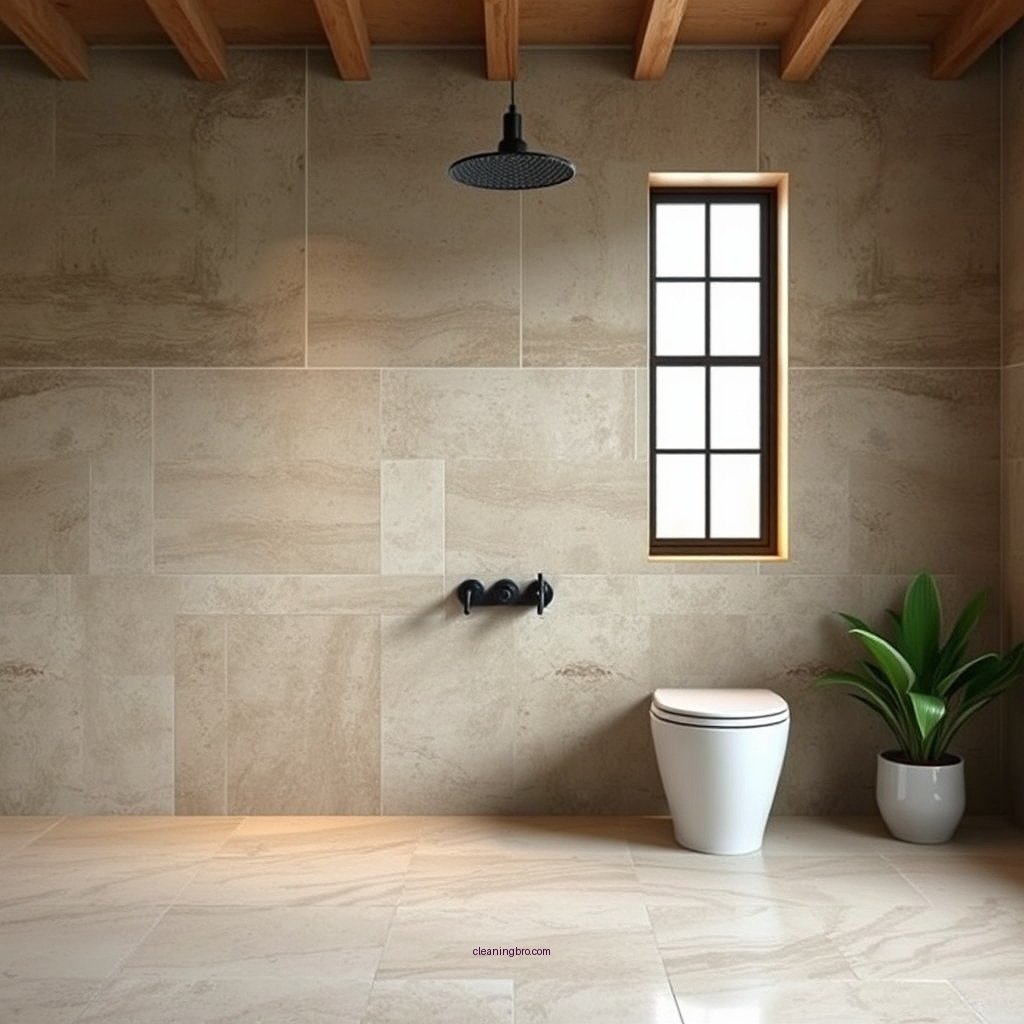
Mold is a type of fungus that thrives in damp environments, making showers a common breeding ground. It can appear as black, green, or white patches and can pose health risks, particularly for individuals with respiratory issues or allergies. Natural stone, including granite, marble, and limestone, is porous and can easily absorb moisture. This characteristic allows mold spores to penetrate the stone, leading to discoloration and potential damage over time. When mold is left untreated, it can weaken the stone’s structure and diminish the overall aesthetic appeal of your shower.
Essential Supplies for Mold Removal
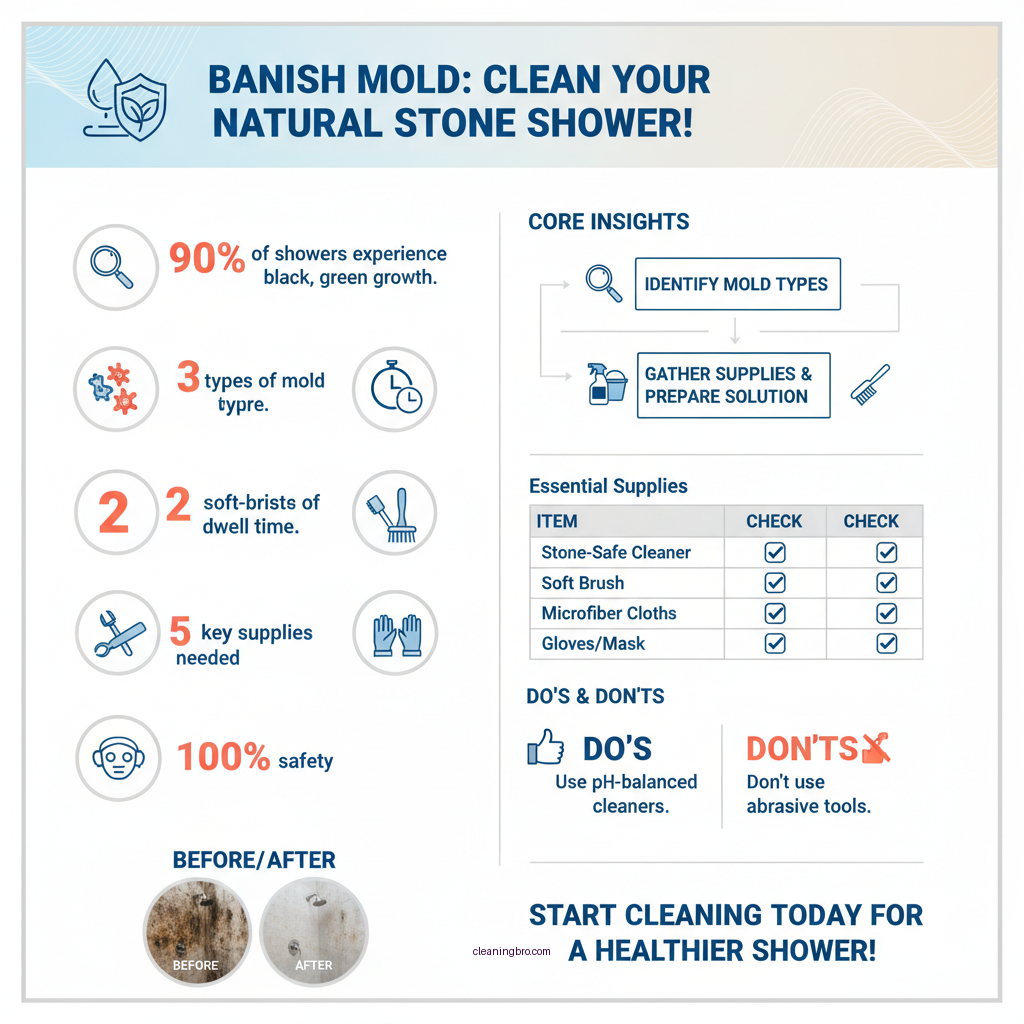
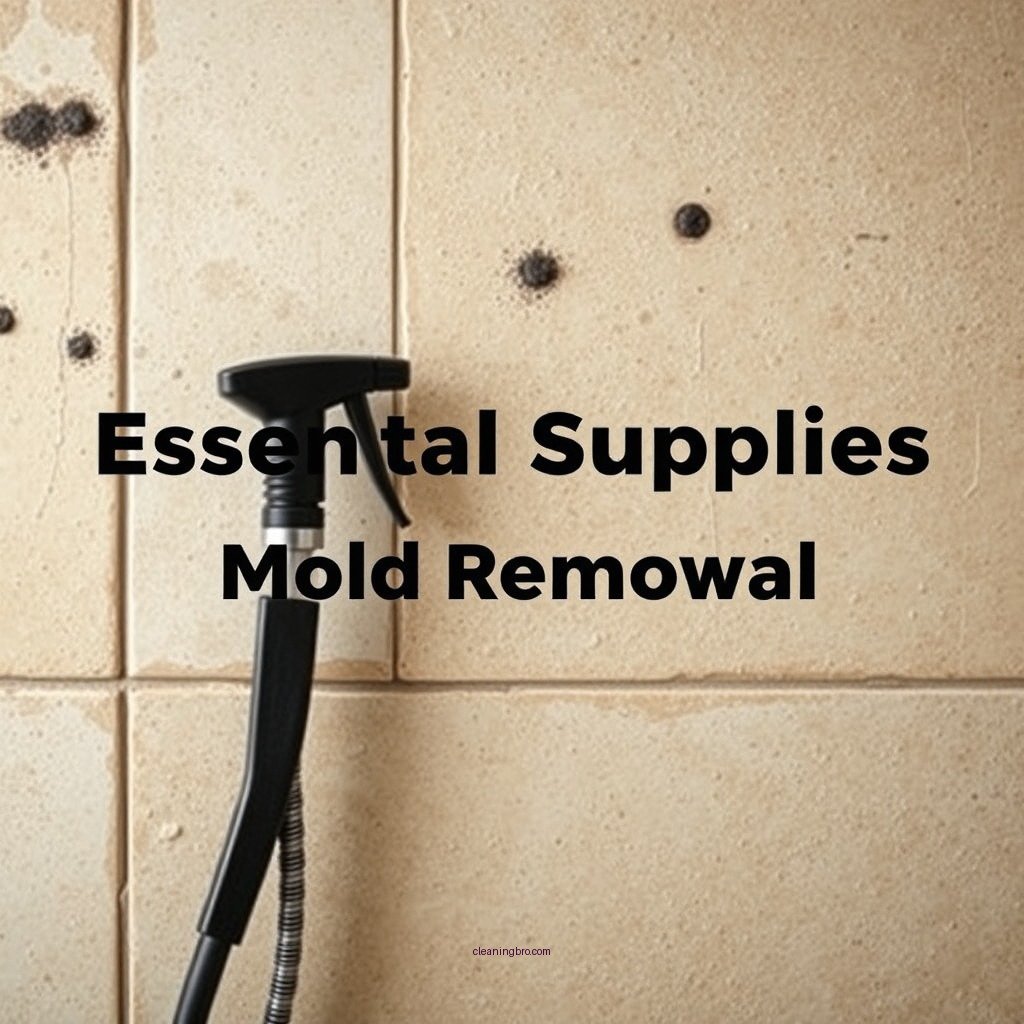
To effectively clean mold off natural stone, it is essential to use the right supplies that won’t harm the stone’s surface. Here are some essential items you should gather before starting the cleaning process:
– Mild Detergent or Natural Stone-Safe Cleaner: Look for pH-balanced cleaners specifically designed for natural stone. These will help prevent etching and damage.
– Soft-Bristle Brush: A soft brush is crucial for gently scrubbing the mold without scratching the stone’s surface.
– Non-Abrasive Cloths: Use microfiber or soft cloths to wipe down surfaces after cleaning to avoid leaving scratches.
– Spray Bottle: For applying cleaning solutions evenly over affected areas.
– Gloves and Mask: Protect your hands and respiratory system from mold spores and cleaning solutions.
Step-by-Step Cleaning Process
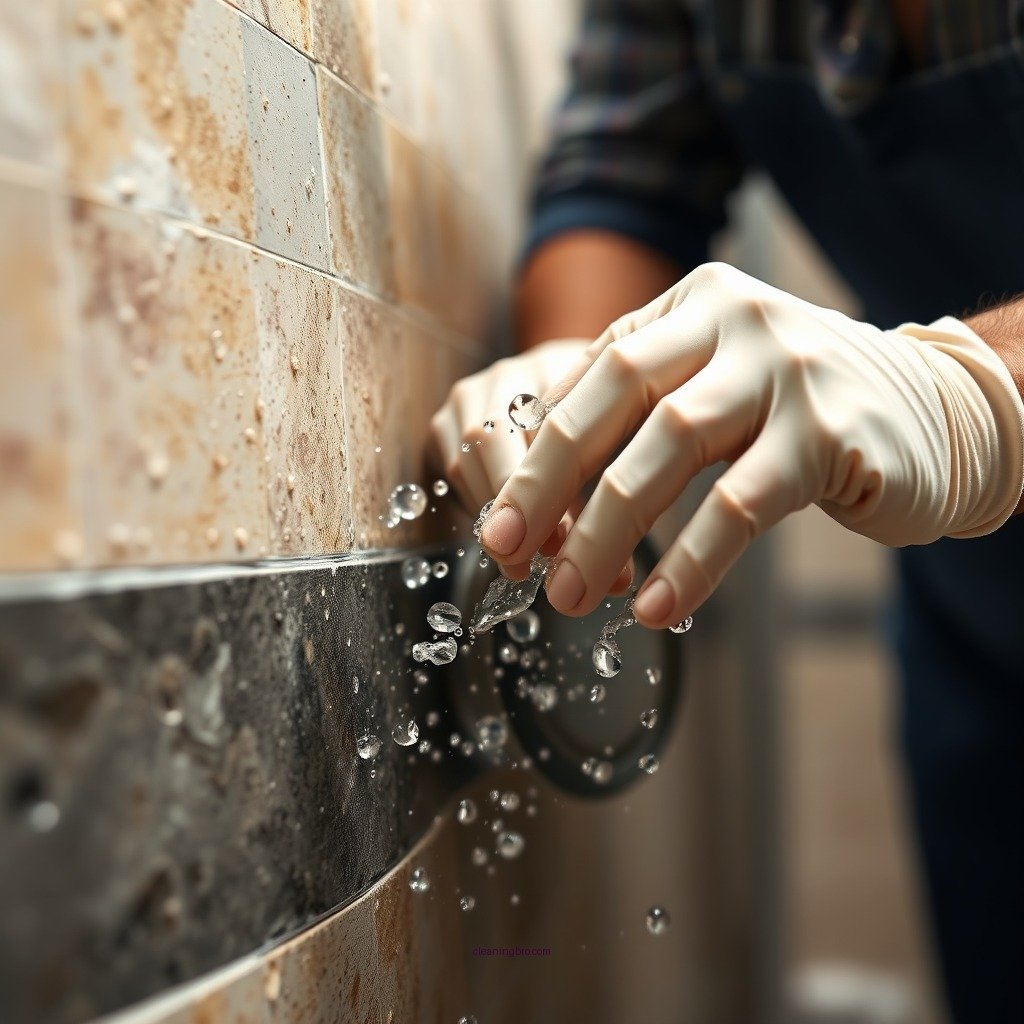
Cleaning mold from a natural stone shower can be straightforward if you follow these steps:
1. Prepare the Cleaning Solution: Mix a solution of warm water and your chosen stone-safe cleaner. If using a mild detergent, a few drops in a gallon of water should suffice.
2. Apply the Solution: Use a spray bottle to apply the solution generously to the mold-affected areas. Make sure to cover all visible mold spots evenly and let it sit for about 5-10 minutes. This dwell time helps to loosen the mold.
3. Scrub Gently: With a soft-bristle brush, gently scrub the moldy areas in circular motions. Start from the top and work your way down to prevent drips from the clean areas.
4. Rinse Thoroughly: After scrubbing, rinse the area with clean water to remove any residue of the cleaning solution. Ensure that no soap remains as it might cause further buildup.
5. Dry the Surface: Wipe the area with a non-abrasive cloth to dry the surface completely, as moisture can lead to mold regrowth.
6. Inspect and Repeat if Necessary: Check for any remaining mold spots and repeat the cleaning process if necessary.
Tips for Preventing Future Mold Growth
Preventing mold growth in your natural stone shower is as critical as cleaning it. Here are some effective tips to keep mold at bay:– Ensure Proper Ventilation: Install an exhaust fan or open a window to reduce humidity levels in the bathroom. Good airflow helps keep the area dry, making it less conducive for mold growth.
– Regularly Clean and Dry the Shower: Make it a habit to wipe down the shower walls and floor after each use. This simple practice can significantly reduce moisture buildup.
– Use a Squeegee: After showering, use a squeegee to remove excess water from the walls and floor. This can help minimize water pooling and stagnant moisture.
– Invest in a Dehumidifier: In particularly humid environments, a dehumidifier can help maintain lower humidity levels, reducing the chances of mold growth.
Safe DIY Mold Removal Alternatives
If you prefer eco-friendly alternatives for mold removal, consider these safe options:
– Vinegar Solution: White vinegar is a natural antifungal and can effectively kill most mold species. Mix equal parts of vinegar and water in a spray bottle and apply it to the affected areas. Let it sit for at least an hour before scrubbing and rinsing.
– Baking Soda Paste: Create a paste by mixing baking soda with water. Apply it directly to the mold spots, let it sit for a few minutes, and then scrub gently. Rinse thoroughly afterward.
– Avoid Harsh Chemicals: Stay away from bleach and ammonia-based cleaners, as these can damage natural stone surfaces and may not effectively eliminate mold spores due to their chemical composition.
When to Call a Professional
While many mold issues can be managed with DIY methods, there are instances when professional assistance is warranted:
– Persistent Mold: If mold continues to return despite your cleaning efforts, it may indicate a larger problem, such as hidden leaks or moisture issues behind the walls.
– Large Areas of Mold: When mold covers a significant area, it may require specialized equipment and knowledge to address safely without damaging the stone.
– Health Concerns: If you or your family members have allergies or respiratory issues, it’s advisable to consult professionals to ensure thorough and safe mold removal.
Maintaining Your Natural Stone Shower
To keep your natural stone shower in pristine condition, consider implementing a regular maintenance schedule. Here are some strategies to maintain its beauty and functionality:
– Establish a Cleaning Routine: Aim to clean your shower at least once a week using mild soap or a stone-safe cleaner. This prevents buildup and keeps mold growth at bay.
– Use Sealants: Apply a sealant specifically designed for natural stone to protect the surface from moisture and stains. Sealants can help reduce the porosity of the stone, making it less prone to mold.
– Monitor Humidity Levels: Invest in a hygrometer to track humidity levels in your bathroom. Maintaining humidity below 50% can dramatically decrease the likelihood of mold growth.
– Inspect Regularly: Make a habit of inspecting your shower for early signs of mold or water damage. Early detection can prevent larger issues down the road.
Cleaning mold from a natural stone shower can be straightforward with the right approach and supplies. By following these steps and preventive measures, you can effectively remove mold and maintain the beauty of your shower. For ongoing care, make it a habit to regularly clean and monitor moisture levels, ensuring your natural stone remains a stunning and hygienic feature of your bathroom.
Top Natural Stone Types for Shower Applications
| # | Stone Type | Porosity (%) | Mold Resistance | Best Use |
|---|---|---|---|---|
| 1 | Granite | 0.4-1.5% | High | Shower Walls |
| 2 | Marble | 1-6% | Medium | Shower Floors |
| 3 | Limestone | 5-25% | Low | Accent Features |
| 4 | Soapstone | 0.1-1% | High | Shower Walls |
| 5 | Travertine | 5-20% | Low | Decorative Use |
| 6 | Quartzite | 0.1-1% | High | Shower Walls |
| 7 | Slate | 0.5-1.5% | High | Shower Floors |
Mold Growth Potential by Natural Stone Type
Best Natural Stone Cleaners for Mold Removal
| Feature | ⭐ Stone Care International | Simple Green Naturals | Zep Neutral pH |
|---|---|---|---|
| Type | Liquid | Concentrated | Liquid |
| pH Level | Neutral | 5.5 | Neutral |
| Eco-Friendly | ✅ | ✅ | ✅ |
| Streak-Free | ✅ | ❌ | ✅ |
| Mold Removal | ✅ Effective | ✅ Effective | ✅ Effective |
| Safe for Food Surfaces | ✅ | ✅ | ❌ |
| Concentration Ratio | Ready-to-use | Mix 1:3 | Ready-to-use |
| Non-toxic | ✅ | ✅ | ❌ |
| Availability | Online & Retail | Online | Retail only |
| 🏆 Best For | Homeowners | Environmentally conscious users | Commercial spaces |
In summary, addressing mold in your natural stone shower is not only a matter of aesthetics but also a matter of health and maintenance. By understanding the nature of mold, employing the right cleaning techniques, and taking preventive measures, you can ensure that your shower remains a safe and beautiful space for years to come. Regular maintenance and the use of appropriate products will help preserve the integrity of your natural stone while keeping it free from unsightly mold.
Frequently Asked Questions
What are the best natural products to clean mold off natural stone shower surfaces?
The best natural products for cleaning mold off natural stone shower surfaces include white vinegar, baking soda, and hydrogen peroxide. Mix equal parts of vinegar and water in a spray bottle for an effective mold remover, or create a paste with baking soda and water to scrub away stubborn spots. Always test these solutions on a small area first to ensure they do not damage the stone.
How do I safely remove mold from my natural stone shower without causing damage?
To safely remove mold from your natural stone shower, start by using a soft-bristled brush or sponge to avoid scratching the surface. Apply a mixture of warm water and a few drops of mild dish soap or a pH-balanced stone cleaner, gently scrubbing the affected areas. Rinse thoroughly with water to ensure no residue remains, which can harm the stone over time.
Why does mold grow on natural stone showers and how can I prevent it?
Mold grows on natural stone showers primarily due to moisture and lack of ventilation, as humidity creates an ideal environment for mold spores to thrive. To prevent mold growth, ensure proper ventilation by using an exhaust fan and regularly squeegeeing water off the stone surfaces after use. Additionally, consider applying a stone sealer to minimize water absorption.
Which cleaning tools are most effective for removing mold from natural stone?
The most effective cleaning tools for removing mold from natural stone include a soft-bristle brush, microfiber cloths, and a non-abrasive sponge. These tools help to gently scrub the surface without scratching or damaging the stone, ensuring a thorough clean without compromising its integrity.
How often should I clean my natural stone shower to prevent mold growth?
To prevent mold growth in your natural stone shower, it’s recommended to clean the surfaces at least once a week. Regular cleaning helps to remove soap scum and moisture, which are breeding grounds for mold. Additionally, a deep clean every month using a specialized stone cleaner can help maintain the stone’s appearance and longevity.
References
- https://www.cdc.gov/mold/cleanup-guide.html
https://www.cdc.gov/mold/cleanup-guide.html - Mold Cleanup in Your Home | US EPA
https://www.epa.gov/mold/mold-cleanup-your-home - https://www.ncbi.nlm.nih.gov/pmc/articles/PMC6040177/
https://www.ncbi.nlm.nih.gov/pmc/articles/PMC6040177/ - Can a lack of sleep cause high blood pressure? – Mayo Clinic
https://www.mayoclinic.org/healthy-lifestyle/adult-health/expert-answers/mold/faq-20057959 - https://www.who.int/news-room/fact-sheets/detail/mold
https://www.who.int/news-room/fact-sheets/detail/mold - https://www.nature.com/articles/s41598-020-74359-6
https://www.nature.com/articles/s41598-020-74359-6 - https://www.britannica.com/science/mold
https://www.britannica.com/science/mold - Google Scholar Google Scholar
https://scholar.google.com/scholar?q=cleaning+mold+off+natural+stone+shower - Google Scholar Google Scholar
https://scholar.google.com/scholar?q=how+to+remove+mold+from+stone - Google Scholar Google Scholar
https://scholar.google.com/scholar?q=natural+stone+shower+mold+cleaning+methods