How to Clean Mold Off Cement Statues: Effective Methods
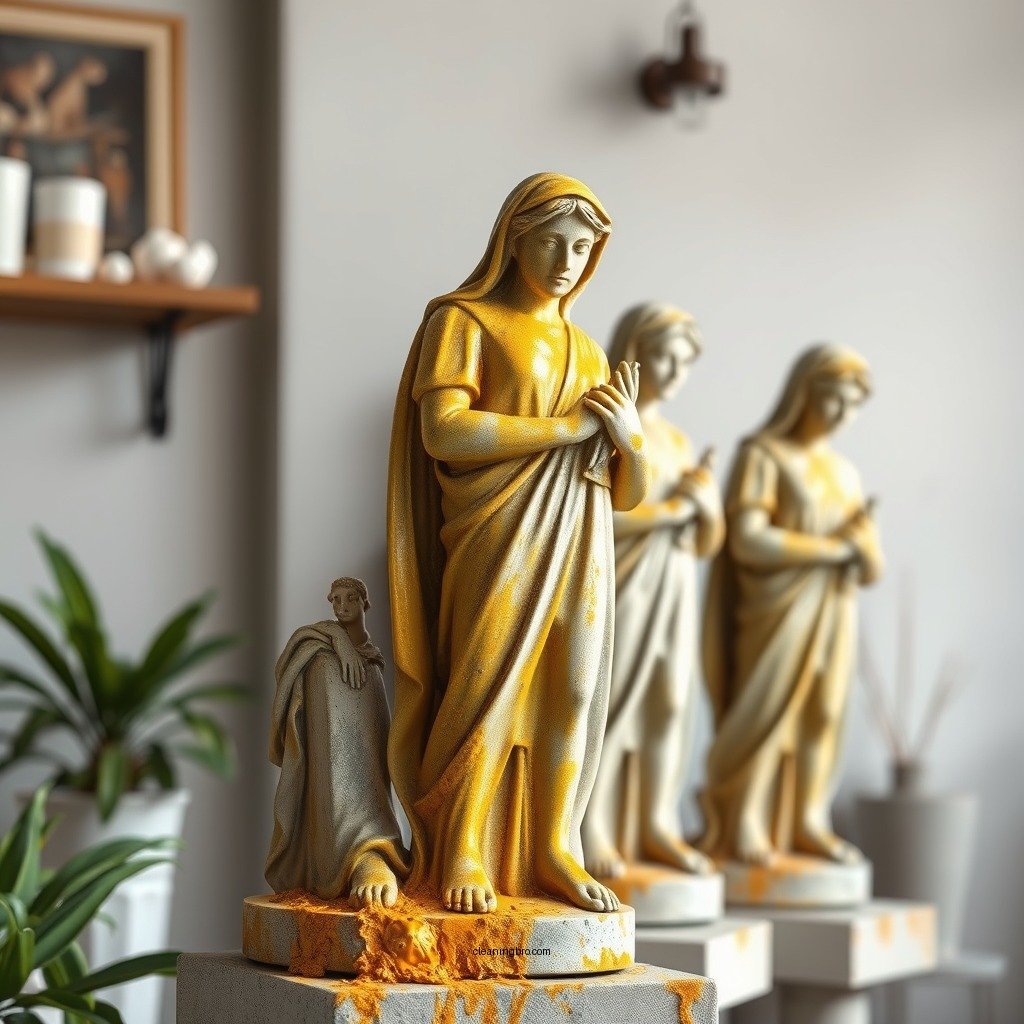
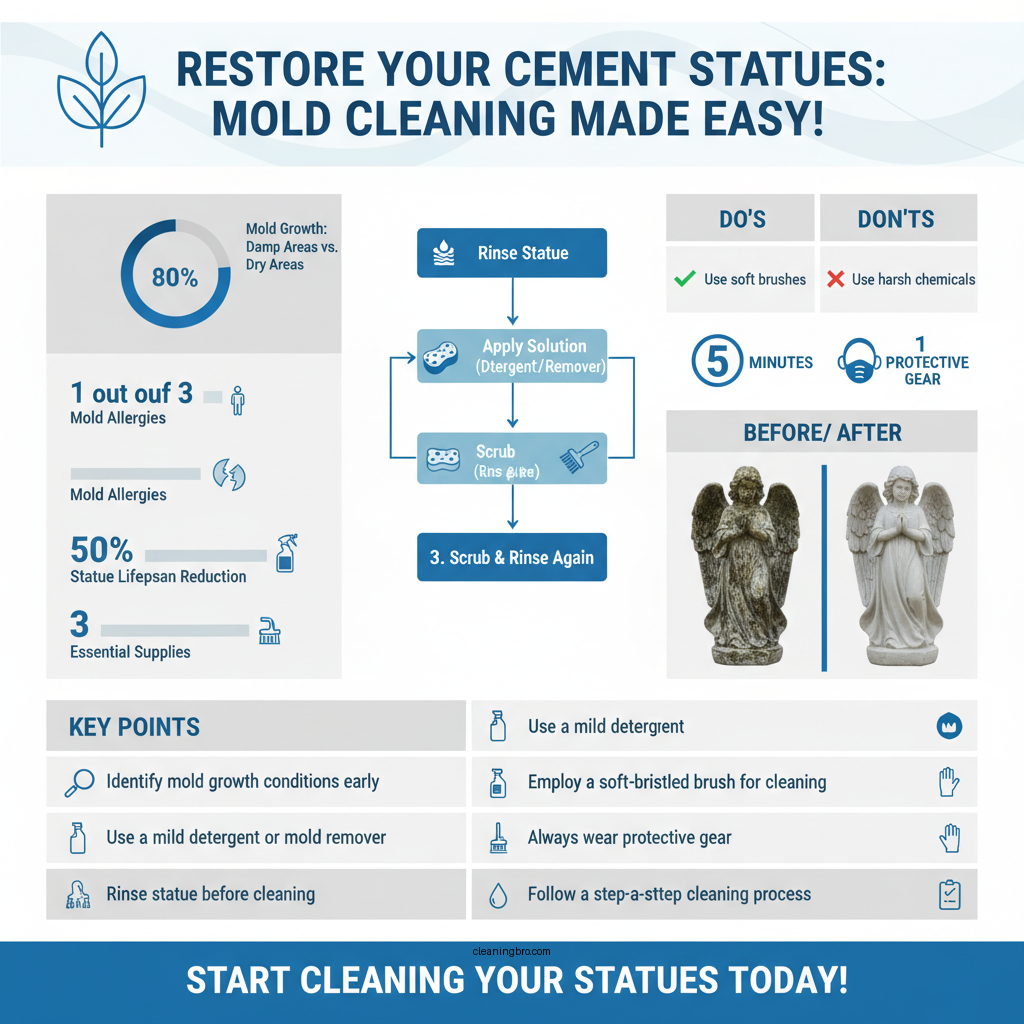
Cleaning mold off cement statues can be effectively achieved using a few simple methods and materials. In this guide, you’ll learn the best techniques to restore your cement statues to their original beauty by removing mold and mildew safely. Cement statues, often a cherished addition to gardens and outdoor spaces, can suffer from unsightly mold growth due to their exposure to the elements. Prompt cleaning not only enhances their aesthetic appeal but also prolongs their lifespan.
Understanding Mold Growth on Cement Statues
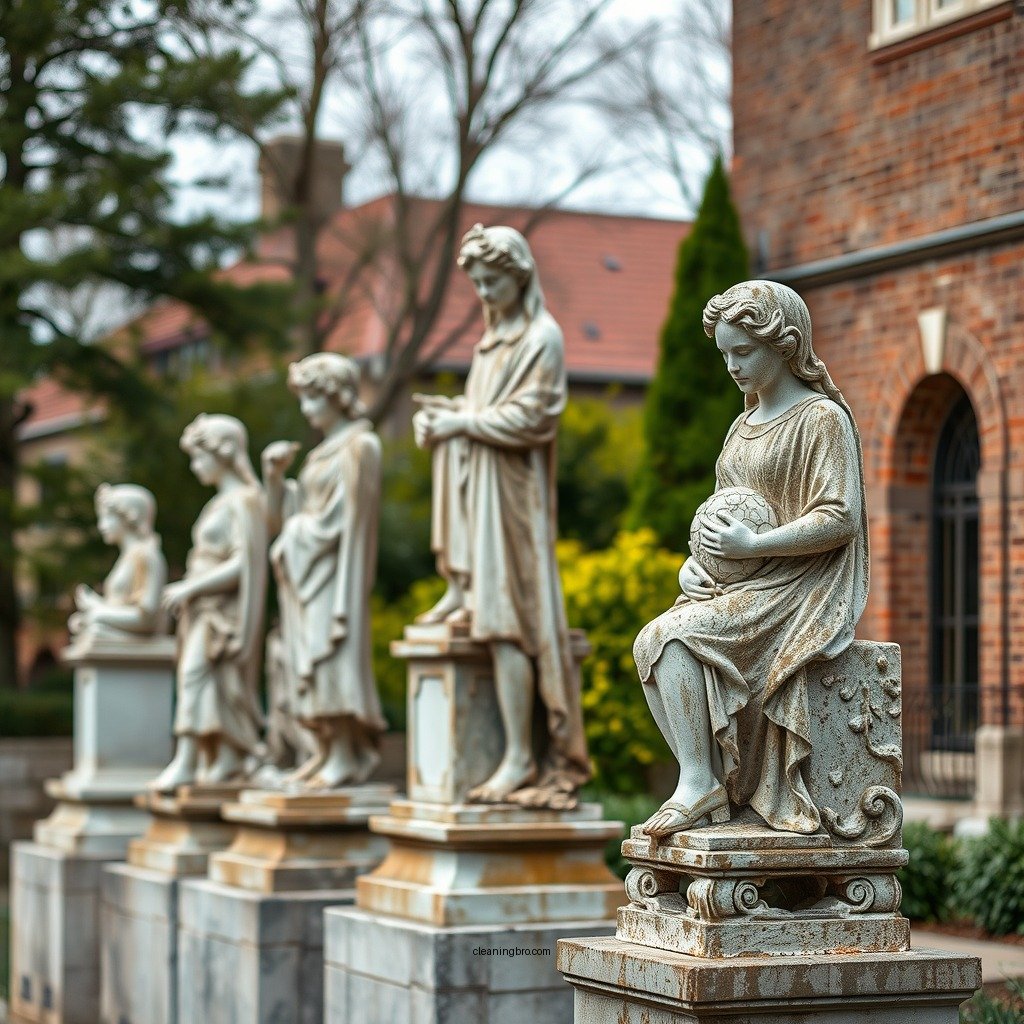
Mold thrives in damp, shaded areas, often appearing as black or green spots on the surface of cement statues. The porous nature of cement makes it particularly susceptible to moisture retention, creating an ideal environment for mold and mildew to flourish. When left unchecked, mold can lead to deterioration of the statue’s surface, causing cracks and structural weakness over time. Therefore, it is crucial to address mold growth promptly to maintain the integrity and beauty of your outdoor decor.
Additionally, mold can pose health risks, particularly for individuals with respiratory issues or allergies. Understanding the conditions that promote mold growth is the first step in preventing it from becoming a recurring problem on your statues.
Essential Cleaning Supplies
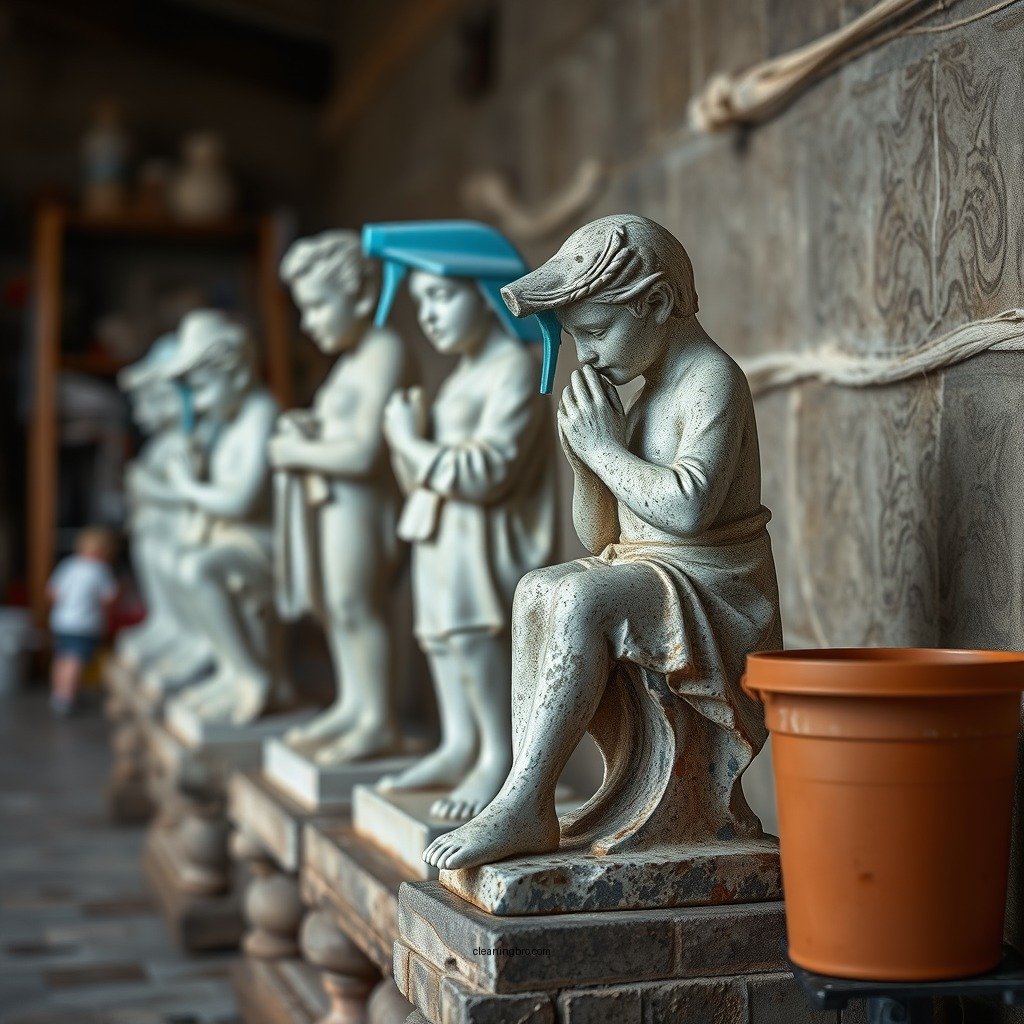
To effectively clean mold off cement statues, you will need a few essential supplies, which include:
– Mild Detergent or Specialized Mold Remover: Using a gentle cleaning solution or a dedicated mold remover can help break down mold and mildew without damaging the statue’s surface.
– Soft-Bristled Brush or Sponge: A soft-bristled brush or sponge is critical to avoid scratching or damaging the cement. The right tool helps lift mold and dirt without compromising the statue’s finish.
– Water Spray Bottle: A spray bottle can help apply cleaning solutions evenly and allows you to control the amount of liquid used.
– Protective Gear: Gloves and a mask are advisable to protect your skin and respiratory system from mold spores and cleaning chemicals.
Having these supplies on hand ensures that you are prepared to tackle mold growth effectively while minimizing potential damage to your statue.
Step-by-Step Cleaning Process
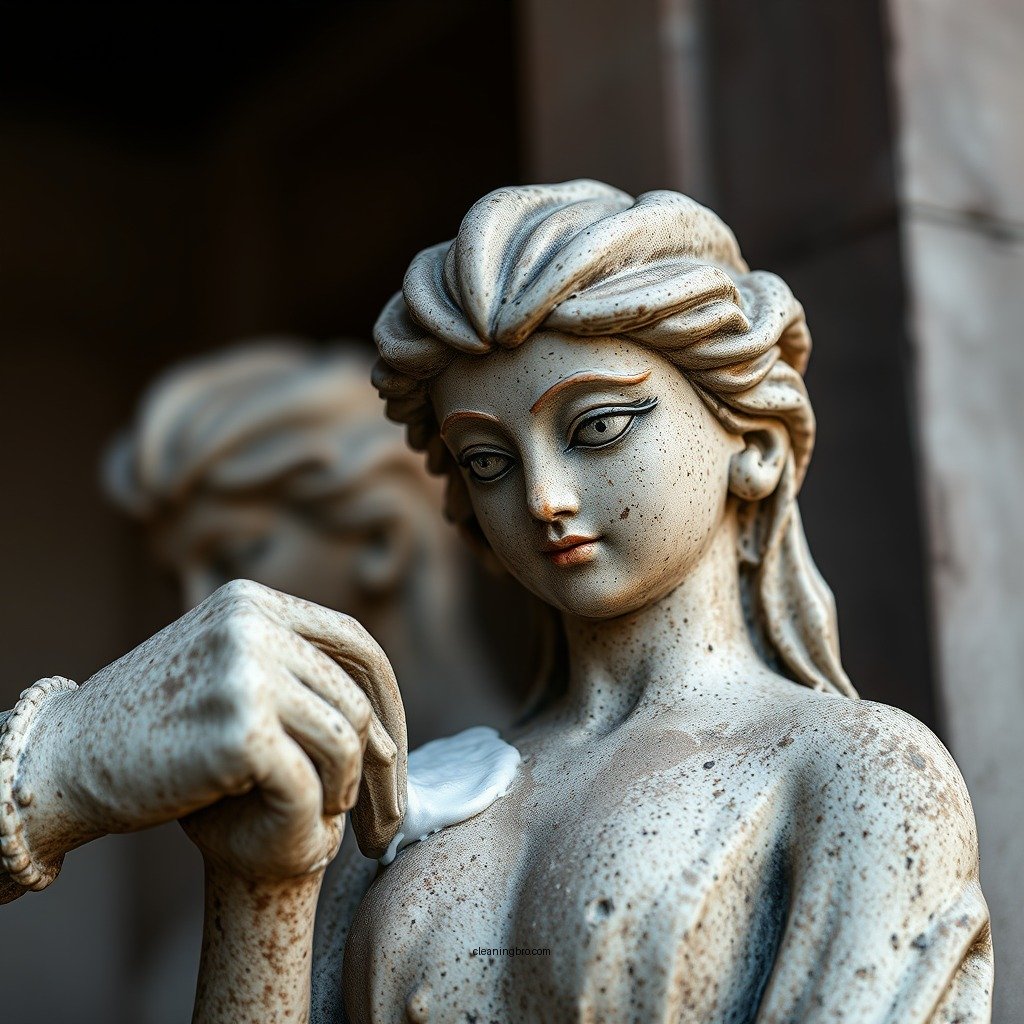
Cleaning mold off cement statues involves a straightforward process that can be completed in a few simple steps:
1. Rinse the Statue: Begin by rinsing the statue with water to remove loose dirt and debris. This step helps to prepare the surface for the cleaning solution and makes it easier to scrub away the mold.
2. Apply Cleaning Solution: Mix your chosen cleaning solution according to the manufacturer’s instructions and apply it generously to the affected areas. If using a mild detergent, mix it with warm water to create a soapy solution.
3. Scrub Gently: Using a soft-bristled brush or sponge, scrub the moldy areas in circular motions. Be gentle to avoid damaging the surface of the cement. This scrubbing will help lift the mold and any attached dirt.
4. Rinse Thoroughly: After scrubbing, rinse the statue thoroughly with clean water to remove all cleaning solution and mold residues. Ensure that no soap remains, as it can attract dirt if left to dry on the surface.
5. Dry Completely: Allow the statue to air dry completely before placing it back in its original location. This drying time is essential to prevent any remaining moisture from promoting further mold growth.
By following these steps, you can restore your cement statue to its original beauty, free from unsightly mold.
Top 5 Mold Cleaning Solutions for Cement Statues (2024)
| # | Product | Active Ingredients | Effectiveness | Environmental Safety |
|---|---|---|---|---|
| 1 | Simple Green | Plant-based Surfactants | High | Yes |
| 2 | Mold Armor | Chlorine Bleach | Medium | Caution |
| 3 | Zep Mold Stain Remover | Sodium Hypochlorite | High | Caution |
| 4 | EcoSMART | Plant-based Ingredients | Very High | Yes |
| 5 | RMR-86 | Hydrogen Peroxide | High | Yes |
Natural Cleaning Alternatives
For those looking for eco-friendly alternatives, natural cleaning solutions can be just as effective as commercial products. Two popular options are:
– Vinegar: White vinegar is a natural mold inhibitor due to its acetic acid content. To use vinegar, mix it with water in a spray bottle (1:1 ratio) and apply it directly to the moldy areas. Allow it to sit for at least an hour before scrubbing and rinsing. This method is not only effective but also safe for the environment.
– Baking Soda: Baking soda is another versatile natural cleaner. Simply mix it with water to form a paste and apply it to the affected areas. Scrub gently and rinse thoroughly. Baking soda is a gentle abrasive, making it perfect for cleaning without scratching the surface of your statue.
Using natural solutions offers several benefits, including reduced chemical exposure and a lower environmental impact compared to commercial cleaners. For many homeowners, these eco-friendly options are not only safer but also cost-effective.
Eco-Friendly vs Chemical Cleaners: A Comparison
| Feature | ⭐ Eco-Friendly Solutions | Chemical Cleaners |
|---|---|---|
| Safety | ✅ Safe for all | ❌ May cause irritation |
| Effectiveness | ✅ Effective for light to moderate mold | ✅ Effective for heavy mold |
| Environmental Impact | ✅ Minimal | ❌ High |
| Cost | ✅ Low | ❌ Higher |
| Availability | ✅ Common household items | ✅ Readily available |
| Long-term Use | ✅ Safe for frequent use | ❌ May damage surfaces over time |
| Ease of Use | ✅ Simple application | ✅ Requires care |
| Odor | ✅ Mild | ❌ Strong |
| Residue | ✅ No residue | ❌ May leave residue |
| 🏆 Best For | Eco-conscious users | Heavy mold issues |
Preventive Measures to Avoid Future Mold Growth
To keep your cement statues looking pristine, implementing preventive measures is essential. Here are some effective strategies:
– Placement: Position your statues in well-ventilated, sunny locations. Direct sunlight can help dry out moisture and inhibit mold growth. If possible, avoid placing statues in areas that are prone to excessive humidity or standing water.
– Regular Inspections: Frequently inspect your statues for early signs of mold or mildew. Catching mold growth early can make it easier to clean and prevent extensive damage.
– Routine Cleaning: Incorporate regular cleaning into your garden maintenance routine. Even simple rinsing with water can help remove dust and moisture that contribute to mold growth.
Implementing these preventive measures not only enhances the longevity of your cement statues but also maintains their aesthetic appeal, ensuring they remain a beautiful focal point in your outdoor space.
When to Seek Professional Help
While many mold issues can be resolved with DIY cleaning methods, there are circumstances where seeking professional help is advisable. For instance, if you encounter severe mold infestations that cover a large area of the statue, or if the mold has penetrated deeply into the cement, specialized cleaning may be necessary.
Professional restorers have access to advanced cleaning techniques and products that can effectively address stubborn mold while ensuring the statue’s integrity is preserved. Additionally, if the statue has significant historical or monetary value, consulting a professional can prevent irreversible damage caused by improper cleaning methods.
Recognizing the signs of severe mold infestation—such as persistent discoloration, a foul odor, or a fuzzy texture—can help you determine when it’s time to call in the experts. Protecting your investment in these beautiful garden pieces is worthwhile for their longevity and overall appearance.
By understanding how to clean and maintain your cement statues, you can ensure that they remain cherished elements of your landscape for years to come.
Wrapping up the methods discussed, it’s clear that with the right tools and techniques, cleaning mold off cement statues can be a straightforward task. Regular maintenance and preventive measures can also help keep your statues looking their best. Start implementing these tips today to restore and protect your cherished garden decor.
Frequently Asked Questions
What are the best methods to clean mold off cement statues?
The best methods to clean mold off cement statues include using a mixture of water and mild detergent, vinegar, or a commercial mold remover. Apply the solution with a soft brush or cloth, scrub gently, and rinse with water to avoid damaging the statue. For stubborn mold, consider using a pressure washer on a low setting to remove it effectively.
How do I prevent mold from growing on my cement statues?
To prevent mold from growing on your cement statues, ensure they are placed in a well-ventilated area with adequate sunlight, as mold thrives in damp, dark conditions. Regularly clean the statues and apply a mold-resistant sealant designed for outdoor use to create a protective barrier against moisture.
Why is it important to remove mold from cement statues?
Removing mold from cement statues is important because mold can deteriorate the material over time and affect the statue’s appearance. Additionally, mold can pose health risks, particularly to individuals with respiratory issues, making regular maintenance crucial for both aesthetic and safety reasons.
Which products are safe for cleaning mold off cement statues?
Safe products for cleaning mold off cement statues include a diluted solution of bleach, white vinegar, or a biodegradable mold cleaner. Always test a small area first to ensure that the cleaner does not harm the surface of the statue. Avoid harsh chemicals that can erode the cement.
How often should I clean my cement statues to prevent mold growth?
You should clean your cement statues at least twice a year, ideally in the spring and fall, to prevent mold growth. However, if your statues are in a particularly damp or shaded area, more frequent cleaning may be necessary to keep them mold-free and looking their best.
References
- https://www.ncbi.nlm.nih.gov/pmc/articles/PMC5080761/
https://www.ncbi.nlm.nih.gov/pmc/articles/PMC5080761/ - https://www.cdc.gov/mold/cleanup.htm
https://www.cdc.gov/mold/cleanup.htm - https://www.epa.gov/mold/mold-cleanup-guidelines-home
https://www.epa.gov/mold/mold-cleanup-guidelines-home - https://www.sciencedirect.com/topics/earth-and-planetary-sciences/mold-removal
https://www.sciencedirect.com/topics/earth-and-planetary-sciences/mold-removal - https://www.bbc.com/future/article/20200908-how-to-fight-mold-and-keep-your-home-healthy
https://www.bbc.com/future/article/20200908-how-to-fight-mold-and-keep-your-home-healthy - Google Scholar Google Scholar
https://scholar.google.com/scholar?q=how+to+clean+mold+off+cement+statues - Google Scholar Google Scholar
https://scholar.google.com/scholar?q=cleaning+mold+from+outdoor+statues - Google Scholar Google Scholar
https://scholar.google.com/scholar?q=mold+removal+techniques+for+statues - how to clean mold off cement statues – Search results
https://en.wikipedia.org/wiki/Special:Search?search=how+to+clean+mold+off+cement+statues - https://www.ncbi.nlm.nih.gov/search/research-articles/?term=how+to+clean+mold+off+cement+statues
https://www.ncbi.nlm.nih.gov/search/research-articles/?term=how+to+clean+mold+off+cement+statues