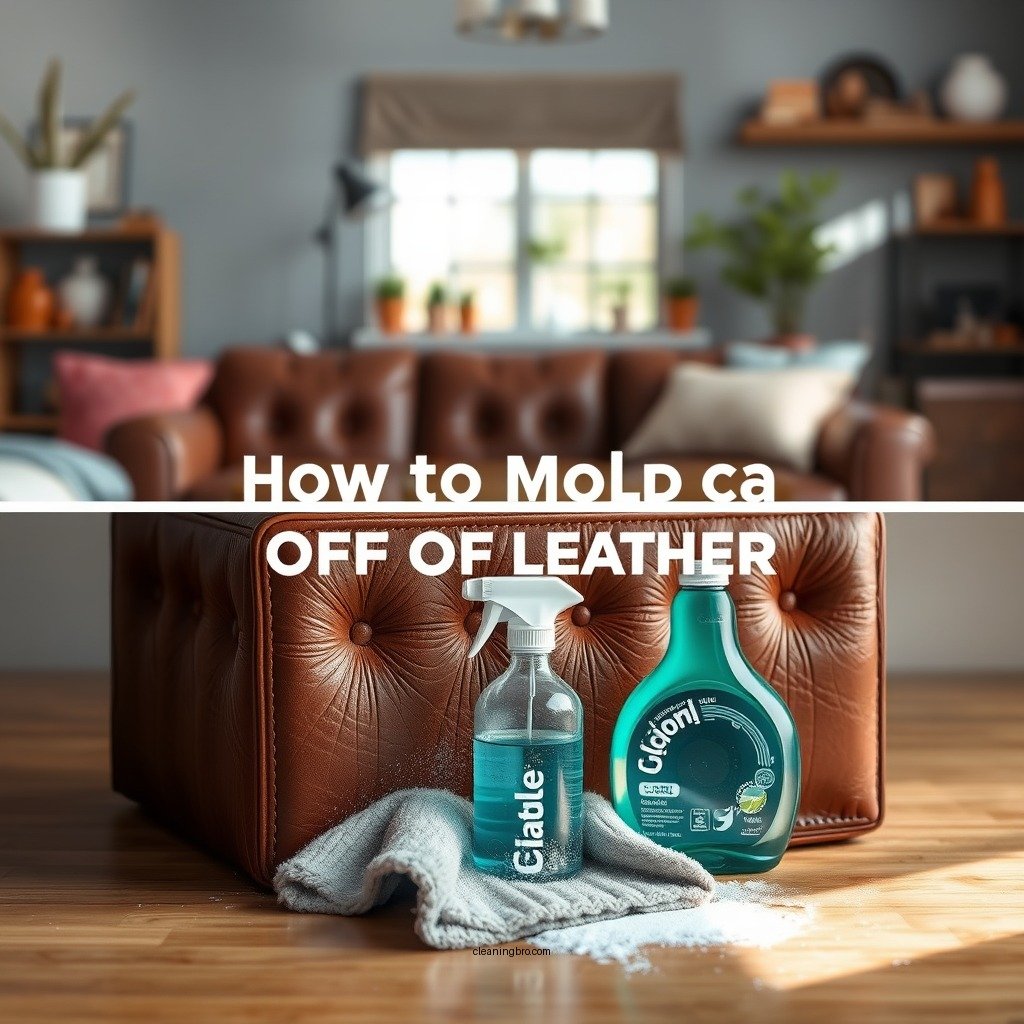
How to Clean Mold Off of Leather: Effective Methods
Cleaning mold off leather requires a careful approach to avoid damaging the material. The key is to use gentle cleaning solutions and techniques that effectively remove mold without harming the leather. This article will guide you through the best methods to safely eliminate mold from your leather items while preserving their integrity and appearance.
Mold is a common problem for leather goods, especially in humid environments. Understanding how to properly address this issue is crucial for maintaining the quality and longevity of your leather items. Let’s break down the process step by step.
Understanding Mold on Leather
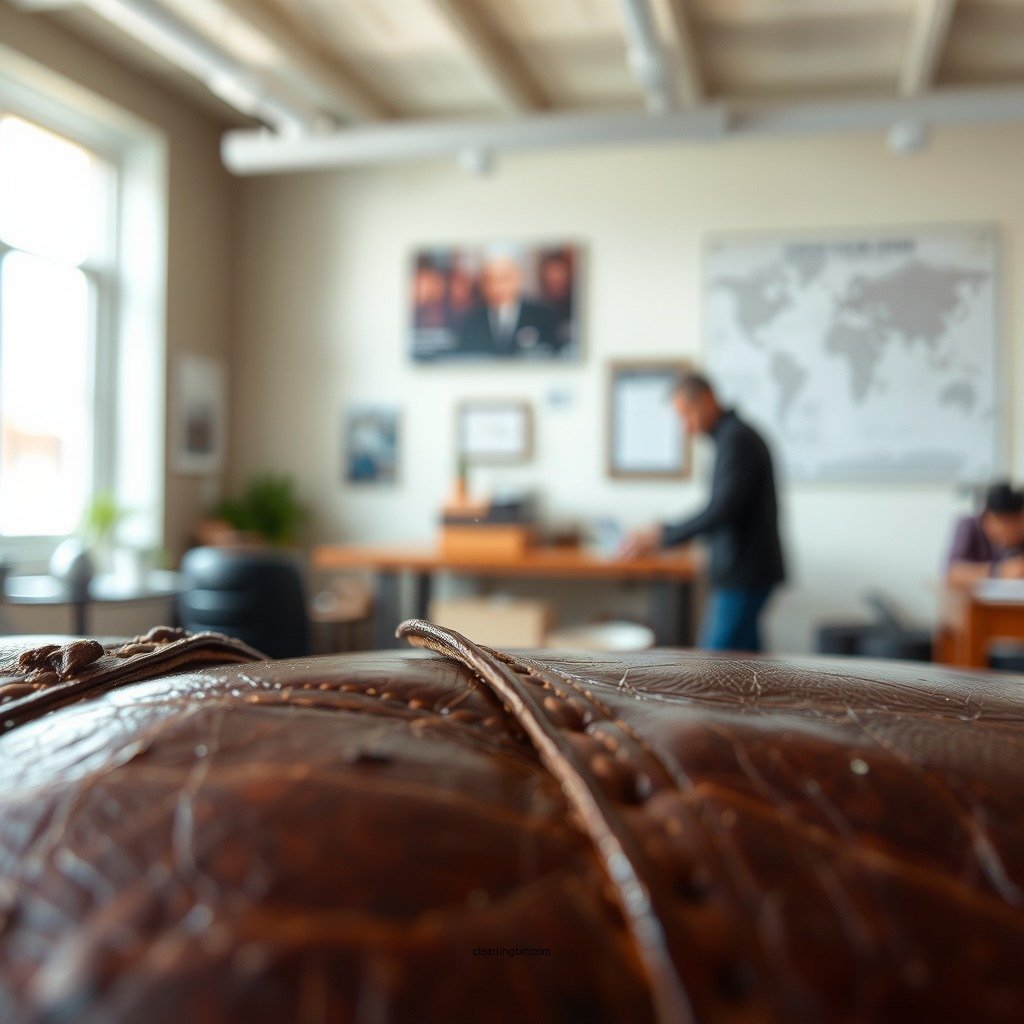
Mold thrives in damp, dark environments, making leather susceptible if not properly stored. Leather, being an organic material, can absorb moisture, which creates a perfect breeding ground for mold spores. Recognizing early signs of mold, such as discoloration, fuzzy spots, or a musty smell, is essential. Ignoring these symptoms can lead to further damage, including structural weakening and odors that are difficult to eliminate.
It is important to understand that mold not only affects the aesthetic of your leather goods but can also lead to health issues, particularly respiratory problems or allergic reactions. Therefore, prompt and effective cleaning is critical when you notice any signs of mold on leather products.
Essential Supplies for Cleaning
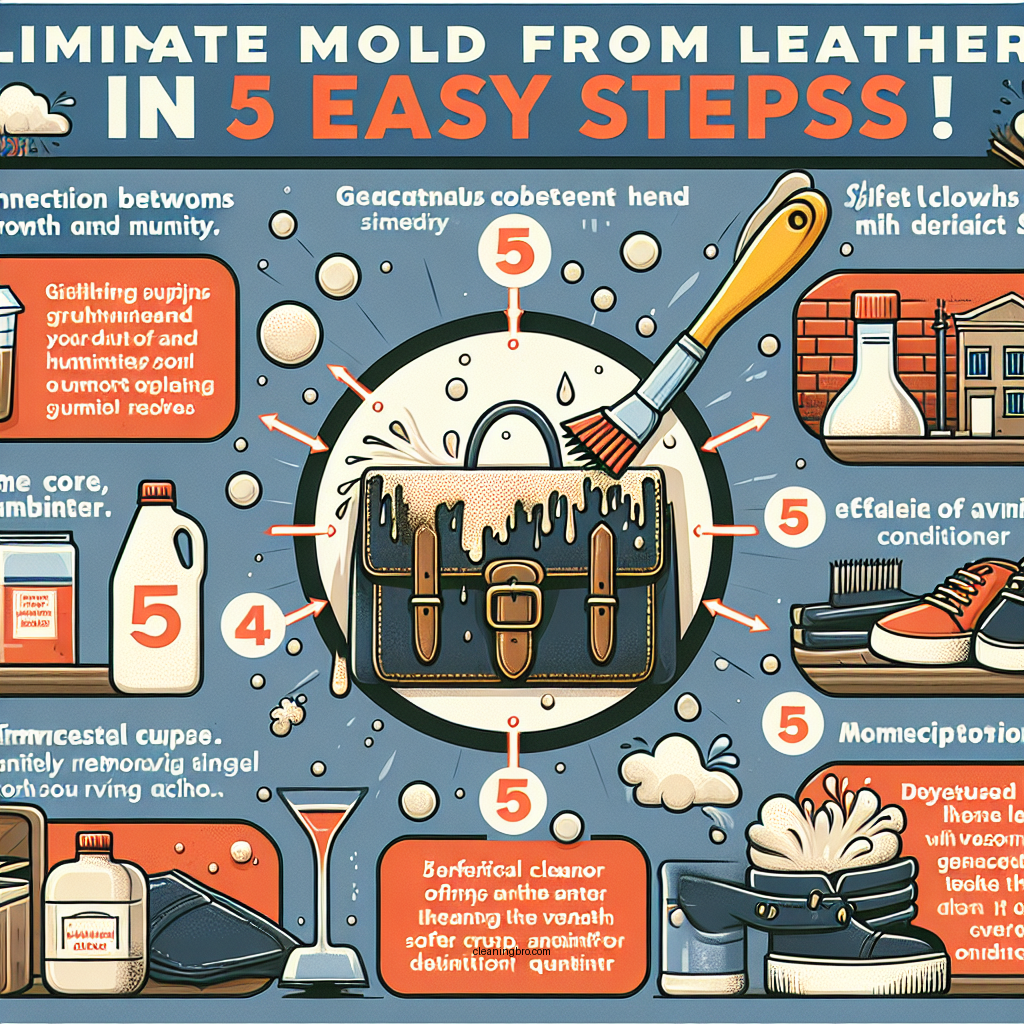
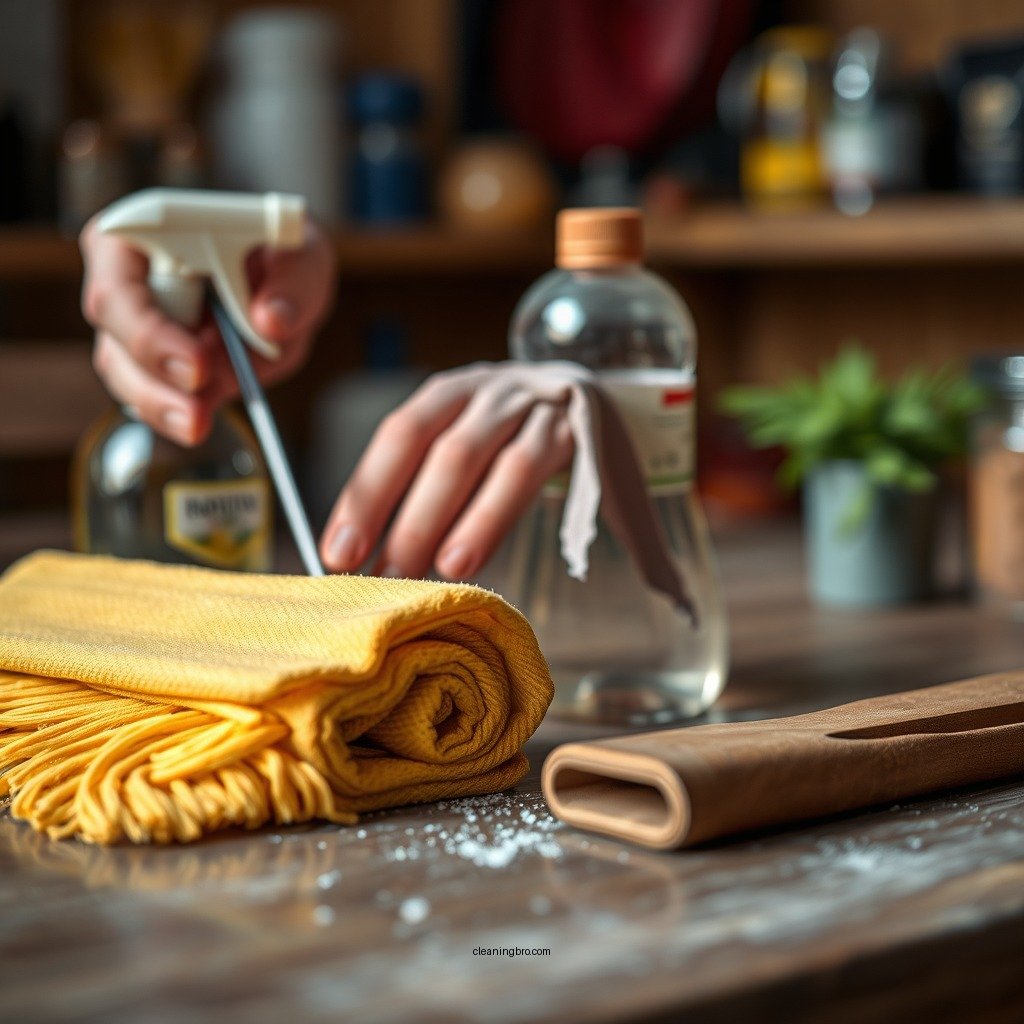
Before you start cleaning, gather the following essential supplies:
– Soft cloths: These are important to prevent scratching the leather surface.
– Mild detergent: A gentle soap specifically designed for leather can help in removing mold without causing damage.
– Leather conditioner: This is crucial for restoring moisture and flexibility after cleaning.
– Natural cleaning agents: Consider using white vinegar or rubbing alcohol, both of which are effective at killing mold spores and are less harsh than commercial cleaners.
Having these supplies on hand will ensure that you are prepared to tackle mold effectively while minimizing the risk of damaging your leather items.
Step-by-Step Cleaning Process

1. Take the Leather Item Outside: Start by taking the leather item outside to avoid spreading spores indoors. Fresh air will help to minimize the risk of inhaling mold spores.
2. Remove Surface Mold: Use a soft brush or a clean, dry cloth to gently remove surface mold. Be careful not to scrub too hard, as this can push mold deeper into the leather.
3. Inspect the Leather: After removing the surface mold, inspect the leather for any signs of damage or deeper mold growth. If you notice any discoloration or deterioration, proceed with caution.
4. Prepare Your Cleaning Solution: If you choose to use a vinegar solution or a mild detergent, mix it with water in a spray bottle for easy application.
Using Vinegar and Water Solution
One of the most effective and natural cleaning methods is to use a vinegar and water solution:
1. Mix the Solution: Combine equal parts of white vinegar and water in a spray bottle.
2. Lightly Mist the Affected Areas: Lightly mist the affected areas of the leather, ensuring that you do not saturate it. Vinegar is a natural mold killer and will help eliminate the spores.
3. Wipe with a Clean Cloth: Using a soft cloth, gently wipe the area to remove the mold. Be sure to follow the grain of the leather to avoid damage.
4. Allow to Dry: Let the leather air dry completely in a well-ventilated area, away from direct sunlight, which can cause fading.
Conditioning the Leather After Cleaning
Once the leather is clean and completely dry, it is essential to apply a leather conditioner. This step helps restore moisture and flexibility, which can be lost during the cleaning process.
1. Choose the Right Conditioner: Select a high-quality leather conditioner that is suitable for your specific type of leather.
2. Apply the Conditioner: Use a clean cloth to apply the conditioner evenly across the surface of the leather, following the manufacturer’s instructions.
3. Buff the Leather: After applying, buff the leather gently with a soft cloth to enhance its shine and protect the surface from future mold growth.
Regular conditioning is vital in maintaining the leather’s quality and preventing future mold infestations.
Preventive Measures to Avoid Mold
Prevention is key to keeping your leather items mold-free. Here are some effective strategies:
– Store Properly: Always store leather items in a cool, dry place with good air circulation. Avoid damp basements or attics, which can foster mold growth.
– Regular Cleaning: Periodically clean your leather items to remove any dust and debris that can trap moisture.
– Use Silica Gel Packs: Place silica gel packs in storage containers to absorb excess moisture.
– Condition Regularly: Regularly condition your leather items to keep them supple and resistant to mold.
When to Seek Professional Help
If the mold infestation is severe or the leather is a valuable item, consider consulting a professional cleaner. Professionals have specialized tools and products that can safely restore your leather without causing additional harm. They can also provide advice on how to prevent future mold issues.
For items like vintage leather jackets, handbags, or family heirlooms, professional cleaning is often the best option to ensure their preservation.
Top 7 Leather Cleaning Products for Mold Removal (2024)
| # | Product Name | Type | Effectiveness | pH Level |
|---|---|---|---|---|
| 1 | Leather Honey | Conditioner | High | 7.0 |
| 2 | Mink Oil | Cleaner | Medium | 6.5 |
| 3 | Lexol | Conditioner | High | 7.2 |
| 4 | Bickmore Bick 4 | Cleaner | High | 6.8 |
| 5 | Fiebing’s Saddle Soap | Soap | Medium | 6.0 |
| 6 | Chemical Guys Leather Cleaner | Cleaner | High | 7.0 |
| 7 | Atsko Silicone Water-Guard | Waterproofing | Medium | 7.5 |
Leather Care Products: Protectors vs. Conditioners vs. Cleaners
| Feature | ⭐ Protectors | Conditioners | Cleaners |
|---|---|---|---|
| Purpose | Repel moisture and dirt | Restore leather suppleness | Remove dirt and stains |
| Application Frequency | Every 6 months | Every 3-6 months | As needed |
| Protection Level | High | Medium | Low |
| Suitable For | New leather items | Aging leather | Stained leather |
| Moisture Resistance | ✅ Excellent | ✅ Good | ❌ None |
| Dirt Repellent | ✅ Yes | ❌ No | ❌ No |
| Conditioning Effect | ❌ No | ✅ Yes | ❌ No |
| Effect on Color | ❌ None | ✅ May darken | ❌ None |
| Ease of Use | ✅ Simple application | ✅ Requires some effort | ✅ Quick application |
| 🏆 Best For | New leather owners | Leather restoration | Removing stains |
By following these steps, you can effectively clean mold off leather while preserving its integrity. Remember to regularly check and care for your leather items to prevent mold from returning. If you have any further questions or need assistance, feel free to reach out for more tips on leather care.
Frequently Asked Questions
What are the best methods to clean mold off of leather?
The best methods to clean mold off of leather involve using a mixture of mild soap and water, or a specialized leather cleaner. Gently scrub the affected area with a soft cloth or sponge, ensuring not to soak the leather. After cleaning, let the leather air dry in a well-ventilated area, and consider applying a leather conditioner to restore moisture.
How can I prevent mold from growing on my leather items?
To prevent mold from growing on leather items, store them in a cool, dry place with good airflow. Avoid exposing leather to humidity or damp conditions, and regularly clean and condition your leather goods to keep them in optimal condition. Using silica gel packets or dehumidifiers in storage areas can also help reduce moisture levels.
Why does mold grow on leather, and how can I identify it?
Mold grows on leather primarily due to high humidity, moisture, and lack of proper ventilation. You can identify mold by looking for dark spots or patches that may appear fuzzy or discolored. If you notice a musty smell or see these signs, it’s important to act quickly to clean the leather and prevent further damage.
Which products are safe for cleaning mold off leather without causing damage?
Safe products for cleaning mold off leather include diluted white vinegar, rubbing alcohol, or specialized leather cleaning solutions. Always test any product on a hidden area first to ensure it doesn’t discolor or damage the leather. Using soft brushes or cloths is also crucial to avoid scratching the surface.
What should I do if the mold has penetrated deep into the leather?
If the mold has penetrated deep into the leather, it may be best to seek professional cleaning services to avoid damaging the item further. However, you can try applying a diluted vinegar solution and gently scrubbing the surface, followed by thorough drying and conditioning. Persistent mold may compromise the leather’s integrity, so professional help is often recommended for valuable items.
References
- https://www.cdc.gov/mold/cleanup.htm
https://www.cdc.gov/mold/cleanup.htm - Page Not Found – Site Help – Mayo Clinic
https://www.mayoclinic.org/diseases-conditions/skin-rash/expert-answers/mold-on-leather/faq-20057999 - https://www.healthline.com/health/mold-on-leather
https://www.healthline.com/health/mold-on-leather - https://www.ncbi.nlm.nih.gov/pmc/articles/PMC6864106/
https://www.ncbi.nlm.nih.gov/pmc/articles/PMC6864106/ - https://www.sciencedirect.com/topics/agricultural-and-biological-sciences/leather
https://www.sciencedirect.com/topics/agricultural-and-biological-sciences/leather - https://www.abc.net.au/education/living-with-mould/11294796
https://www.abc.net.au/education/living-with-mould/11294796 - Google Scholar Google Scholar
https://scholar.google.com/scholar?q=clean+mold+off+leather - Google Scholar Google Scholar
https://scholar.google.com/scholar?q=mold+removal+leather+care - Google Scholar Google Scholar
https://scholar.google.com/scholar?q=leather+cleaning+mold+remedies - Google Scholar Google Scholar
https://scholar.google.com/scholar?q=how+do+you+clean+mold+off+of+leather