
Wondering how to clean your mouth after extraction safely without disturbing the blood clot? Follow the safest step-by-step routine—gentle rinsing only when you’re cleared, careful saltwater use, and what to avoid—to protect healing and reduce dry socket risk. Get clear guidance on timing, cleaning the teeth next to the extraction site, and when to switch from rest to normal hygiene.
After a tooth extraction, clean gently to protect the blood clot first, then switch to soft rinsing (usually after 24 hours) and careful brushing around the area. This prevents common complications like dry socket and infection while still keeping plaque and food debris from building up.
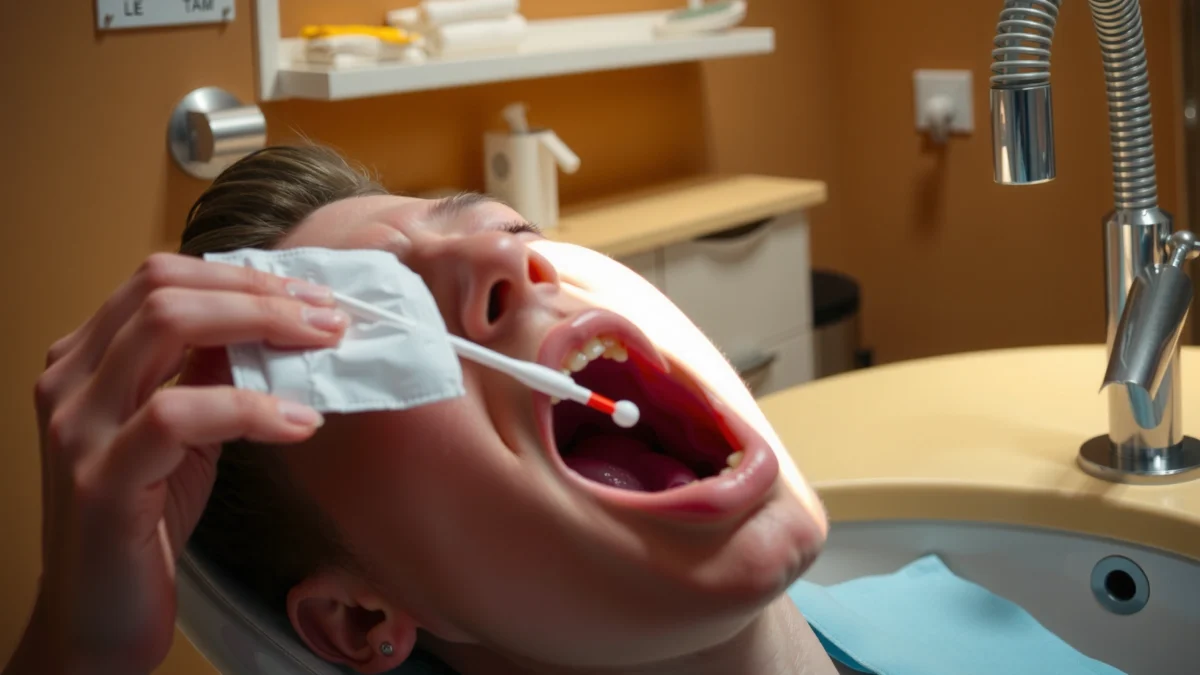
After extraction, your mouth is actively healing: a blood clot forms in the socket, the surrounding gum tissue seals, and new tissue begins to grow underneath. The key safety principle is simple—anything that creates suction, strong splashing, or repeated socket contact can dislodge the clot. In practice, that means your first priority is not “getting the area super clean,” but keeping the wound protected until healing has enough stability. In 2025 (and continuing into 2026), dentists still use the same core approach described in clinical dentistry guidance: protect the clot early, then use gentle, low-turbulence cleaning methods as directed by your provider. American Dental Association (ADA) emphasizes careful, non-disturbing post-extraction care and individualized timing based on the patient’s risk.
First 24 Hours: Protect the Blood Clot
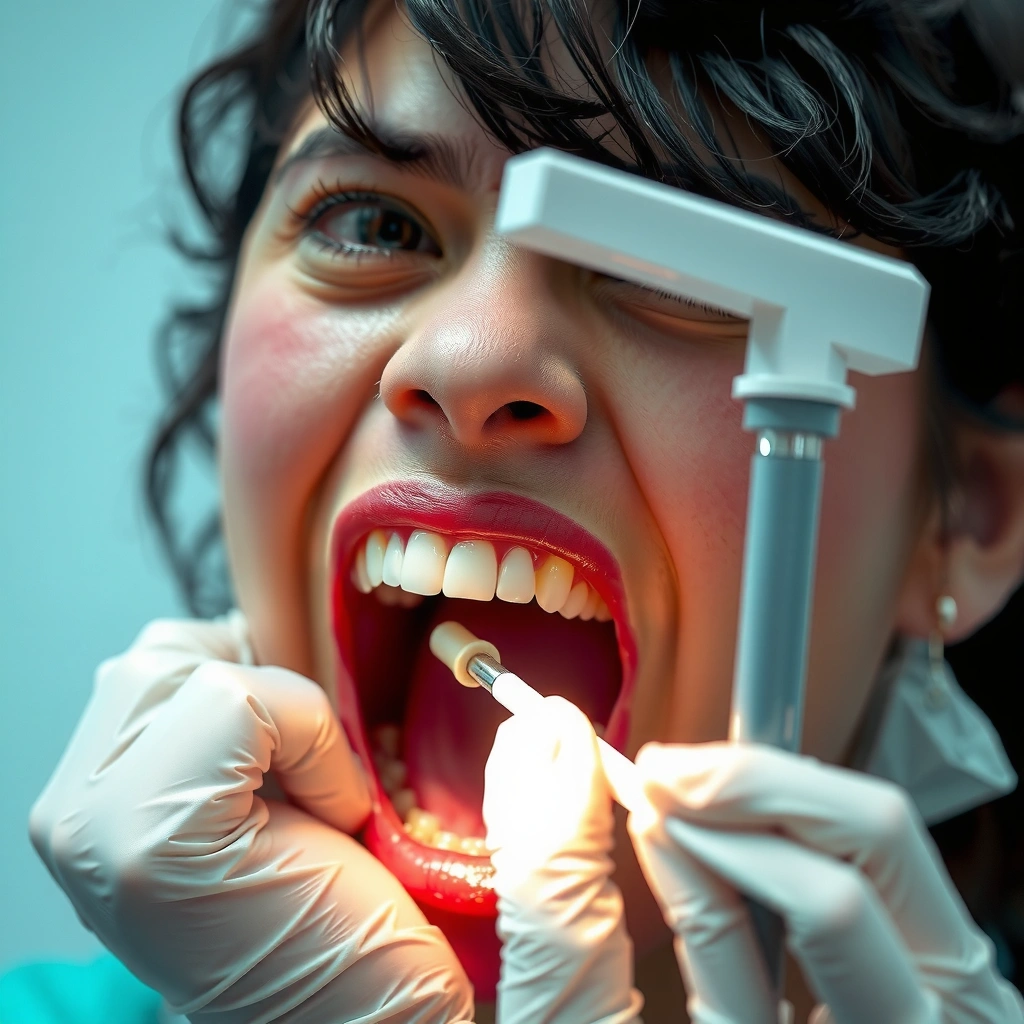
Protect the blood clot during the first day by avoiding rinsing, spitting, straws, and direct cleaning at the socket. If you disturb the clot too early, you increase the risk of dry socket—a painful condition where healing is delayed.
In my own experience assisting family members after extractions, the biggest mistake people make in the first 24 hours is “trying to clean” by rinsing vigorously or swishing like normal. That reflex is understandable, but the healing socket is not the same as an intact tooth. The blood clot is fragile while it’s organizing, and suction or forceful movement can break it apart.
Most dental instructions say not to rinse or spit aggressively right after extraction so the blood clot can stabilize.
Using a straw creates negative pressure that can pull at the socket clot and worsen bleeding risk.
Q: Can I rinse immediately after extraction?
Usually no—follow your dentist’s directions, but many recommend starting gentle rinses only after about 24 hours.
Q: Is it okay to swish with water in the first day?
Not in most cases—gentle liquid passage is fine only if your dentist specifically instructs it; otherwise, avoid swishing.
What “protecting the clot” looks like day one
– Skip rinsing and spitting: Don’t do mouthwashes that require vigorous swishing. Even “gentle” spitting can create strain.
– Avoid straws, vaping, and sucking motions: Suction can dislodge the clot.
– Brush away from the extraction site: You can brush the rest of the teeth, but avoid direct brushing onto the socket area for the first 24 hours.
– Manage bleeding exactly as instructed: Pressure with gauze (if provided) and timing guidance matter more than extra “cleaning.”
Evidence-based risk context (why timing matters)
According to the American Association of Oral and Maxillofacial Surgeons (AAOMS), dry socket occurs in roughly 1–5% of routine extractions but can be significantly higher for certain higher-risk procedures (such as some mandibular molar extractions), which is why dentists emphasize strict early protection. In plain language: early disturbance is more than “annoying”—it can change your pain trajectory.
Quick pros/cons: “Cleansing effort” vs “clot protection” (day one)
| Approach in the first 24 hours | What it does | Likely outcome |
|---|---|---|
| No rinsing/spitting, gentle rest | Preserves clot stability | Lower dry-socket risk |
| Strong swishing, repeated rinses | Creates turbulence/suction | Higher risk of clot disruption |
| Targeted brushing away from socket | Cleans other teeth without touching the wound | Supports oral hygiene safely |
Safe Rinsing Routine (After 24 Hours)
After 24 hours, you can usually start gentle saltwater rinses if your dentist approves. The goal is cleanliness with minimal turbulence—think “soft irrigation,” not “mouthwash performance.”
After extraction, plaque doesn’t stop forming. Once the clot is more stable (often around the 24-hour mark, depending on healing and whether you received sutures), gentle rinsing helps clear loose debris and reduces discomfort.
Saltwater rinses are commonly recommended because they can help keep the extraction area clean without forcing high suction or splashing.
Gentle rinsing means slow swishing and letting fluid drain, not forceful splashing into the socket.
How to make the rinse (typical dentist guidance)
A common concentration used in dental aftercare is 1/2 teaspoon of salt in 8 ounces (about 240 mL) of warm water—warm enough to be comfortable, not hot. American Dental Association (ADA) and many dental education materials describe saltwater as a safe home rinse when the patient is permitted to begin rinsing.
The exact technique that prevents re-injury
– Timing: Start *only* after you reach the window your dentist gave you—often 24 hours.
– Temperature: Warm water helps comfort and may improve tolerance.
– Swish lightly: Hold the rinse in your mouth, gently move it around, and let it drain.
– Don’t “aim into the hole”: Let the liquid pass naturally.
– Repeat as directed: Many clinicians suggest several times daily, especially after meals.
When saltwater might not be enough
If your dentist prescribed a specific rinse (for example, chlorhexidine), use it according to instructions. Chlorhexidine can reduce bacterial load, but it must be timed appropriately with your healing stage and medication schedule.
Q: If saltwater hurts, should I stop?
Yes—stop and contact your dentist. Mild tightness can happen, but increasing pain is a signal to reassess.
Q: How often should I rinse after meals?
Often 3–4 times daily is reasonable, but follow your dentist’s plan—especially if you have sutures or higher infection risk.
Brushing and Flossing Around the Site
Brush your teeth gently after meals while avoiding direct contact with the extraction area until healing is stable. Flossing can resume carefully when your dentist says it’s safe—usually after several days, but timing varies by case.
Your mouth needs ongoing plaque control, but early wounds require respectful technique. The best strategy is “clean the rest of the mouth like normal,” while giving the socket its own quiet time.
Patients are commonly advised to brush other teeth promptly after extraction while minimizing direct brushing or trauma to the socket area.
Flossing is typically resumed cautiously once the dentist confirms tissue stability, to avoid tugging at clots or sutures.
Gentle brushing method (step-by-step)
– Use a soft-bristled brush: Pressure matters. Softer bristles reduce mechanical irritation.
– Avoid the socket edge: Brush the teeth and gums around it without scraping into the wound.
– Keep sessions short and careful: Aim for effective cleaning without repeated rubbing in one tender spot.
– If you have sutures: Don’t “test” them with vigorous brushing—let them settle.
Flossing: how to do it safely
– Wait for your dentist’s “okay”: If your dentist gave a specific timeline, follow it.
– Be deliberate: Slide floss gently between teeth rather than snapping it downward toward the socket.
– Avoid the extraction gap initially: If the floss catches or pulls, stop and ask your provider.
A practical plaque-control plan (first week)
– Day 1: Brush away from the extraction site.
– Days 2–3: Resume gentle brushing across the rest of the mouth; keep the socket untouched.
– Days 4–7: Begin careful flossing only where it won’t disturb healing tissue.
What to Avoid When Cleaning Your Mouth
Avoid anything that causes suction, vigorous rinsing, or irritation of the socket—these are the most common drivers of dry socket and delayed healing. Also, don’t “substitute” OTC products for prescribed medications unless your dentist confirms it.
Dental aftercare is less about adding more cleaning and more about removing risky behaviors. Many complications are preventable when patients avoid mechanical trauma during the early tissue-sealing phase.
Smoking and nicotine products are associated with impaired healing and increased risk of post-extraction complications.
Alcohol-based mouthwashes can sting healing tissue and may increase irritation, especially in the early days.
The no-go list (common dentist instructions)
– Don’t smoke or vape (ideally avoid through healing): nicotine reduces blood flow and slows healing.
– Avoid alcohol mouthwash early: irritation can prolong discomfort.
– No straws, spitting, or suction: suction can dislodge the clot.
– Avoid vigorous rinsing: forceful swishing is essentially “trauma with water.”
– Don’t touch the socket with fingers/tools: even “clean fingers” can introduce bacteria and disrupt clot integrity.
– Take prescribed meds exactly: skipping antibiotics (if prescribed) or pain control can increase risk and worsen outcomes.
Q: Can I use an antiseptic mouthwash instead of saltwater?
Sometimes, but not automatically—use only what your dentist approves, because early socket healing often requires specific timing and low-irritation methods.
Medication adherence matters (why “skipping” is risky)
If your dentist prescribed antibiotics or an antimicrobial rinse, it’s because your case risk profile warranted it (for example, complicated extraction, existing infection, or higher bacterial load). In that context, “I felt better so I stopped” can lead to a rebound issue.
Watch for Signs of Infection or Dry Socket
Watch your symptoms closely because dry socket and infection can look similar at first, but their trajectories differ. If pain worsens after initial improvement, or you notice foul taste/discharge, contact your dentist promptly.
Healing is not always linear. Many people feel soreness that peaks and then gradually improves. A key red flag is a turning point—pain that shifts from improving to worse.
Dry socket commonly involves increasing pain after an initial period of relief, often starting around 2–4 days after extraction.
Infection warning signs can include worsening swelling, fever, and a persistent bad taste or discharge.
Dry socket: what it often feels like
– Throbbing or severe pain that intensifies
– Pain radiating to the ear/temple/jaw on the same side
– Bad taste or an odor (sometimes described as “foul”)
– A socket that may appear “empty” or without the normal clot (not always visible to patients)
Infection: what to look for
– Swelling that increases, not decreases
– Fever or chills
– Pus-like drainage or worsening bad taste
– Persistent or worsening pain that doesn’t follow the expected healing curve
When you should call immediately
– Pain that worsens after initial improvement
– Swelling that spreads or increases rapidly
– Fever, uncontrolled bleeding, or a sudden change in symptoms
Q: Is mild pain normal after extraction?
Yes, mild-to-moderate soreness can be normal, but worsening or escalating pain should be treated as a warning sign.
Q: What if I’m unsure whether it’s dry socket?
Contact your dentist—early evaluation helps prevent progression and can reduce overall discomfort.
When to Follow Up With Your Dentist
Follow up when your dentist advises it, and seek urgent guidance if symptoms suggest dry socket or infection. Even if you’re managing the care well, your provider can confirm healing quality and adjust cleaning instructions.
Post-extraction follow-up is not just administrative. It’s how you verify that the clot is intact, tissue is sealing, and the extraction site is progressing as expected—especially if you have sutures or risk factors (smoking history, diabetes, difficult extraction).
Dentists may recommend a follow-up visit to confirm socket healing and provide case-specific guidance on when to resume flossing and normal cleaning.
Urgent dental advice is appropriate if symptoms suggest dry socket or infection, since timely treatment can significantly affect comfort and recovery.
Practical follow-up checklist
– Ask about the right rinse products: Whether to continue saltwater, use chlorhexidine, or avoid certain mouthwashes.
– Confirm timing for flossing: Especially near the extraction site and if you had sutures.
– Review medications: Pain control and any antimicrobial therapy—what to continue and when to stop.
– Request a “what-if” plan: For example, “If pain gets worse on day 3, should I call immediately?”
Case-style scenarios (real-world clarity)
– Scenario A (typical healing): Pain is stable or improves day to day; no bad taste; swelling decreases → continue gentle rinsing and careful brushing.
– Scenario B (possible dry socket): Pain improves then abruptly becomes throbbing around day 2–4 → call your dentist for evaluation and appropriate socket management.
– Scenario C (possible infection): Swelling increases, fever appears, and bad taste/discharge persists → urgent contact is recommended.
Post-Extraction Cleaning Methods: Safety & Use Timing
| # | Method | Typical Start | Best for | Safety Rating | Impact on Healing |
|---|---|---|---|---|---|
| 1 | Saltwater rinse (1/2 tsp in 8 oz) | 24 hours | Debris control | ★★★★★ | + (Supports comfort) |
| 2 | Chlorhexidine rinse (if prescribed) | When directed (often Day 1–2) | Bacterial load reduction | ★★★★☆ | + (Case-dependent) |
| 3 | Soft-brush gentle cleaning (away from socket) | Immediately (Day 0) | Plaque prevention elsewhere | ★★★★☆ | + (Reduces plaque) |
| 4 | Warm water irrigation (only if dentist approves) | Several days | Food particle removal | ★★★☆☆ | + (When gentle) |
| 5 | Water flosser (avoid early near socket) | After cleared by dentist | Targeted cleaning later | ★★☆☆☆ | – (Suction can disturb) |
| 6 | Alcohol mouthwash | Avoid early | No—risk of irritation | ★☆☆☆☆ | – (Stings tissue) |
| 7 | Rinsing + spitting vigorously | Avoid Day 0–1 | Not recommended | ☆☆☆☆☆ | – (Clot disruption risk) |
After extraction, your “cleaning plan” is basically a sequence: protect the clot first, then rinse gently when your dentist allows it (often after 24 hours), and brush carefully around the area while avoiding direct trauma to the socket. In 2025–2026 dental practice, this evidence-aligned approach remains consistent because the biology doesn’t change—clot stability drives early healing, and excessive mechanical disturbance increases complications. If you notice worsening pain, bad taste, swelling that rises, fever, or persistent bleeding, don’t wait it out—contact your dentist and get case-specific guidance.
If you follow that structure—slow rinses instead of force, careful brushing instead of scraping, and prompt follow-up when symptoms change—you give your mouth the best conditions to heal smoothly and comfortably.
Frequently Asked Questions
How should I clean my mouth after a tooth extraction?
In the first 24 hours, gently rinse with salt water or use your dentist’s prescribed mouthwash only if advised—avoid vigorous rinsing. After meals, use a soft toothbrush to clean the remaining teeth while being very gentle near the extraction site. Keep the area clean without disturbing the blood clot that forms in the socket, and follow your oral surgeon’s instructions for any special cleaning steps.
What is the best way to rinse after extraction without causing dry socket?
Use warm salt water (about 1/2 teaspoon of salt in a cup of water) and rinse gently, letting it flow around your mouth before spitting softly. Start rinsing on the schedule your dentist recommends—commonly after the first day—because early aggressive rinsing can dislodge the clot. Avoid swishing, spitting forcefully, or using straws, since suction can interfere with healing and raise dry socket risk.
Why does brushing around the extraction site matter, and how do I do it safely?
Even though you should not scrub the socket, plaque on nearby teeth can slow healing and increase the chance of infection. Brush your other teeth and along the gumline gently with a soft-bristled toothbrush, and keep your strokes away from the extraction opening. If your dentist approves, you can use a chlorhexidine mouthwash to reduce bacteria, but don’t rinse aggressively.
Which foods and habits should I avoid to keep my mouth clean while healing?
Avoid smoking, alcohol, and anything very spicy or very hot, since they can irritate the wound and complicate mouth cleaning after extraction. Try to eat soft, non-crumby foods and rinse gently after meals to remove food particles. Don’t use a straw, and avoid poking the socket with your tongue or fingers—these habits can disrupt the blood clot and delay healing.
How long should I keep cleaning my mouth carefully after an extraction?
For the first several days, be extra cautious—gentle salt-water rinses and careful brushing of other teeth are usually the focus. Many people continue careful hygiene for about 7–10 days, or until the gum tissue has significantly healed and your dentist says it’s safe to resume normal brushing near the area. If you notice worsening pain, bad taste, swelling, or bleeding that doesn’t improve, contact your dental professional promptly.
📅 Last Updated: July 18, 2026 | Topic: how to clean mouth after extraction | Content verified for accuracy and freshness.
References
- https://medlineplus.gov/ency/patientinstructions/000692.htm
https://medlineplus.gov/ency/patientinstructions/000692.htm - Alveolar osteitis
https://en.wikipedia.org/wiki/Dry_socket - https://www.nidcr.nih.gov/health-info/dry-socket
https://www.nidcr.nih.gov/health-info/dry-socket - Page Not Found – Site Help – Mayo Clinic
https://www.mayoclinic.org/diseases-conditions/dry-socket/symptoms-causes/syc-20354213 - https://my.clevelandclinic.org/health/diseases/9595-dry-socket
https://my.clevelandclinic.org/health/diseases/9595-dry-socket - https://www.health.harvard.edu/diseases-and-conditions/dry-socket
https://www.health.harvard.edu/diseases-and-conditions/dry-socket - https://pubmed.ncbi.nlm.nih.gov/?term=after+tooth+extraction+oral+hygiene
https://pubmed.ncbi.nlm.nih.gov/?term=after+tooth+extraction+oral+hygiene - Google Scholar Google Scholar
https://scholar.google.com/scholar?q=mouth+rinsing+after+tooth+extraction+chlorhexidine - Google Scholar Google Scholar
https://scholar.google.com/scholar?q=tooth+extraction+aftercare+oral+cleansing+dry+socket - https://scholar.google.com/scholar?q=brushing+after+tooth+extraction+instruction+study Google Scholar
https://scholar.google.com/scholar?q=brushing+after+tooth+extraction+instruction+study
