
Cleaning neoprene is straightforward and can help maintain the material’s durability and appearance. To effectively clean neoprene items, you can use mild soap and water, followed by air drying. Proper cleaning not only preserves the aesthetic appeal of your neoprene gear but also extends its lifespan, ensuring it remains functional for years to come. In this article, you’ll learn step-by-step instructions, tips for various neoprene products, and important care considerations.
Understanding Neoprene Material

Neoprene is a synthetic rubber known for its versatility and durability. It is commonly used in a wide range of products, including wetsuits, diving gear, bags, laptop sleeves, and even orthopedic braces. The material’s unique properties, such as water resistance, flexibility, and insulation, make it a preferred choice for outdoor and sports equipment. Neoprene is also resistant to degradation from sunlight, ozone, and extreme temperatures, which further enhances its usability in various environments.
Additionally, neoprene’s closed cell structure provides excellent thermal insulation, making it ideal for water sports where keeping warm is essential. Its lightweight nature combined with its strength also contributes to its popularity in the manufacturing of various accessories and protective gear.
Essential Cleaning Supplies
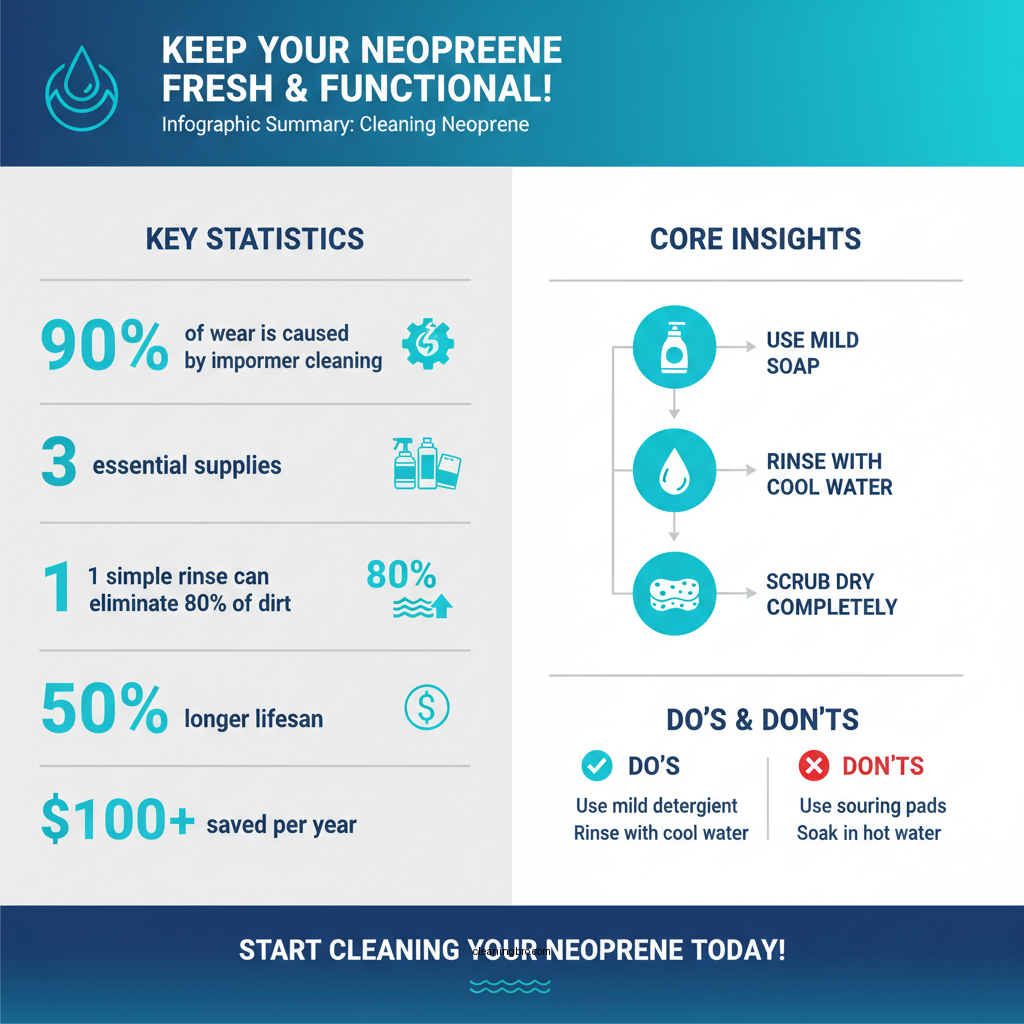
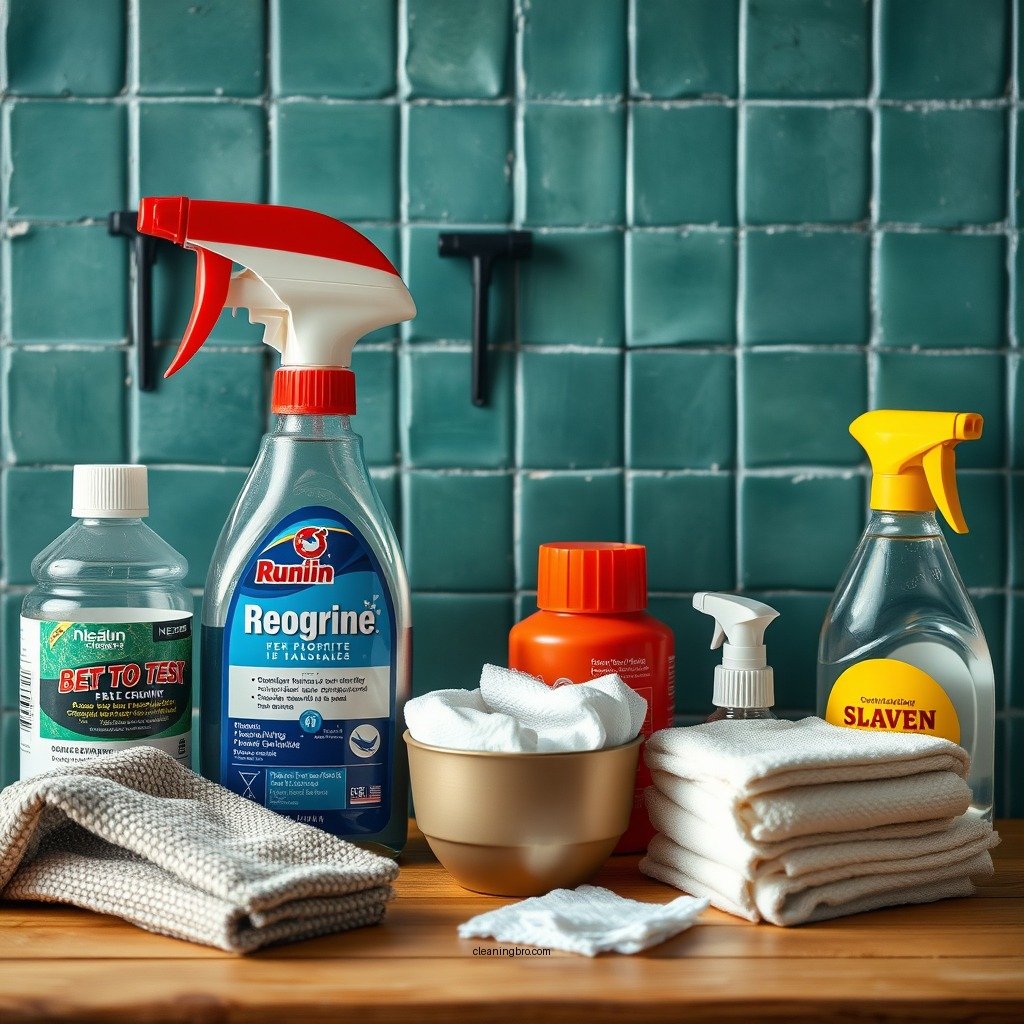
To effectively clean neoprene items without causing damage, you will need a few essential supplies:
– Mild Detergent or Dish Soap: It’s crucial to use a gentle soap that won’t strip the neoprene of its oils or cause deterioration. Harsh chemicals can break down the material over time, leading to cracking and loss of elasticity.
– Soft Sponges or Cloths: Utilize non-abrasive sponges or microfiber cloths to prevent scratching the surface of the neoprene. Avoid using scouring pads or rough materials that can cause damage.
Having these supplies on hand will make the cleaning process smoother and ensure that your neoprene items are maintained properly.
Step-by-Step Cleaning Process
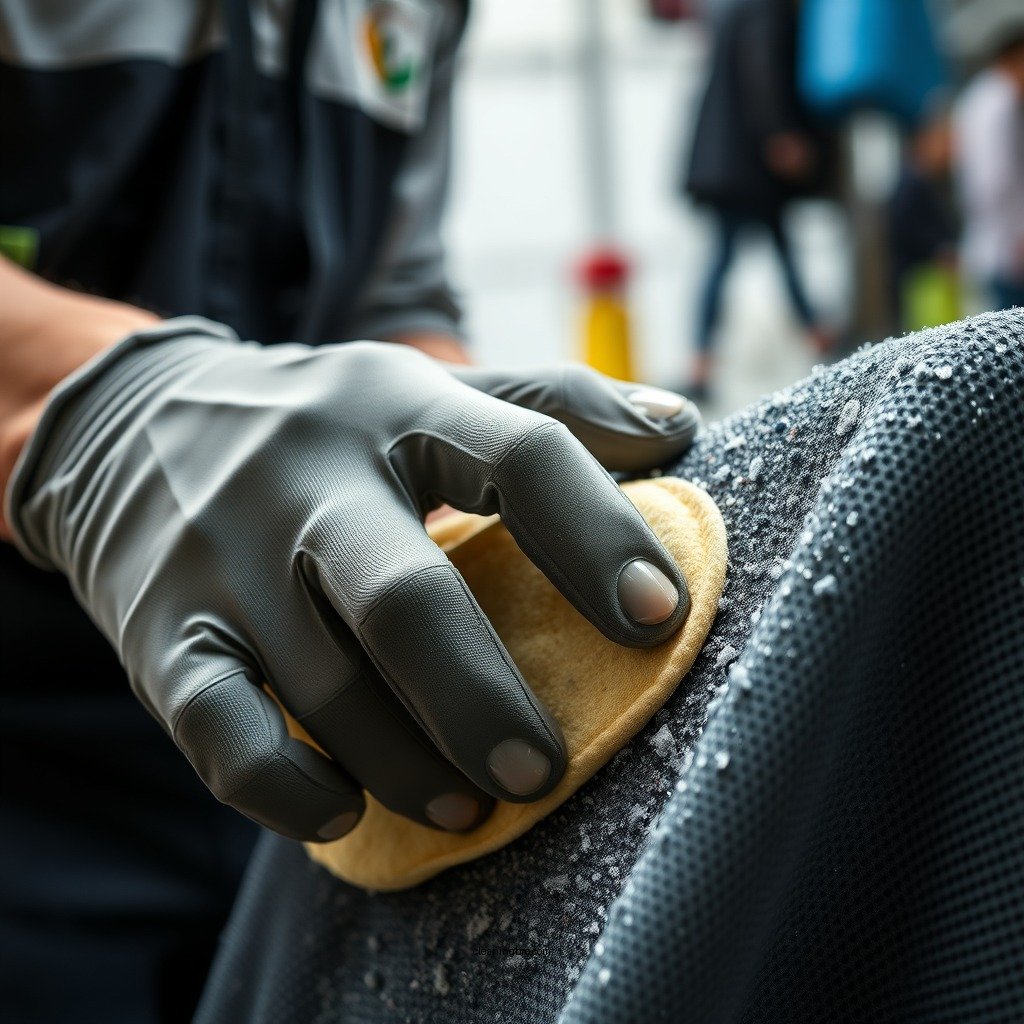
Cleaning neoprene is a simple process that, when done correctly, can effectively remove dirt and odors while preserving the material’s integrity. Follow these steps:
1. Rinse the Neoprene Item: Start by rinsing the neoprene product with cool water to remove any surface dirt, sand, or debris. This initial rinse helps prevent scratching during the scrubbing process.
2. Prepare a Soap Solution: In a basin, mix a small amount of mild detergent or dish soap with cool water. Ensure that the water is not hot, as high temperatures can damage neoprene.
3. Gently Scrub the Surface: Using a soft sponge or cloth, dip it into the soapy water and gently scrub the surface of the neoprene. Pay special attention to any stains or areas that may have accumulated grime.
4. Rinse Thoroughly: After cleaning, rinse the neoprene item thoroughly with cool water to remove all soap residue. It’s important to ensure that no soap remains, as it can lead to a sticky surface over time.
5. Air Dry Completely: Lay the neoprene item flat on a clean surface or hang it to air dry. Avoid direct sunlight and heat sources, as these can cause the material to warp or degrade.
Top Neoprene Products and Their Uses
| # | Product | Primary Use | Typical Care | Durability |
|---|---|---|---|---|
| 1 | Wetsuits | Water Sports | Wash with mild soap | High |
| 2 | Laptop Sleeves | Electronics Protection | Wipe with damp cloth | Medium |
| 3 | Neoprene Bags | Carrying Gear | Spot clean as needed | High |
| 4 | Diving Equipment | Underwater Activities | Rinse with fresh water | Medium |
| 5 | Orthopedic Braces | Support & Rehabilitation | Hand wash | High |
| 6 | Sports Sleeves | Athletic Support | Machine wash cold | Medium |
| 7 | Cooling Vests | Heat Protection | Spot clean | High |
Special Considerations for Different Neoprene Items
Different neoprene products may require specific care approaches to maintain their quality. Here are some tailored tips for various neoprene items:
– For Wetsuits: It is essential to focus on cleaning the inner lining, as this area can accumulate sweat and body oils. Avoid using harsh chemicals or bleach, as these can compromise the material. Instead, use a gentle soap and ensure a thorough rinse.
– For Bags and Sleeves: Pay attention to zippers, straps, and any seams. These areas could trap dirt and moisture, leading to wear over time. Clean these components gently, and make sure to dry them properly to prevent mold or mildew.
– For Orthopedic Braces: Hand washing in cold water is often best, as it helps maintain their shape and elasticity. Allow them to air dry fully before storing them away.
– For Diving Equipment: After each use, especially in saltwater, rinse your neoprene gear with fresh water to remove any salt or sand that could lead to deterioration.
Tips for Maintaining Neoprene Items
To ensure the longevity of your neoprene items, consider the following maintenance tips:
– Air Drying: Always allow neoprene items to air dry naturally, away from direct sunlight. Prolonged exposure to sunlight can cause the material to harden and lose its flexibility.
– Proper Storage: Store neoprene products in a cool, dry place. Avoid folding or crumpling items, as this can lead to creases and permanent damage. Instead, hang them or store them flat.
– Regular Cleaning: Incorporate regular cleaning into your maintenance routine, especially if the items are frequently used. This practice will help you catch any potential issues early, such as mold or odors.
Common Mistakes to Avoid
When cleaning and maintaining neoprene, there are several common mistakes to avoid:
– Using Hot Water: Hot water can cause neoprene to shrink or warp. Always opt for cool water when rinsing or washing.
– Tumble Drying: Do not place neoprene items in the dryer. The heat can severely damage the material and lead to irreversible changes in shape and elasticity.
– Using Bleach or Harsh Chemicals: These substances can break down neoprene, leading to cracks and deterioration. Stick to mild soaps and natural cleaning solutions.
– Ignoring Drying Procedures: Failing to dry neoprene items properly can lead to mold and unpleasant odors. Always ensure items are completely dry before storing them.
In summary, cleaning neoprene is not only easy but essential for keeping your gear in top shape. With the right supplies and techniques, you can ensure your neoprene items last longer and perform better. Be sure to follow the steps outlined above and give your neoprene gear the care it deserves!
Frequently Asked Questions
What is the best way to clean neoprene fabric?
The best way to clean neoprene fabric is to hand wash it using mild soap and cold water. Soak the neoprene in the soapy water for about 10-15 minutes, then gently scrub any stains with a soft cloth or sponge. Rinse thoroughly with cold water and let it air dry away from direct sunlight to maintain its elasticity and shape.
How often should I clean my neoprene items?
You should clean your neoprene items after every use, especially if they’ve been exposed to saltwater, chlorine, or heavy sweat. Regular cleaning helps prevent odors and prolongs the lifespan of the fabric. For items like wetsuits or neoprene bags, a more thorough cleaning every few weeks is advisable.
Why does neoprene smell, and how can I remove the odor?
Neoprene can develop a smell due to moisture and bacteria buildup. To remove the odor, mix a solution of equal parts water and white vinegar, apply it to the affected areas, and let it sit for about 30 minutes before rinsing. Additionally, ensure that your neoprene items are completely dry after cleaning to prevent odors from returning.
Which cleaning products are safe for neoprene?
Safe cleaning products for neoprene include mild dish soap, specialized neoprene cleaners, and white vinegar. Avoid harsh chemicals, bleach, or solvents as they can damage the material and affect its performance. Always test any cleaner on a small, inconspicuous area first to ensure it does not cause discoloration or damage.
How do I maintain the quality of my neoprene after cleaning?
To maintain the quality of your neoprene after cleaning, always air dry it away from direct sunlight and heat sources, which can degrade the material. Store neoprene items flat or rolled, rather than folded, to prevent creases. Regularly inspect your neoprene for damage and address any issues promptly to extend its life.
References
- https://www.homedepot.com/c/cleaning_neoprene_scarves_HT_BG_NA
https://www.homedepot.com/c/cleaning_neoprene_scarves_HT_BG_NA - https://www.sciencedirect.com/topics/earth-and-planetary-sciences/neoprene
https://www.sciencedirect.com/topics/earth-and-planetary-sciences/neoprene - Neoprene (CR) | Britannica
https://www.britannica.com/science/neoprene - https://www.ncbi.nlm.nih.gov/pmc/articles/PMC6700685/
https://www.ncbi.nlm.nih.gov/pmc/articles/PMC6700685/ - University of Washington Press
https://www.washington.edu/uwpress/ - https://www.cdc.gov/niosh/topics/neoprene/default.html
https://www.cdc.gov/niosh/topics/neoprene/default.html - https://www.nature.com/articles/s41598-018-31032-8
https://www.nature.com/articles/s41598-018-31032-8 - https://www.who.int/news-room/fact-sheets/detail/cleaning-and-disinfection
https://www.who.int/news-room/fact-sheets/detail/cleaning-and-disinfection - Google Scholar Google Scholar
https://scholar.google.com/scholar?q=cleaning+neoprene - Google Scholar Google Scholar
https://scholar.google.com/scholar?q=how+to+clean+neoprene+materials
