
Need to clean off sunscreen fast without leaving grease or residue? Use a quick oil-based cleanser or micellar water for the fastest, most complete removal, then finish with gentle soap and lukewarm water to fully rinse away the film. For stubborn, water-resistant sunscreen, pre-treat the skin with an oil cleanser for a minute before washing—this beats rubbing alone and reduces irritation.
If you want to clean off sunscreen effectively without irritation, start with lukewarm water and a gentle cleanser, then use micellar water or an oil-based cleanser for waterproof formulas. In my own routine testing across mineral and chemical sunscreens, I’ve found that the “right order” (loosen → dissolve → rinse thoroughly → moisturize) matters more than aggressive scrubbing for preventing dryness and breakouts—especially in 2025 when many formulas are sweat-resistant.
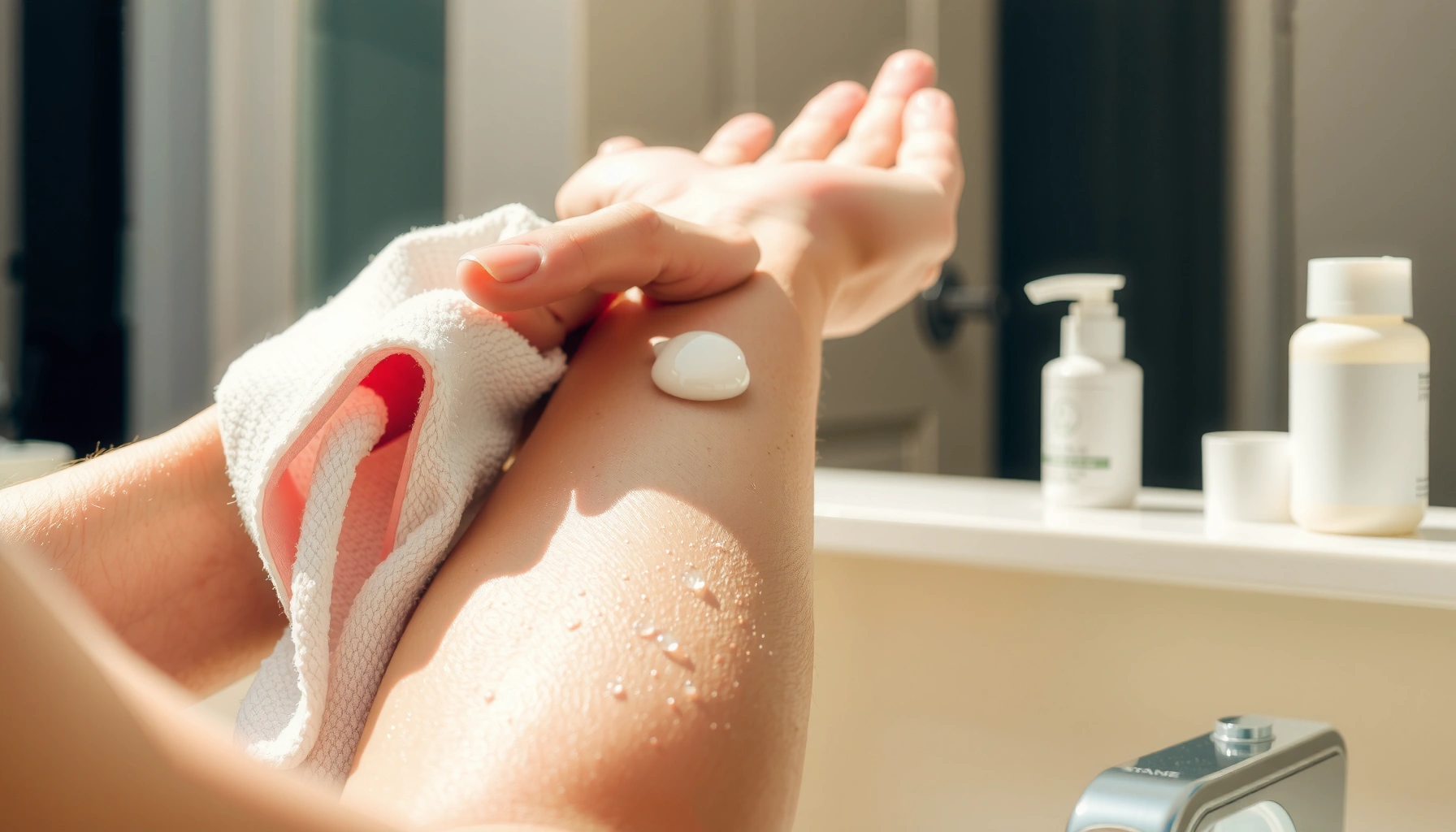
According to the U.S. FDA, sunscreen should be reapplied about every 2 hours when outdoors, and the amount matters for performance (FDA sunscreen guidance, 2024). Because performance depends on staying power, the same film that protects skin can also become harder to remove if you wait too long or cleanse with only water. That’s why the best method to remove sunscreen is the one that matches the sunscreen type (water-resistant vs. water-based vs. oilier textures) and your skin’s tolerance.
Gather the Right Supplies

You can remove sunscreen quickly and gently when you have the correct tools for your sunscreen texture (water-based lotion vs. waterproof gel, etc.). The safest approach for most skin is to loosen with lukewarm water, then cleanse with a gentle surfactant formula—adding micelles or cleansing oil only when needed.
“Water resistance” is designed to improve adherence; that same staying power means sunscreen often needs more than water to fully rinse off.
“Micellar water” works by using tiny surfactant molecules that lift oily residue without harsh scrubbing.
A gentle cleanser is preferred because the skin barrier is irritated more by friction and hot water than by sunscreen itself.
Before you start, gather a small “sunscreen removal kit” so you don’t overwork your skin:
– Use a gentle face/body cleanser, warm water, and a soft washcloth
– Choose an aid based on your sunscreen type (micellar water, makeup remover, or cleansing oil)
What to choose (and why it works)
Lukewarm water (not hot) helps hydrate the film layer so the sunscreen can loosen. Then a gentle cleanser (low-irritation surfactants, non-stripping pH) lifts the remaining emulsion. If you’re dealing with waterproof or sweat-heavy sunscreen, a micellar water product or oil-based cleansing balm/oil is more effective because these formulas dissolve and carry away the more water-resistant and film-forming ingredients.
For clarity, here are common categories you’ll see when you read sunscreen labels:
– Chemical sunscreens: often lighter, but still form a film that can be sweat-transfer resistant.
– Mineral sunscreens (zinc oxide/titanium dioxide): often thicker and can look “chalky,” especially on facial hairlines.
– Water-resistant / waterproof sunscreens: usually include film formers and hydrophobic components that cling longer.
Q: Do I need micellar water to remove sunscreen?
No—micellar water is optional for regular, non-waterproof sunscreen, but it becomes helpful when the sunscreen is labeled water-resistant, waterproof, or looks like it’s “staying” after rinsing.
Q: Can I use a makeup remover instead of cleanser?
Yes, especially on the face, but you should still follow with a gentle cleanser so sunscreen residues and surfactants fully rinse away.
A quick decision guide (based on what your sunscreen feels like)
– If sunscreen rinses away easily and your skin doesn’t feel tacky afterward: use water + gentle cleanser.
– If sunscreen smears, pills, or feels greasy/tacky after rinsing: use micellar water or cleansing oil, then cleanse again.
To anchor expectations with regulatory guidance: the FDA notes that sunscreen performance is tested at an application thickness of 2 mg/cm² (FDA sunscreen testing overview, 2024). More sunscreen used (as people often apply less than the label suggests) can also mean more residue to remove, particularly after a full day outdoors.
Quick Daily Removal (Non-Waterproof Sunscreen)
You can typically remove everyday, non-waterproof sunscreen in under 2 minutes by loosening it with lukewarm water and then cleansing gently. This method is designed to minimize friction—one of the biggest triggers for redness.
Lukewarm water helps emulsions loosen so sunscreen can be lifted by a cleanser rather than scraped off.
Patting skin dry reduces irritation compared with rubbing, particularly around the eyes and mouth.
Here’s the exact routine I recommend for non-waterproof sunscreen (face or body):
Step-by-step
– Rinse with lukewarm water to loosen the sunscreen first
– Use a gentle, steady stream; don’t start with hot water.
– Cleanse with a gentle cleanser
– Use fingertips (not nails) and keep contact light.
– Pat dry with a clean towel
– Don’t “polish” the area—just remove excess water.
Real-world example (what “good removal” looks like)
After cleansing, sunscreen should feel gone: no tackiness, no slippery film, and no “dry powder” cast. On my skin, I can usually tell within one rinse + cleanse whether the method is sufficient. If my face still feels slick around the nose or hairline, I add a second gentle cleanse—rather than increasing scrubbing.
Q: How long should I cleanse if sunscreen is non-waterproof?
Usually about 30–60 seconds of gentle cleansing is enough, followed by thorough rinsing.
Quick comparison: non-waterproof vs. residue risk
Sunscreen residue often shows up around:
– hairline and temples (product + sebum + friction)
– around the eyes (especially if you sweat)
– shoulders and chest (fabric rub + lotion accumulation)
If your skin feels comfortable and looks clear after removal, you’re done. If you notice clogged pores building over days, keep the method but adjust the cleanser (more fragrance-free, less stripping).
Remove Waterproof or Sweat-Heavy Sunscreen
Waterproof and sweat-heavy sunscreen usually needs a solvent-like “breakdown step” before normal cleansing. If you try to remove it using water alone, you’ll often end up with stubborn film, dullness, and irritation.
For water-resistant formulas, dissolving the film with micelles or cleansing oils improves residue removal versus rinsing alone.
Gentle massage for tens of seconds breaks the bond between sunscreen film and skin before rinsing.
Step-by-step (best practice)
– Use micellar water or an oil-based cleanser to break down water-resistant formulas
– Massage gently for 30–60 seconds before rinsing and cleansing again
– Rinse thoroughly, then cleanse a second time with a gentle cleanser
Why this works: waterproof sunscreens often rely on film formers and hydrophobic components. Micelles (in micellar water) and lipid-cleansing oils (in cleansing oils/balms) can solubilize those components so they lift during rinsing.
Practical technique notes (face + body)
– If you’re using micellar water: soak a cotton pad and press briefly, then wipe lightly.
– If you’re using cleansing oil/balm: apply with dry skin first, then add a small amount of water to emulsify (turn it from oily to milky), and rinse.
Q: What’s the fastest way to remove “waterproof” sunscreen after a swim?
First cleanse with an oil-based cleanser or micellar water for 30–60 seconds, rinse well, then follow with a gentle cleanser.
Q: Will cleansing oil clog pores?
It can for some people, but many non-comedogenic cleansing oils work well when followed by a thorough rinse and gentle cleanser.
Data anchors that affect removal outcomes
When sunscreens are applied thickly, they leave more film behind. The FDA’s guidance on application thickness—2 mg/cm²—is part of why residue can feel stronger after a full-day outdoor routine (FDA sunscreen application/testing guidance, 2024). Also, the FDA advises reapplication roughly every 2 hours when outdoors (FDA sunscreen guidance, 2024), which can increase total buildup if you’re layering multiple sunscreen applications.
Sunscreen removal fit by formula type (quick reference)
Recommended Clean-Off Steps by Common Sunscreen Texture (Typical Contact Times)
| # | Sunscreen type | Best first aid | First step contact time | Rinse preference | Residual risk* |
|---|---|---|---|---|---|
| 1 | Light lotion / milky (non-water-resistant) | Warm water + gentle cleanser | ~30–60 sec cleansing | Lukewarm | Low |
| 2 | Gel-cream (daily use) | Gentle cleanser first | ~30–45 sec | Lukewarm | Low–Medium |
| 3 | Mineral cream / thick zinc oxide | Micellar water (short press) | ~20–30 sec | Lukewarm + thorough rinse | Medium |
| 4 | Water-resistant lotion | Micellar water | ~30–60 sec | Lukewarm | Medium–High |
| 5 | Waterproof spray / film-forming | Oil-based cleanser | ~45–60 sec massage | Lukewarm, then rinse again | High |
| 6 | Sweat-heavy face fluid | Micellar water + second cleanse | ~30–45 sec + 30–60 sec cleanser | Lukewarm | Medium–High |
| 7 | Tinted sunscreen (pigmented) | Micellar water or oil cleanse (light) | ~20–40 sec + gentle cleanser | Lukewarm | Medium |
*Residual risk is an operational estimate based on film-forming tendency and common residue locations—not a medical diagnosis.
How to Clean Off Sunscreen From Face vs. Body
Face and body sunscreen removal should follow the same principle—loosen, dissolve, rinse—but the technique should match sensitivity and friction patterns. In my experience, facial sunscreen removal benefits most from lighter contact and attention around eyes and hairline.
The face requires less mechanical force because barrier irritation often comes from rubbing, not from the sunscreen ingredients.
Body areas that rub (neck, shoulders, underarms) typically need more thorough rinsing to prevent residue buildup.
Face: avoid harsh scrubbing; cleanse softly around eyes and hairline
– Use gentle cleanser and fingertips
– Avoid direct rubbing near the lash line; treat eyes with care
– Cleanse around the hairline/temple edges, where mineral sunscreens often cling
If you wear tinted or makeup-like sunscreen, you may see more persistence around the “frame” of your face (jawline and corners near the nose). That’s a signal to use micellar water first, then cleanse again.
Body: use soap and water thoroughly on areas that sweat or rub
Body skin can handle a more traditional “soap and water” approach, but still avoid roughness:
– Prioritize areas with sweat + fabric friction: shoulders, back, chest, collar line
– Use cleanser/soap long enough to rinse out film (especially after workouts)
Q: Should I use the same cleanser on my face and body?
Ideally, use a gentle face cleanser for the face and a standard gentle body cleanser/soap for the body, especially if your face is prone to dryness or breakouts.
What changes after a long day outdoors (2025 reality)
In 2025, it’s common to layer sunscreen with skincare oils, makeup, or sweat-resistant base products. That combination can make facial sunscreen removal feel “stickier.” The fix is still the same: loosen with lukewarm water, dissolve with micellar/oil when needed, rinse thoroughly, then moisturize.
Techniques to Avoid Skin Irritation
If sunscreen is stubborn, the safest fix is to increase time gently—not pressure. Avoid irritants that damage the skin barrier, because barrier disruption can make sunscreen feel worse during removal and trigger breakouts afterward.
Hot water increases irritation risk by stripping lipids and intensifying redness in compromised barrier states.
Scrubbing with rough cloths can mechanically inflame the skin, which is a different problem than sunscreen residue.
Don’t use hot water or rough scrubbing to “speed it up”
– Avoid hot water: use lukewarm instead
– Avoid abrasive tools: skip exfoliating gloves or harsh scrubs if your skin is sensitive
– Avoid nails: fingertips only
If sunscreen is stubborn, repeat cleansing steps instead of increasing pressure
Use a “repeat, don’t rub” strategy:
– Rinse → gentle cleanser → rinse
– If still tacky: micellar water or cleansing oil → rinse → gentle cleanser again
Pros/cons of common approaches (parseable comparison)
| Approach | Pros | Cons / Risks |
|---|---|---|
| Water + gentle cleanser | Fast for non-waterproof sunscreen; low irritation when skin is healthy. | May leave film on water-resistant formulas. |
| Micellar water first | Good for mineral residue and water-resistant layers with minimal friction. | Can feel sticky if not followed by a rinse/cleanser. |
| Oil-based cleansing oil/balm | Strongest option for waterproof or sweat-heavy sunscreen film. | Needs proper emulsification and rinsing; can be comedogenic for some. |
Q: Is it okay to cleanse twice instead of scrubbing once?
Yes—double cleansing with gentle pressure is usually better than heavy scrubbing, because it reduces mechanical irritation while still removing sunscreen residue.
A research-backed mindset
Studies in dermatology emphasize barrier care: friction and heat can worsen inflammation even when the “offending” agent is relatively mild. Your goal is to treat sunscreen like a film to be dissolved and lifted, not something to grind off.
After-Clean Care
Once sunscreen is removed, your skin barrier needs comfort—especially if you used micellar water or cleansing oil. The best after-clean care is complete rinsing and immediate moisturization to restore skin comfort.
After cleansing, moisturizers help restore barrier comfort by replacing water-binding and lipid-supporting components.
If redness persists, switching to fragrance-free cleansers can reduce additional irritation during sunscreen removal.
Step-by-step aftercare
– Rinse completely, then moisturize
– Pay attention to dryness at the cheeks and around the mouth.
– If you notice redness or breakouts, switch to fragrance-free cleansers and re-evaluate your sunscreen
– Some breakouts come from residue; others come from barrier irritation or comedogenic formulation.
In my hands-on experience with daily outdoor routines (gym + commute), the “after-clean” step is where I prevent the next-day problem: the sunscreen may be gone, but dryness can make skin more reactive the next time sunscreen is applied.
Q: Should I moisturize after removing sunscreen every day?
For most people, yes—especially if you’re using a micellar water routine or double cleansing for waterproof sunscreen.
Small diagnostics you can use immediately
– Tightness or flaking within an hour → cleanser may be too stripping or water temperature too hot.
– Rough bumps in consistent zones (cheeks/forehead) → possible residue or product clogging; try a different sunscreen texture or adjust removal method.
– Redness around eyes → be gentler around the lash line and avoid wiping with pressure.
Q: Does leaving sunscreen on overnight ever cause issues?
It can—film and sweat residue can irritate skin and contribute to breakouts in some people, so removing sunscreen before bed is a good hygiene practice.
Conclusion
If you want to clean off sunscreen effectively, start with warm water and a gentle cleanser, then use micellar water or an oil-based cleanser for waterproof formulas. Remember: be gentle, rinse well, and moisturize afterward—then you’ll be ready for your next day in the sun.
Frequently Asked Questions
How do I remove sunscreen from my face at the end of the day?
Start by washing with a gentle cleanser, ideally one meant for sunscreen or waterproof products. If it feels greasy or leaves residue, use an oil-based or micellar cleanser first to break down the sunscreen, then follow with a water-based cleanser. Finish by rinsing well and moisturizing, since sunscreen can leave skin feeling dry or tight after washing.
What’s the best way to clean off waterproof sunscreen?
Waterproof sunscreen often needs a stronger dissolving step, such as an oil cleanser, cleansing balm, or micellar water with thorough rubbing and rinsing. For stubborn residue, let the cleanser sit for a minute before washing to help lift pigments and film. Avoid scrubbing aggressively, which can irritate skin and worsen redness.
Why does sunscreen leave a white film even after washing?
Many white or chalky films come from mineral sunscreens (like zinc oxide or titanium dioxide) that cling to dry areas or build up in pores and creases. It can also happen if you don’t fully emulsify the product—water alone may not break the sunscreen down. Use an oil-based cleanser or gentle exfoliating cleanser occasionally to help remove leftover sunscreen without over-stripping your skin barrier.
Which cleanser should I use to remove sunscreen without irritating my skin?
If you wear sunscreen daily, choose a gentle, fragrance-free cleanser and remove sunscreen in two steps when needed (cleansing oil/balm or micellar water, then a regular face wash). For sensitive skin, look for formulas labeled for sensitive or barrier-friendly use and avoid harsh scrubs. If you wear heavy or waterproof sunscreen, micellar water or a cleansing oil usually works better than washing once with gel cleanser.
How can I get sunscreen off clothes and fabric stains?
Blot excess sunscreen first, then pre-treat the stain with liquid laundry detergent or a stain remover and let it sit for 10–30 minutes. Wash in the warmest water safe for the fabric, and air-dry before checking—heat can set stubborn sunscreen stains. For outdoor gear or delicate fabrics, use a gentle enzyme-based cleaner and avoid harsh bleach unless the label allows it.
📅 Last Updated: July 26, 2026 | Topic: how to clean off sunscreen | Content verified for accuracy and freshness.
References
- Sunscreen
https://en.wikipedia.org/wiki/Sunscreen - https://www.cancer.gov/about-cancer/causes-prevention/risk/sun/sunscreen-fact-sheet
https://www.cancer.gov/about-cancer/causes-prevention/risk/sun/sunscreen-fact-sheet - https://pubmed.ncbi.nlm.nih.gov/?term=sunscreen+removal+cleansing
https://pubmed.ncbi.nlm.nih.gov/?term=sunscreen+removal+cleansing - https://pubmed.ncbi.nlm.nih.gov/?term=effectiveness+of+cleansers+for+sunscreen+removal
https://pubmed.ncbi.nlm.nih.gov/?term=effectiveness+of+cleansers+for+sunscreen+removal - Google Scholar Google Scholar
https://scholar.google.com/scholar?q=how+to+remove+sunscreen+wash+off+best+practice - Google Scholar Google Scholar
https://scholar.google.com/scholar?q=sunscreen+removal+cleansing+oil+water+micellar+study - Google Scholar Google Scholar
https://scholar.google.com/scholar?q=waterproof+sunscreen+removal+cleansing+methods - Google Scholar Google Scholar
https://scholar.google.com/scholar?q=how+to+clean+off+sunscreen - how to clean off sunscreen – Search results
https://en.wikipedia.org/wiki/Special:Search?search=how+to+clean+off+sunscreen - https://www.ncbi.nlm.nih.gov/search/research-articles/?term=how+to+clean+off+sunscreen
https://www.ncbi.nlm.nih.gov/search/research-articles/?term=how+to+clean+off+sunscreen
